Introduction
The Student Satellite Design, Development and Launch initiative is a specialized outreach program dedicated to advancing knowledge in satellite technology and its applications within the broader domain of space science and technology. Spearheaded by the Space Education Research Lab of the National Center of GIS & Space Applications (NCGSA), this program is designed to inspire and equip students through hands-on experiences and interactive learning.
Through a series of engaging workshops, technical trainings, seminars, webinars, destination school visits, and national-level competitions, students from grades 9–12 as well as undergraduate levels actively participate in the end-to-end process of building educational satellites, including the CanSats and CubeSats. These student-built satellites are engineered to simulate the core functionalities of real-world satellites, offering a unique and immersive learning experience that bridges theoretical knowledge with practical application.
Our Legacy
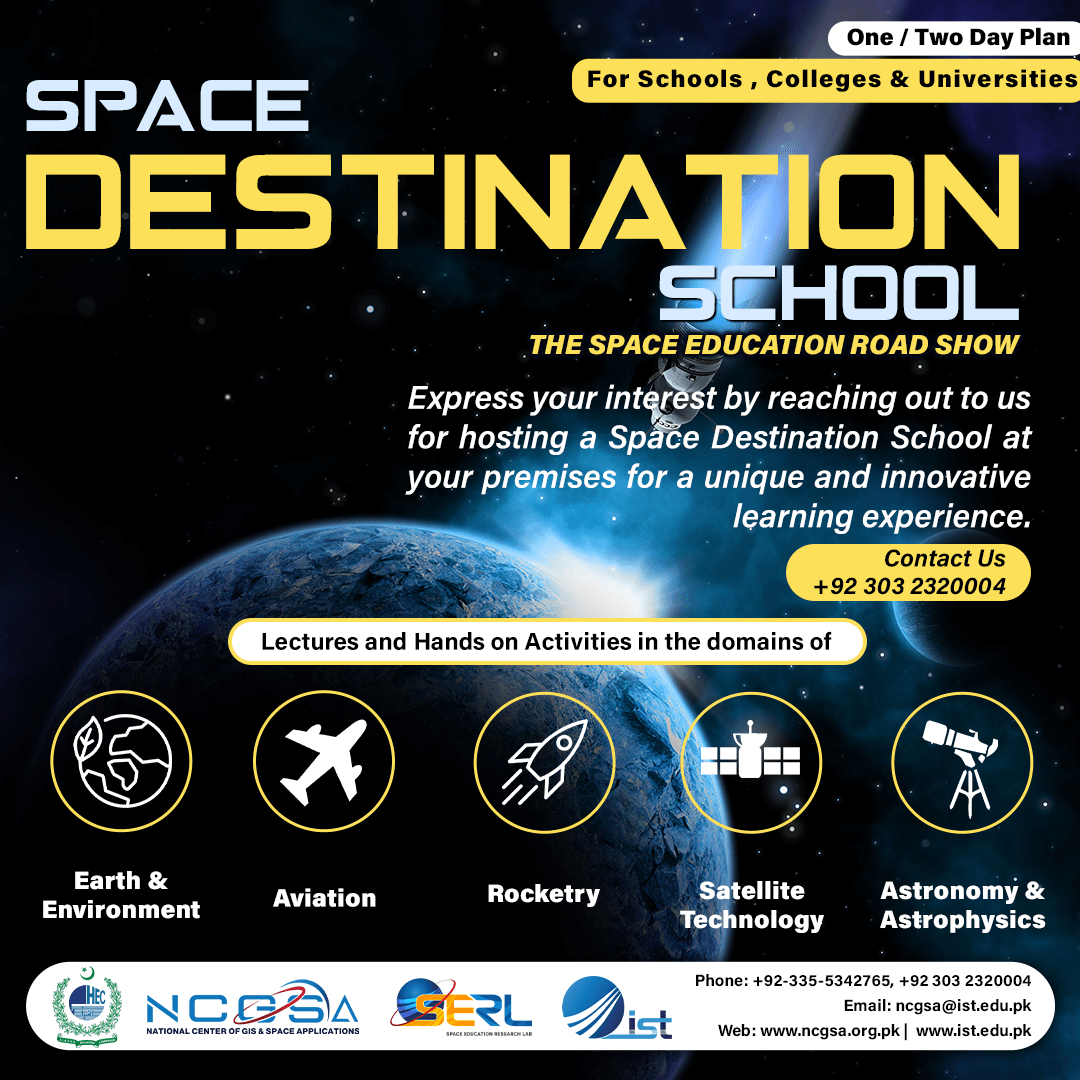
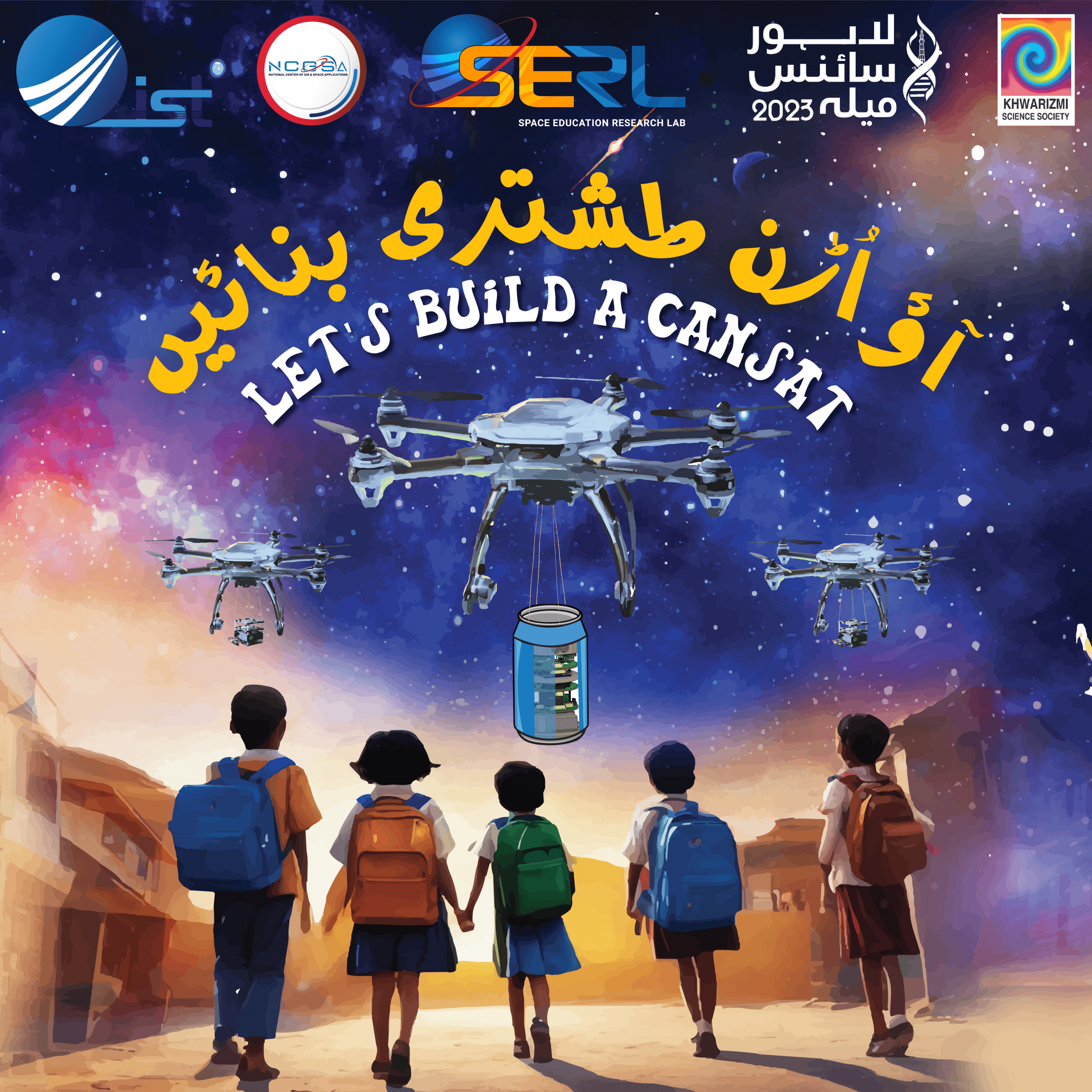
Over the years, a pioneering legacy has been established in student satellite development through impactful programs including National CanSat Competition, CanSat Workshop, Let’s Build a CanSat, Space Maker Camp, STEM for Space Technology, and Space Destination Schools. These initiatives have provided practical training to more than 1,500 students from over 15 academic institutions, igniting curiosity and competence in satellite design and space missions. Driven by the mentorship of 10+ domain experts and sustained through 15+ technical lectures and 15+ practical sessions, the programs serve as a cornerstone for capacity-building in space education, empowering students through experiential learning and innovation.
STEM-Focused Training in Satellite Systems Engineering
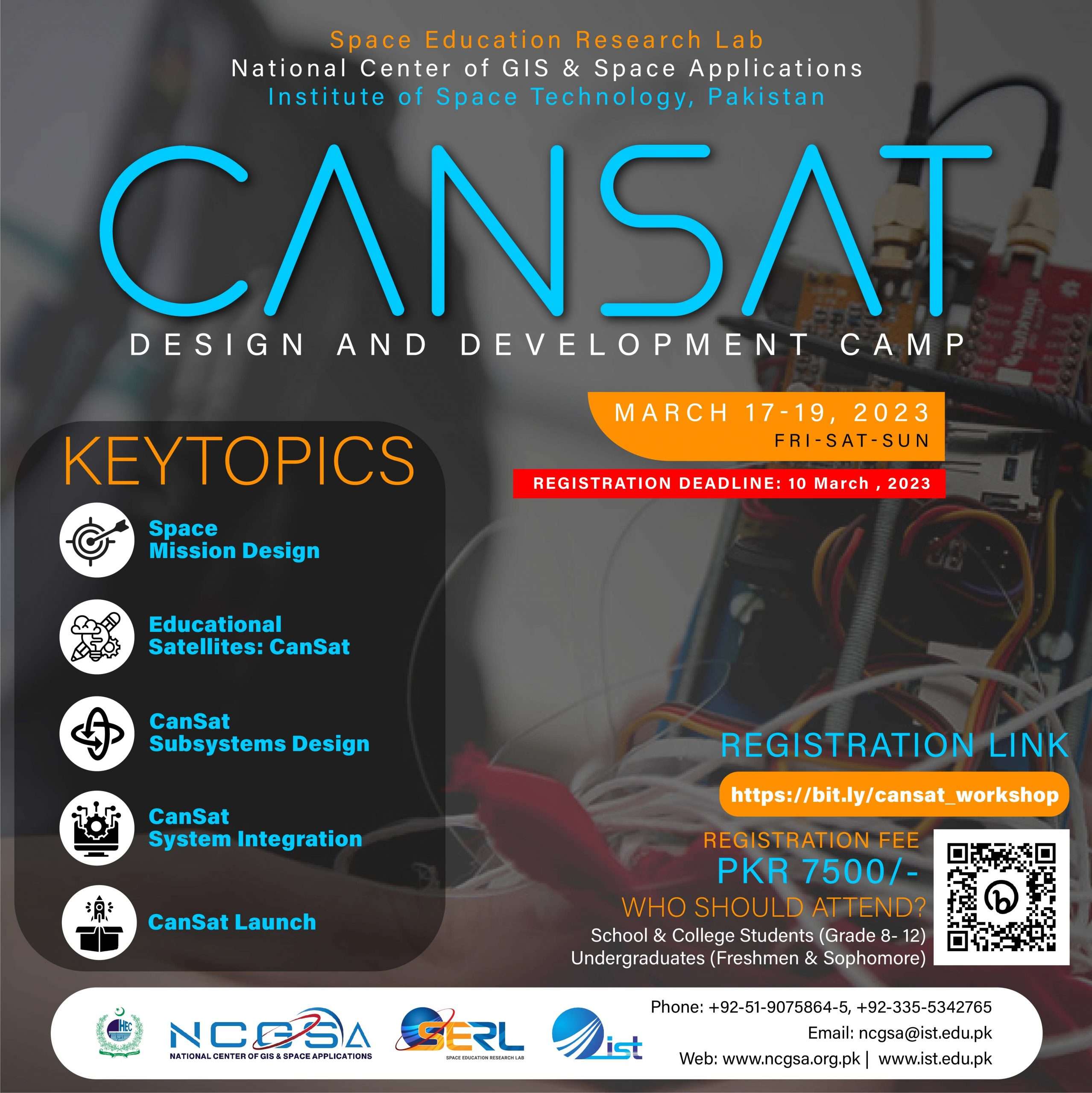
Our satellite outreach programs immerse students in the complete journey of satellite development, from mission planning to launch. Participants engage in mission design, subsystem development (including power, communication, payload, and structure), and system integration using microcontrollers and sensors. The process advances to system assembly, testing, real-time data collection, and launch , offering practical exposure to real-world space engineering workflows. These programs equip students with technical skills in embedded systems, teamwork, and systems engineering, preparing them for future roles in the space industry.
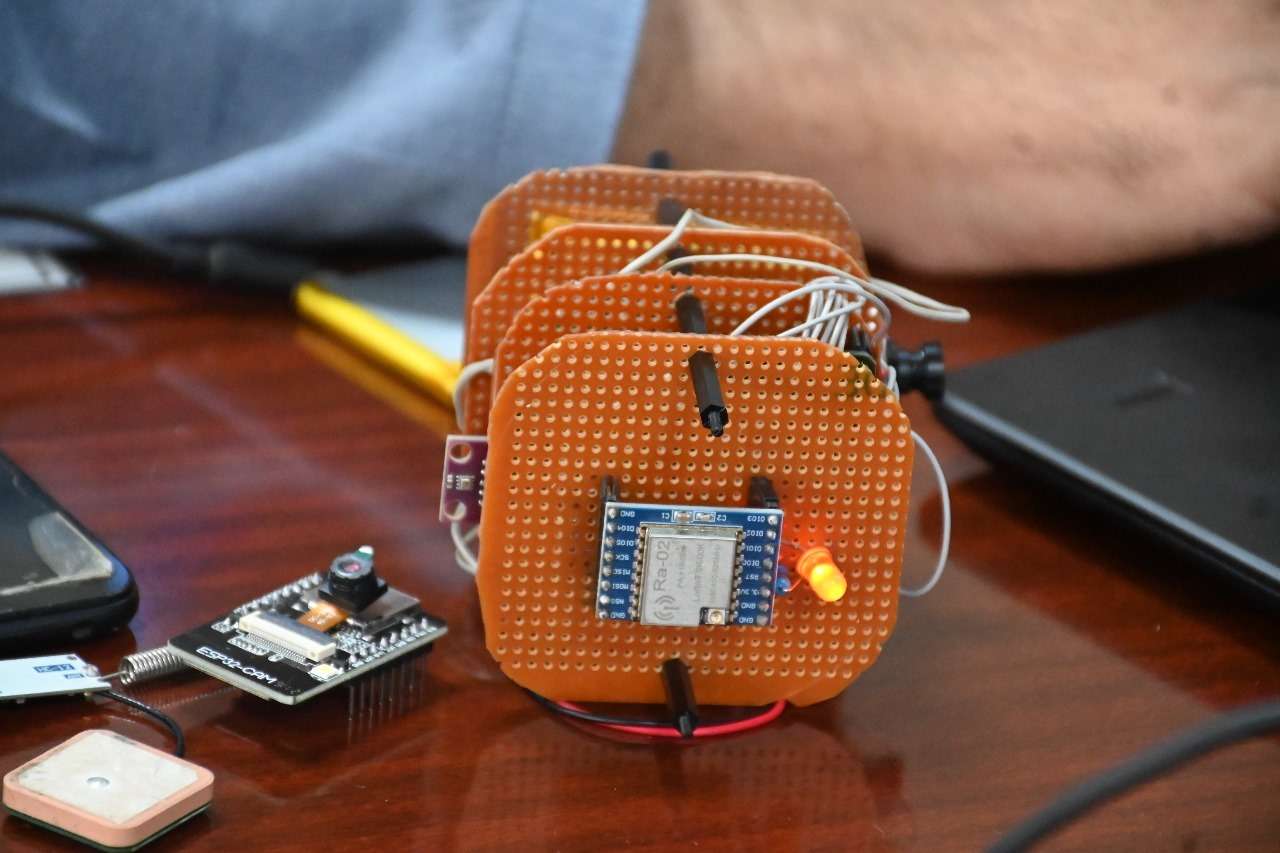
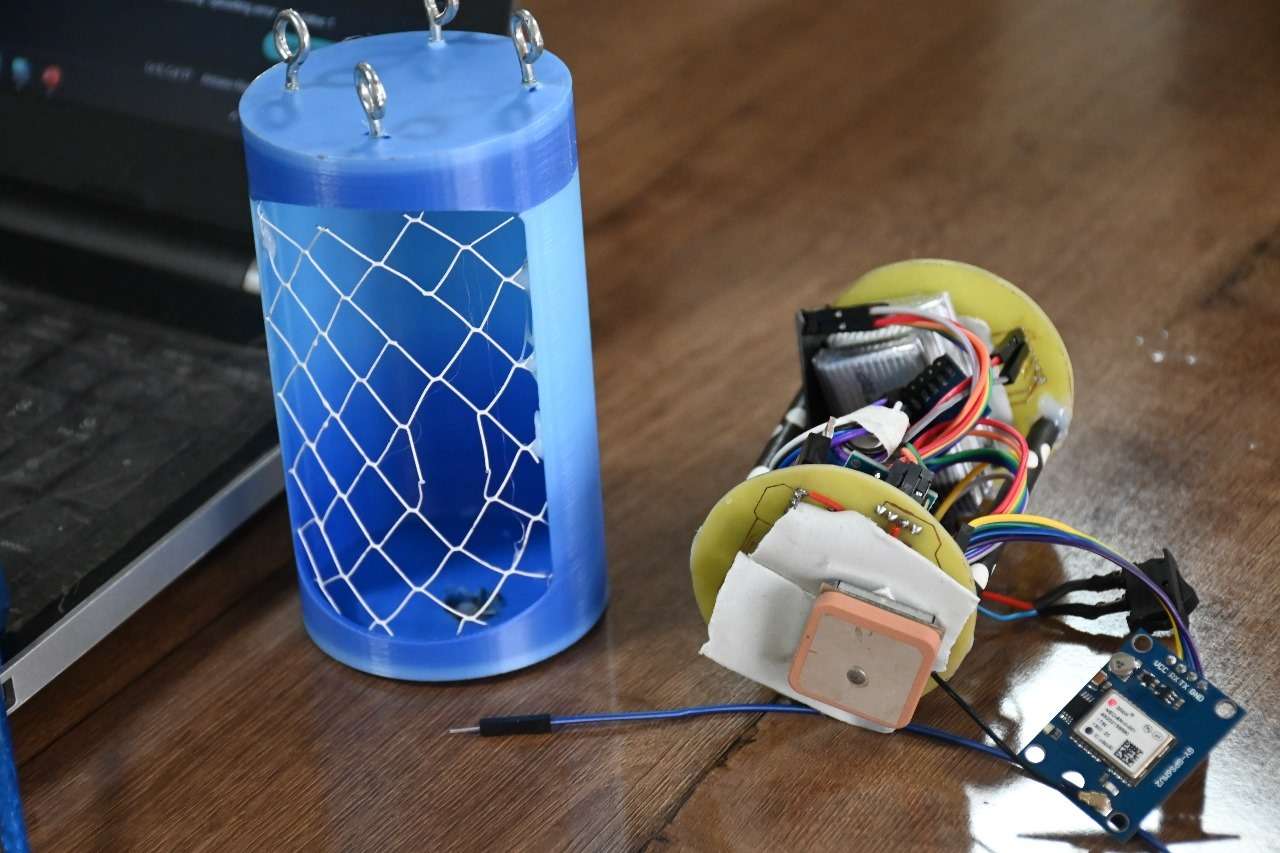
Explore Space Science & Technology 2025
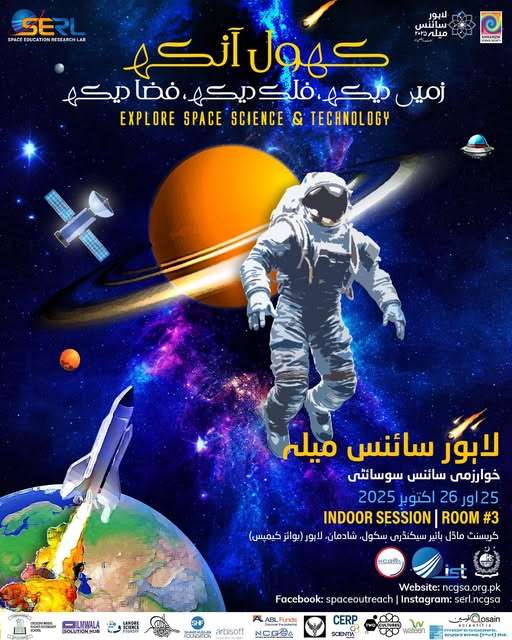
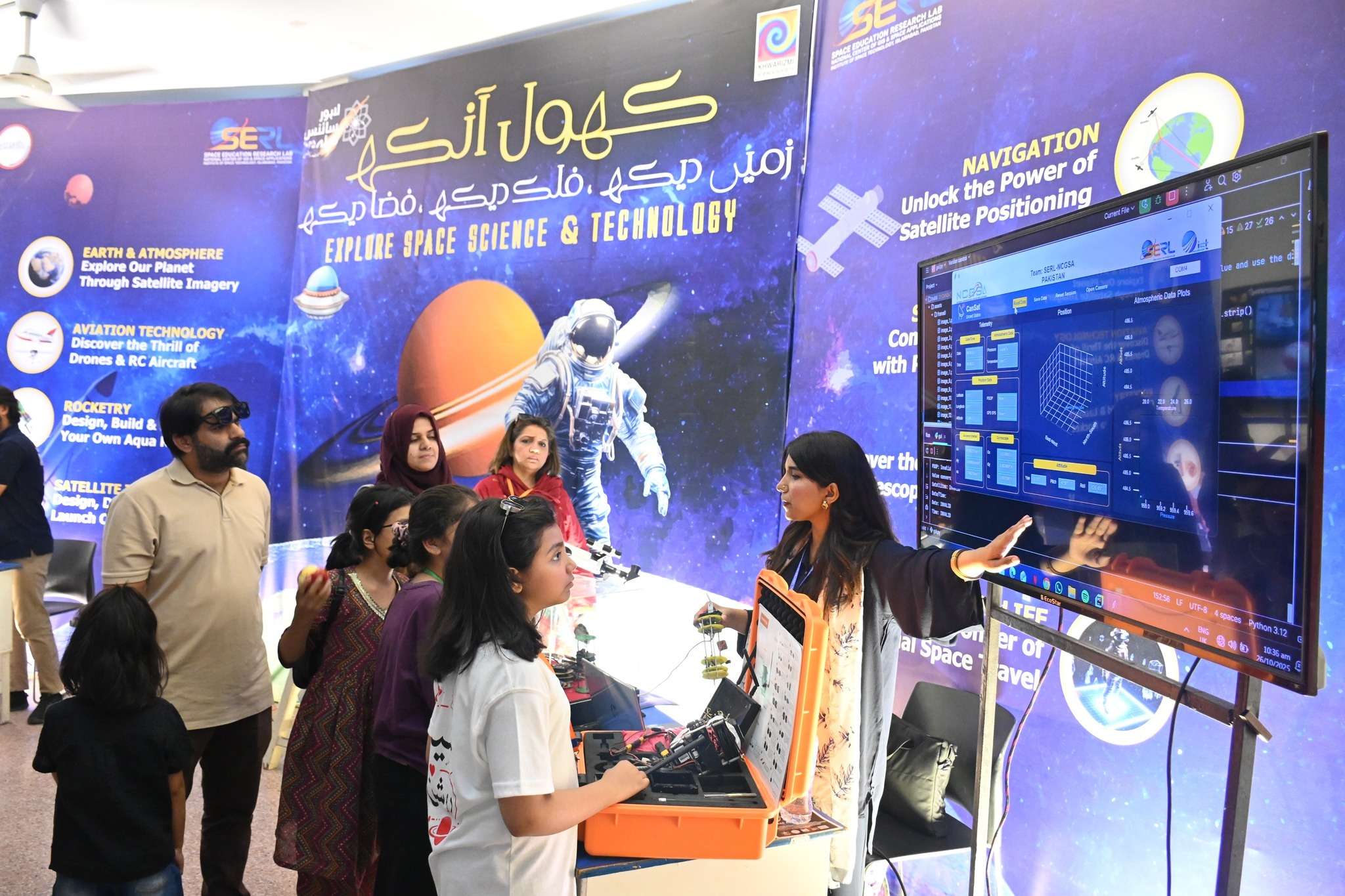
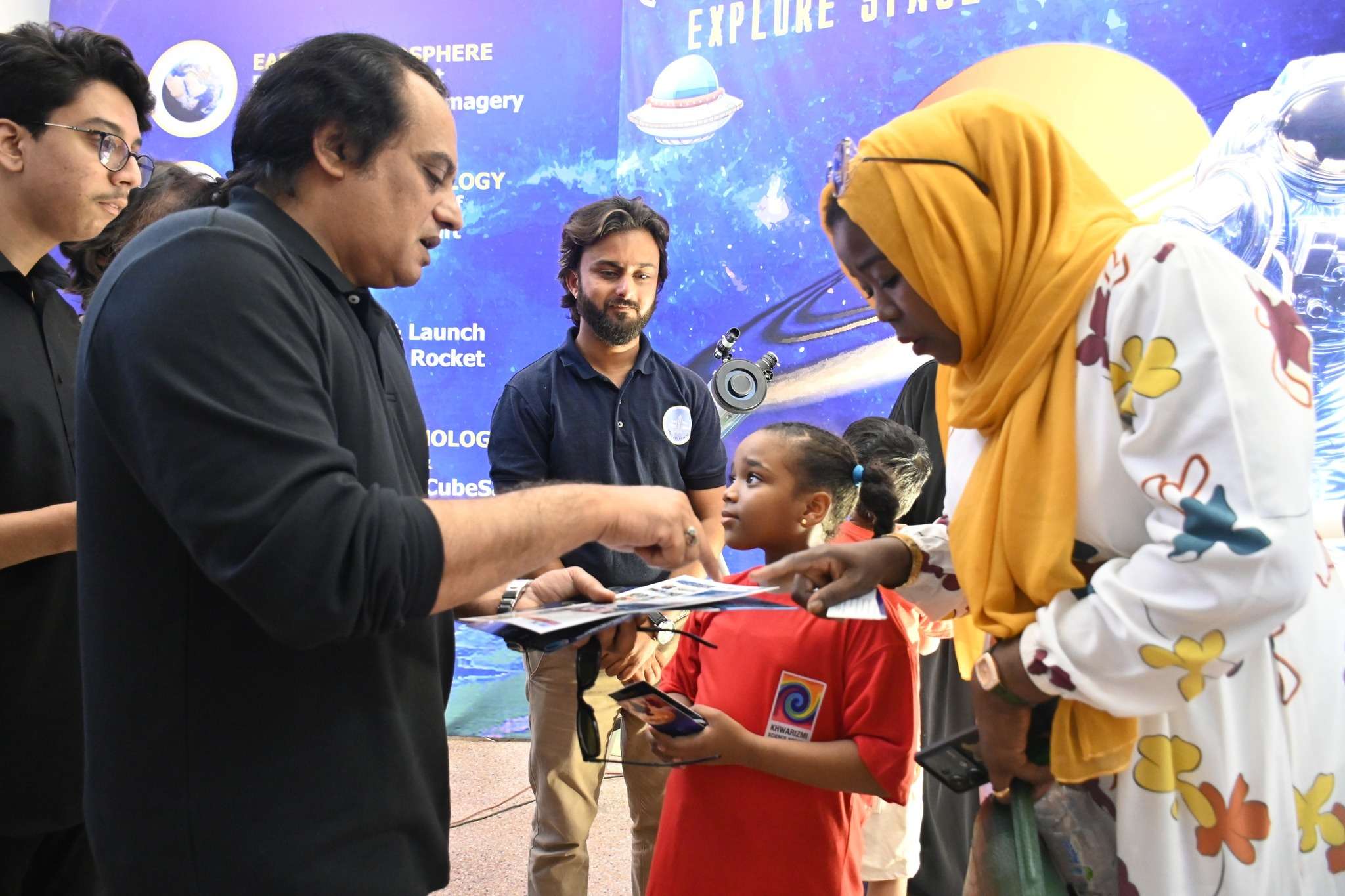
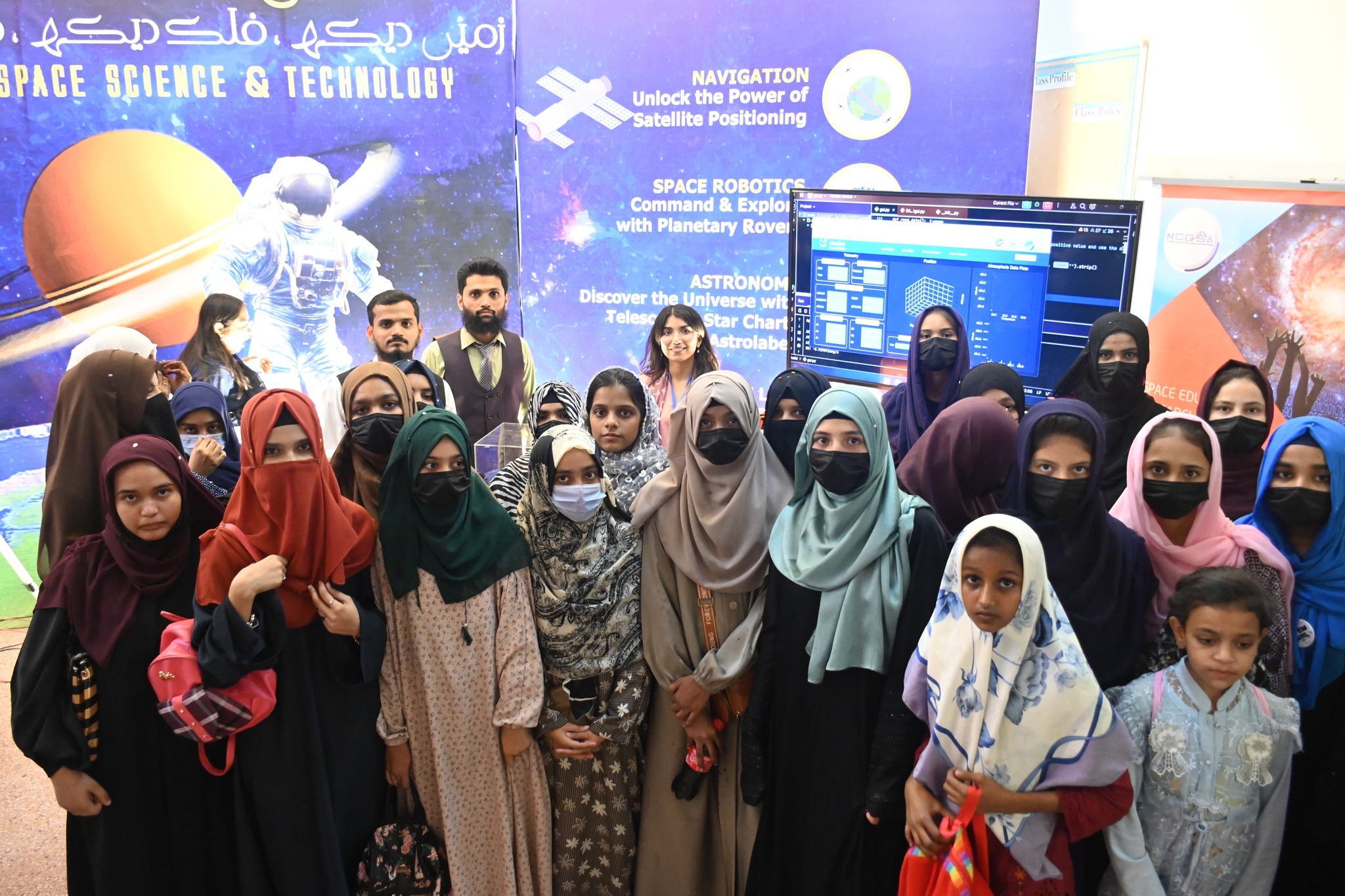
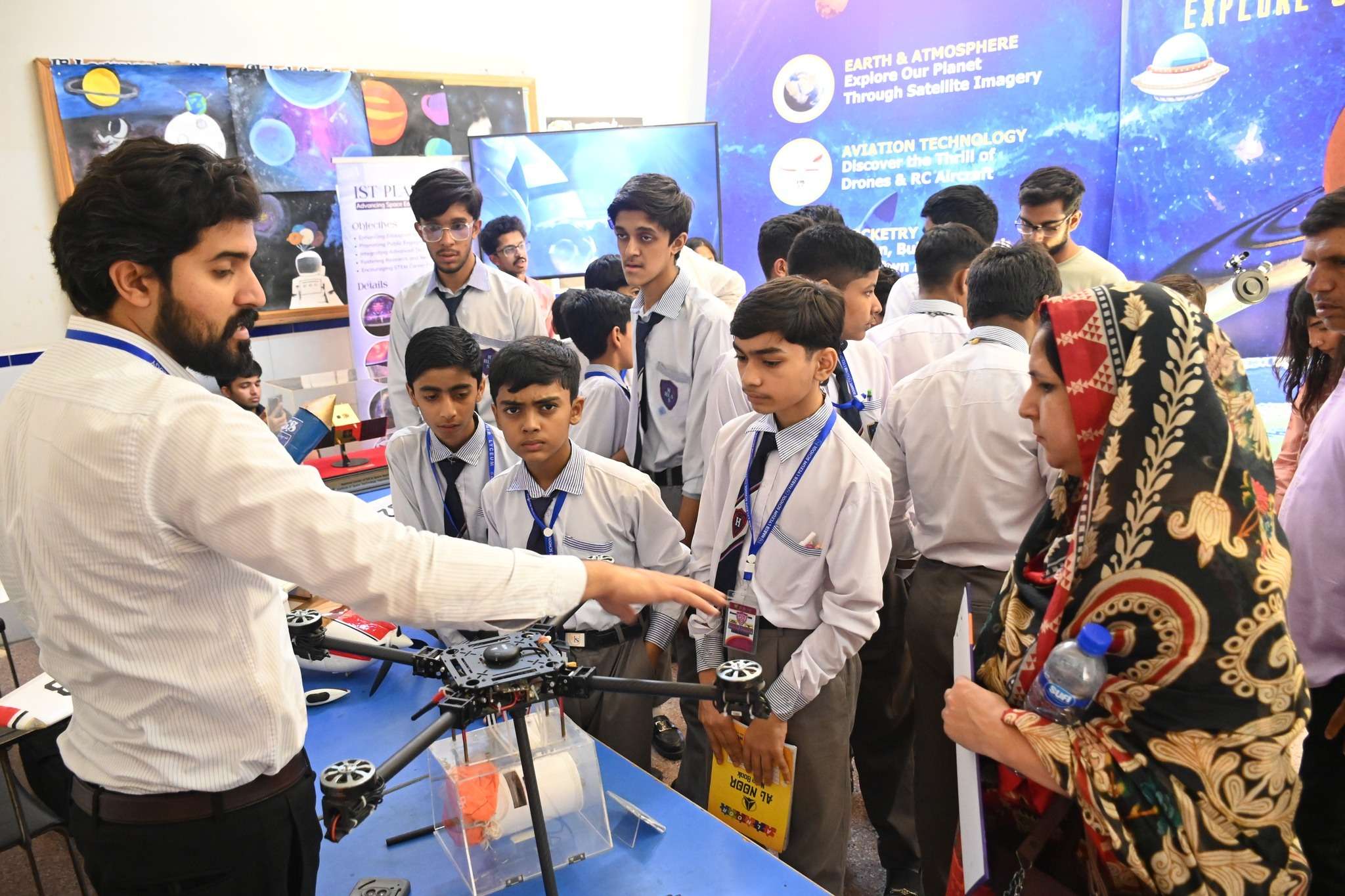
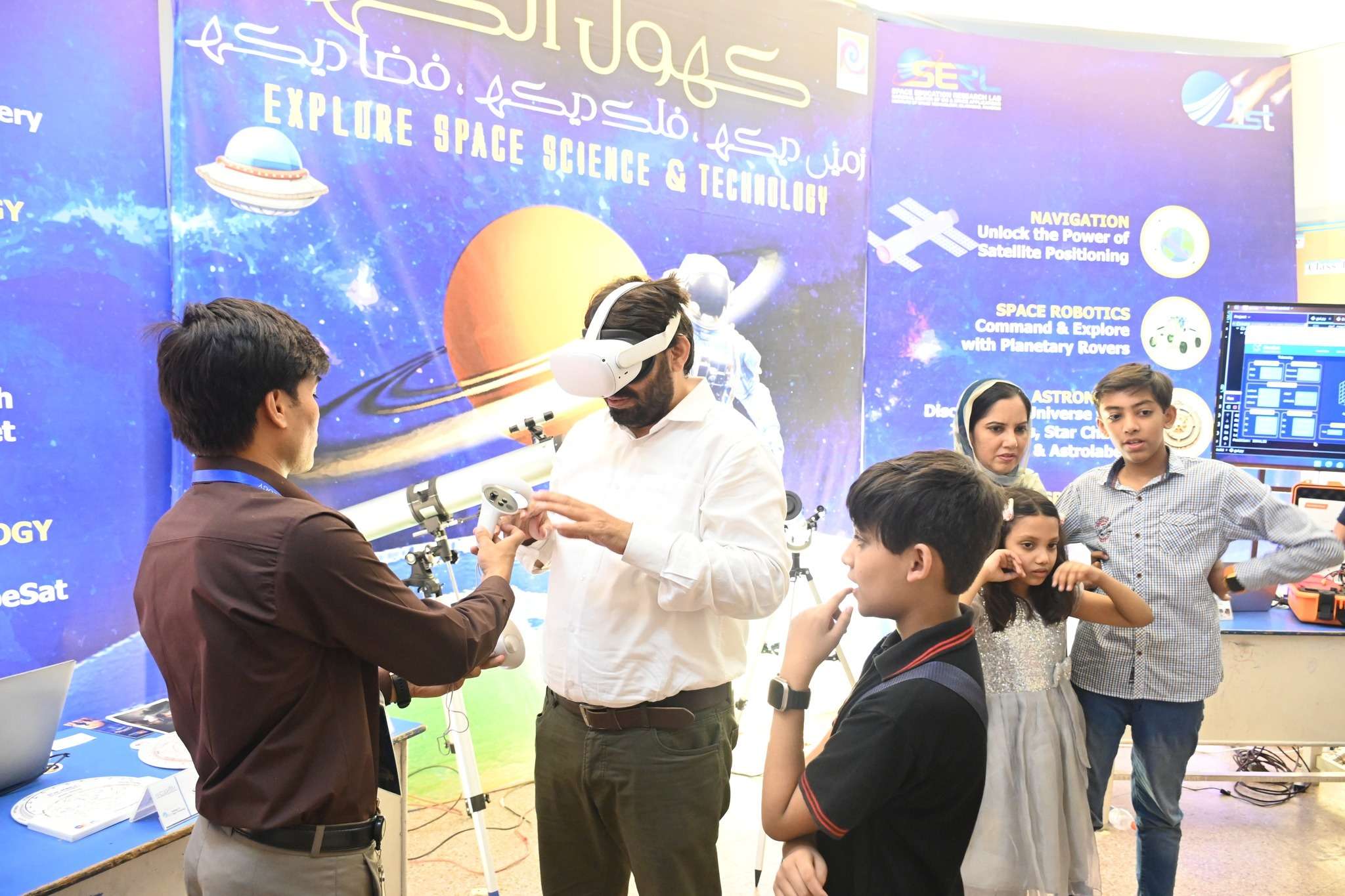
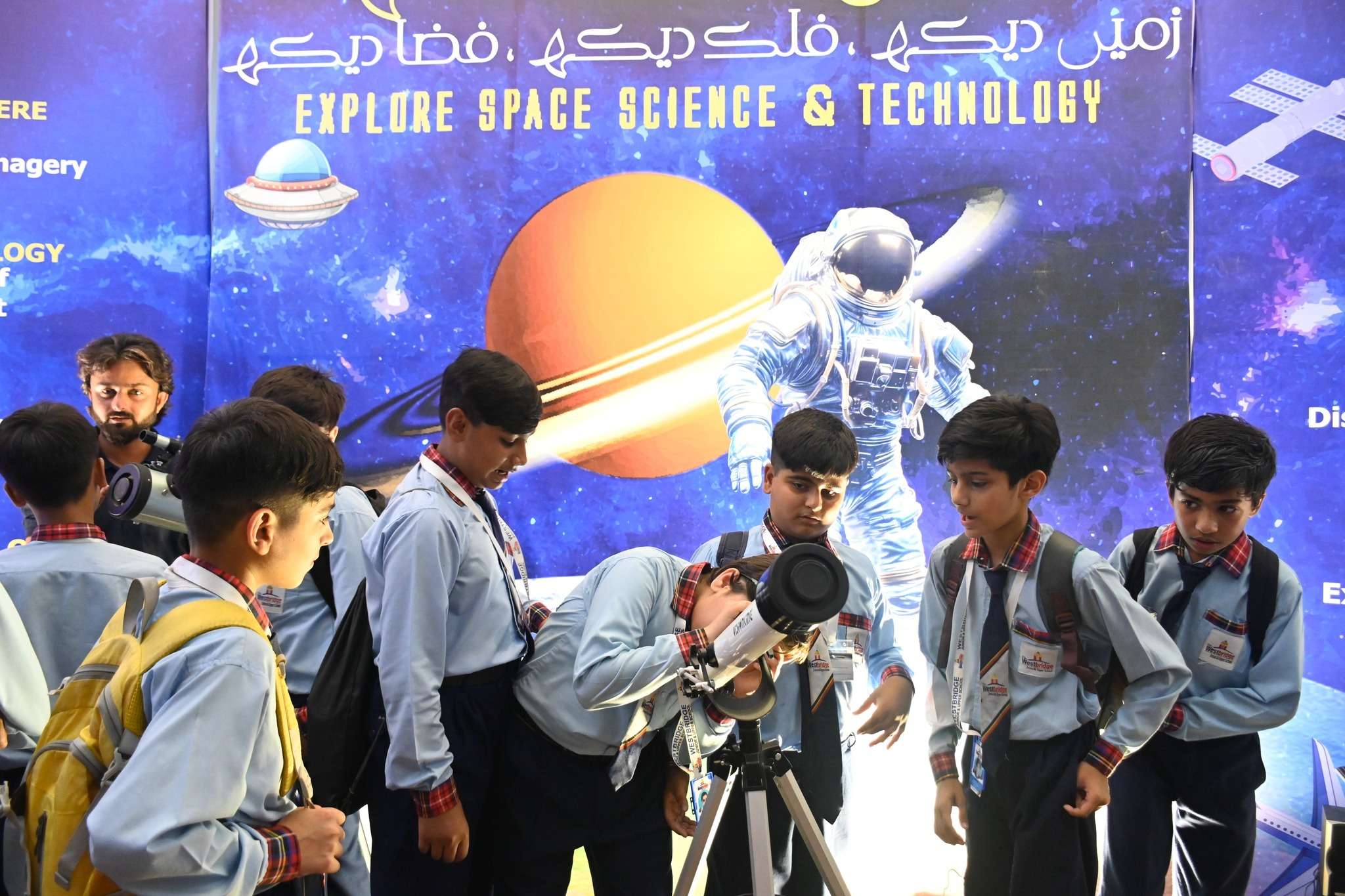
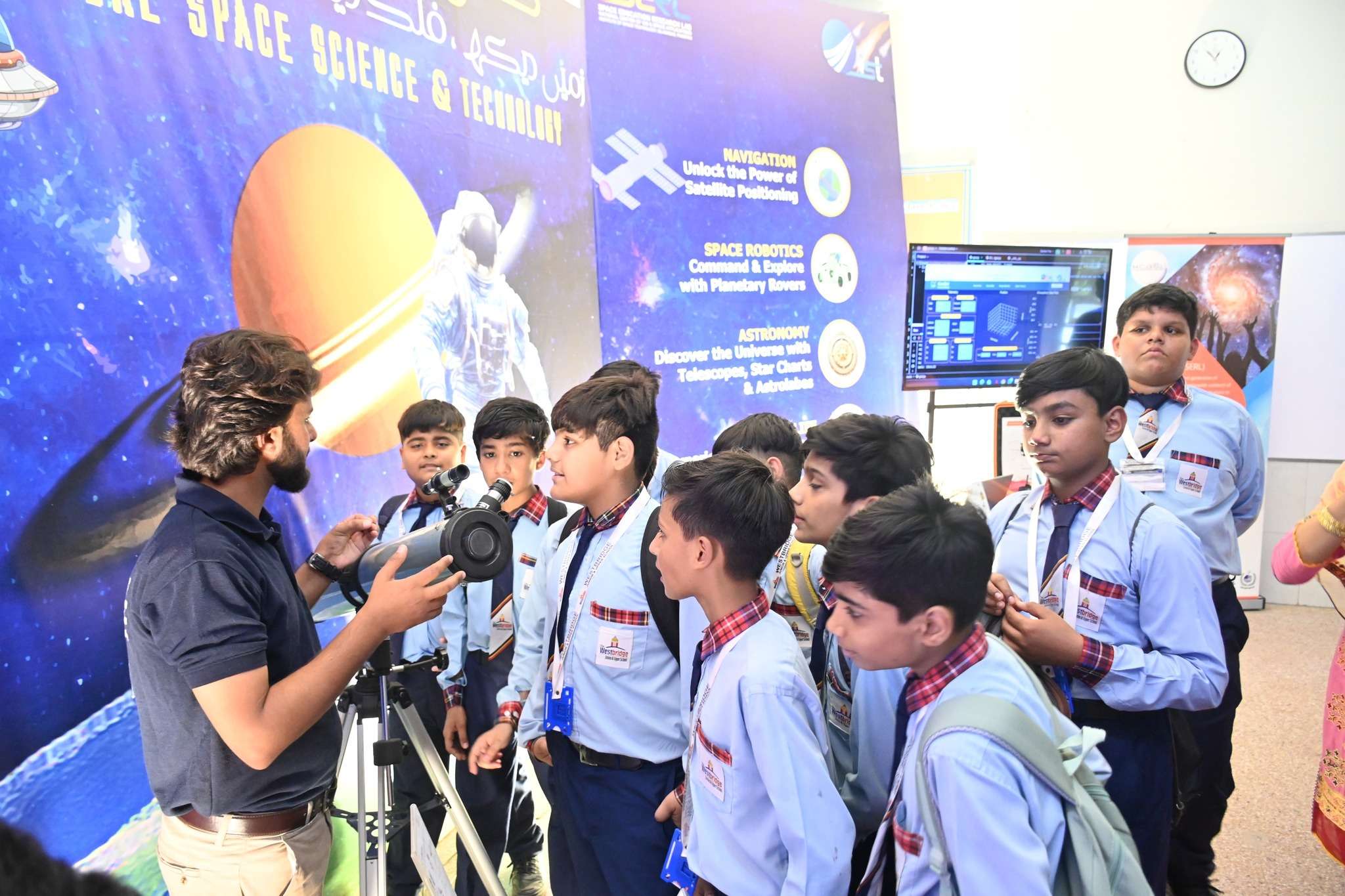
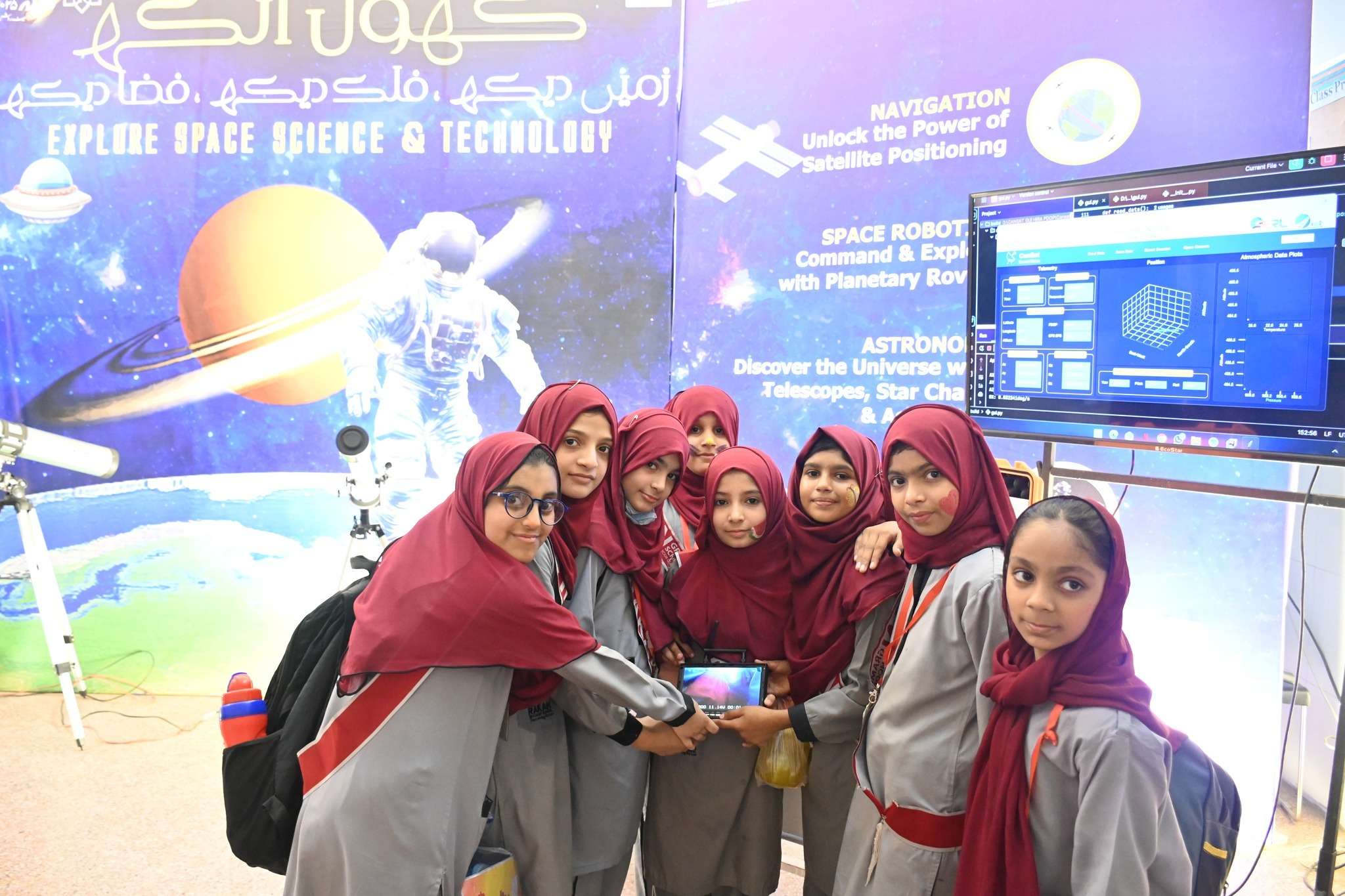
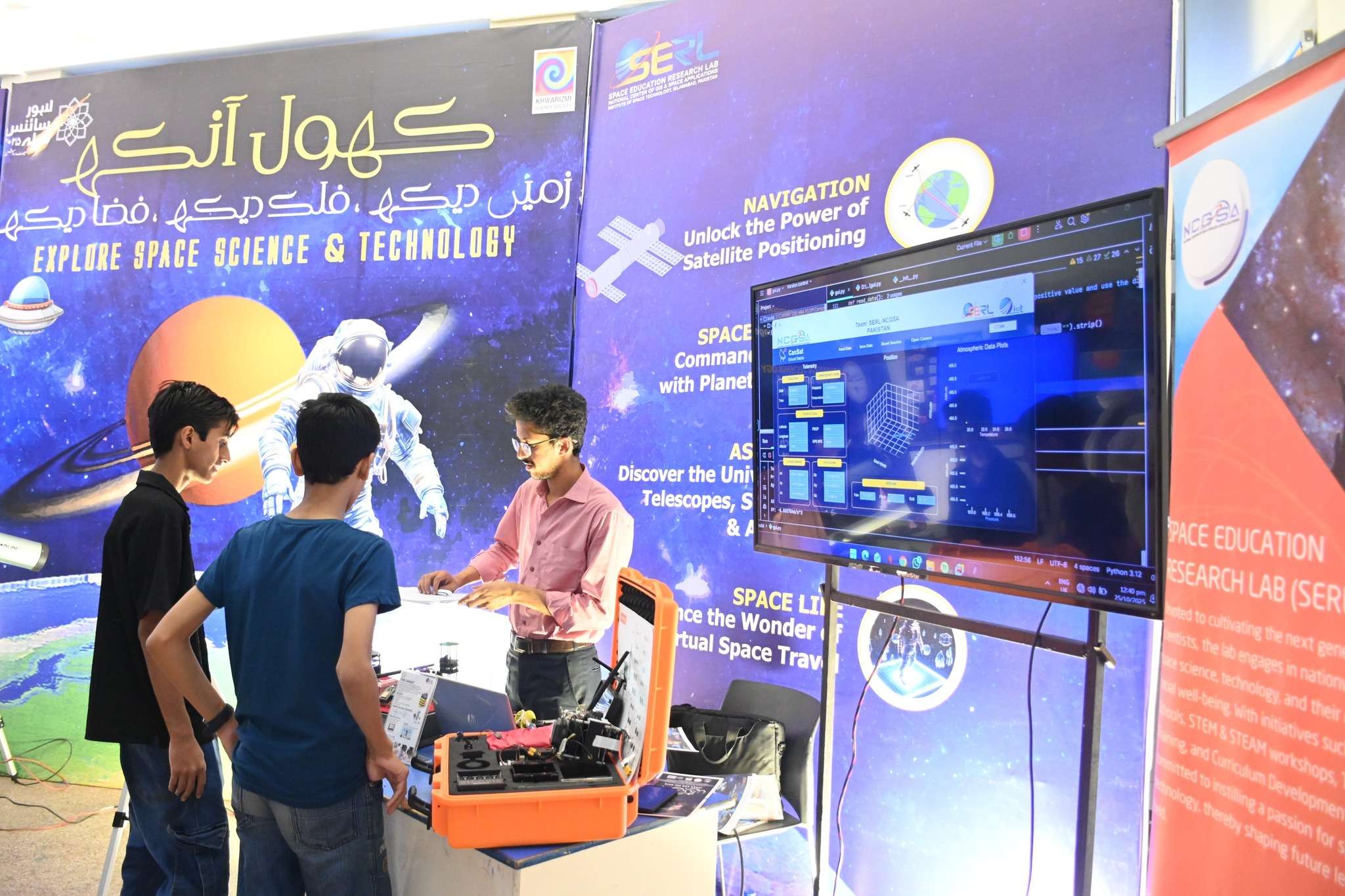
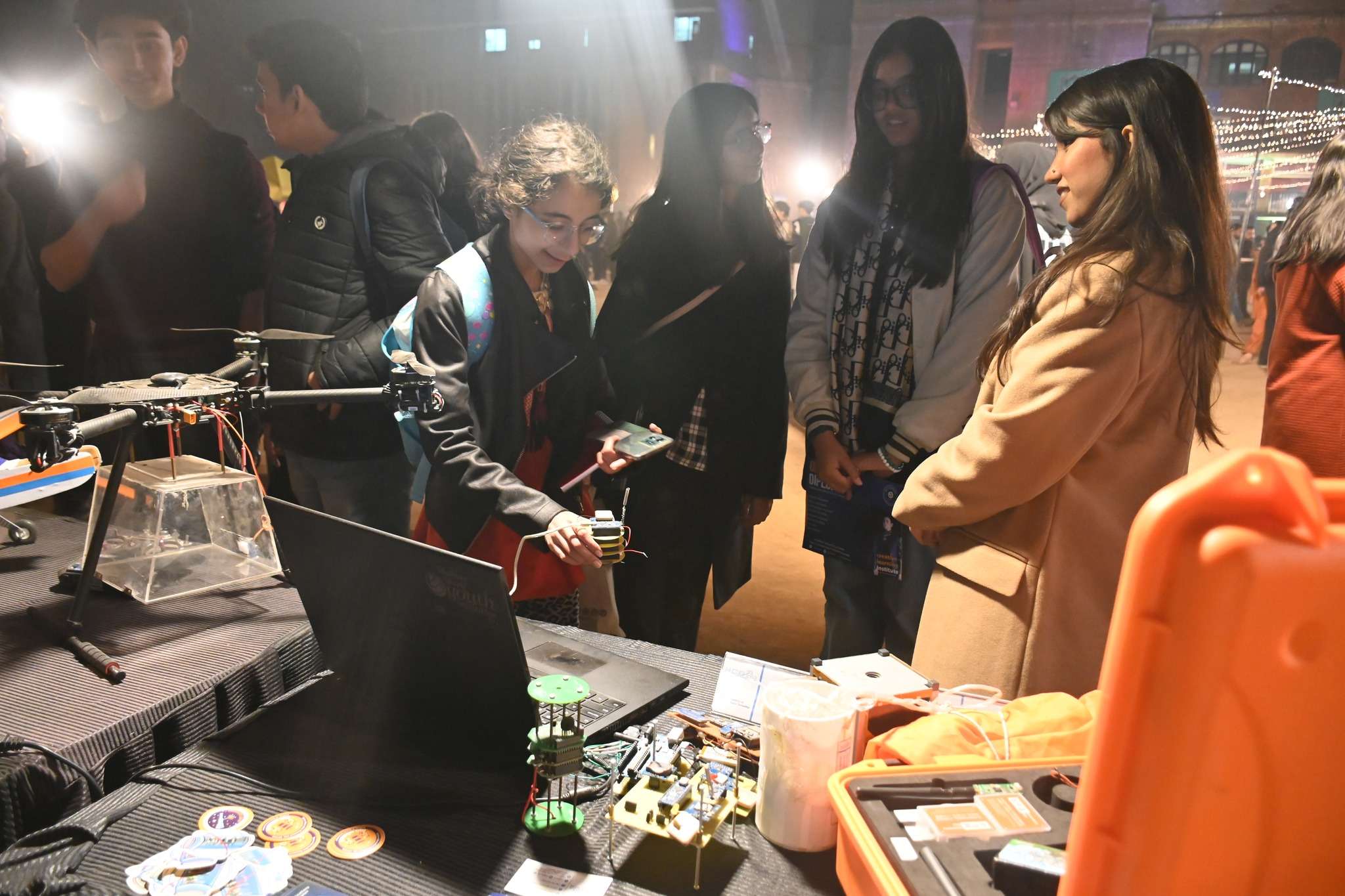
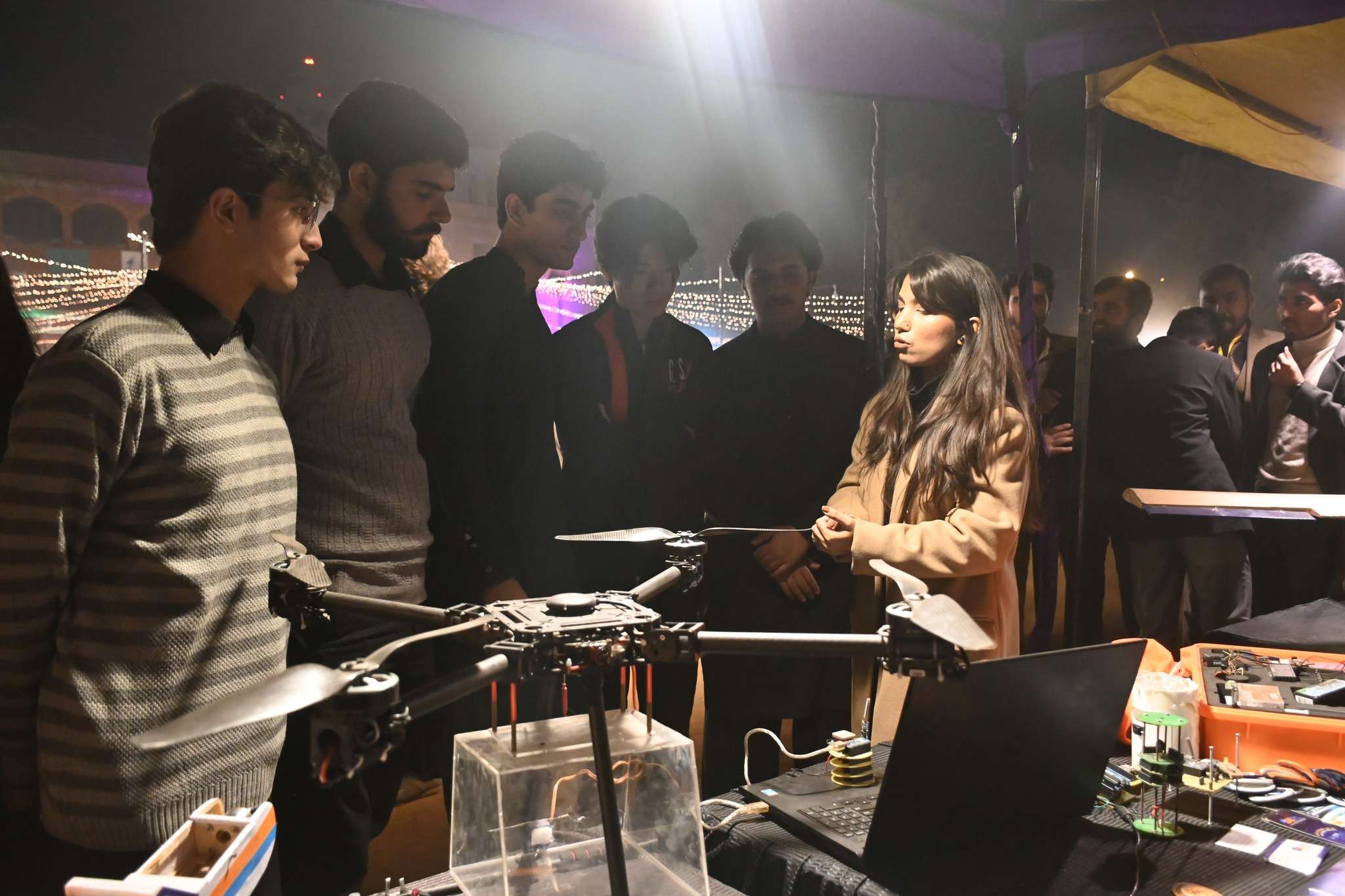
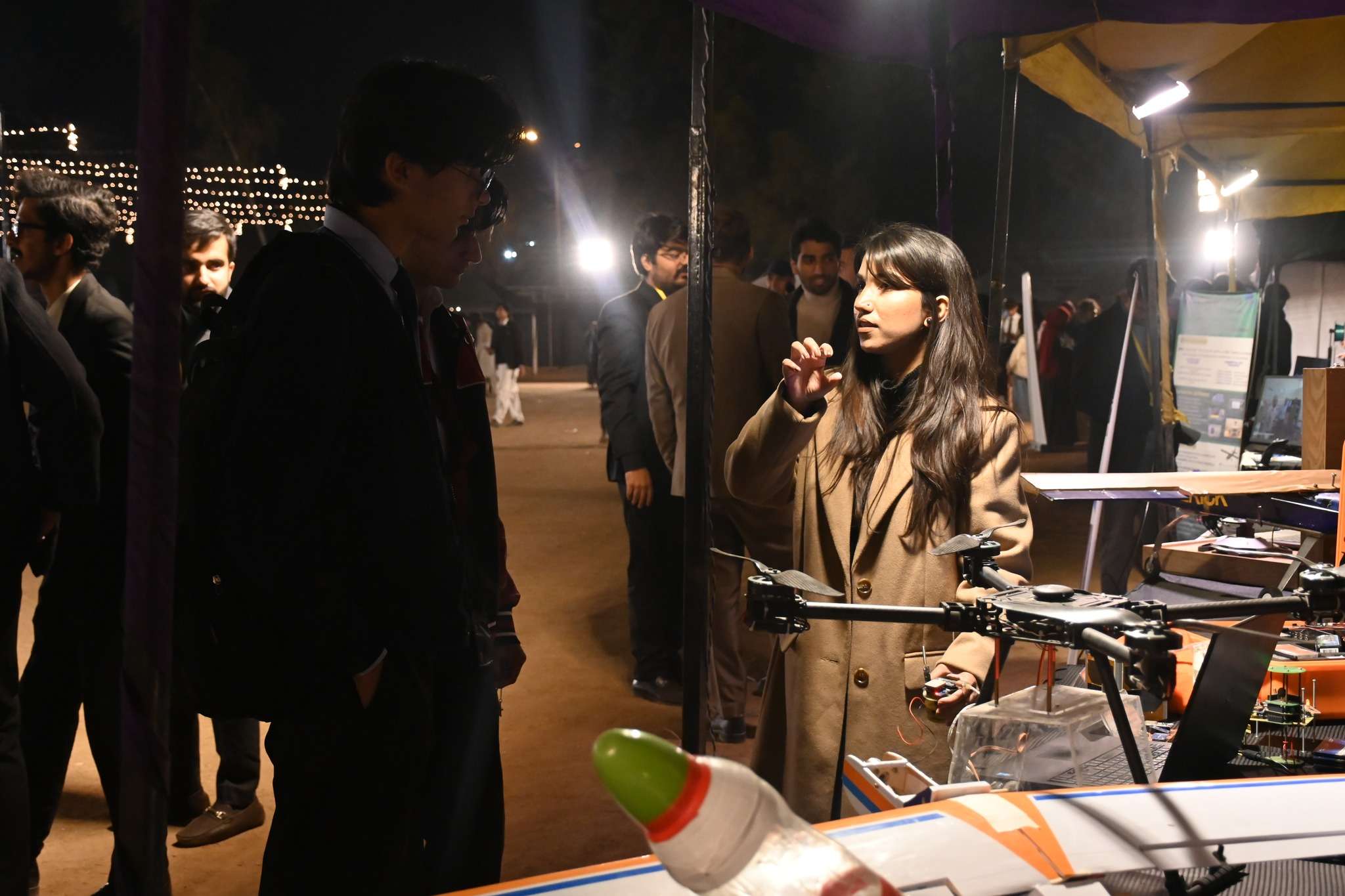
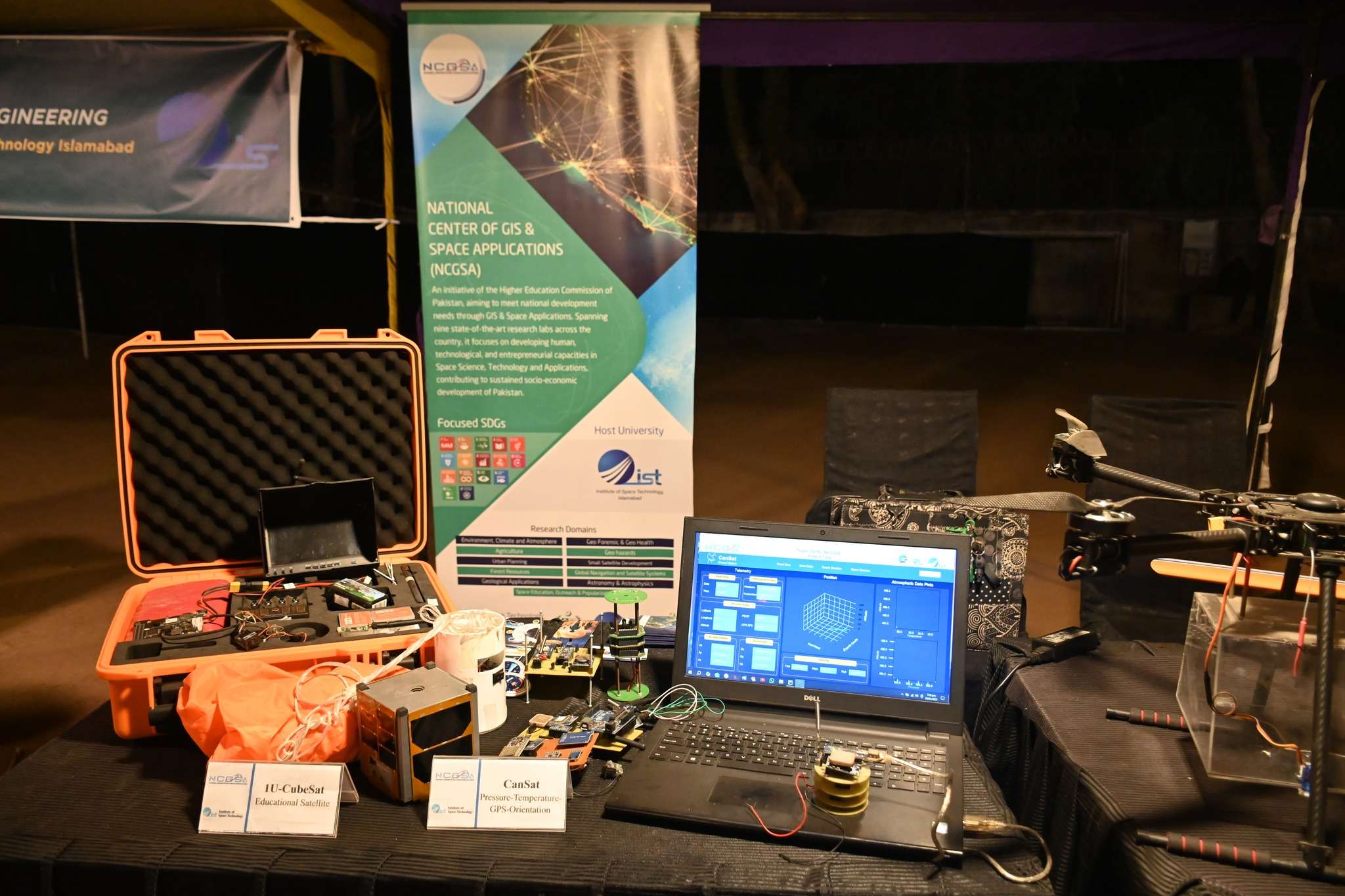
At the Lahore Science Mela 2025, organized by the Khwarizmi Science Society (خوارزمی سائنس سوسائٹی), a captivating exhibit titled “کھول آنکھ، زمیں دیکھ، فلک دیکھ، فضا دیکھ — Explore Space Science & Technology” drew thousands of enthusiastic visitors. The exhibit featured live demonstrations, interactive displays, and hands-on activities that brought the wonders of space science and technology to life.
 Earth & Environment: Understanding our planet through satellite imagery
 Aviation Technology: Experiencing the thrill of drones and RC aircraft
 Rocketry: Designing, building, and launching aqua rockets
 Satellite Technology: Learning to develop and launch CanSats and CubeSats
 Navigation: Discovering the power of satellite positioning
 Space Robotics: Controlling planetary rovers and robotic systems
 Astronomy: Observing the cosmos with telescopes, star charts, and astrolabes
 Space Life: Experiencing the marvels of virtual space travel
Designed to engage students, educators, families, and space enthusiasts alike, the exhibit provided an immersive experience that blended education with excitement. By transforming complex space concepts into interactive learning opportunities, it inspired curiosity, creativity, and a deep sense of wonder — making science truly accessible and inspiring for all who attended.
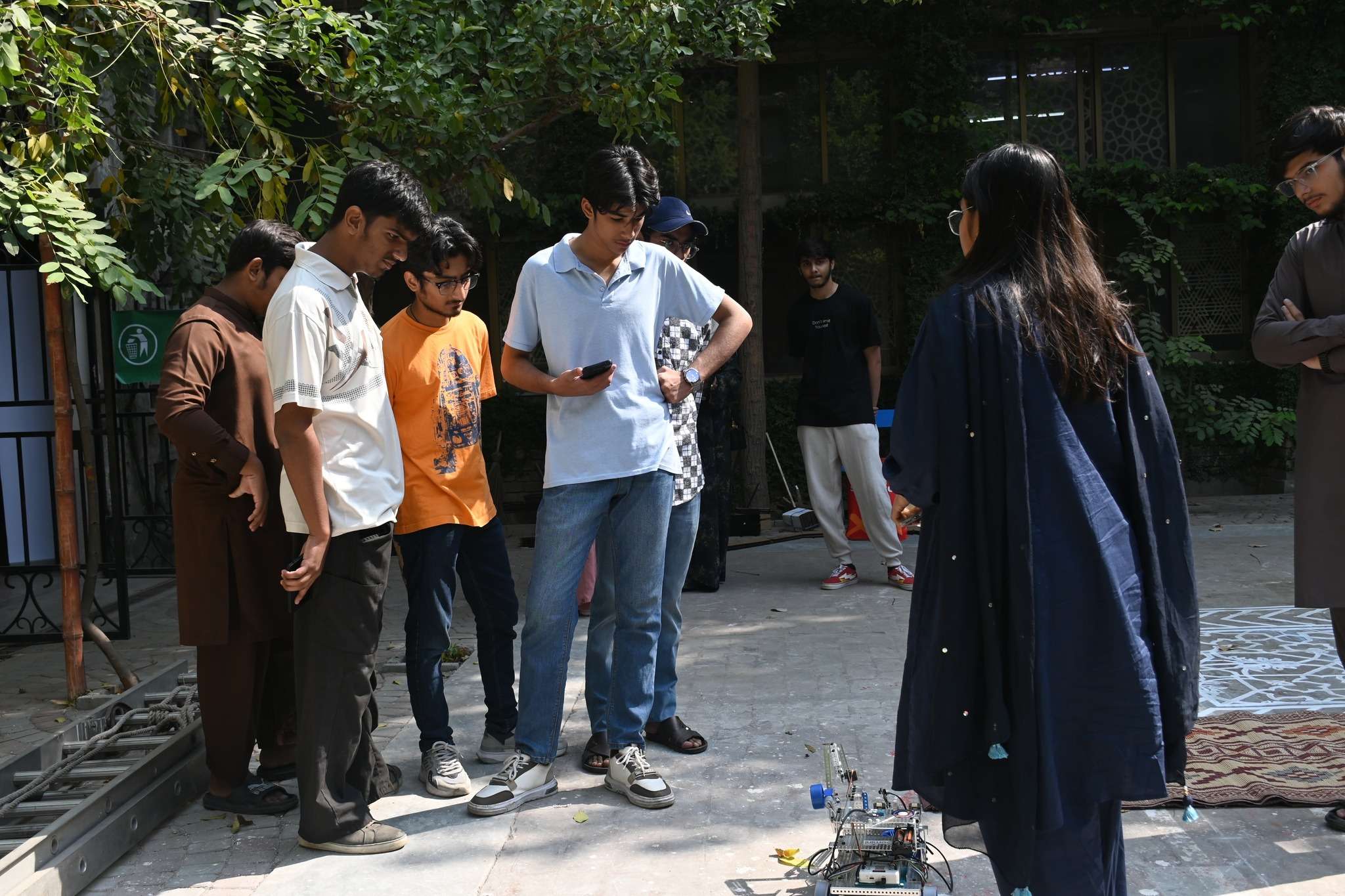
Inspiring Minds through Space Education 2025
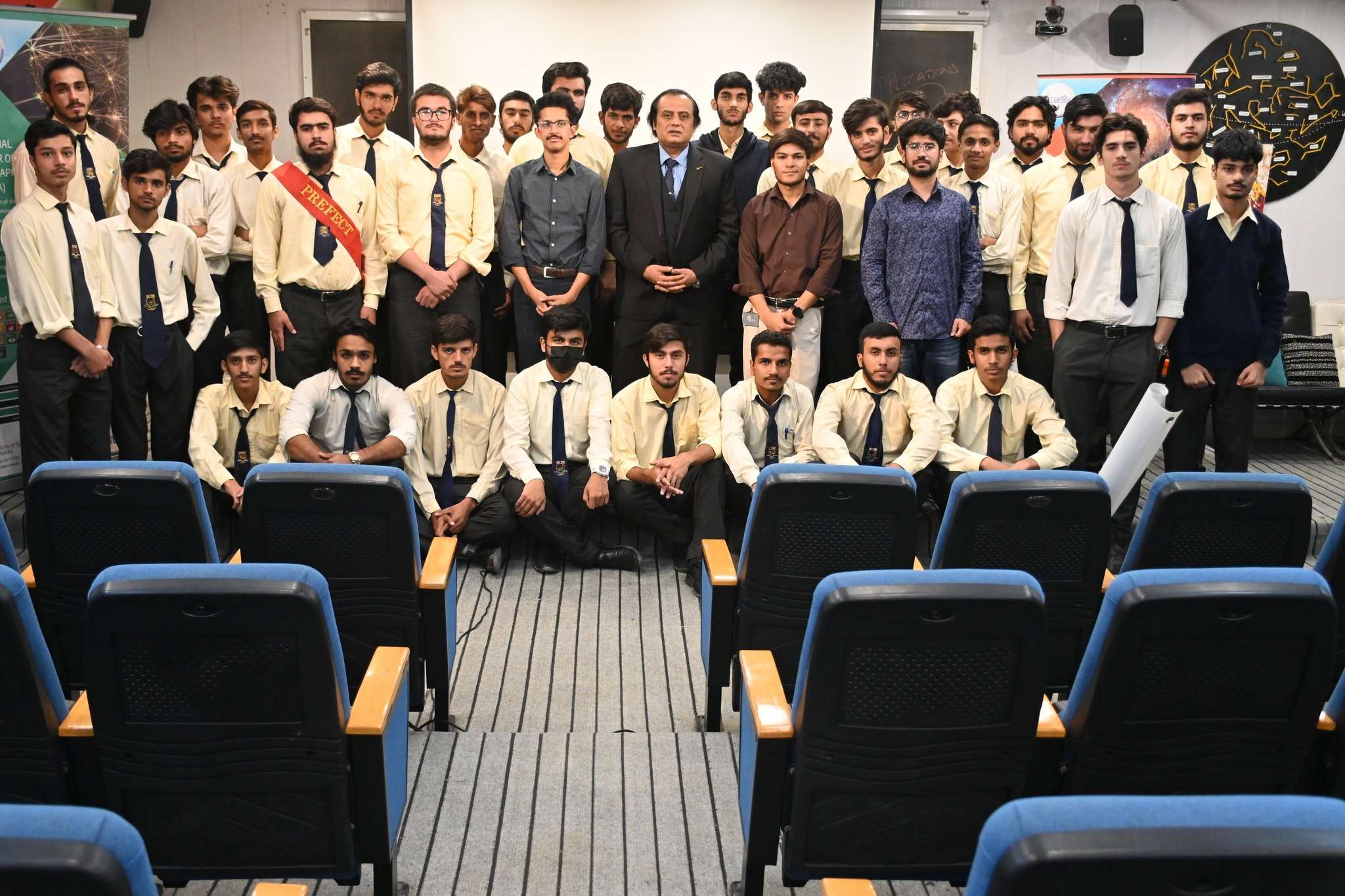
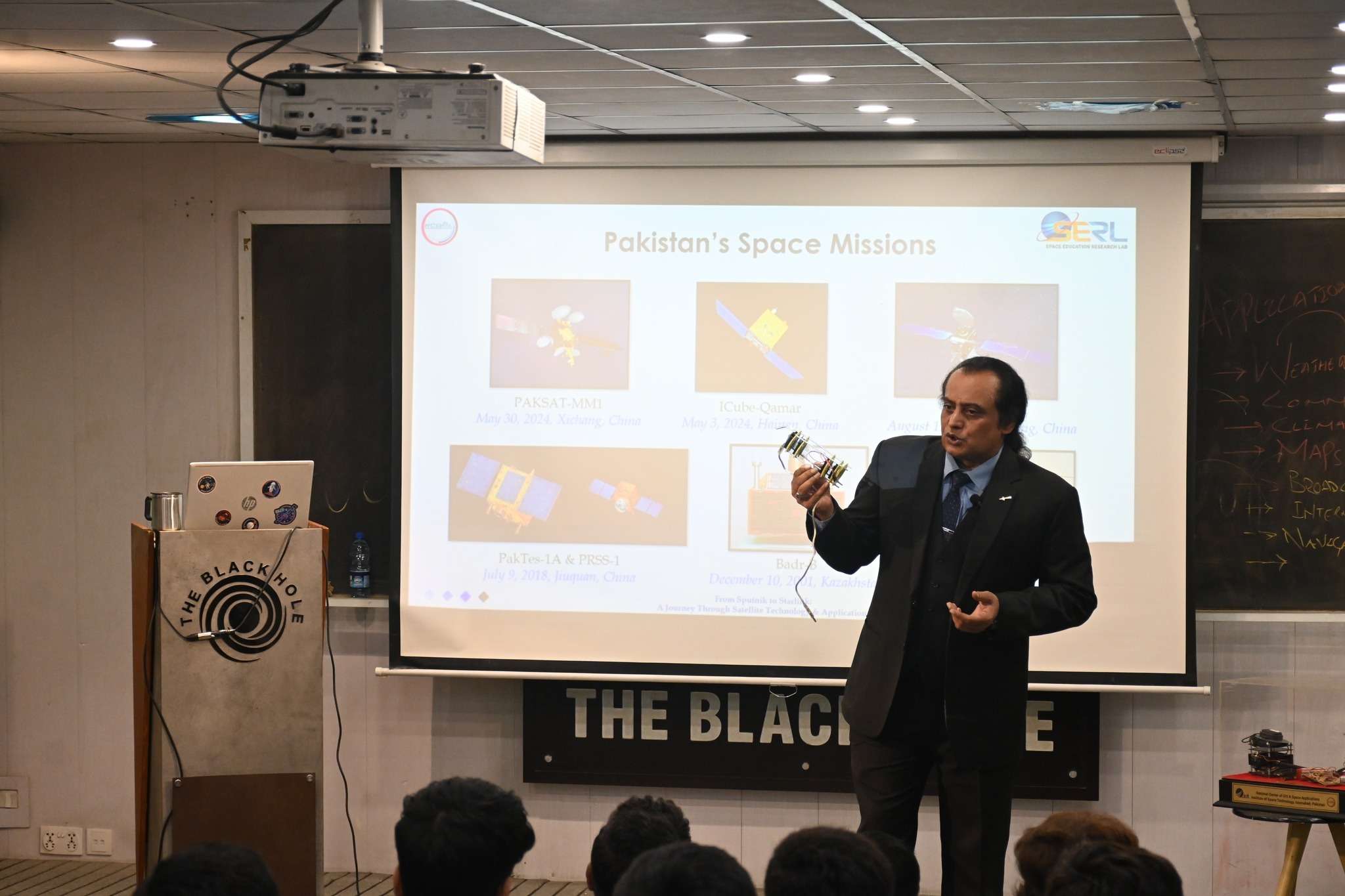
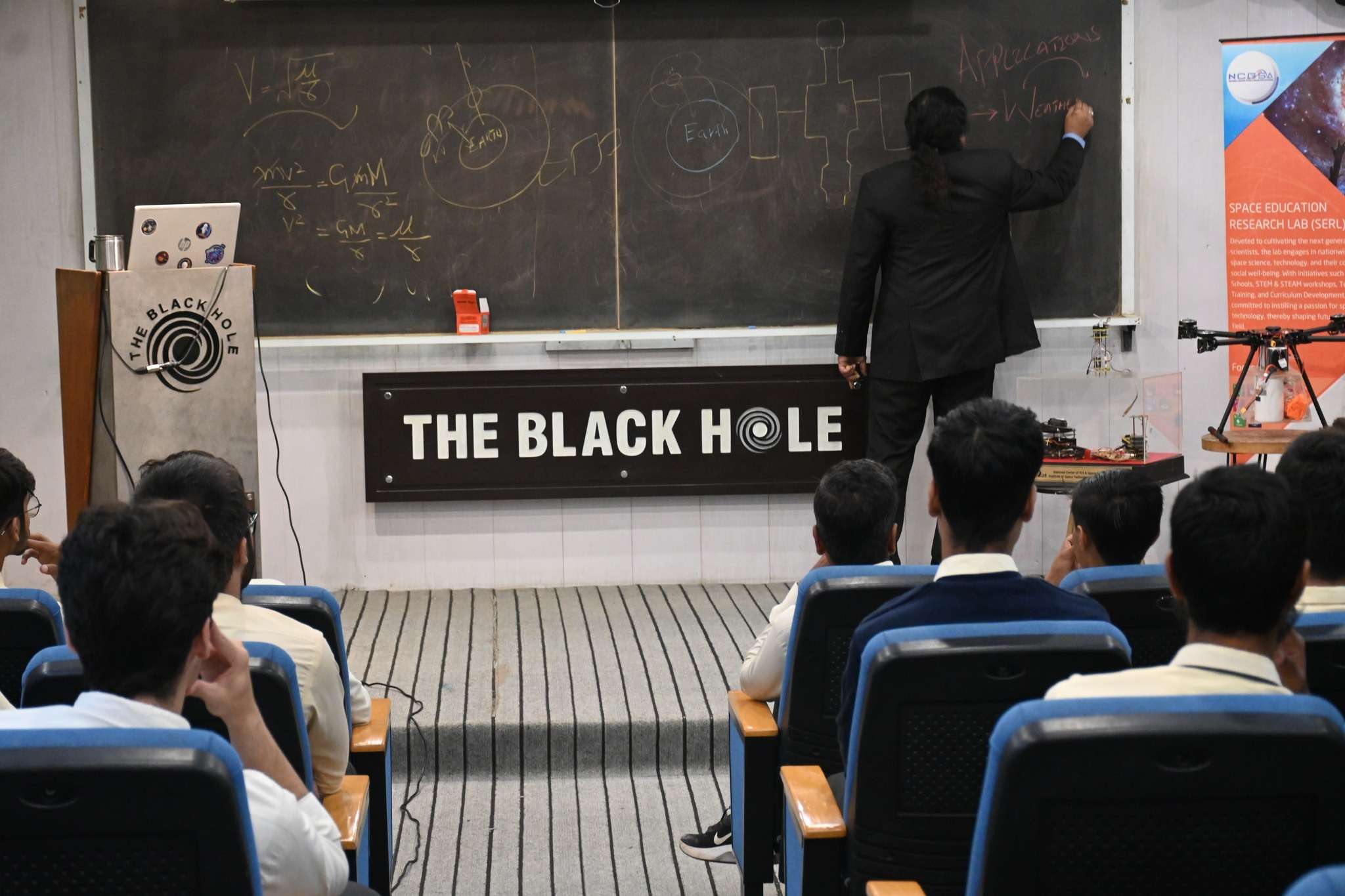
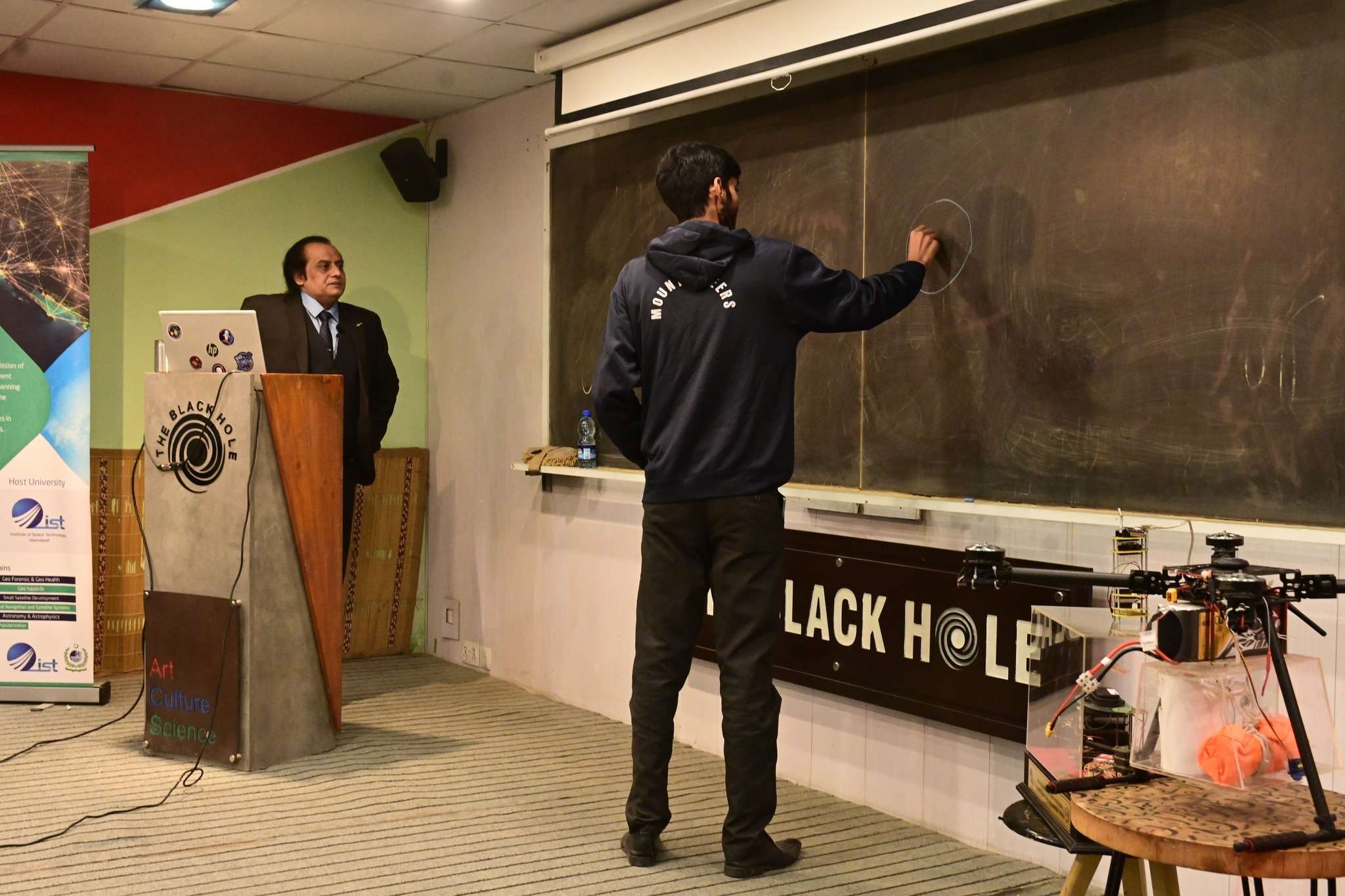
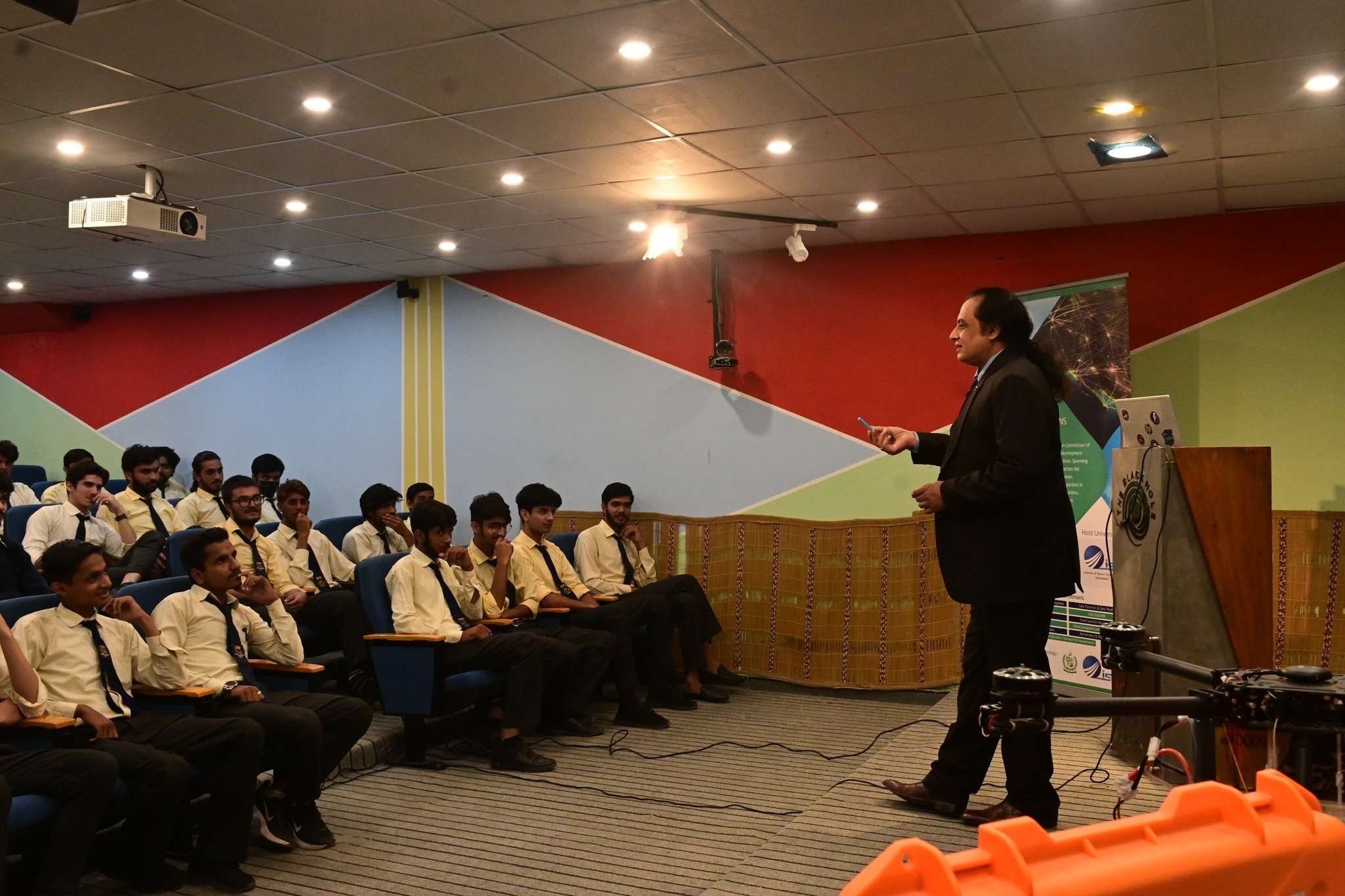
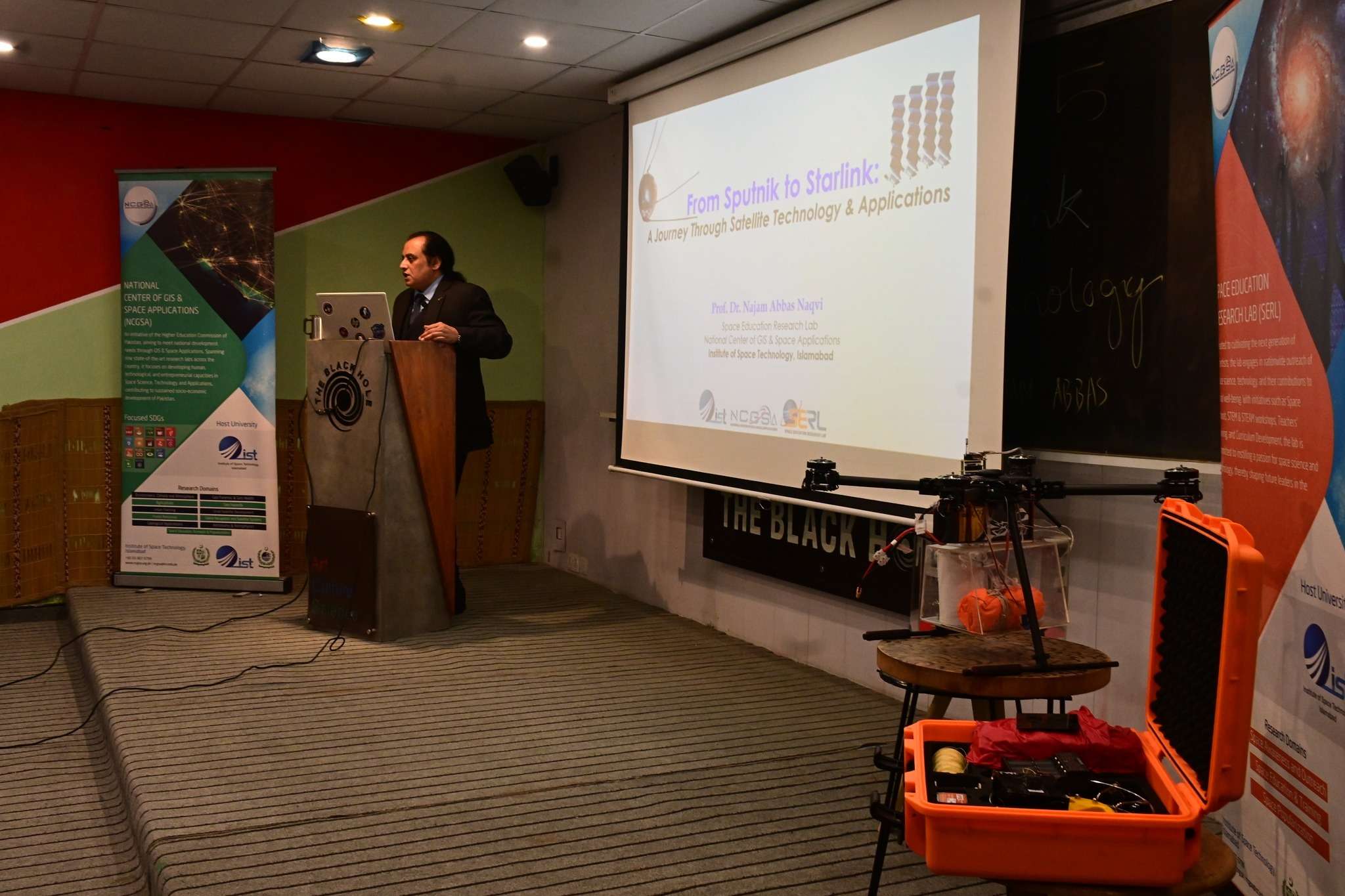
An enlightening keynote session was held at The Black Hole, Islamabad, where Prof. Dr. Najam Abbas, Chairman of the National Center of GIS and Space Applications, delivered a captivating talk titled “From Sputnik to Starlink: A Journey Through Satellite Technology & Applications.”
Dr. Najam took the audience on a remarkable voyage through the evolution of satellite technology — from Sputnik, the first artificial satellite, to Starlink, a transformative network redefining global connectivity. The session also highlighted the design and development of student satellites and nano-satellites, such as CanSat and CubeSat.
The talk drew an enthusiastic crowd of college students, exploring how satellites have revolutionized earth observation, communication, navigation, and space research. This inspiring session not only deepened participants’ understanding of modern satellite advancements but also ignited their curiosity to shape the future of space science and technology.
ICESCO Aerospace Symposium & CanSat Training Workshop 2025
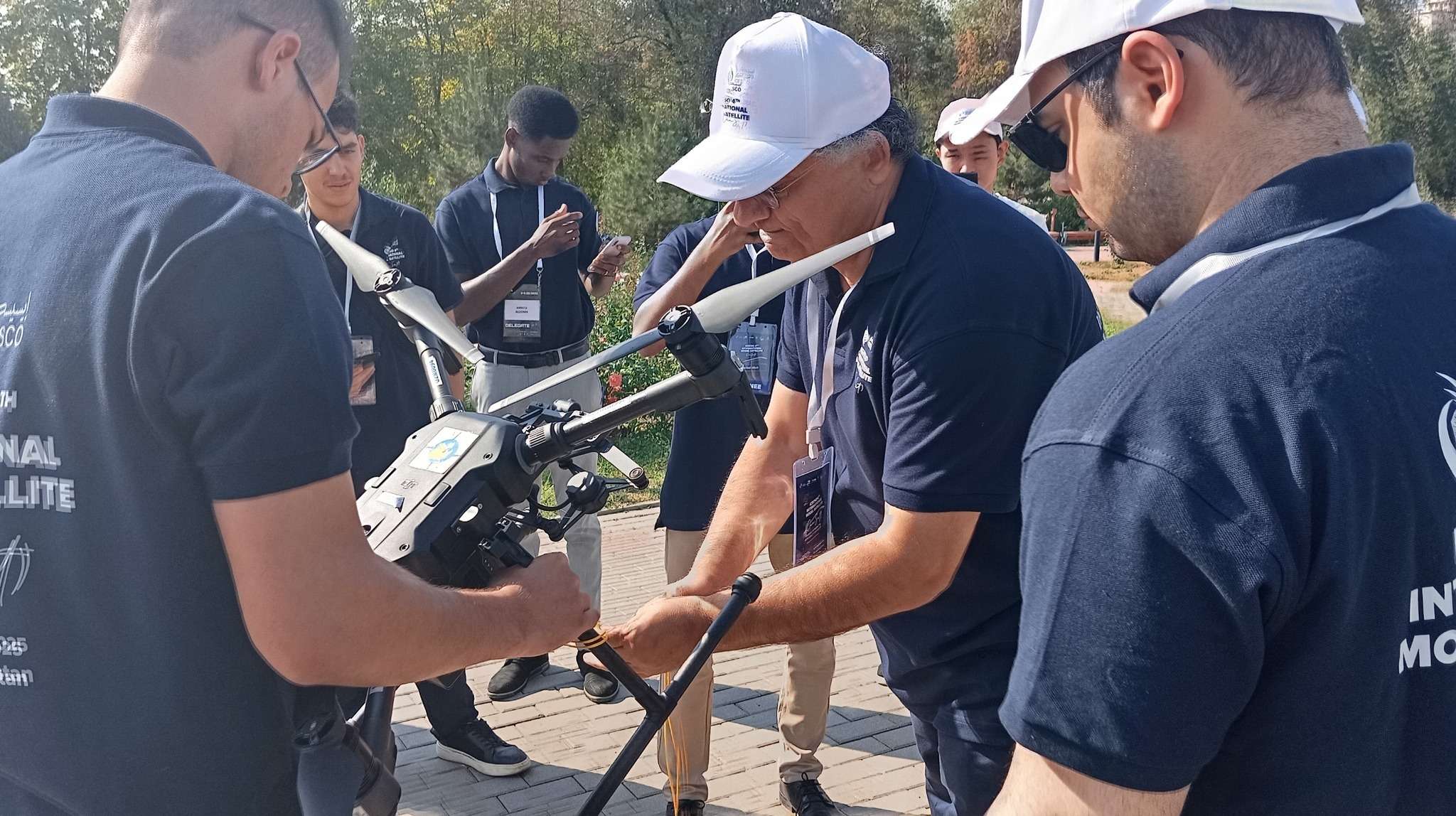
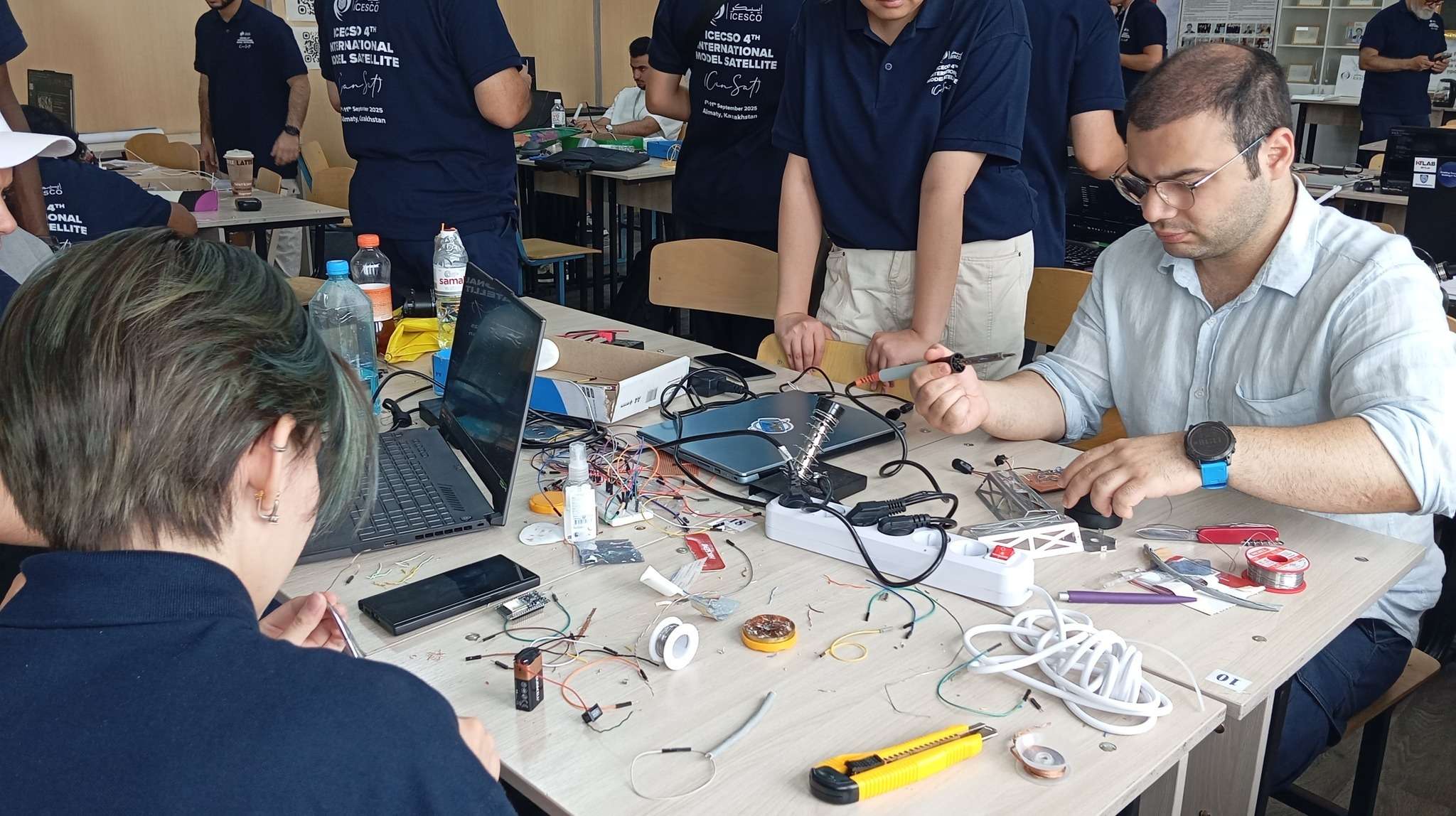
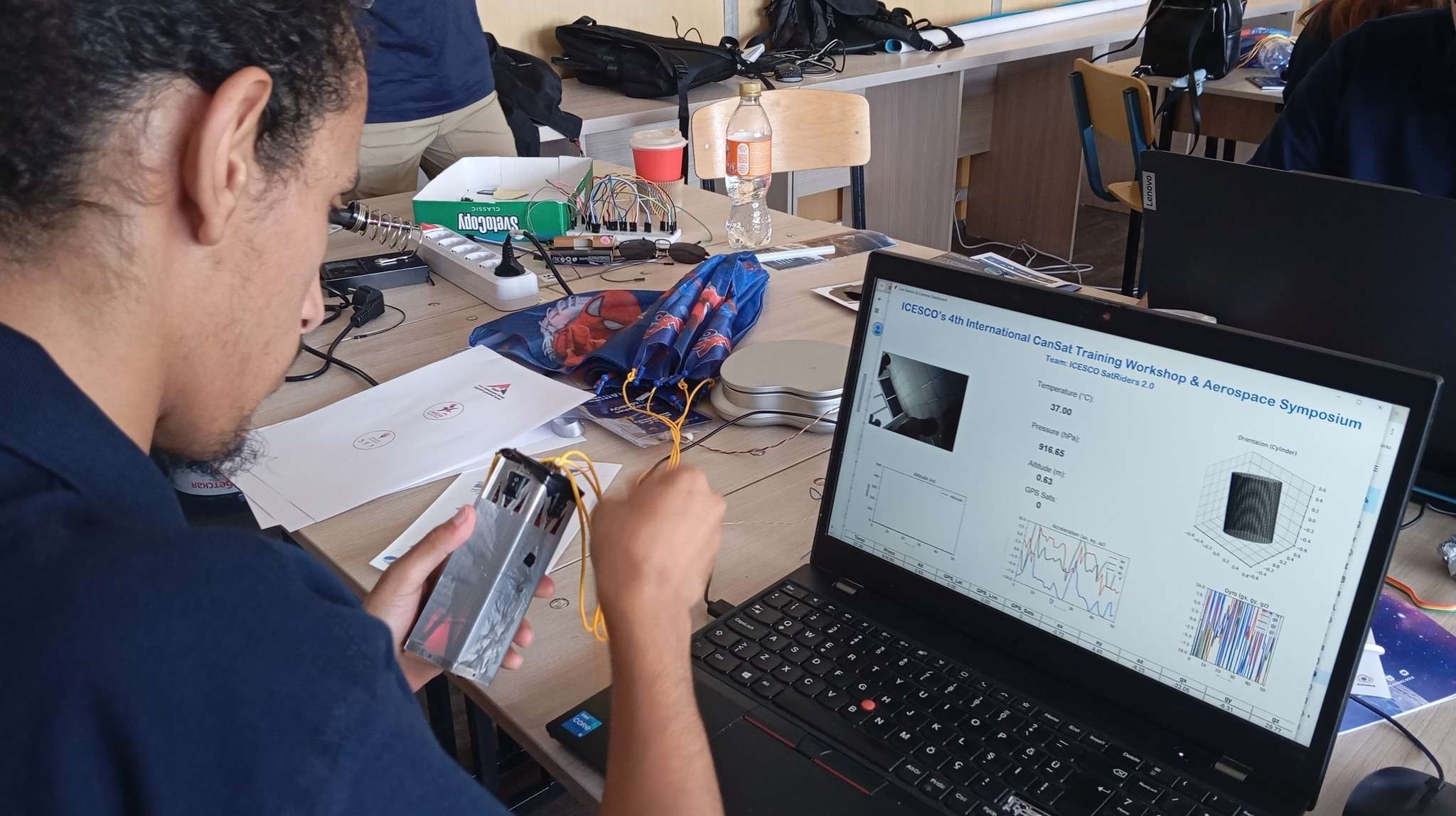
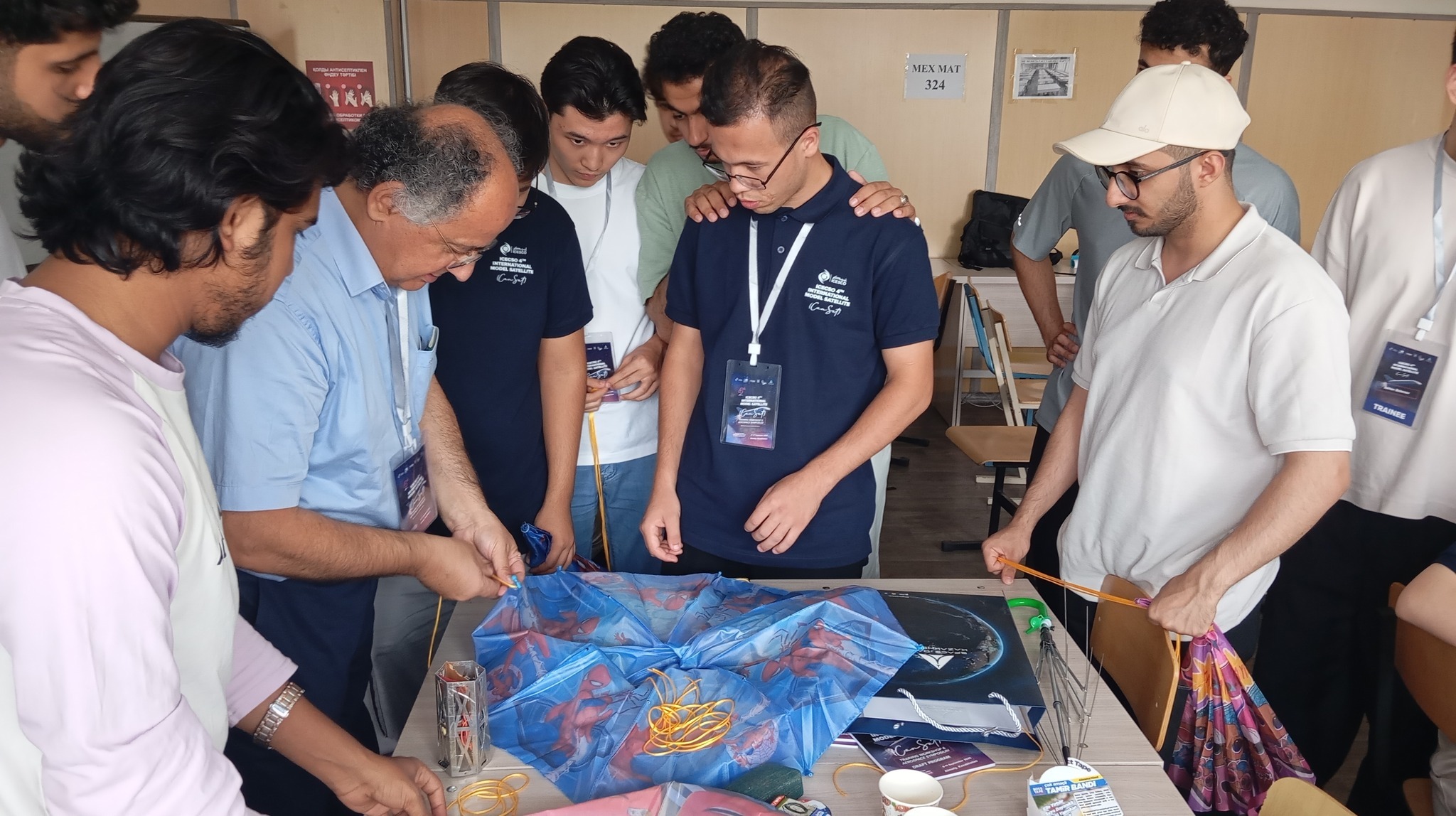
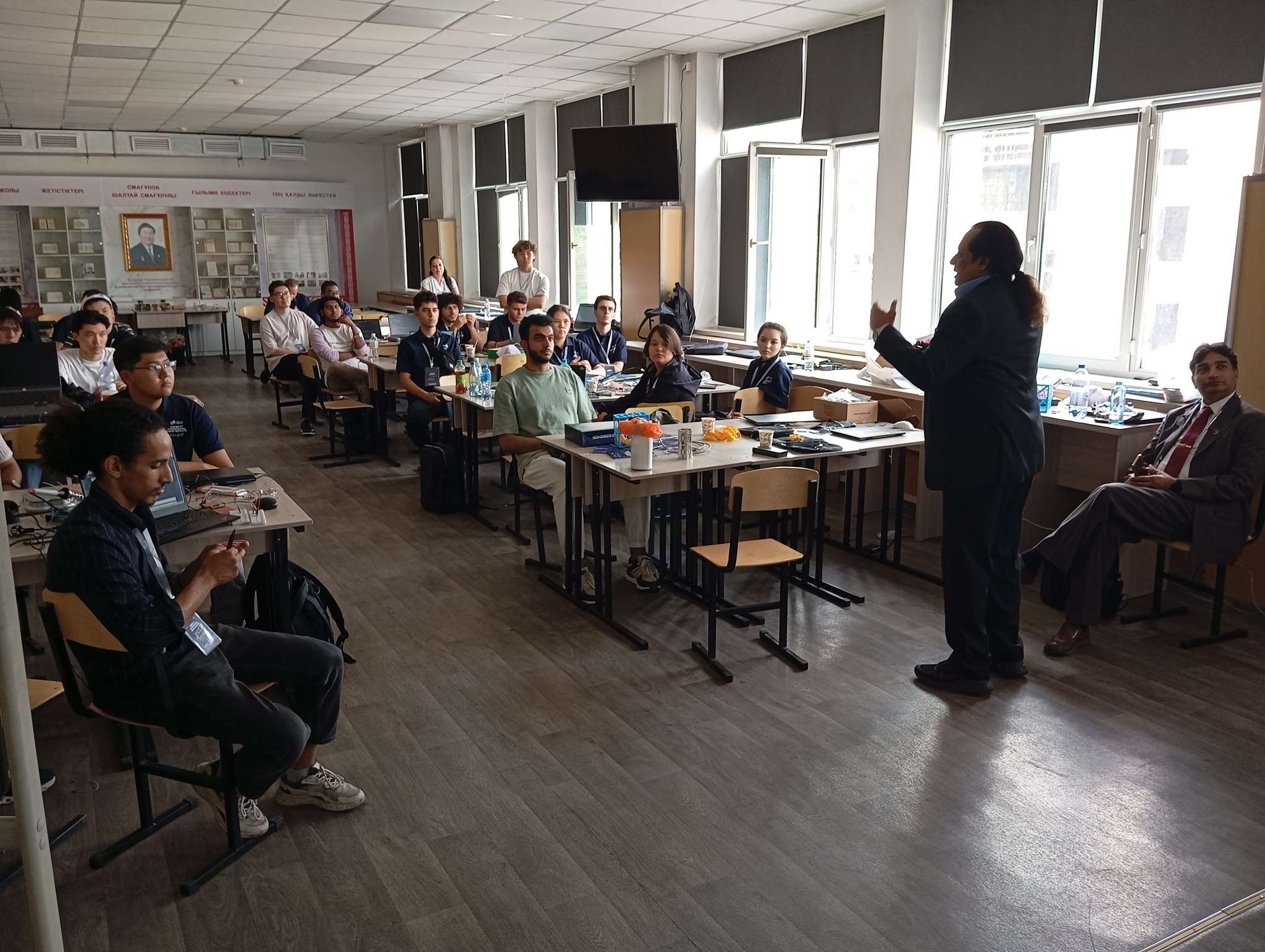
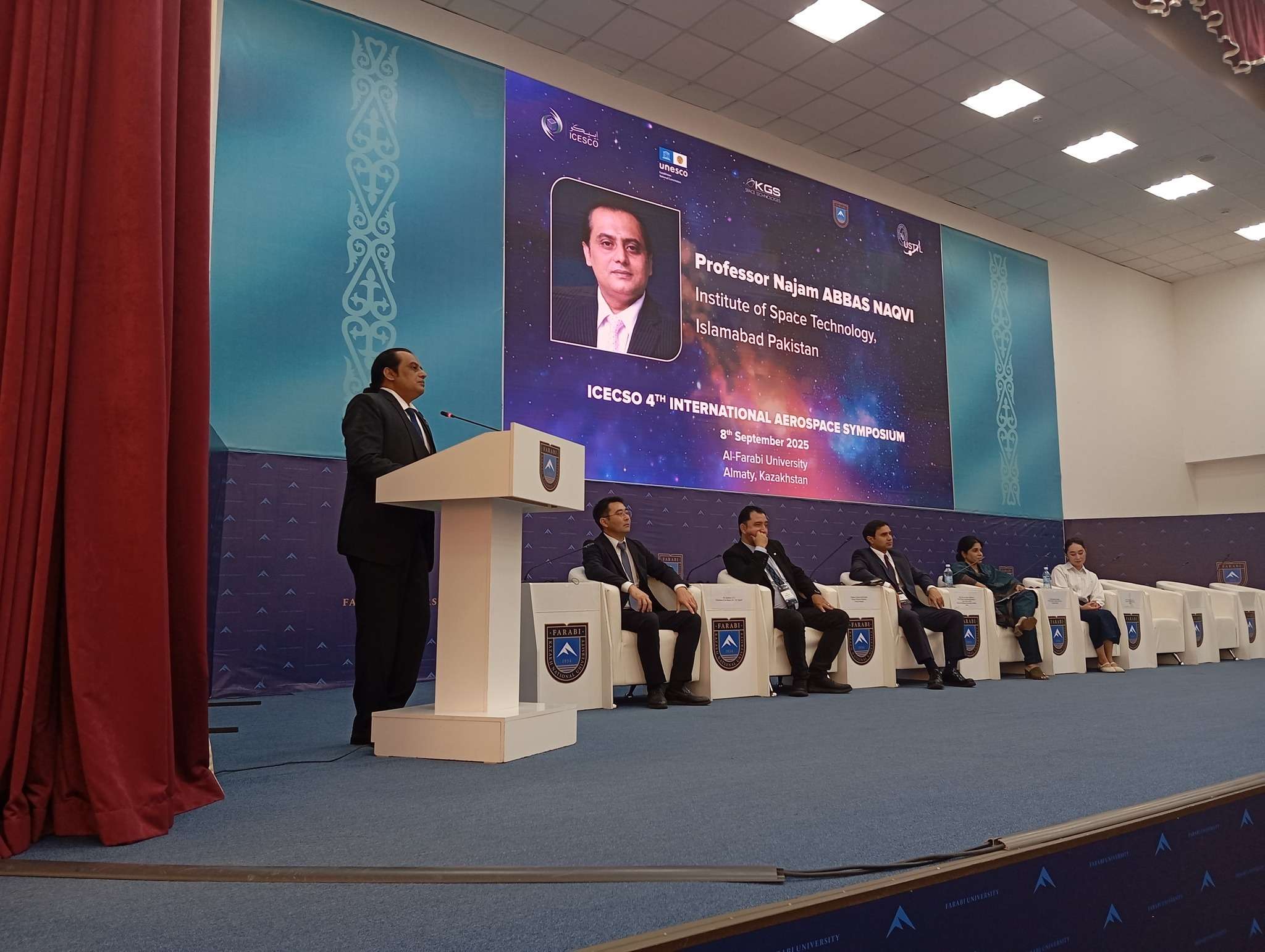
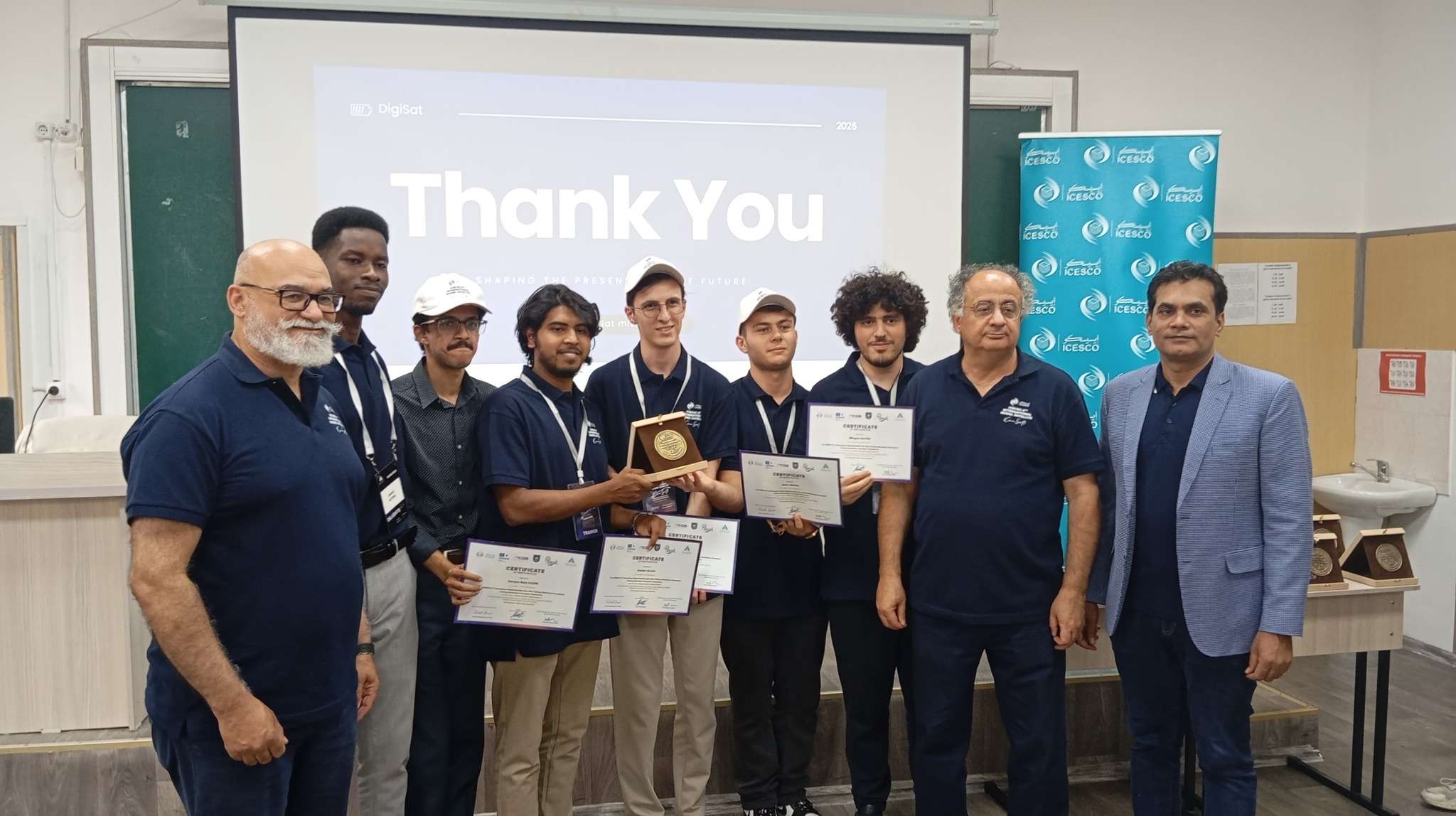
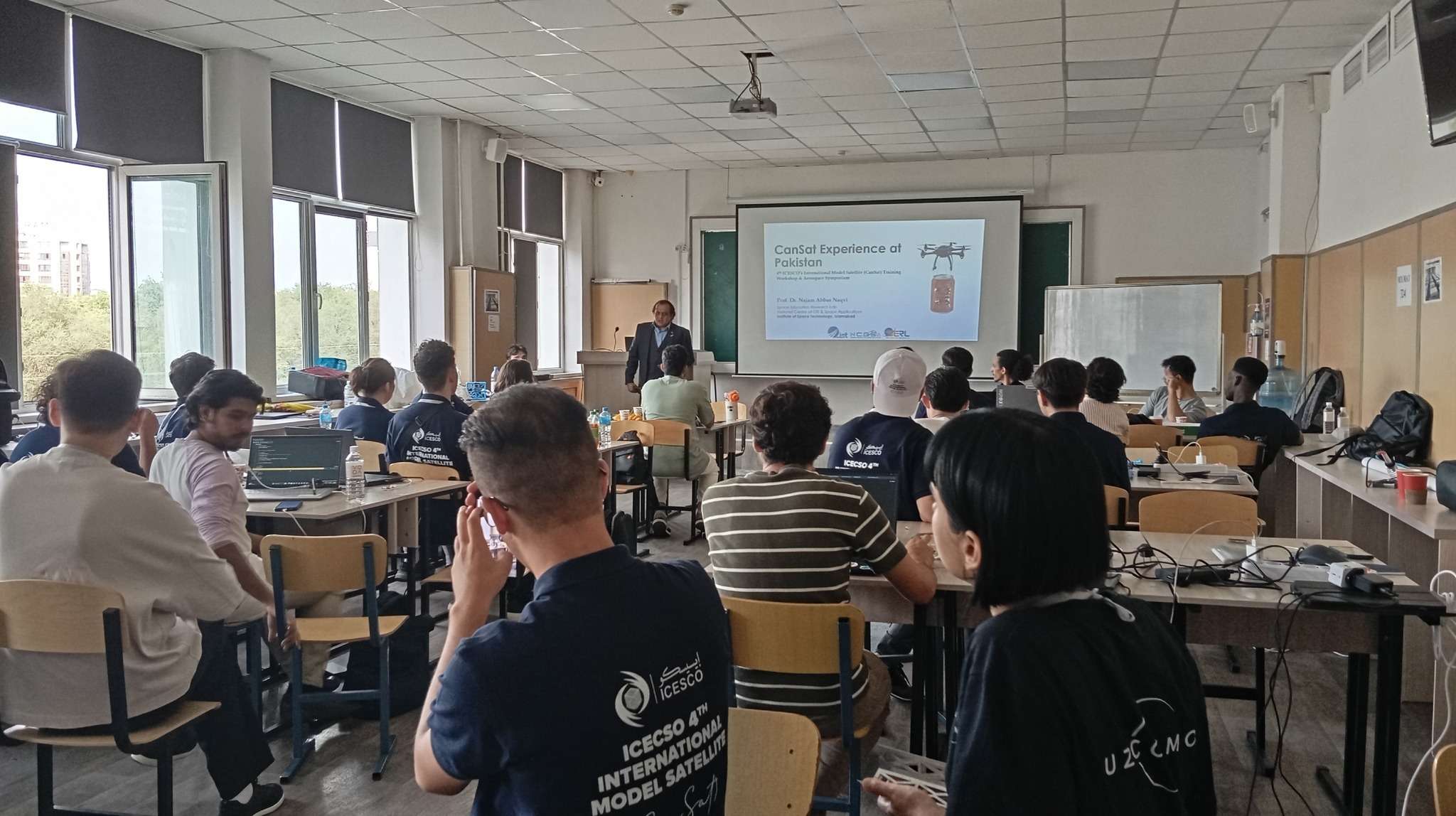
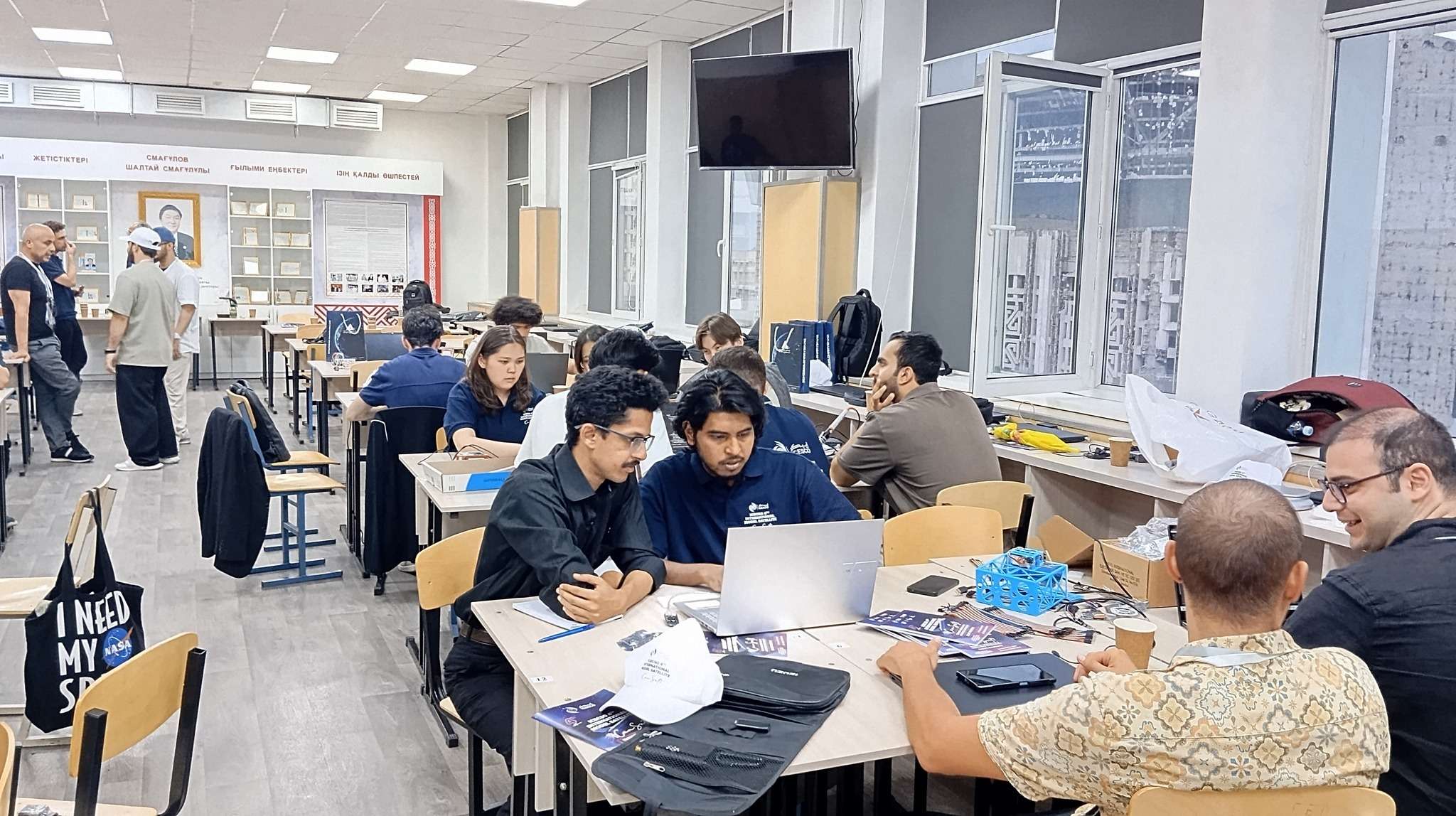
The Space Education and Outreach team participated in the ICESCO International Aerospace Symposium and CanSat Training Workshop held from September 6–11, 2025, at Al-Farabi Kazakh National University, Almaty, Kazakhstan. The event, jointly organized by ICESCO, Kazakhstan Gharysh Sapary, and Al-Farabi University, brought together participants from over 15 countries. Representing Pakistan, Daniyal Raza took part in the CanSat training led by Dr. Alim Rüstem Aslan of Istanbul Technical University, while Dr. Najam Abbas and Dr. Abdul Waheed delivered a lecture on “CanSat in Pakistan,” highlighting national initiatives. The Aerospace Symposium, themed “Youth Engagement & International Cooperation in Space Science,” featured global experts including Prof. Ameenah Gurib-Fakim, Maj. Gen. José Vagner Vital, Prof. Shinichi Nakasuka, and others. The event also celebrated Space Days Kazakhstan, showcasing the nation’s space achievements, with heartfelt appreciation extended to ICESCO organizers for their kind support and facilitation.
STEM Education in Underserved Communities 2025
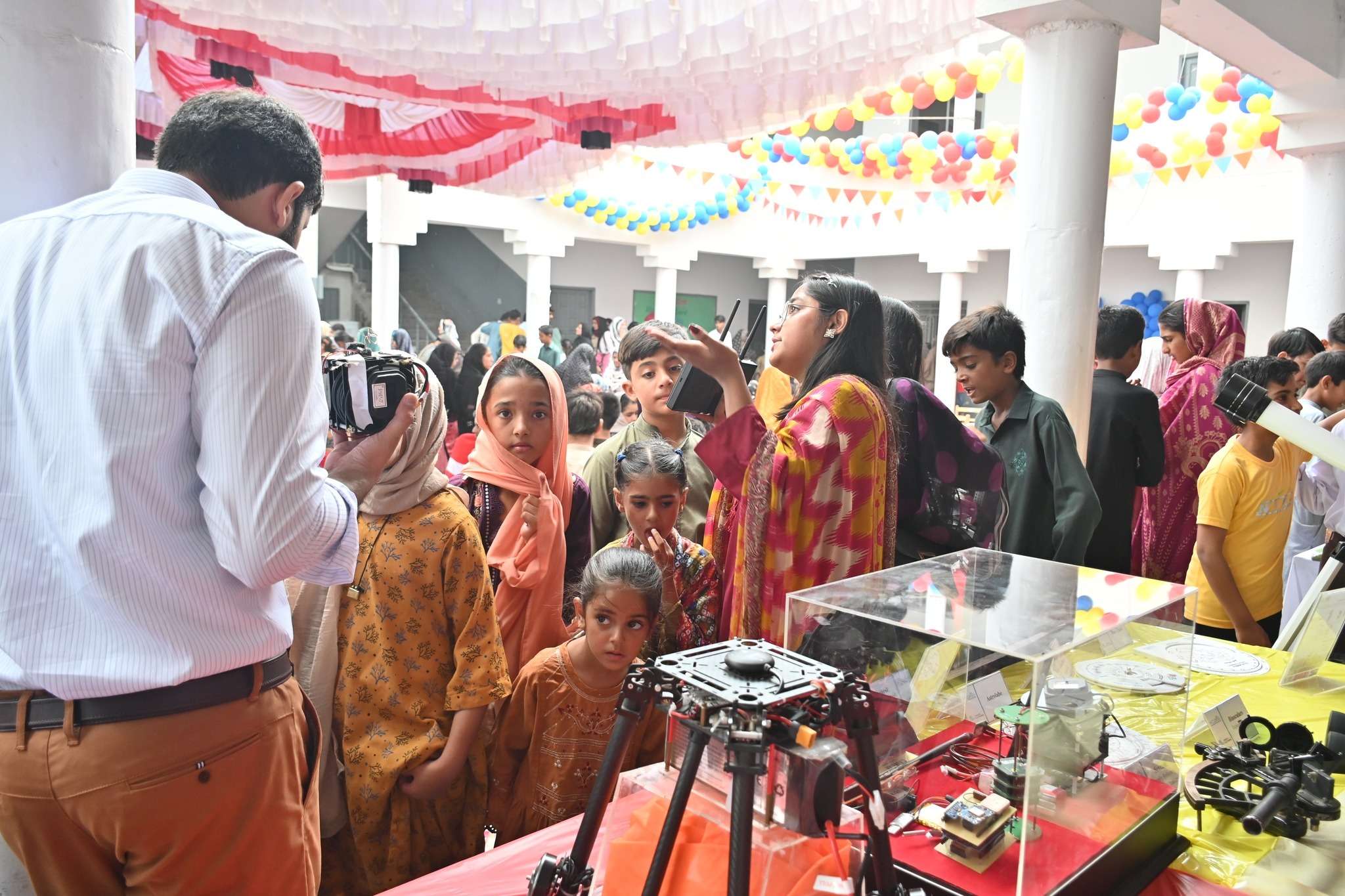
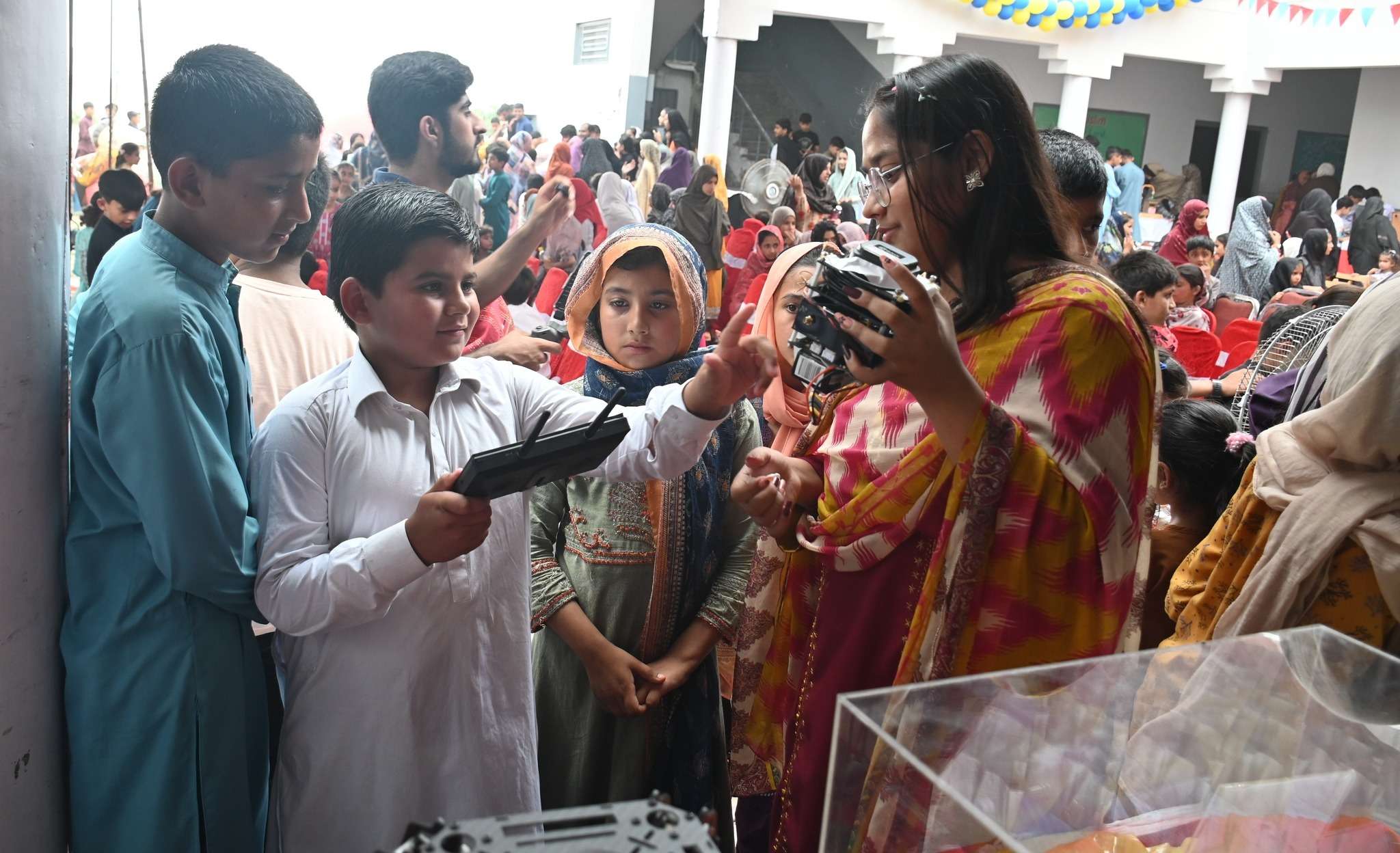
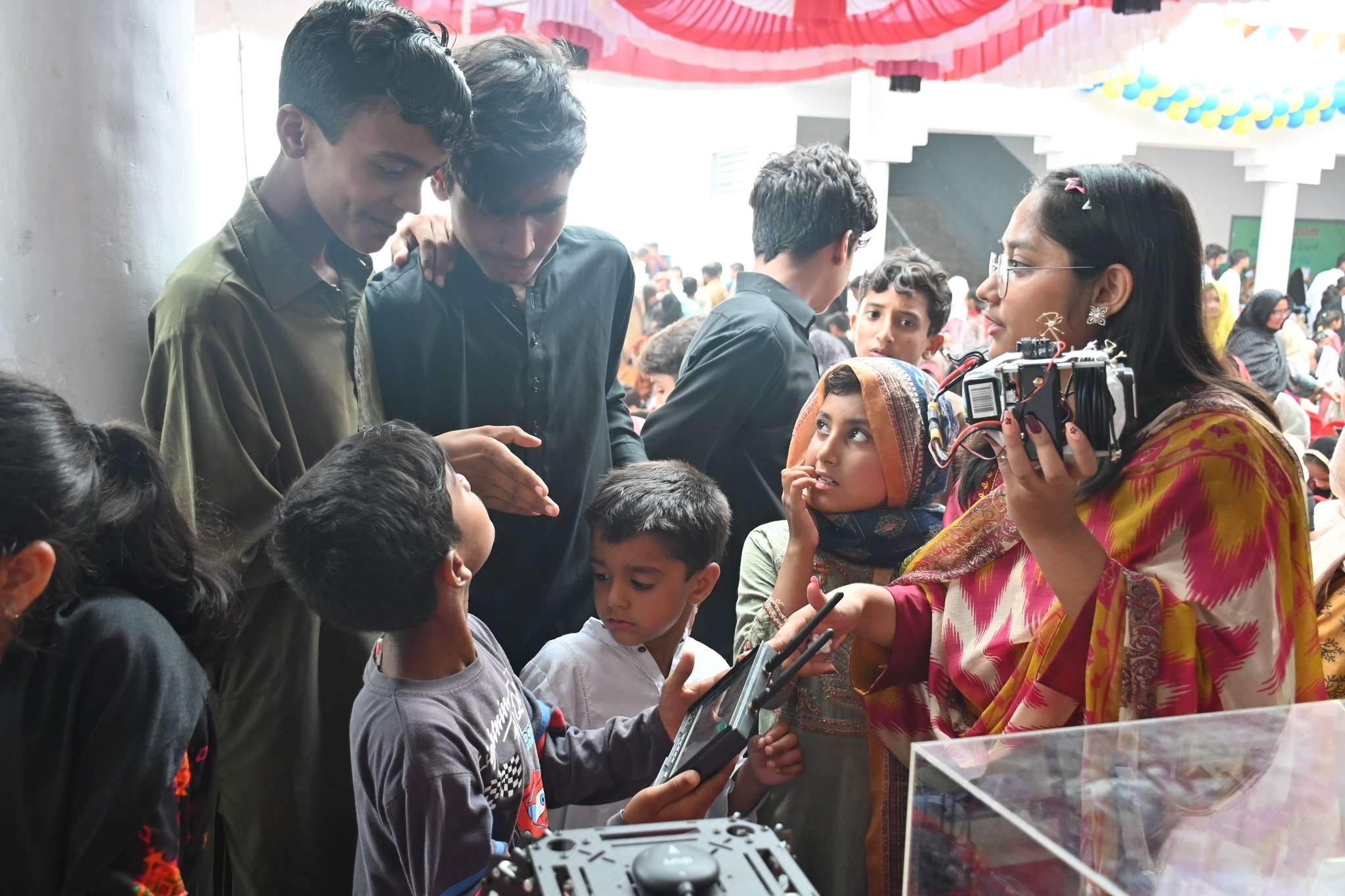
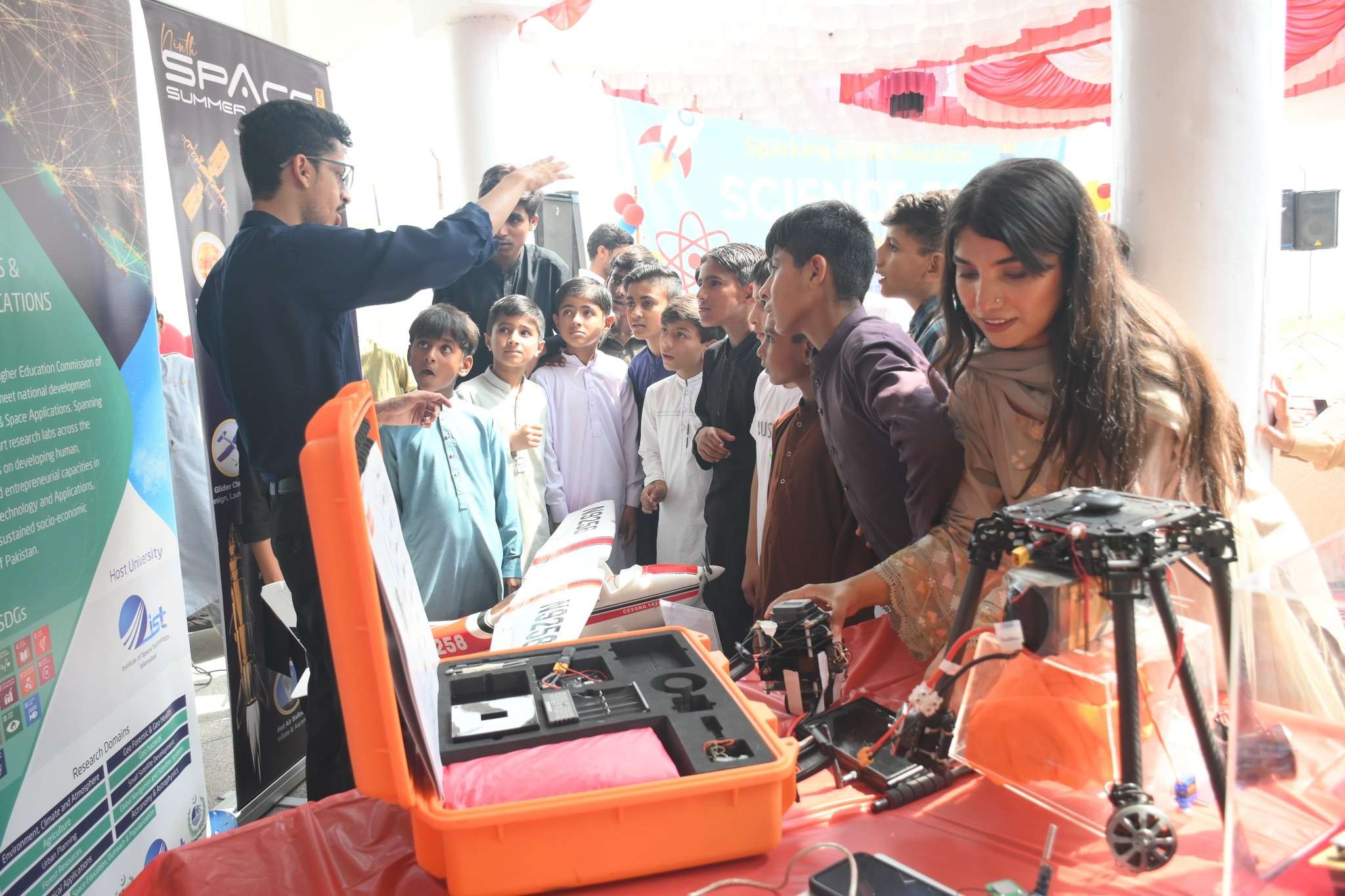
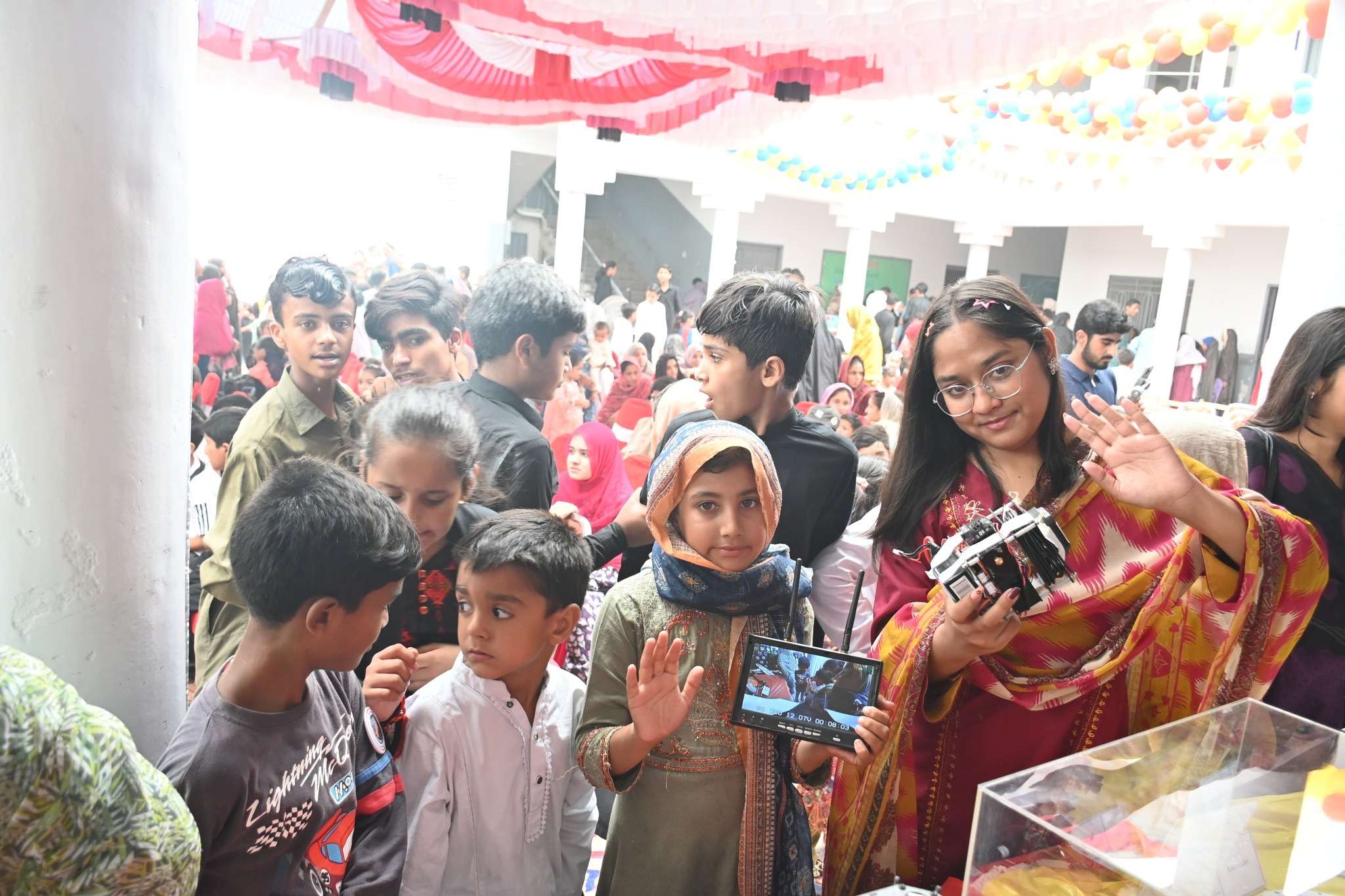
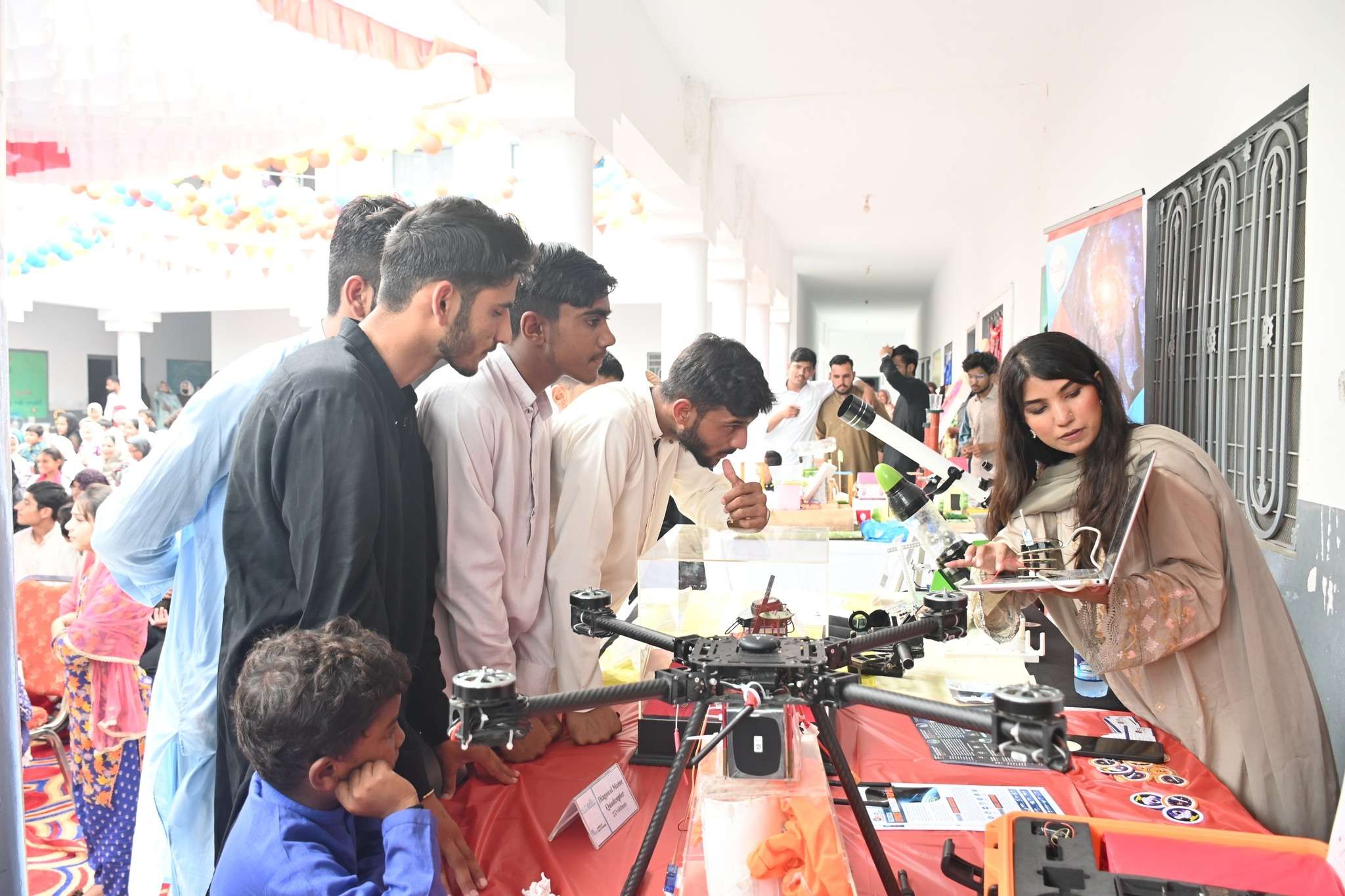
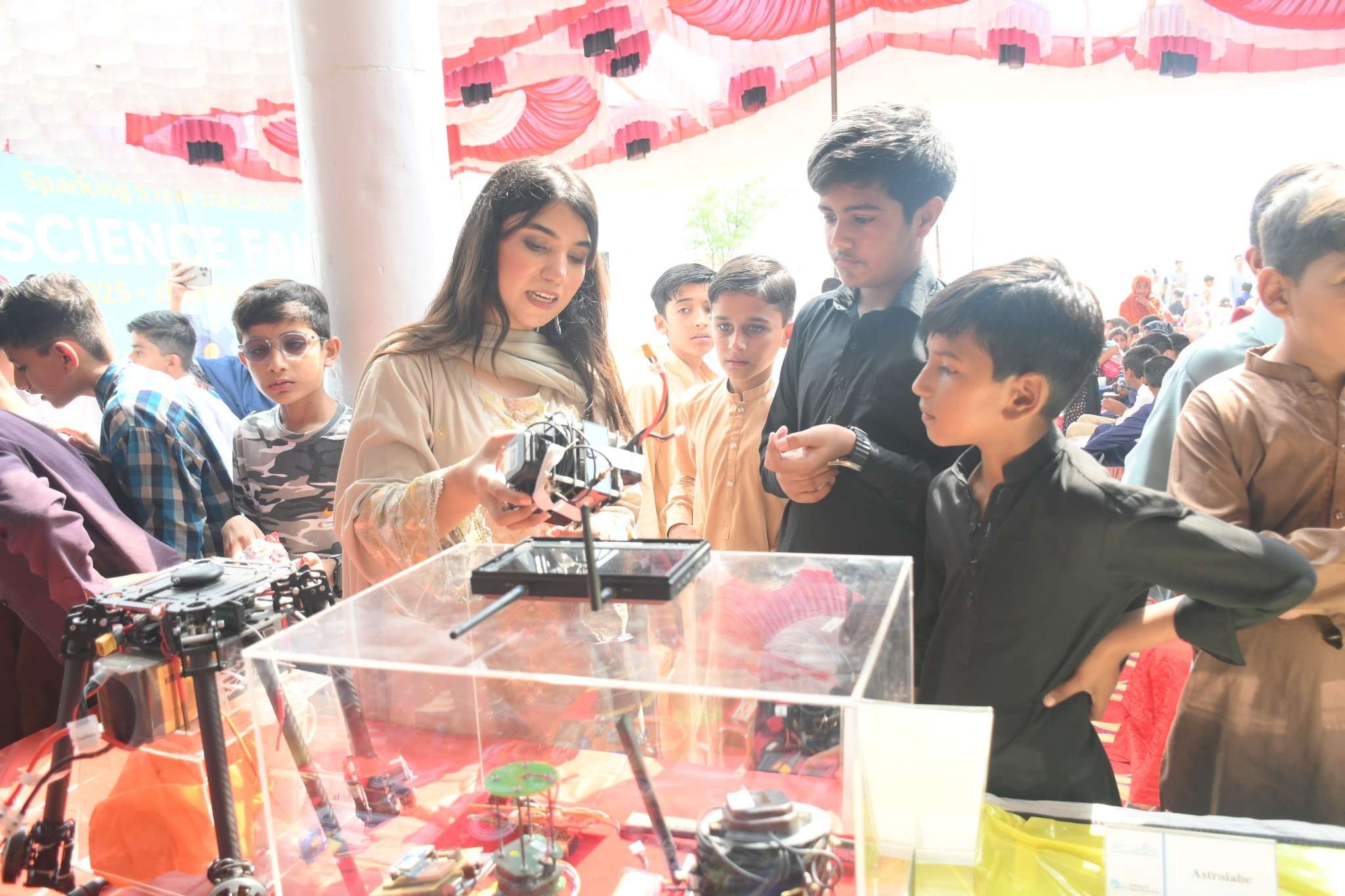
At the Chakwal Jhamra STEM Education Science Fair, “Safar-e-Nau: Sparking STEM Education in Underserved Communities,” the Space Education Research Lab (SERL) showcased its innovations through CubeSats and CanSats, bringing space technology to students who previously had little or no knowledge of the field. Many of the attendees came from underserved communities with limited access to advanced scientific education, making the exhibition a unique opportunity for them to encounter the practical side of space science for the first time. Through interactive demonstrations and guided explanations, students discovered how nanosatellites function, explored their applications in atmospheric monitoring, Earth observation, and communication, and even observed how real-time data can be transmitted to a ground station. By making these complex concepts accessible, the initiative aimed not only to spark curiosity but also to break barriers for students who are often excluded from such opportunities.
Ninth Space Summer School 2025
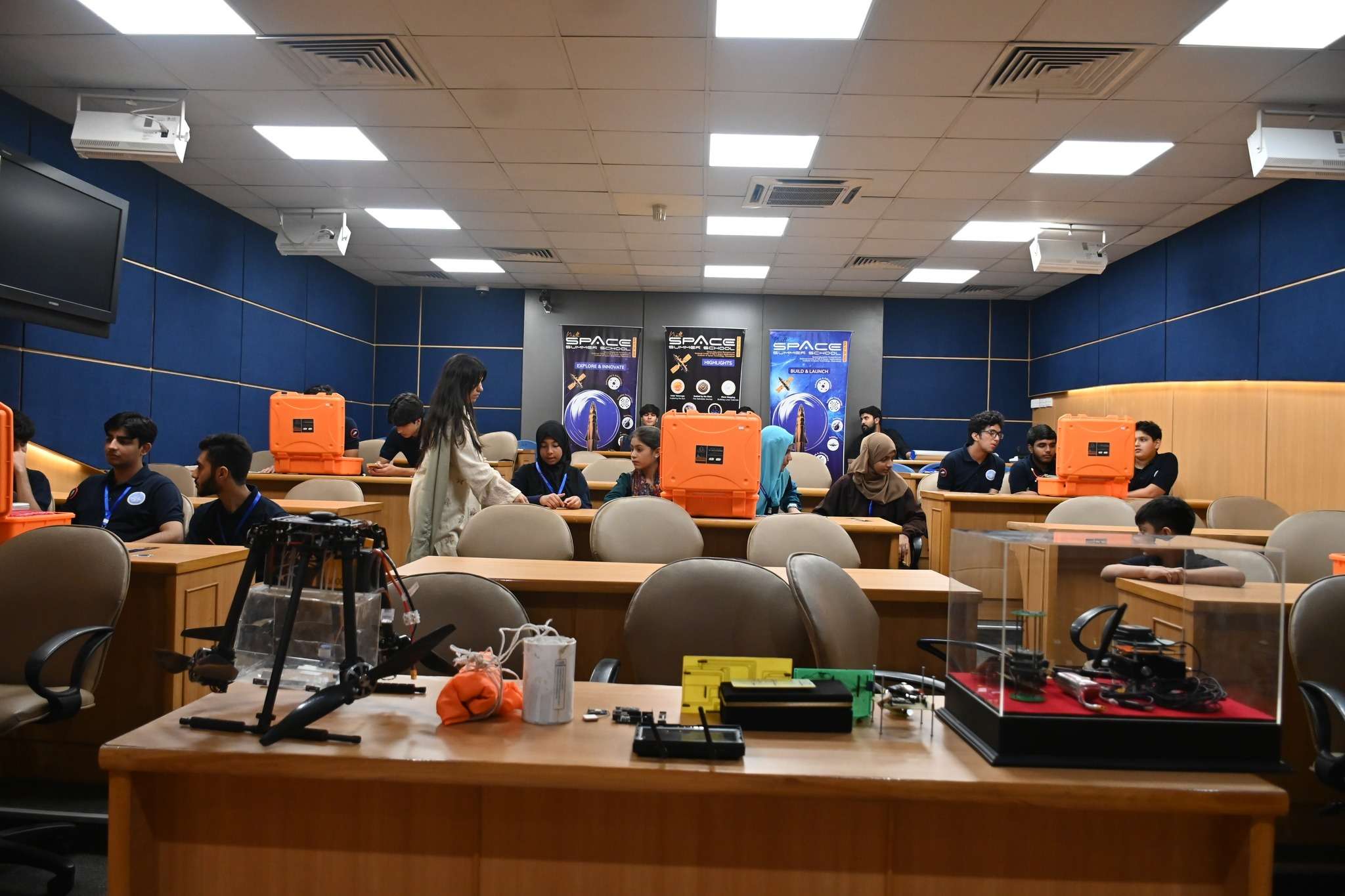
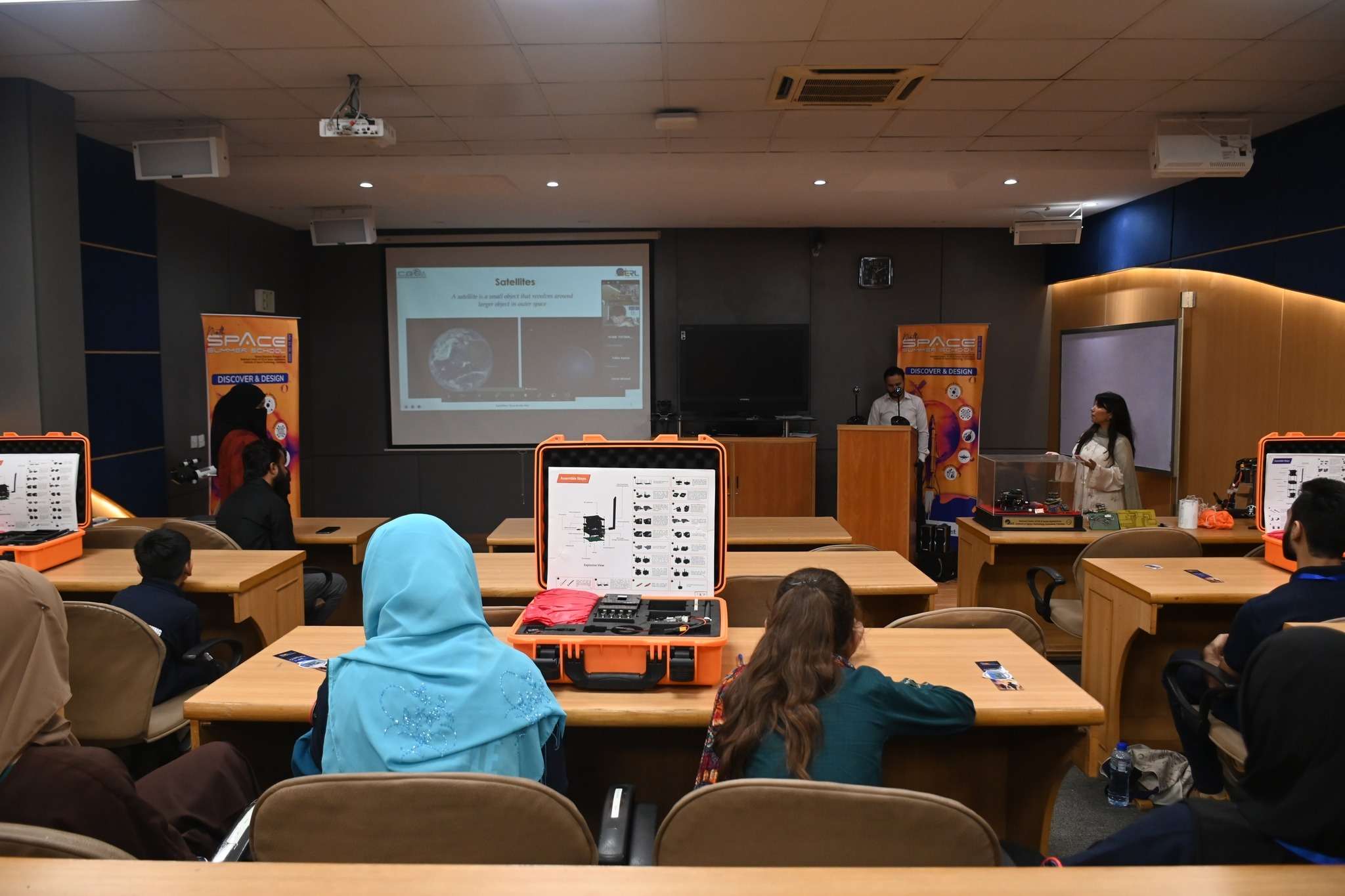
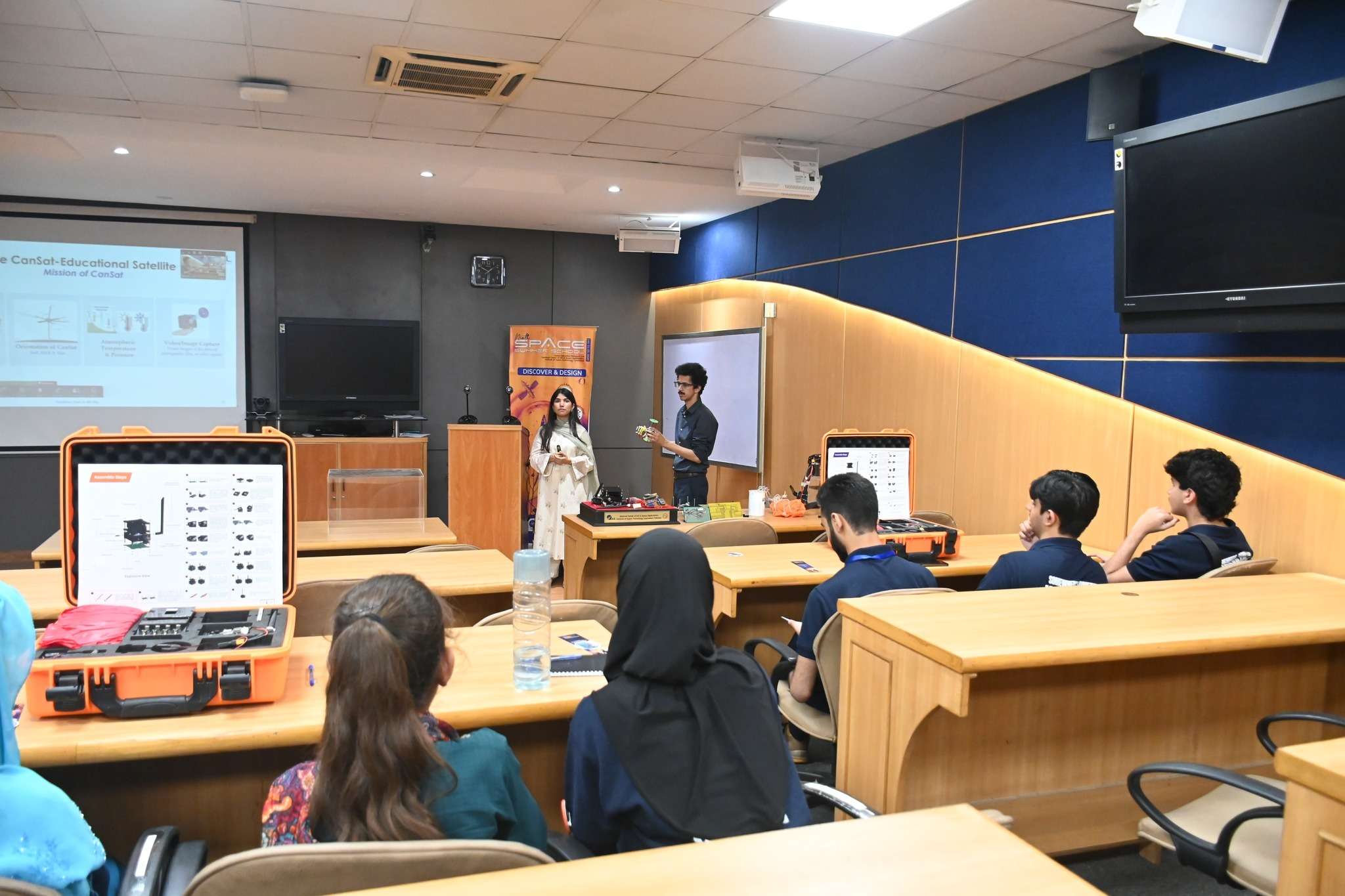
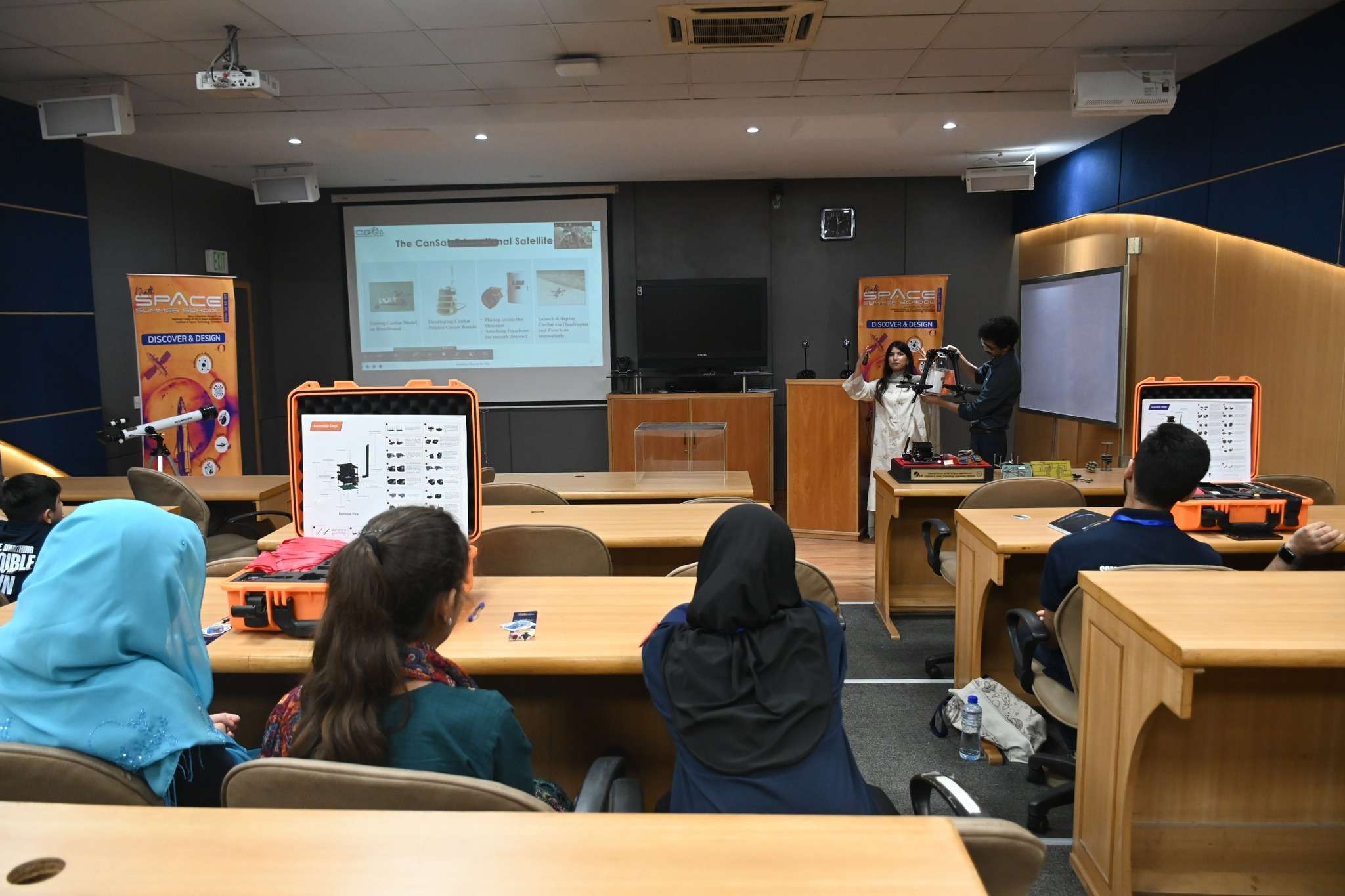
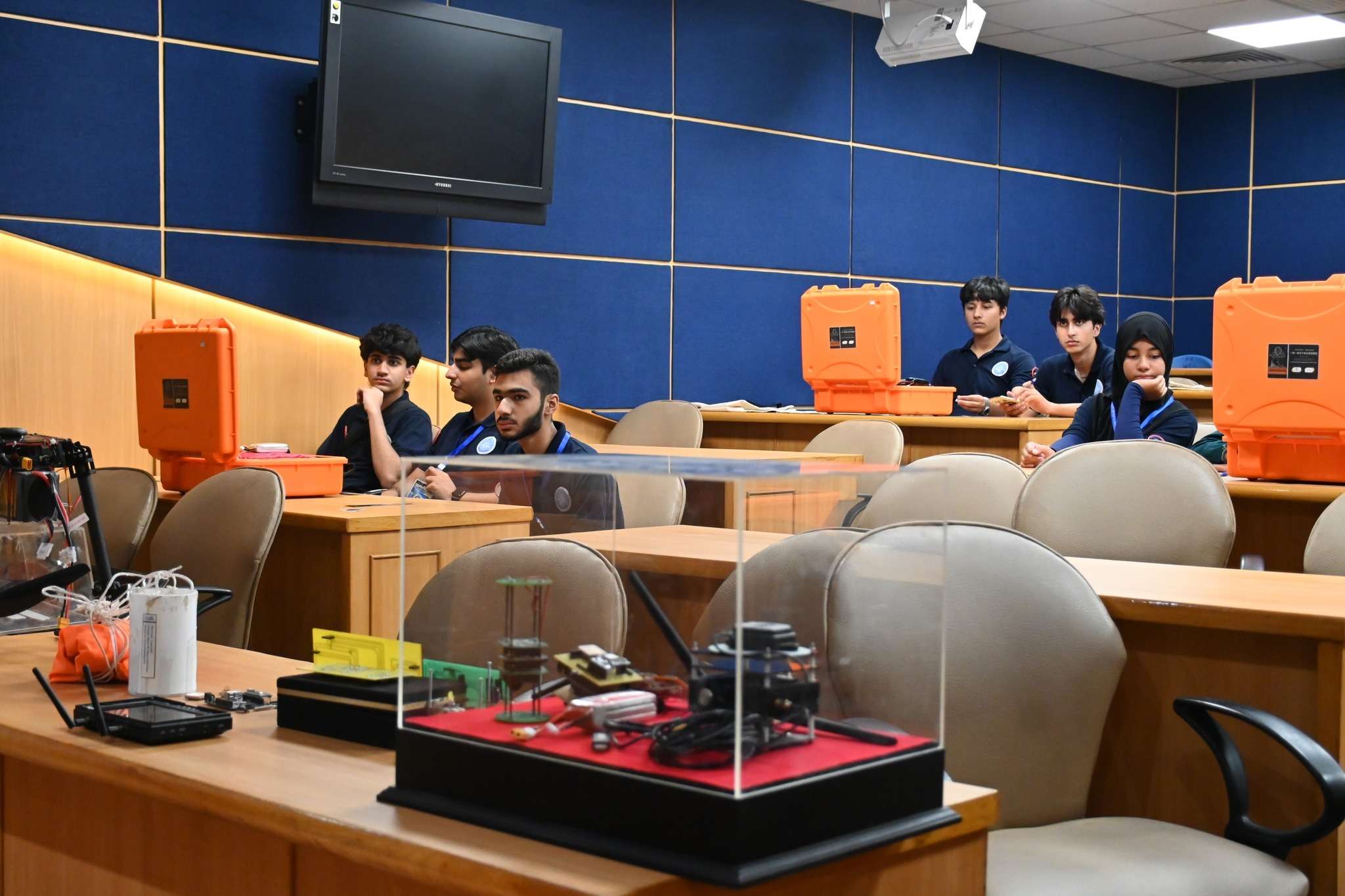
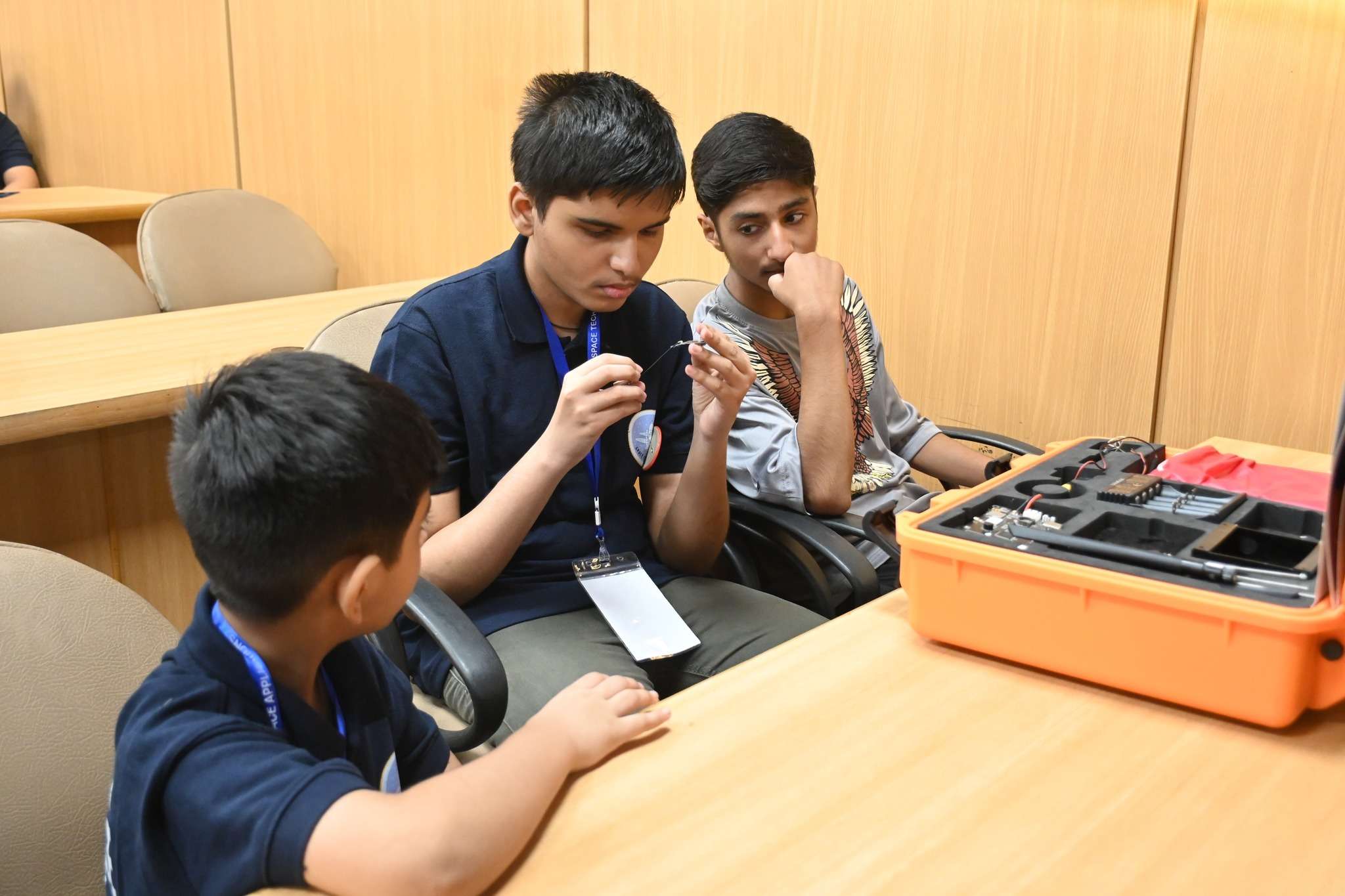
During the ninth Space Summer School, students from a wide range of schools and colleges were introduced to the fascinating domain of satellite technology through a blend of interactive lectures, guided discussions, and live demonstrations. Experts provided participants with an overview of satellite design, subsystems, and mission applications, allowing them to connect theoretical knowledge with practical insights. A key highlight of the program was the live launch of an assembled CubeSat, where students observed each stage of the process from pre-launch checks and system integration to deployment. Following the launch, they actively monitored real-time data at the ground station, including parameters such as atmospheric conditions, orientation, and position. This hands-on experience gave students a deeper appreciation of how satellites operate in real-world scenarios.
SciVenture- Beaconhouse Notion of Academia 2025
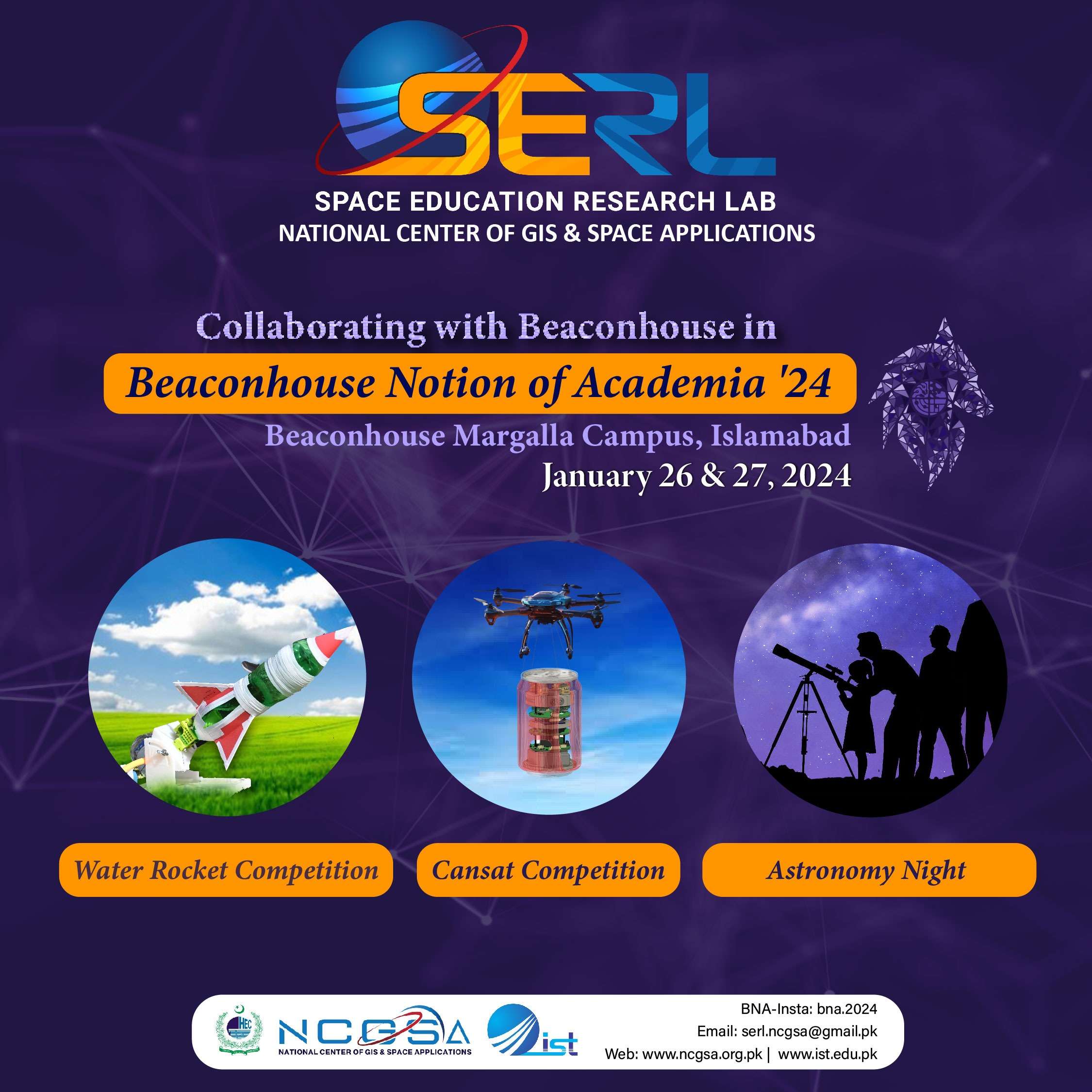
As part of the Space Destination Schools outreach program, the Space Education Research Lab (SERL) collaborated with Beaconhouse Margalla Campus during the Notion of Academia event to bring space education directly to students. At the SciVenture segment of the event, student-built satellites were showcased, highlighting not only their innovative designs but also their real-time functionality through live demonstrations of subsystem operations, data acquisition, and ground station monitoring. These exhibits provided participants with a tangible understanding of how miniature satellites are designed, integrated, and tested. By engaging a diverse audience of students, educators, and parents, the collaboration underscored the importance of nurturing young talent to contribute to Pakistan’s growing presence in the global space sector.
Space Awareness and Career Counselling Seminar 2024
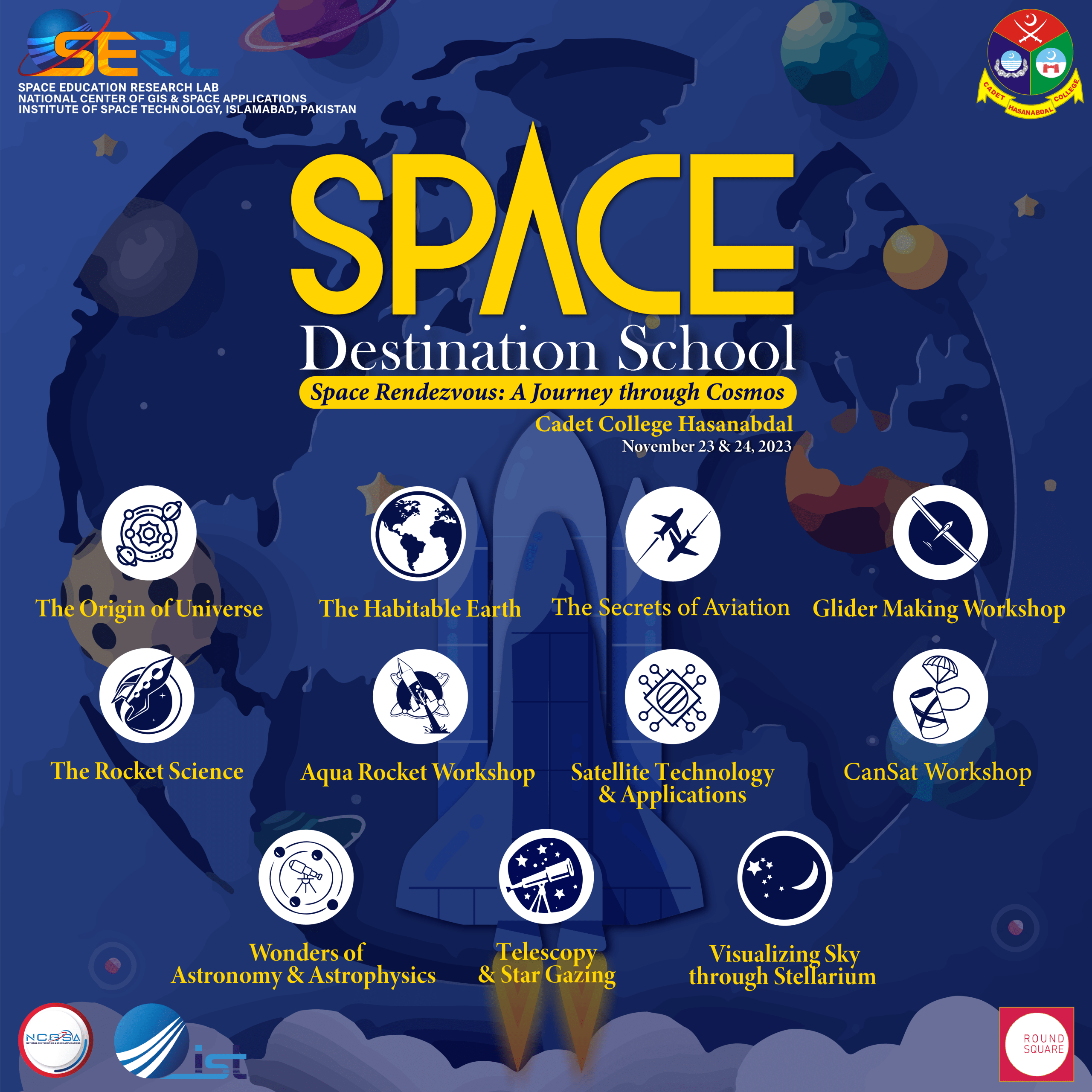
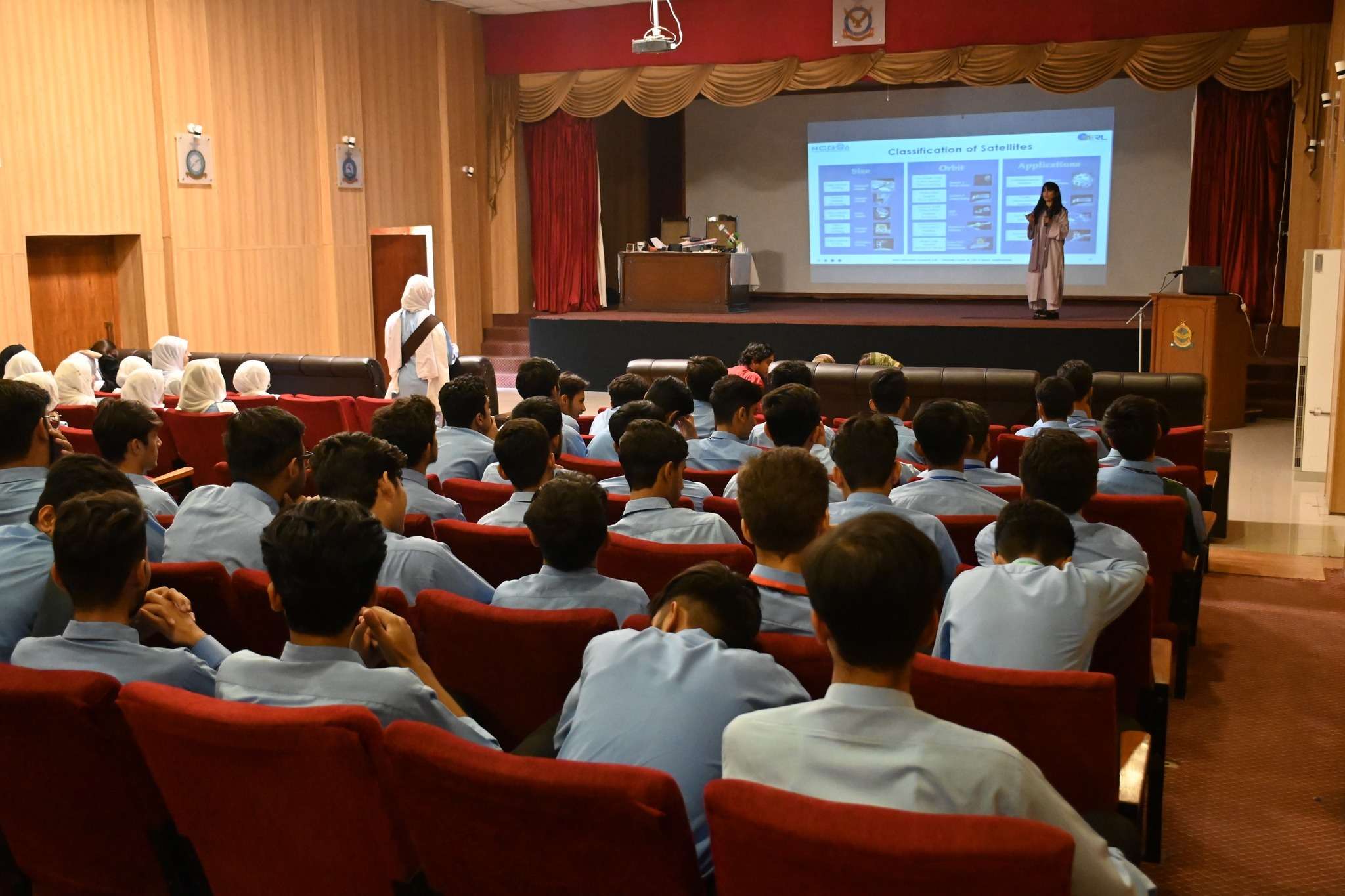
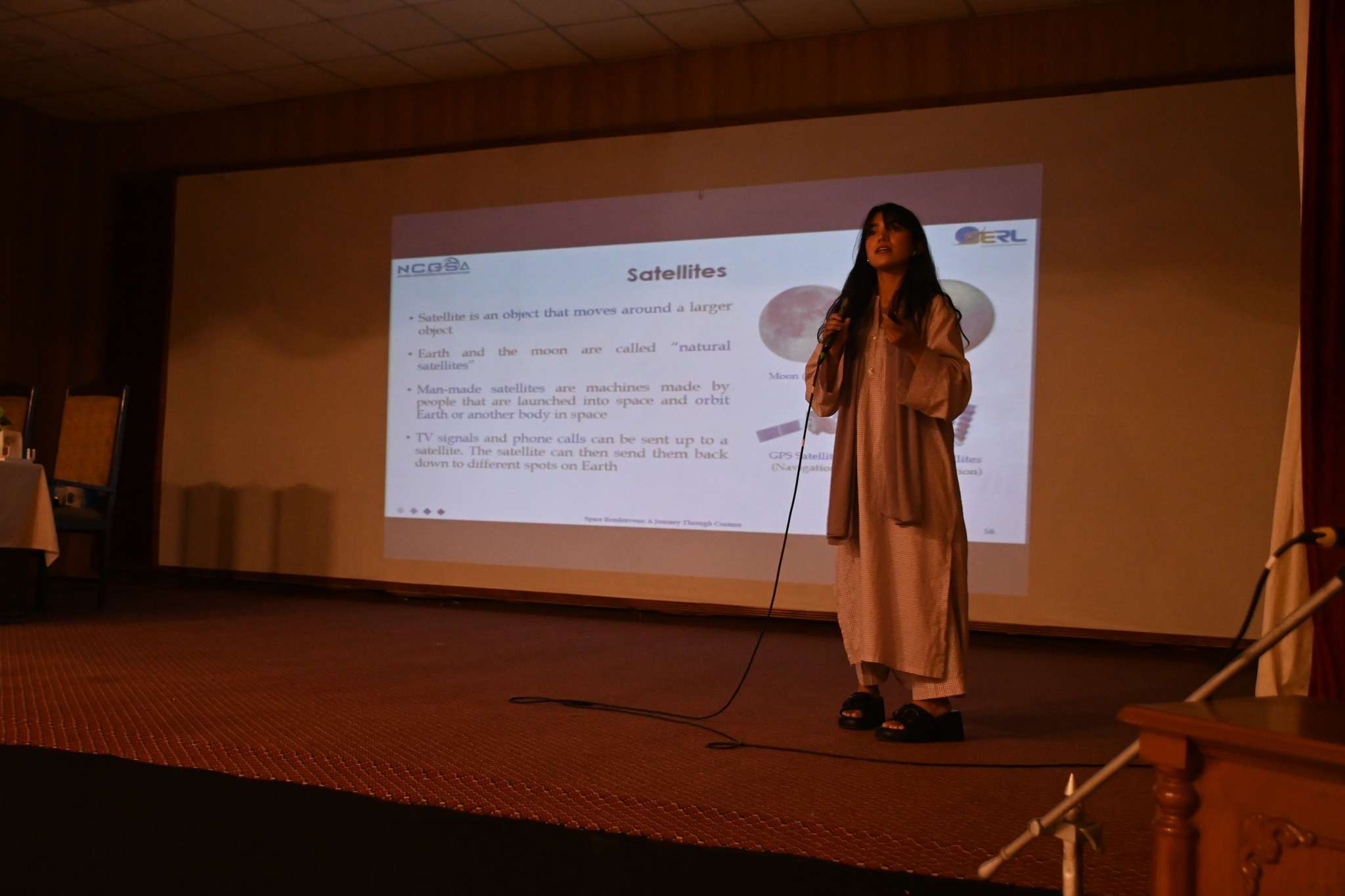
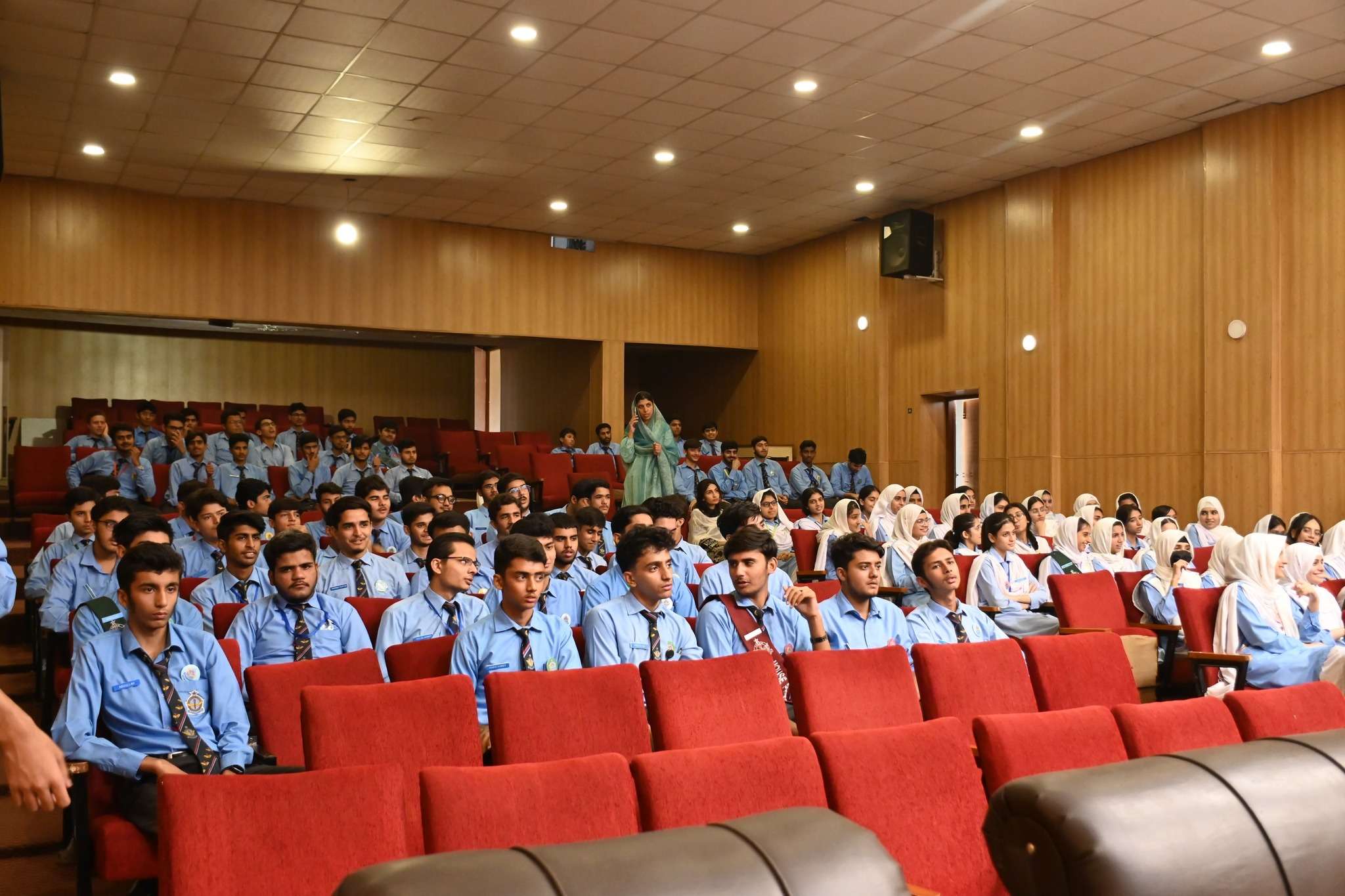
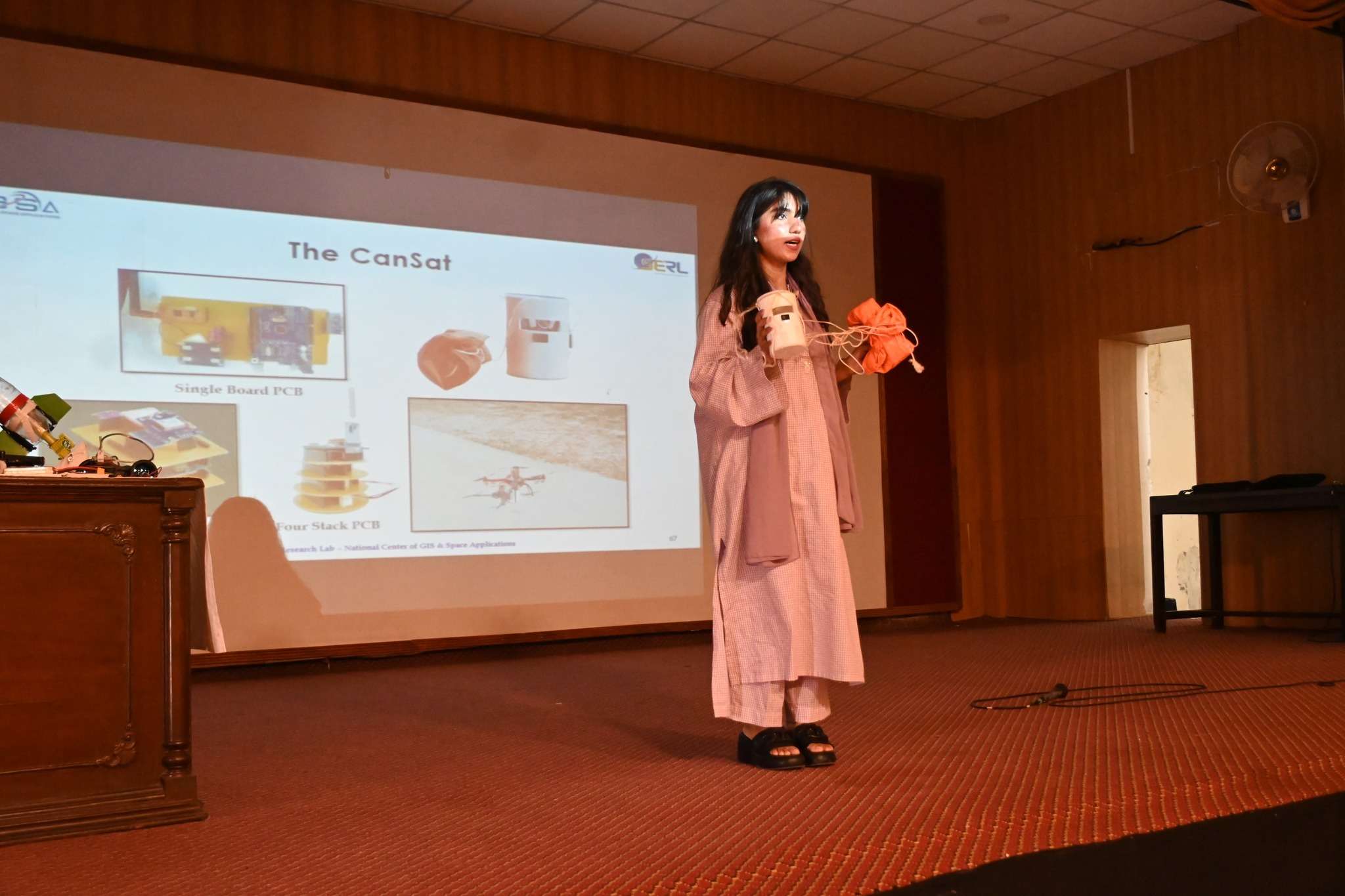
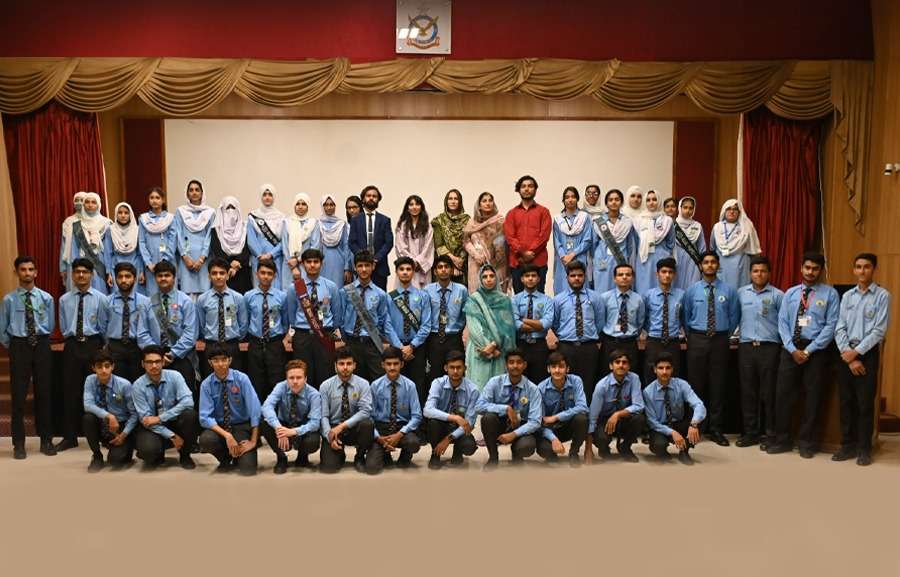
A space awareness and career counseling seminar titled “Space Rendezvous: A Journey Through the Cosmos” was conducted at Fazaia Inter College, Nur Khan Base, bringing together over 100 high school students for an inspiring exploration of space science and technology. The interactive sessions covered a broad spectrum of themes, including satellite systems, aviation, rocketry, astronomy, astrophysics, and Earth and environmental sciences, providing students with a holistic understanding of the multidisciplinary nature of space science. Special emphasis was placed on emerging space missions at both national and global levels, highlighting Pakistan’s growing aspirations in satellite development as well as international missions to the Moon, Mars, and beyond. By connecting classroom learning with real-world advancements, the seminar encouraged students to envision future careers in the space sector and underscored the importance of preparing the next generation of scientists, engineers, and explorers to contribute to humanity’s expanding presence in space.
STEAM Mela 2024
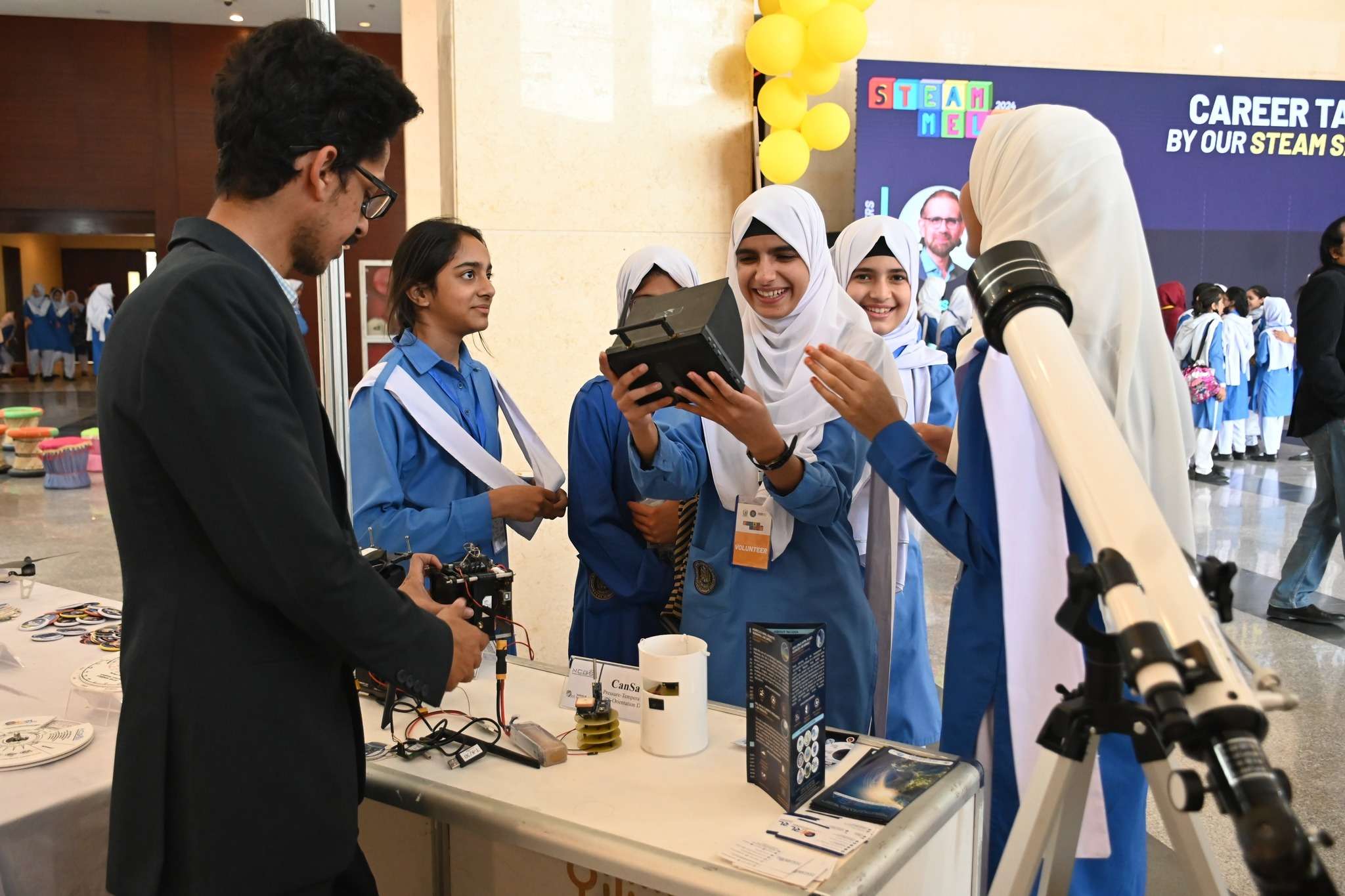
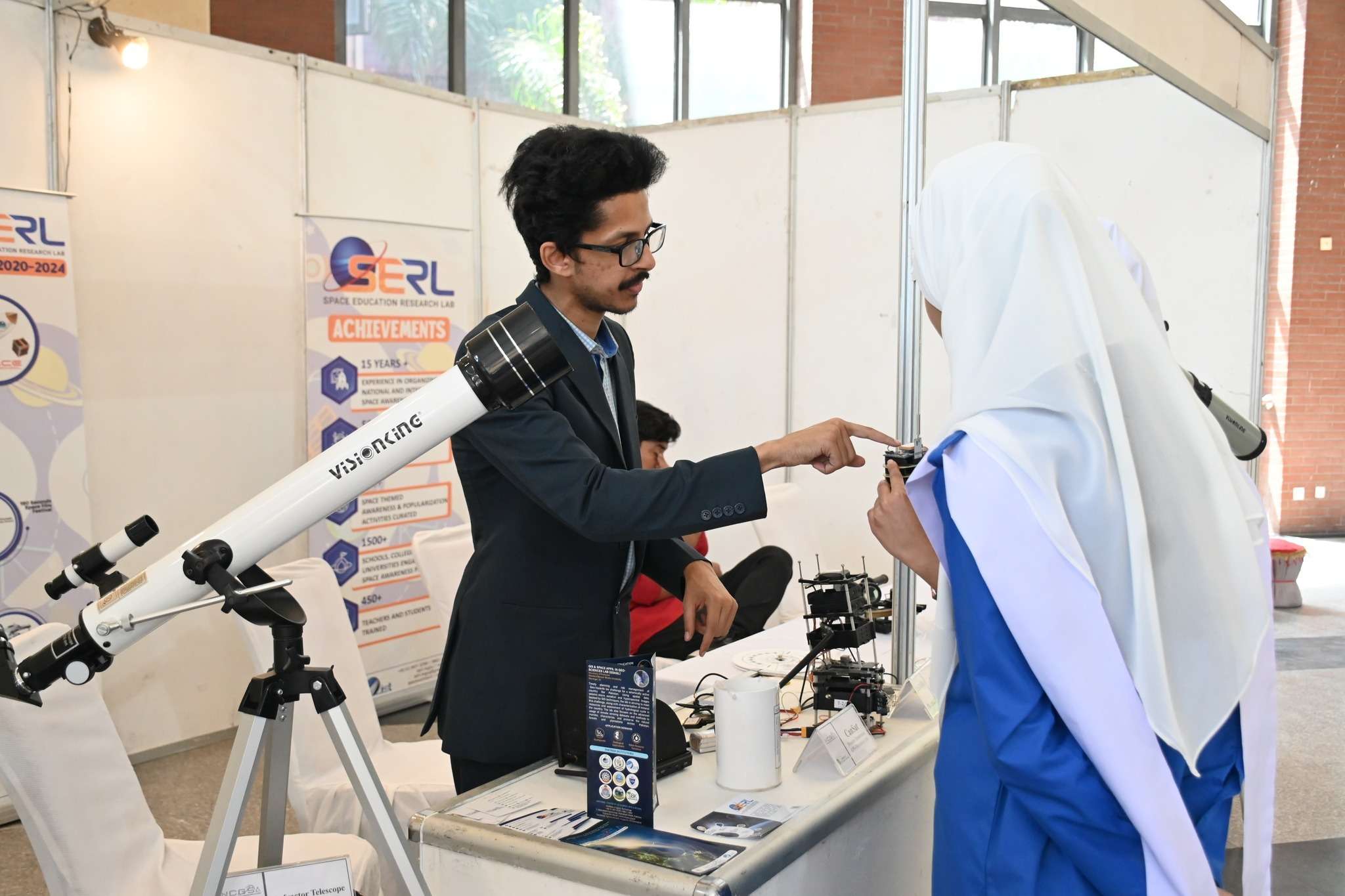
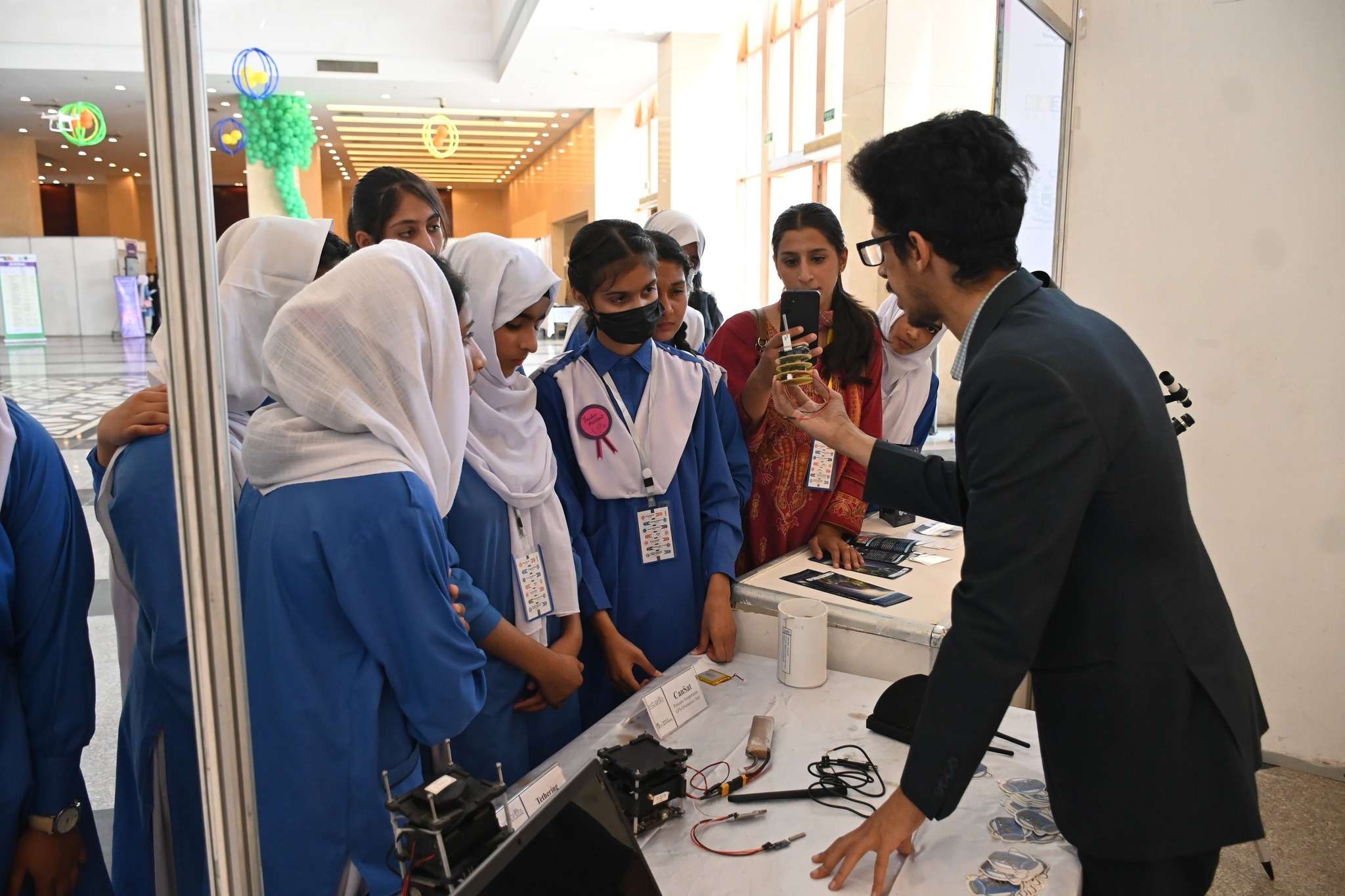
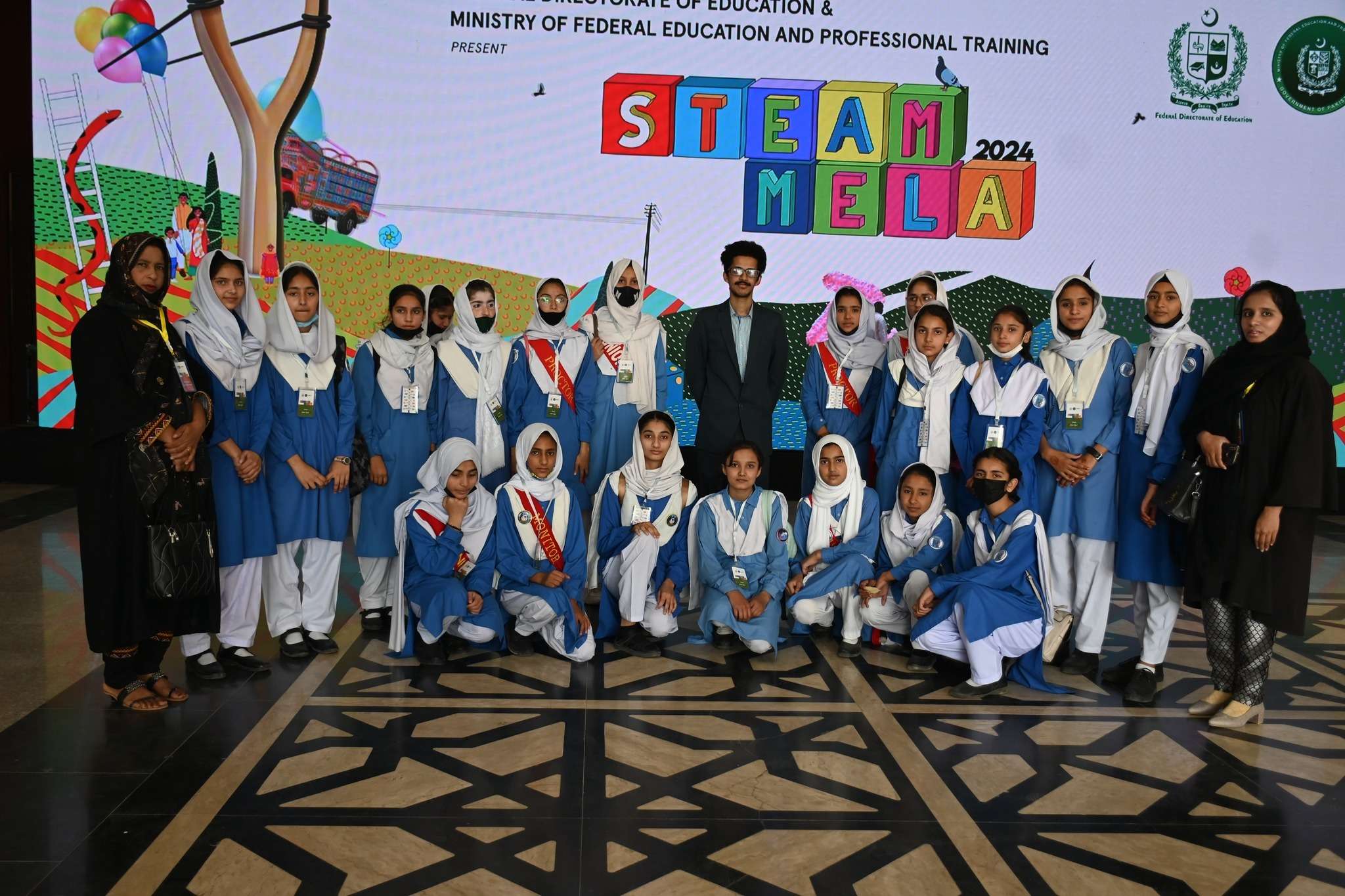
During the STEAM Mela, organized by STEAM Pakistan, the Space Education Research Lab (SERL) provided participants with an engaging and immersive introduction to satellite technology, complemented by a range of other interactive science and engineering activities. Students were not only exposed to the fundamentals of how satellites function but also explored practical aspects of subsystem integration, mission design, and data acquisition through simplified demonstrations. These hands-on sessions allowed participants to actively engage with models simulating real-world applications such as Earth observation, communication, and navigation, thereby making the complex field of space systems both accessible and inspiring. By attracting a diverse group of students the event highlighted the importance of inclusive access to advanced scientific knowledge. Ultimately, the initiative not only sparked curiosity and enthusiasm among young learners but also reinforced the critical role of space education in shaping Pakistan’s future scientific workforce.
Space Expo 2024
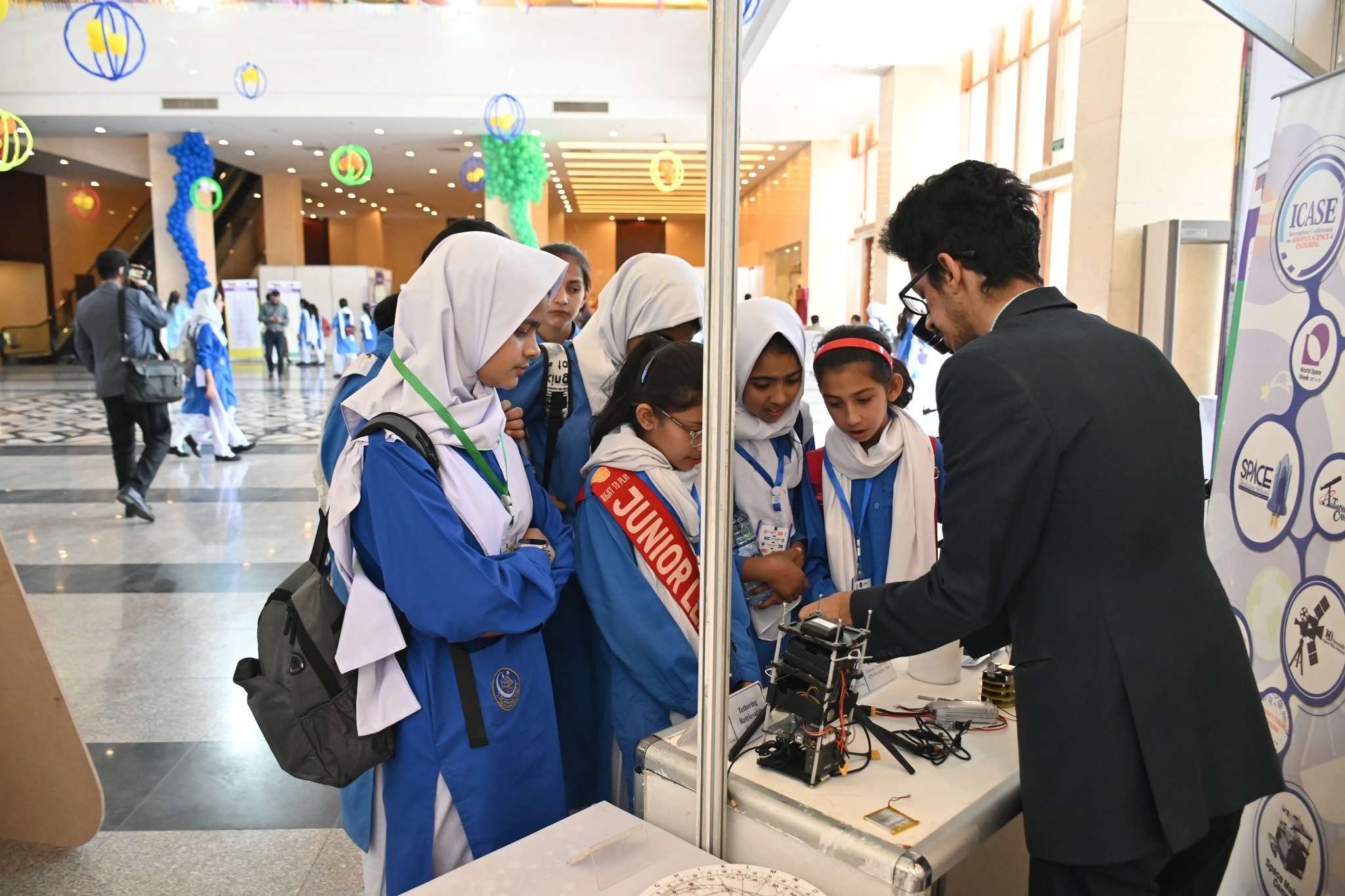
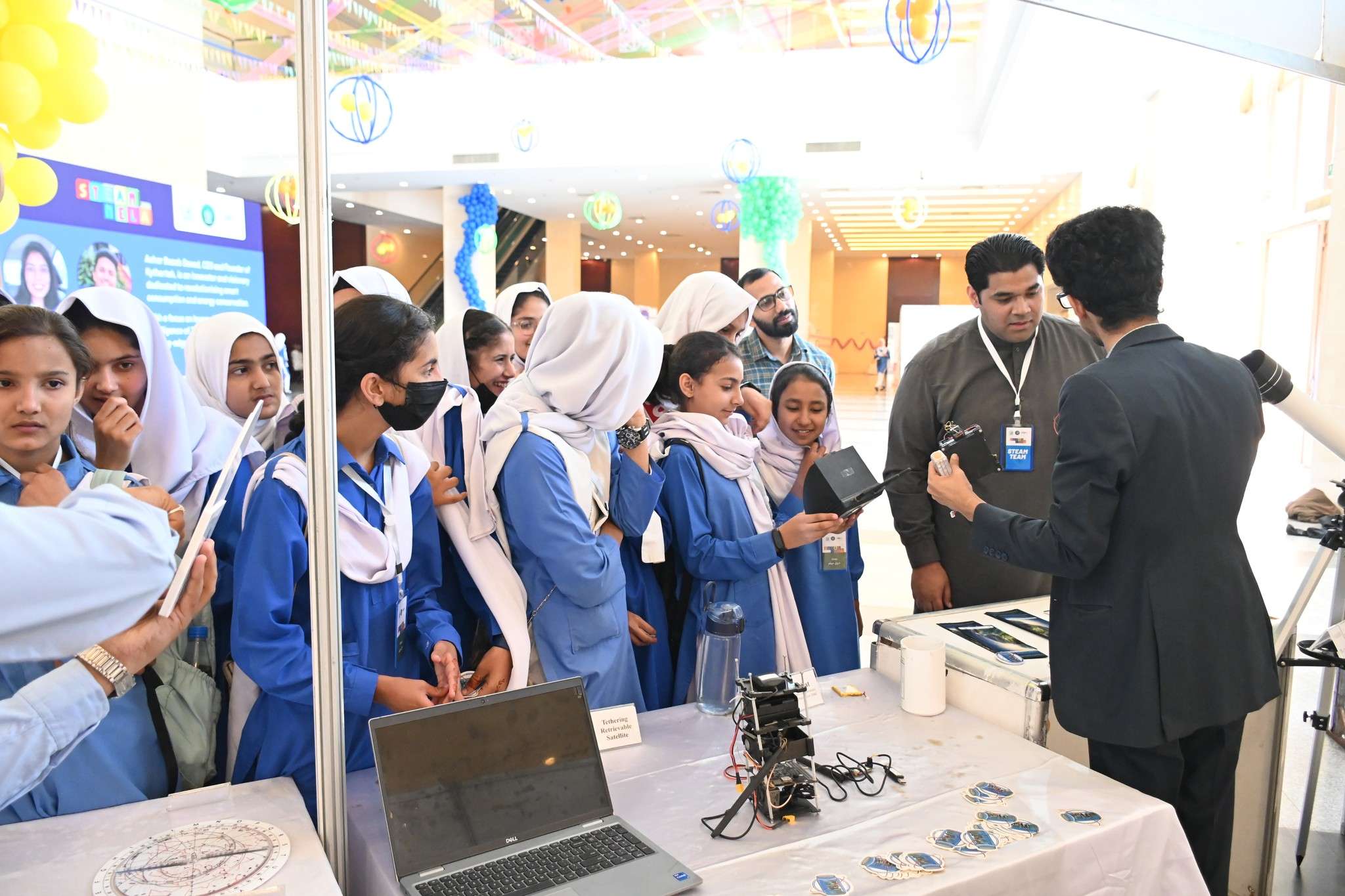
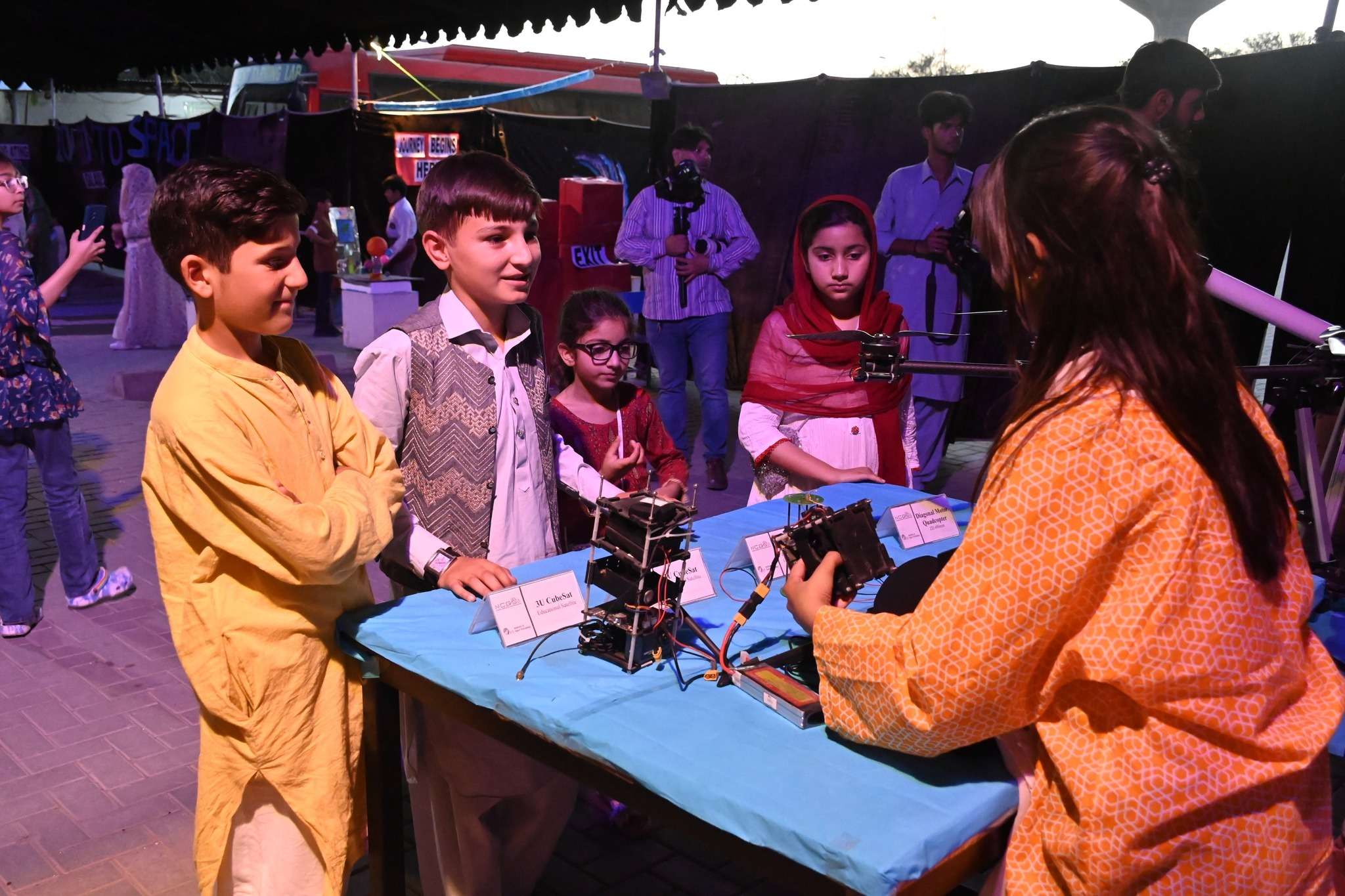
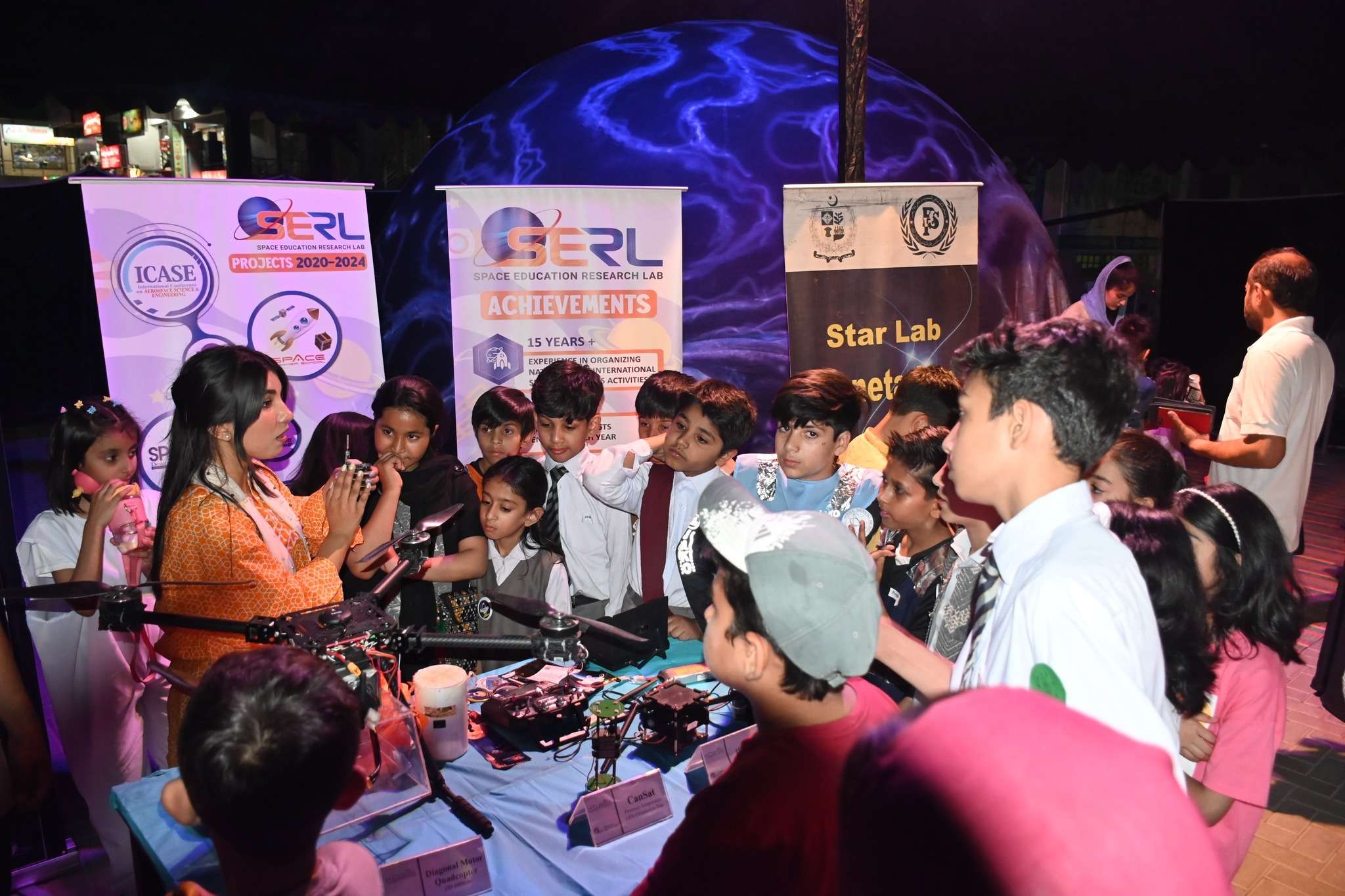
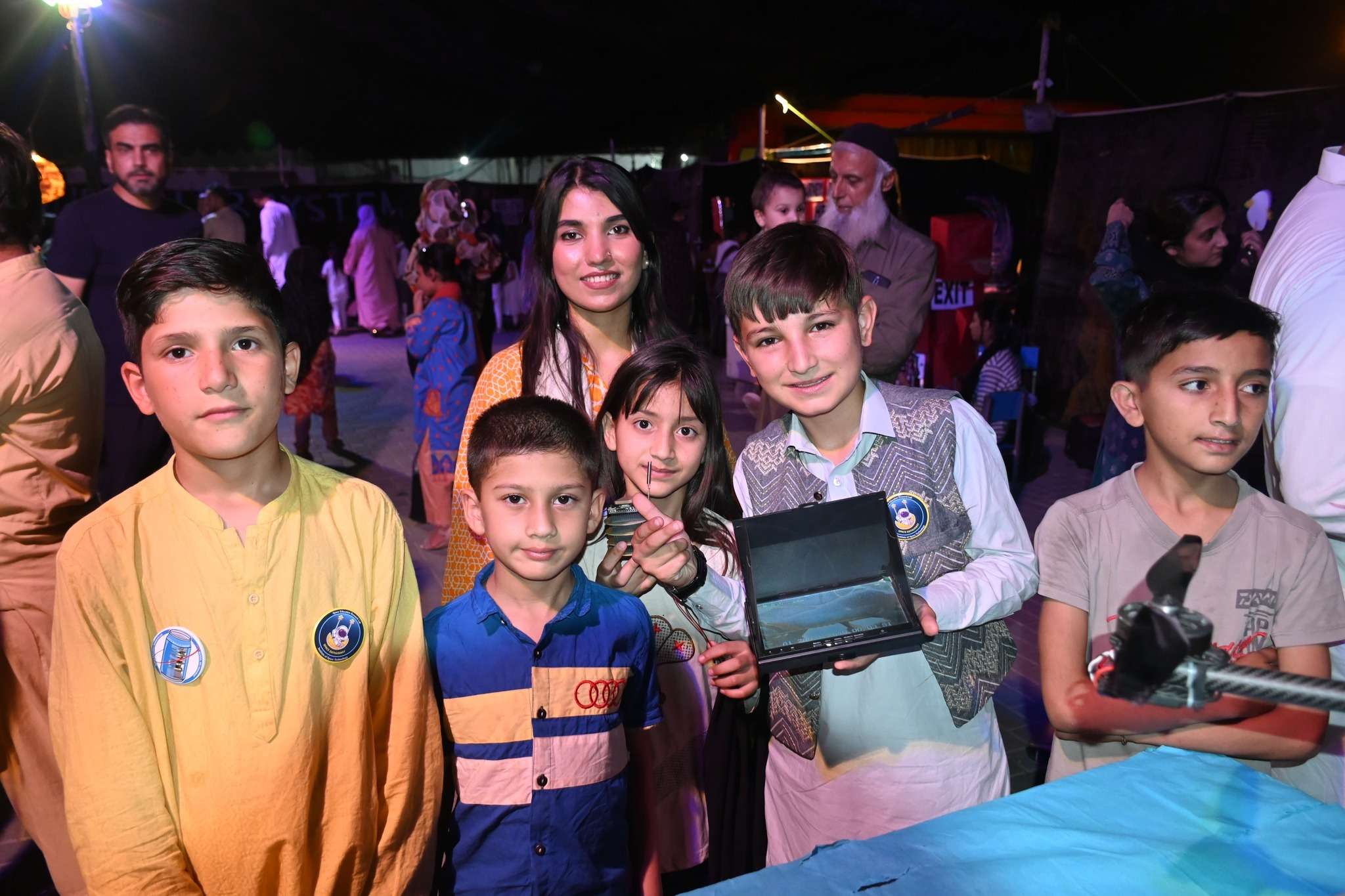
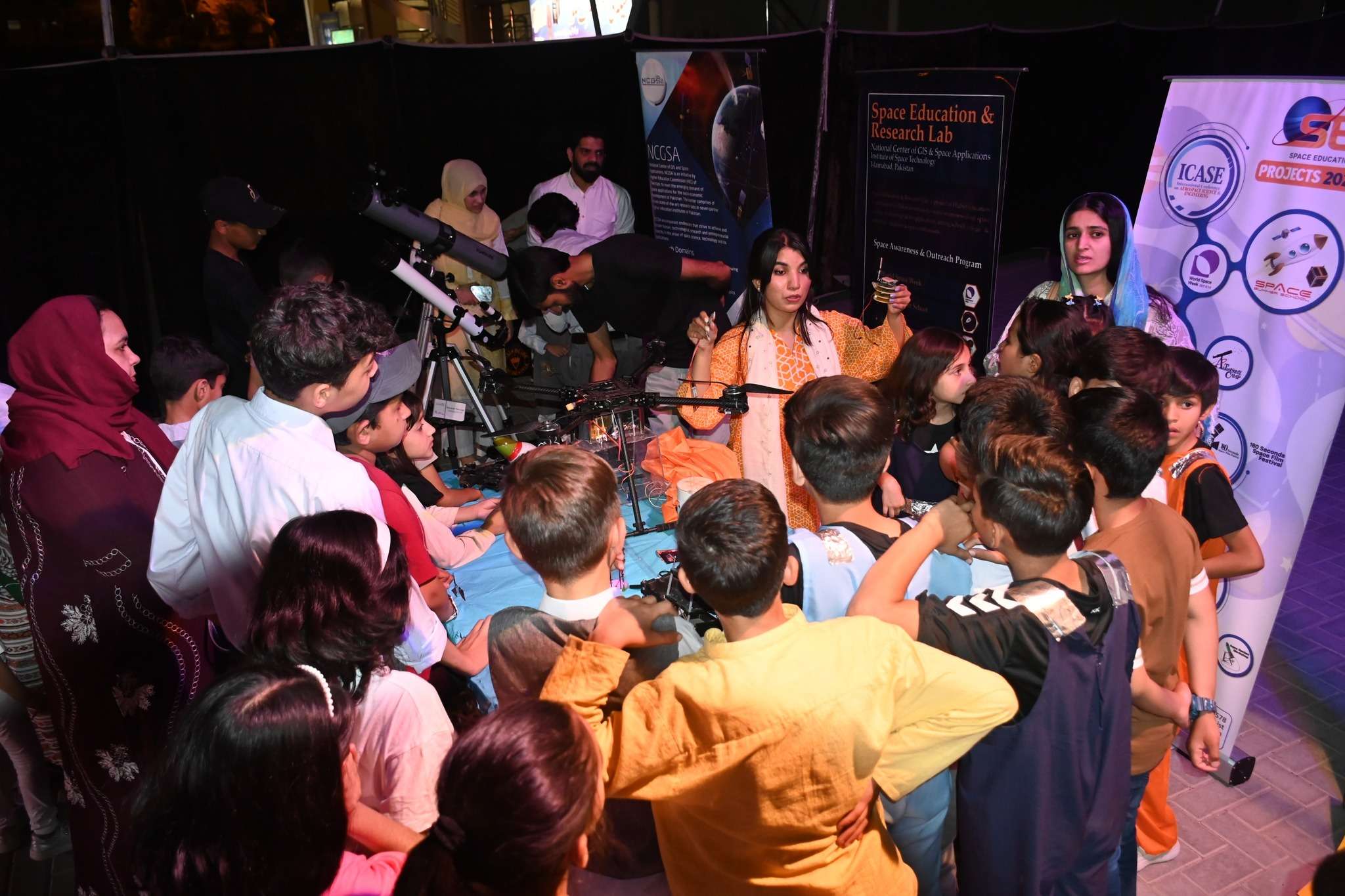
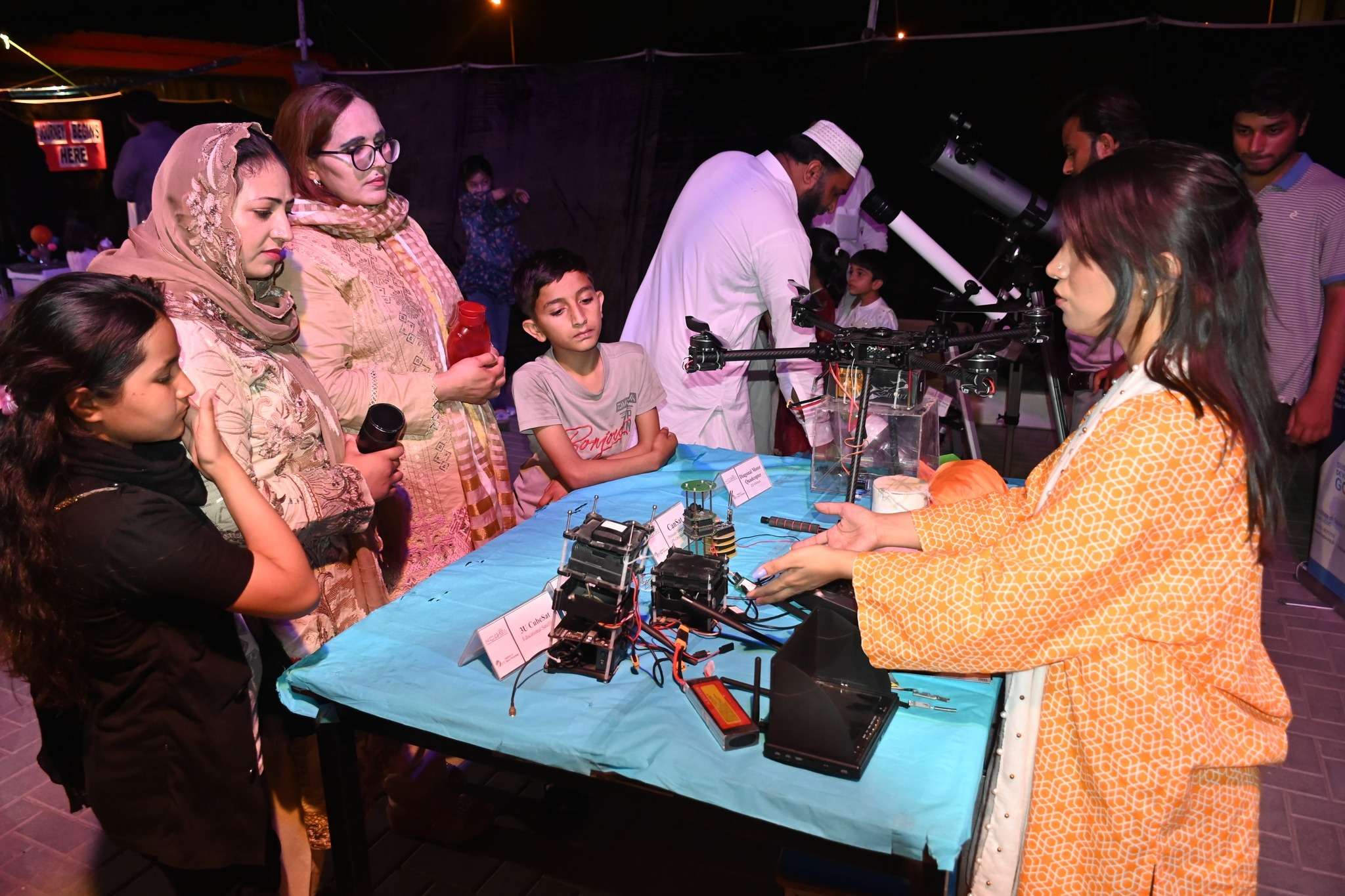
During the Space Expo 2024 at Learner’s School, the Space Education Research Lab (SERL) presented an extensive showcase of its projects in the satellite technology domain along with initiatives in related areas of space science and engineering. The exhibition featured interactive displays, live demonstrations, and student-centered activities designed to make complex space concepts accessible to diverse audiences. By engaging not only students but also parents, teachers, and the wider community, the event created an inclusive platform to highlight the significance of space science, technology, and its real-world applications in communication, navigation, Earth observation, and climate monitoring. The Expo served as a bridge between research and public awareness, inspiring curiosity among younger generations while emphasizing the role of space education in preparing Pakistan for its expanding participation in the global space sector.
STEM Olympiad and Business Expo 2024
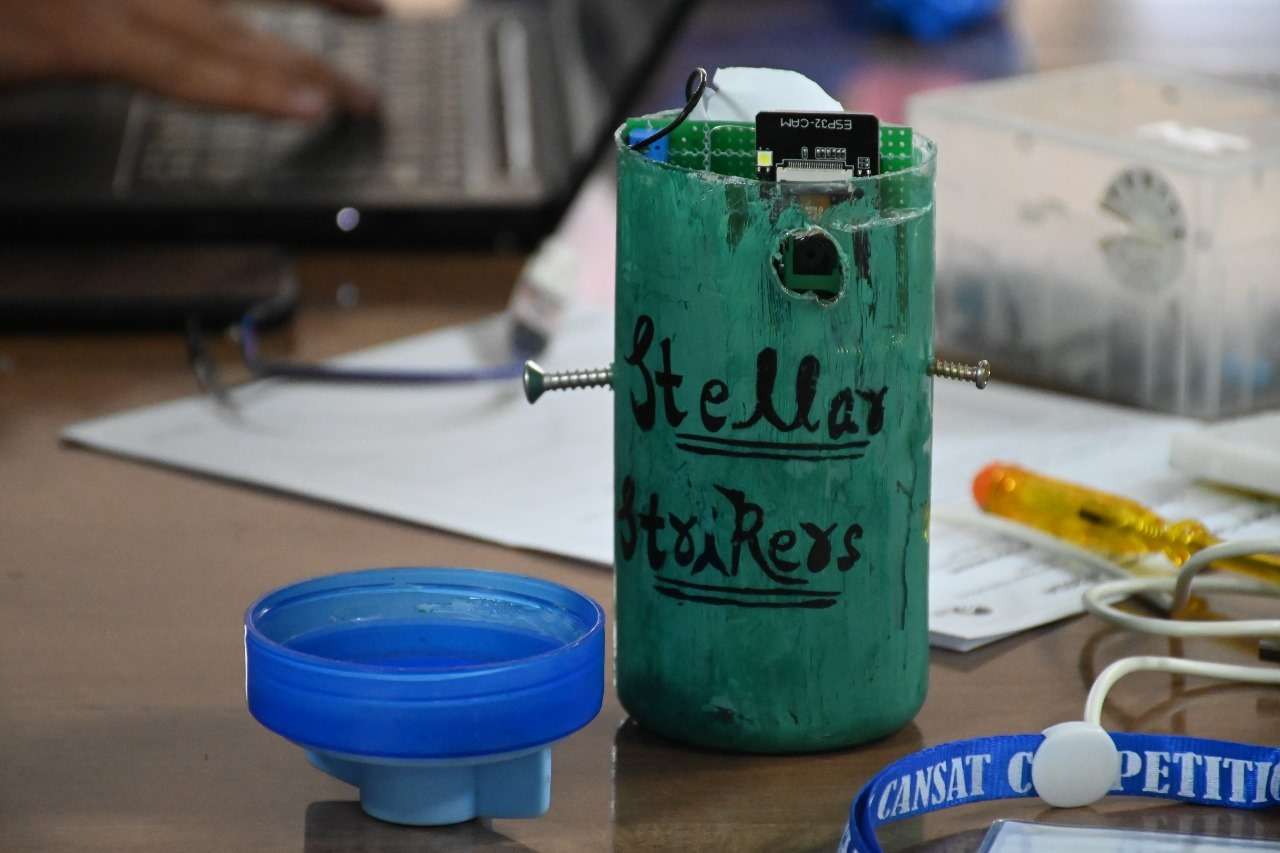
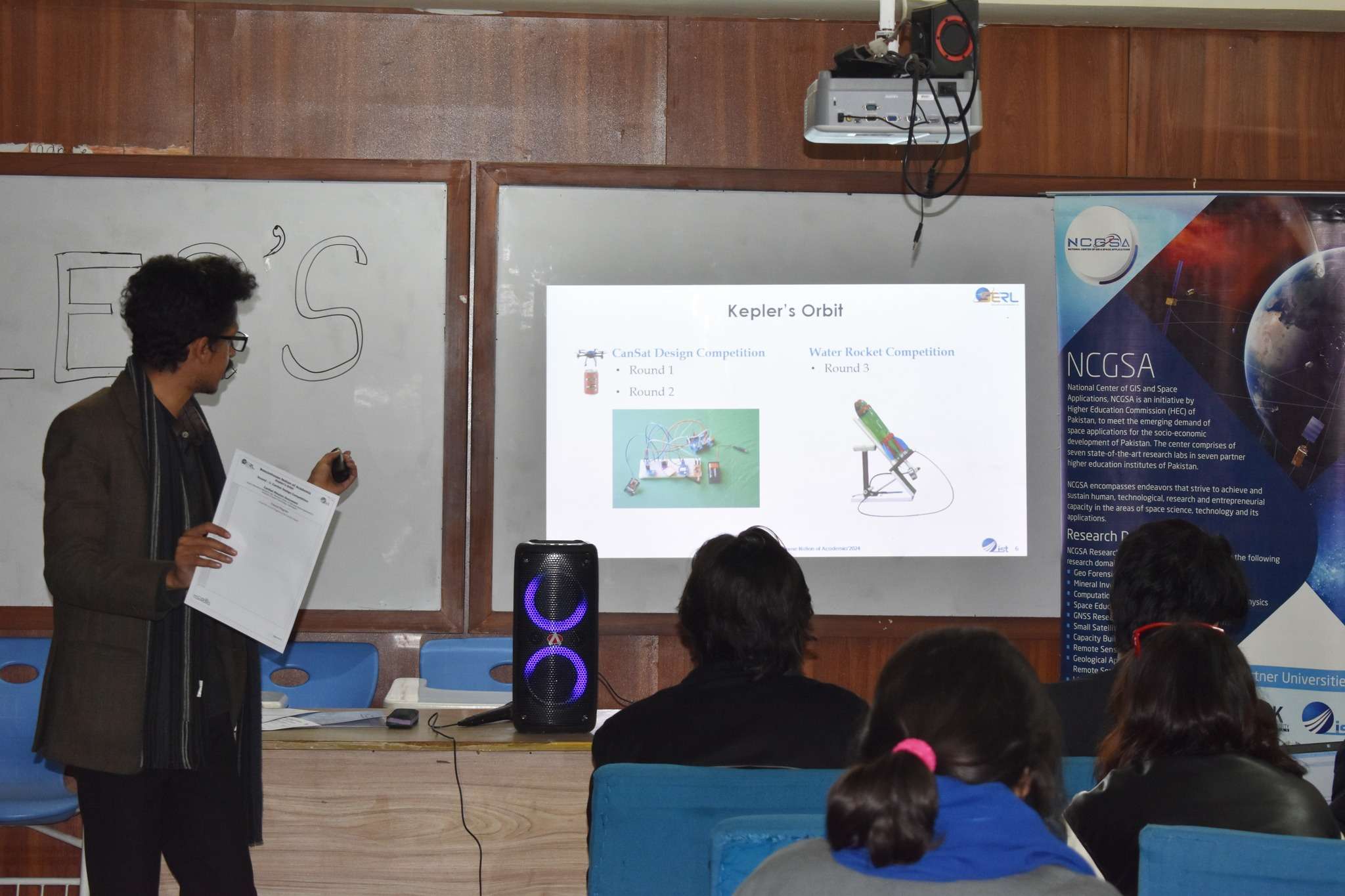
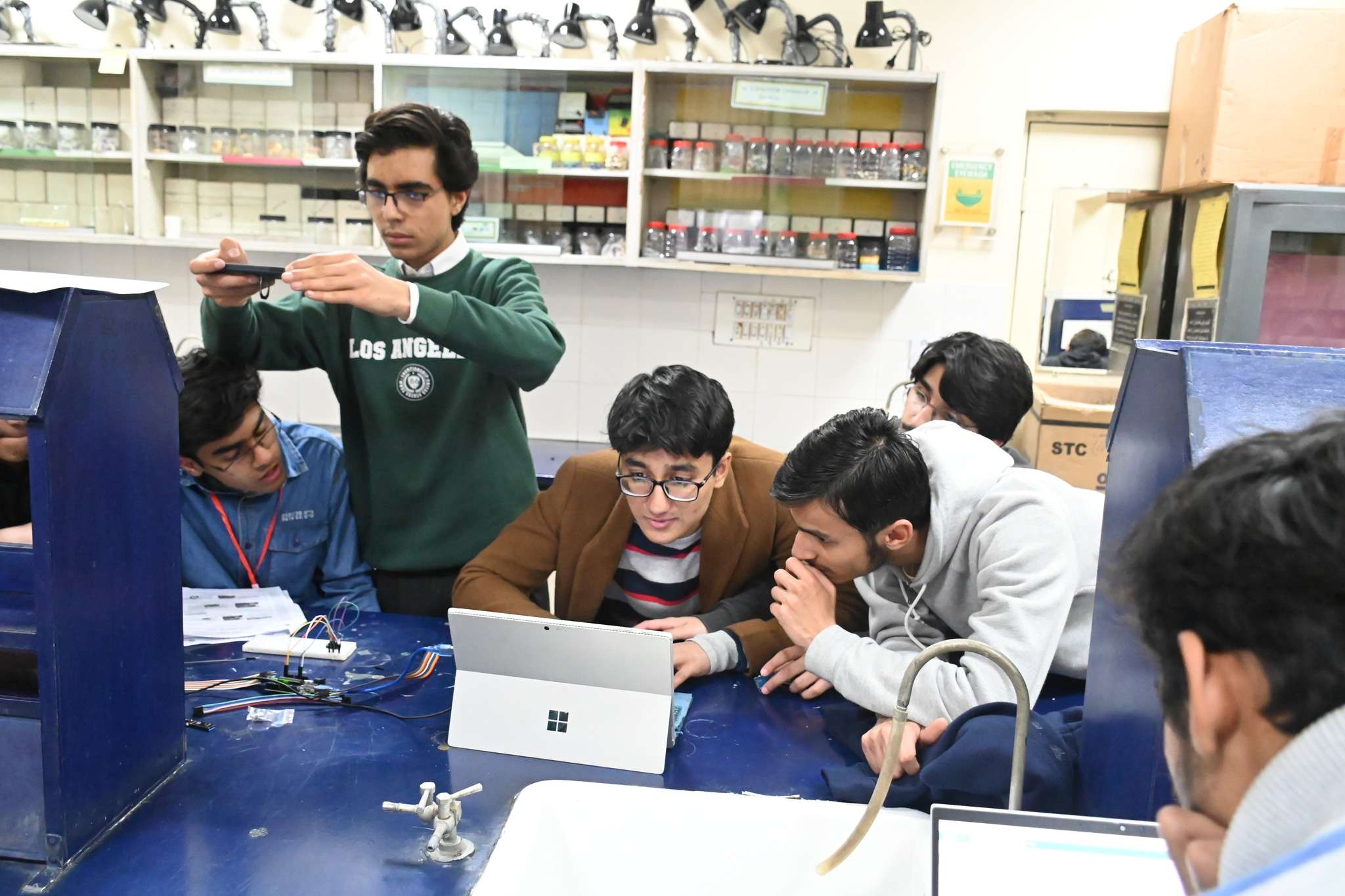
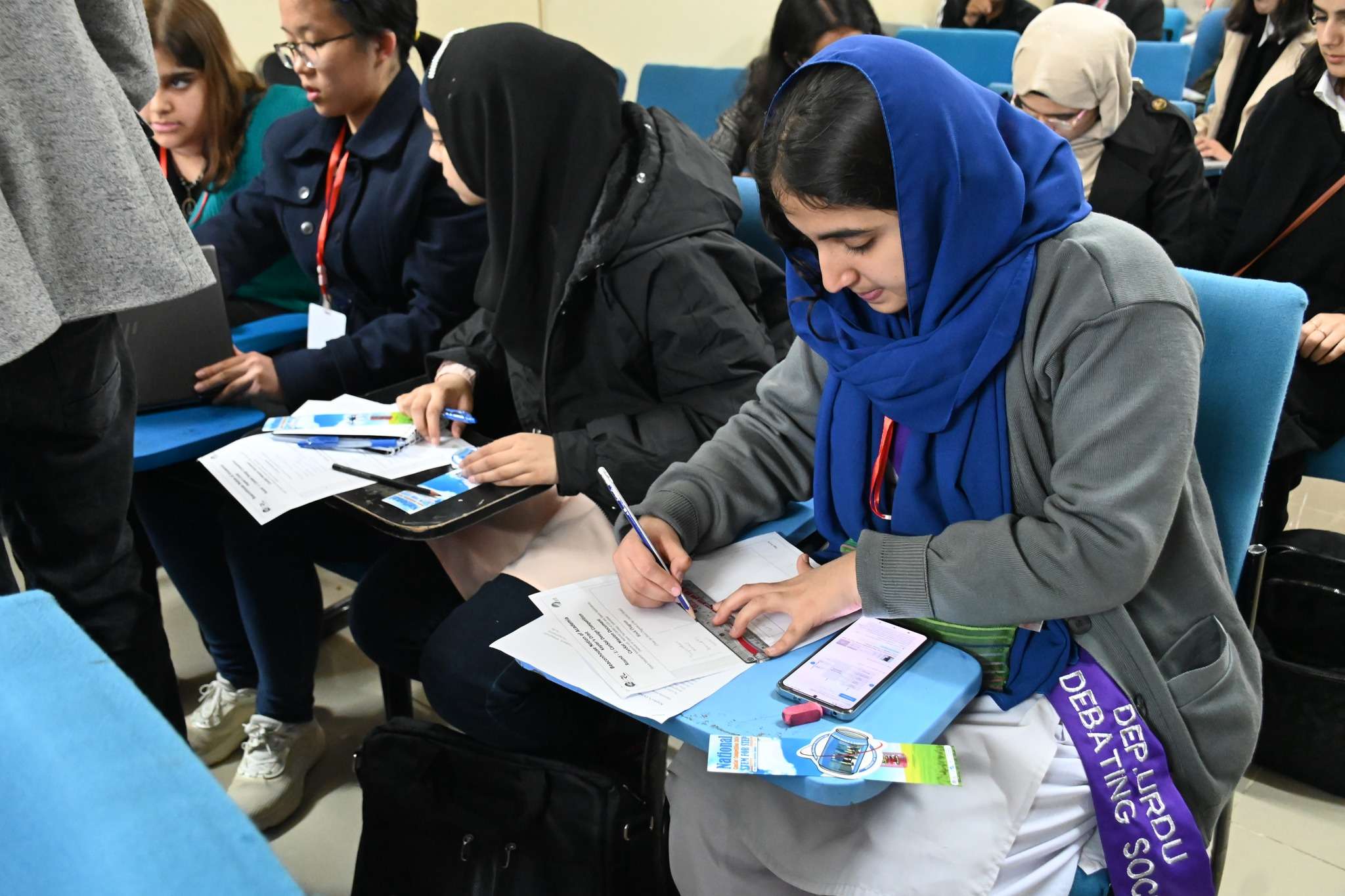
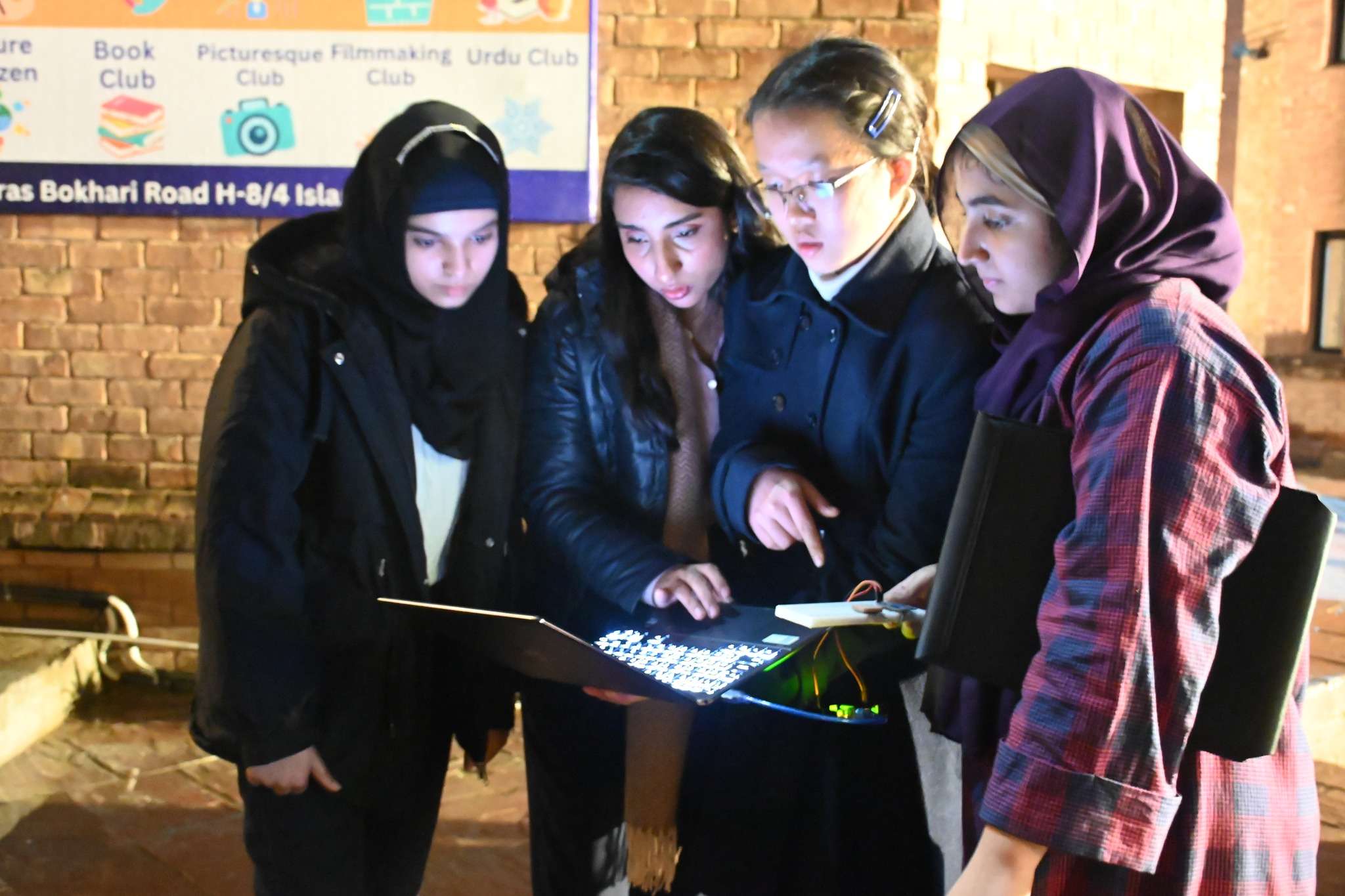
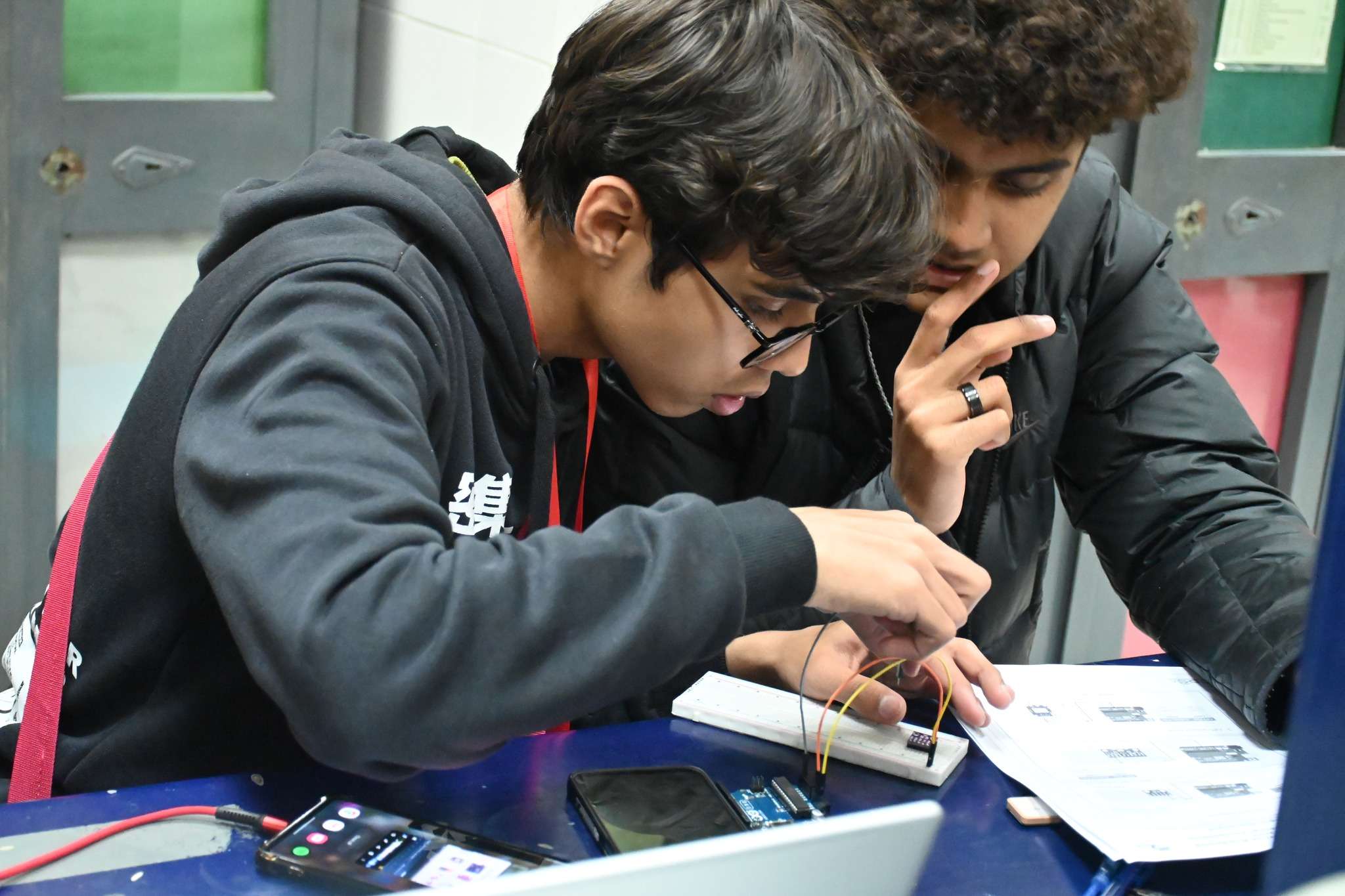
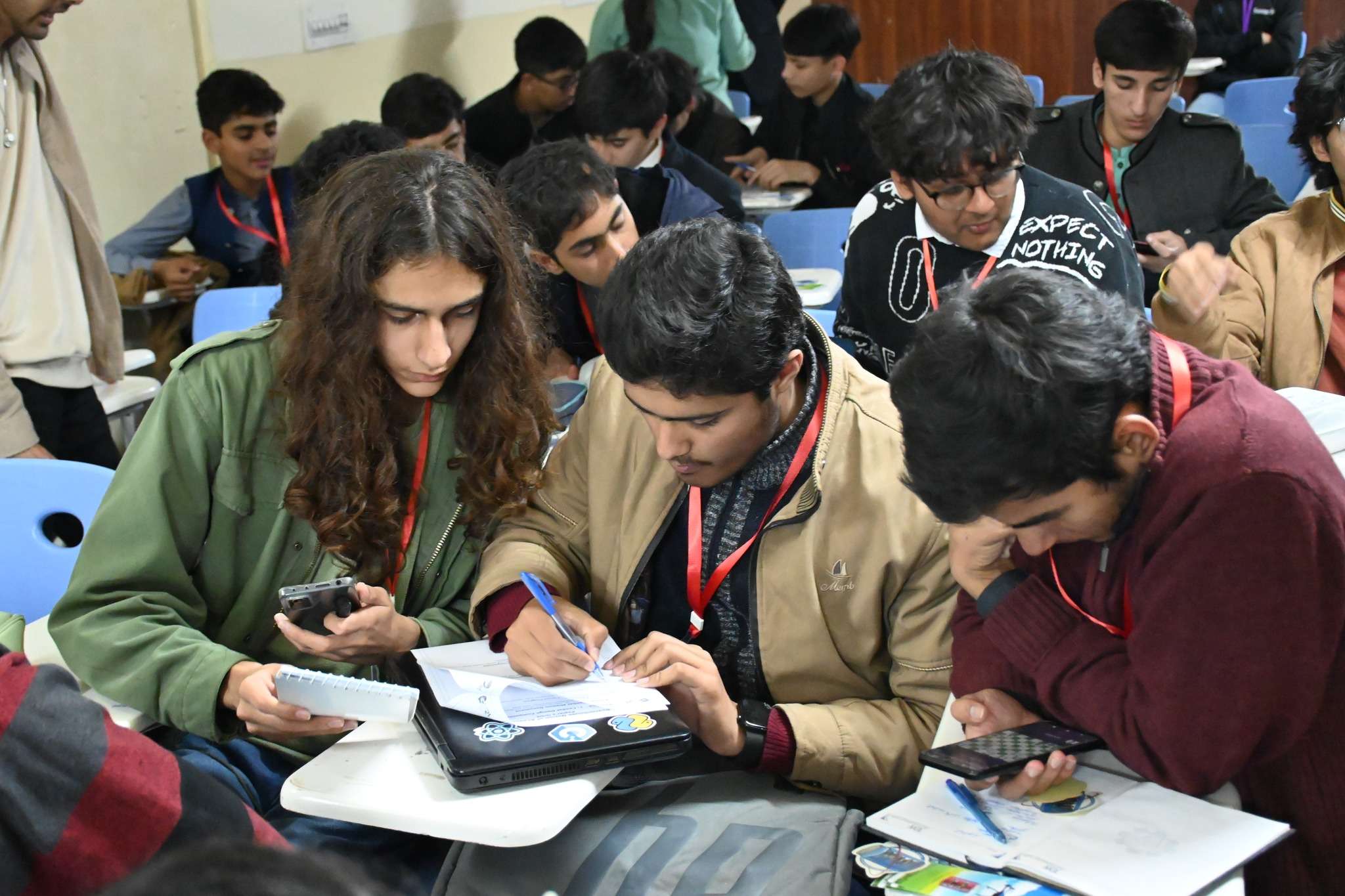
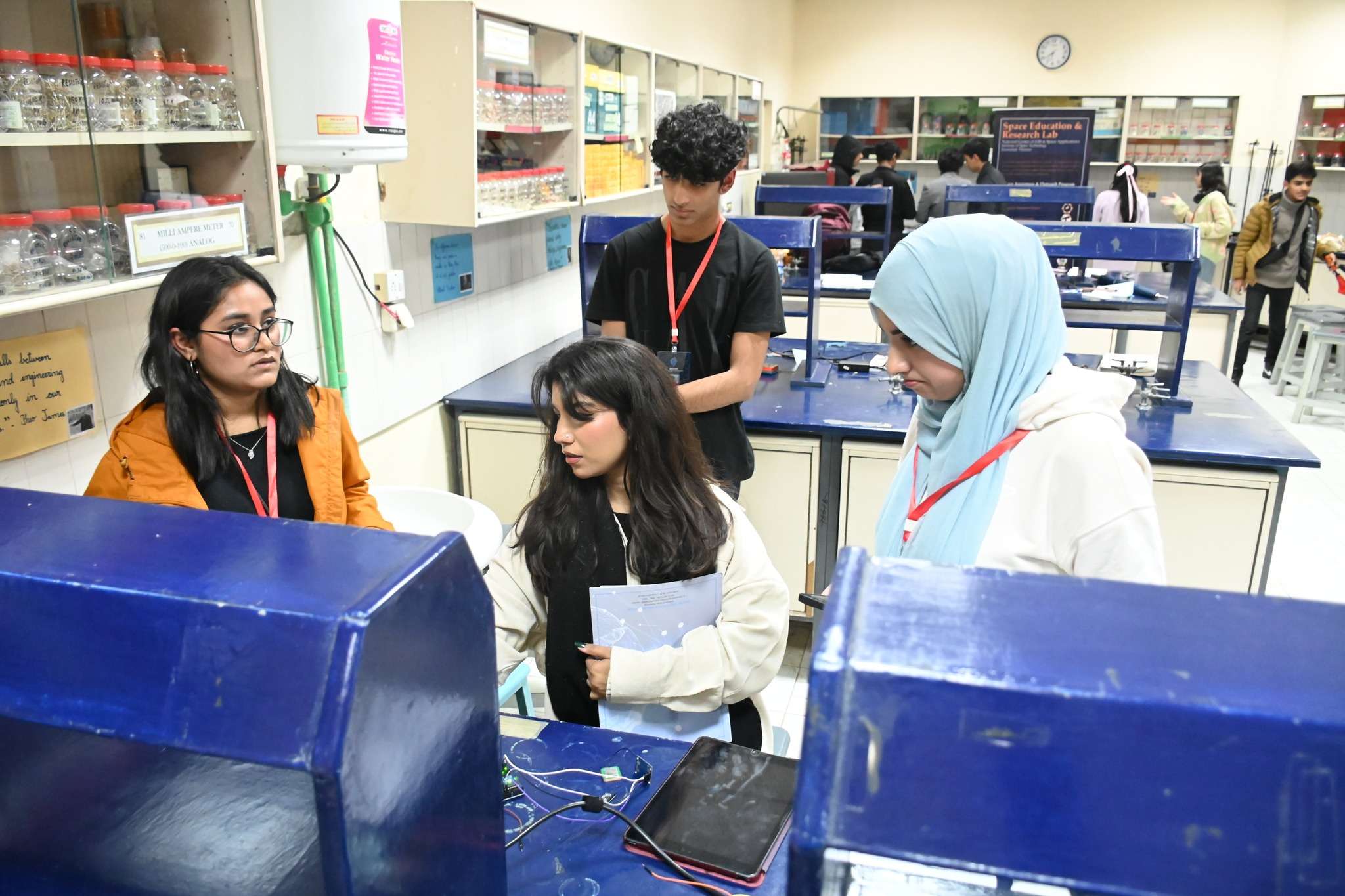
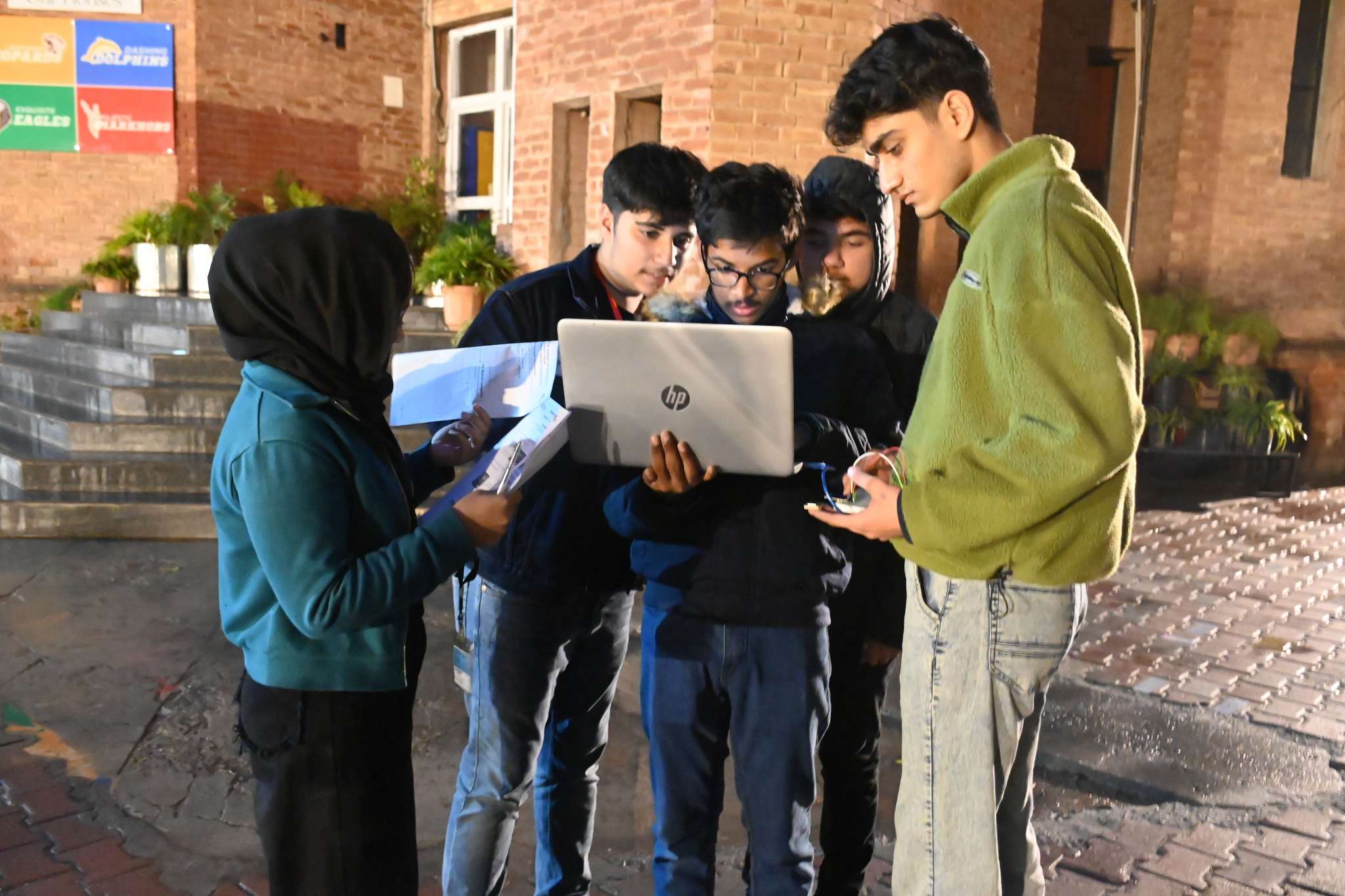
As part of a three-day Destination School held at Beaconhouse Margalla Campus, a CanSat Mission Design and Development Competition was organized for O- and A-Level students, providing them with an early exposure to space science and engineering. The program commenced with an interactive session on CanSat mission design, where participants were introduced to the fundamentals of miniature satellite missions, including mission objectives, subsystem roles, and design methodology. Building on this foundation, students engaged in structured hands-on activities that required them to prepare detailed mission reports, outline technical parameters, and demonstrate their understanding of satellite workflows. The practical component of the competition involved integrating CanSat circuits on breadboards, enabling participants to collect and analyze real-time data, thereby bridging theoretical knowledge with applied experimentation. This immersive experience not only introduced students to the principles of satellite systems and space technology but also encouraged teamwork, analytical thinking, and problem-solving in a competitive yet collaborative learning environment.
Webinar on The CanSat STEM for Space Technology- STEMx 2024
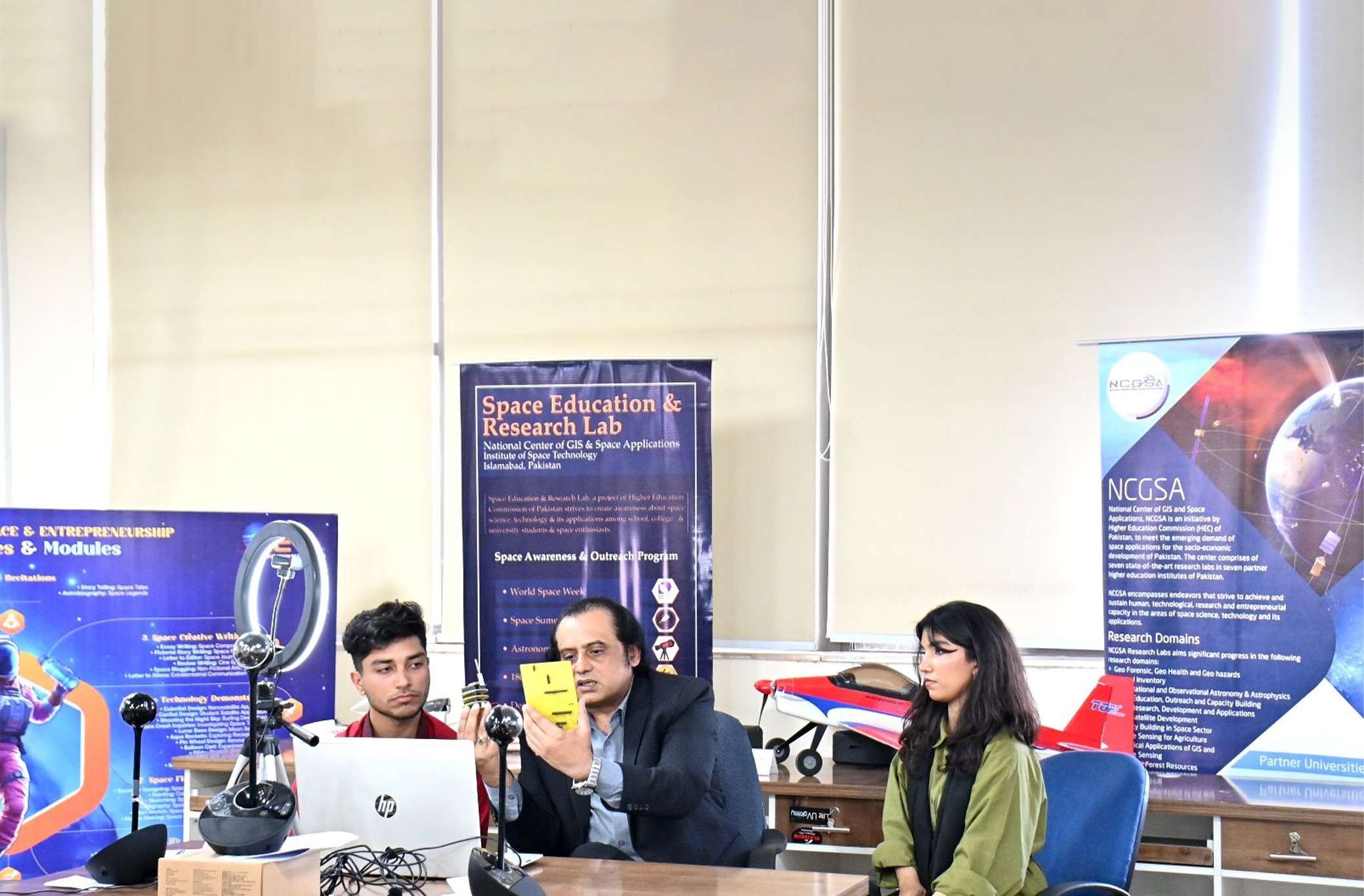
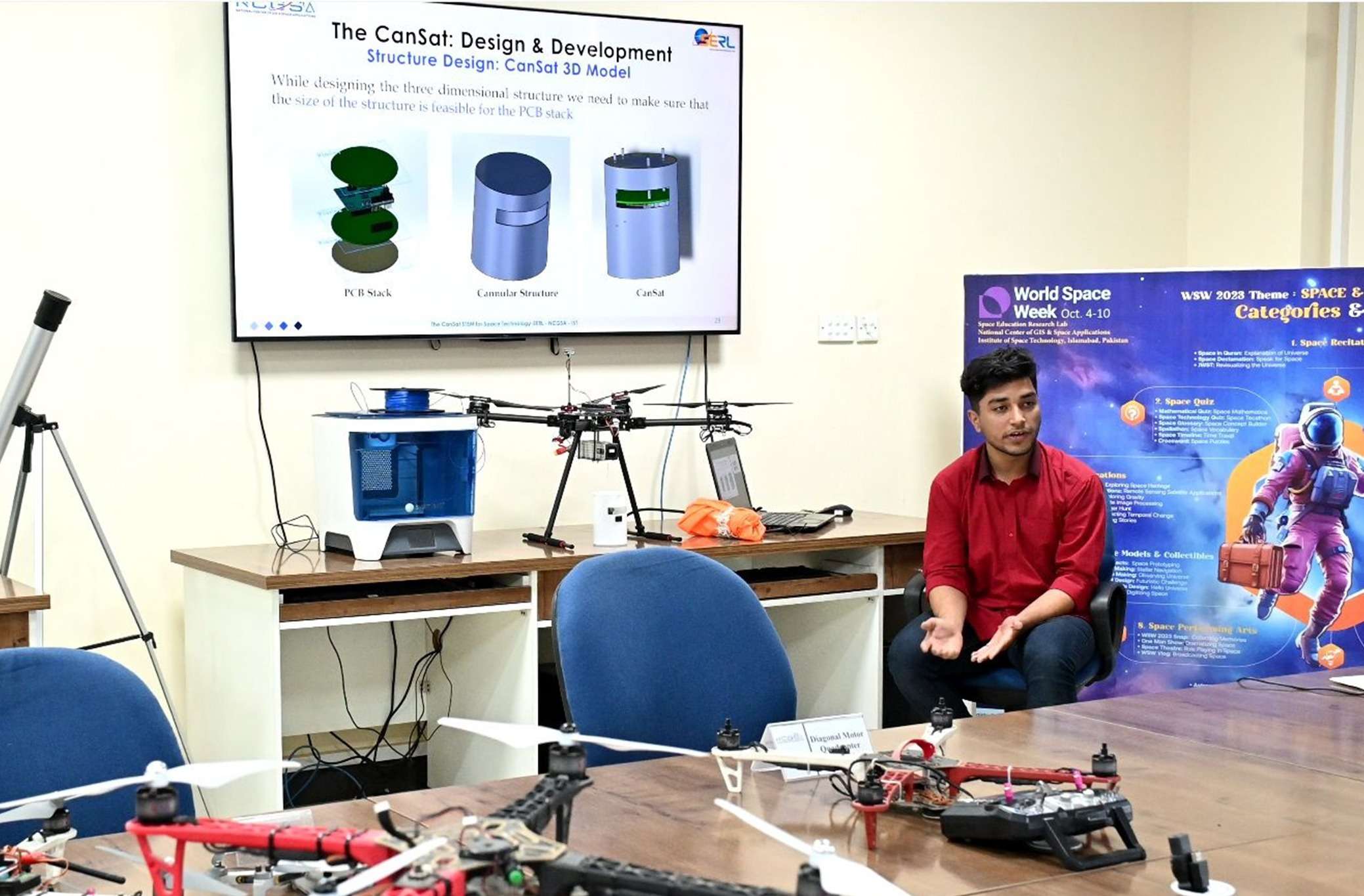
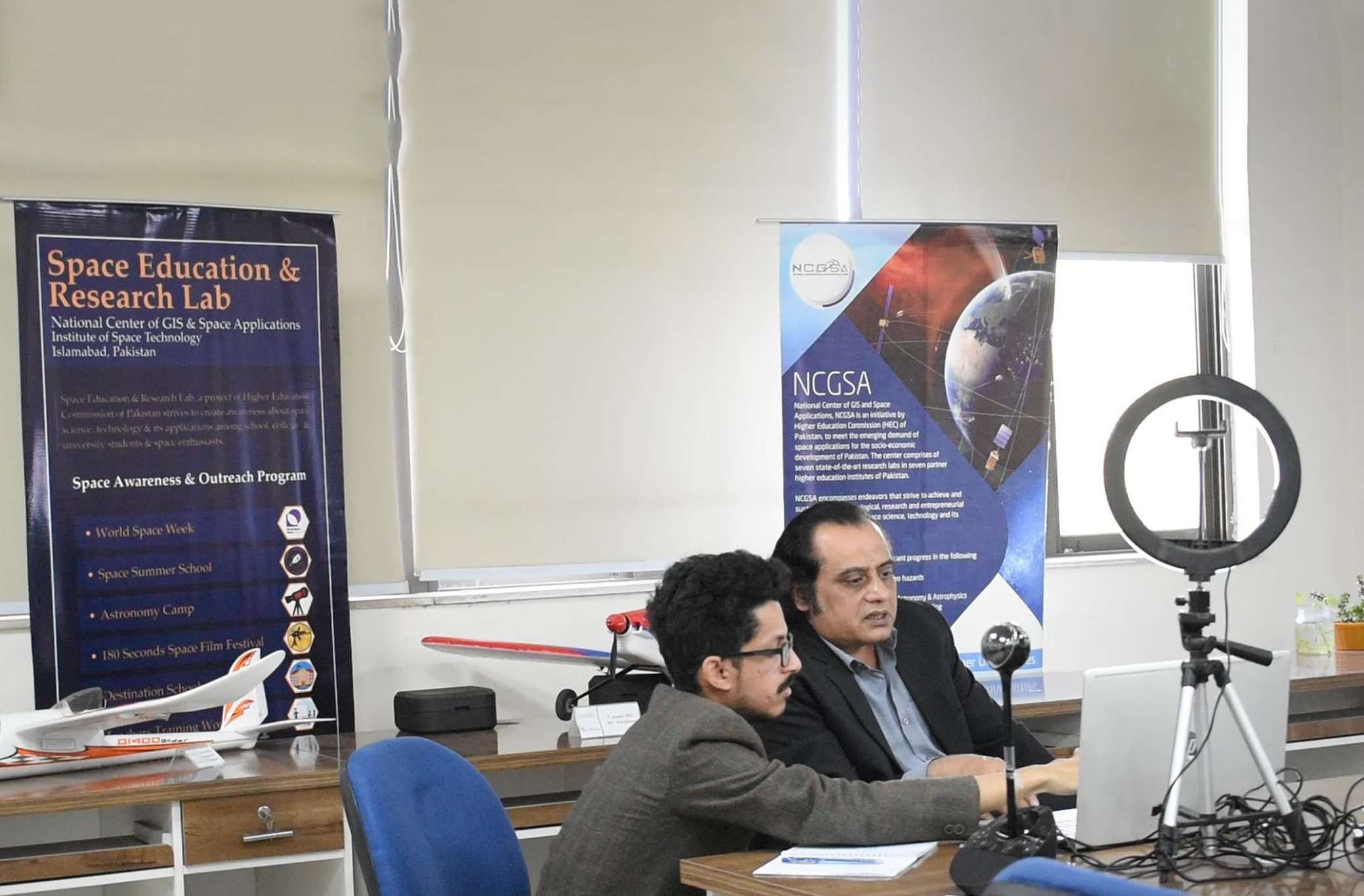
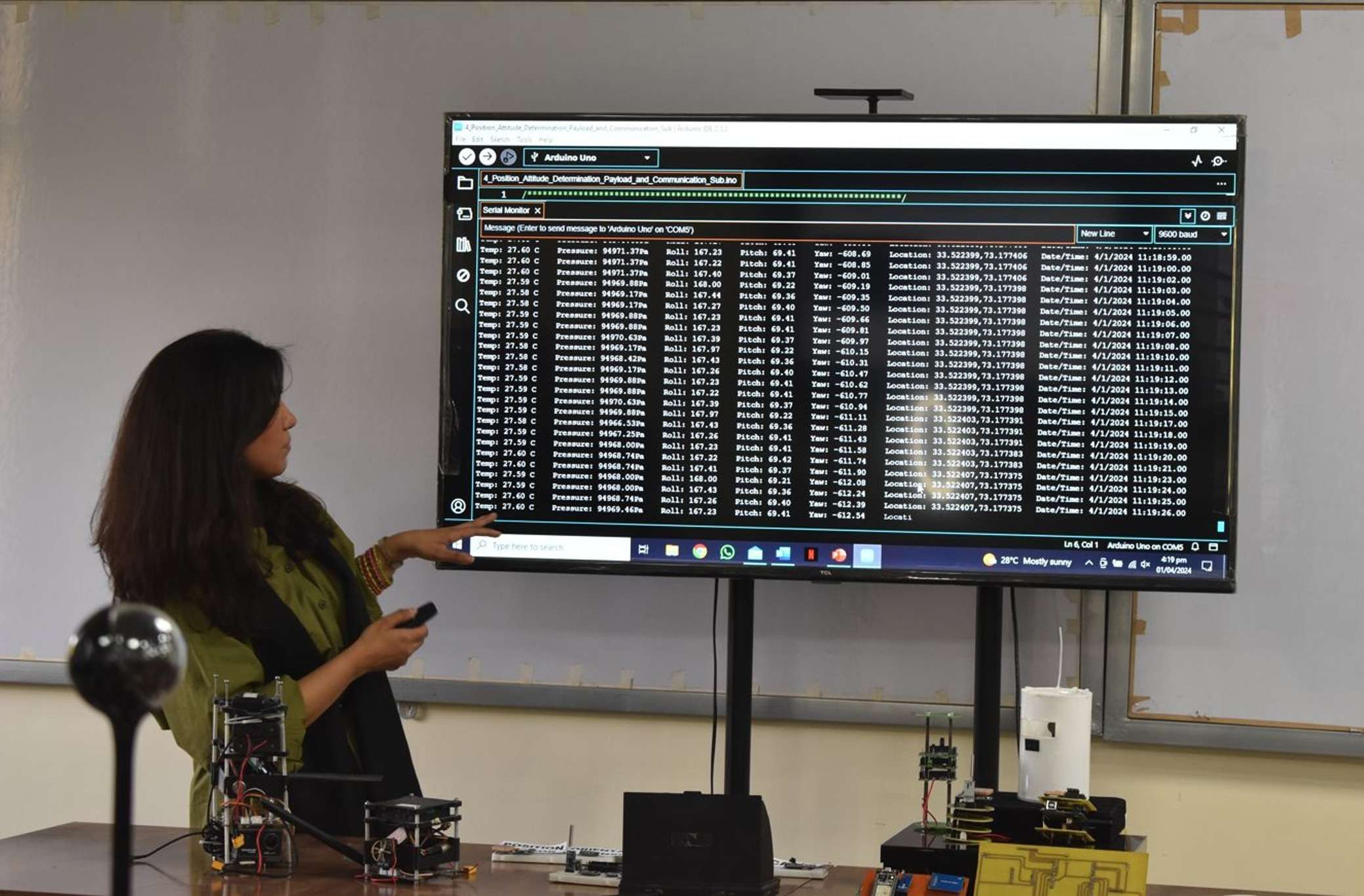
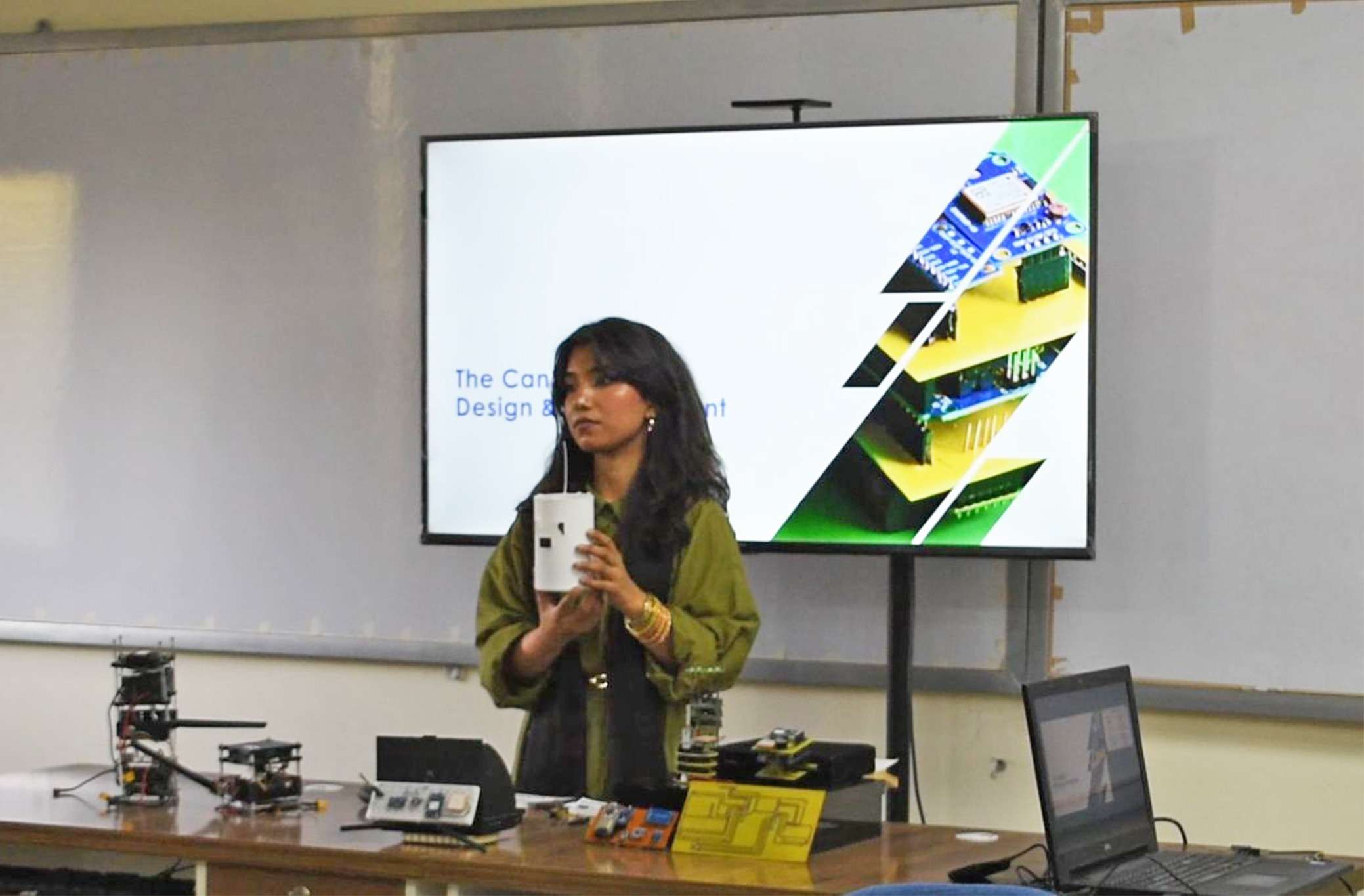
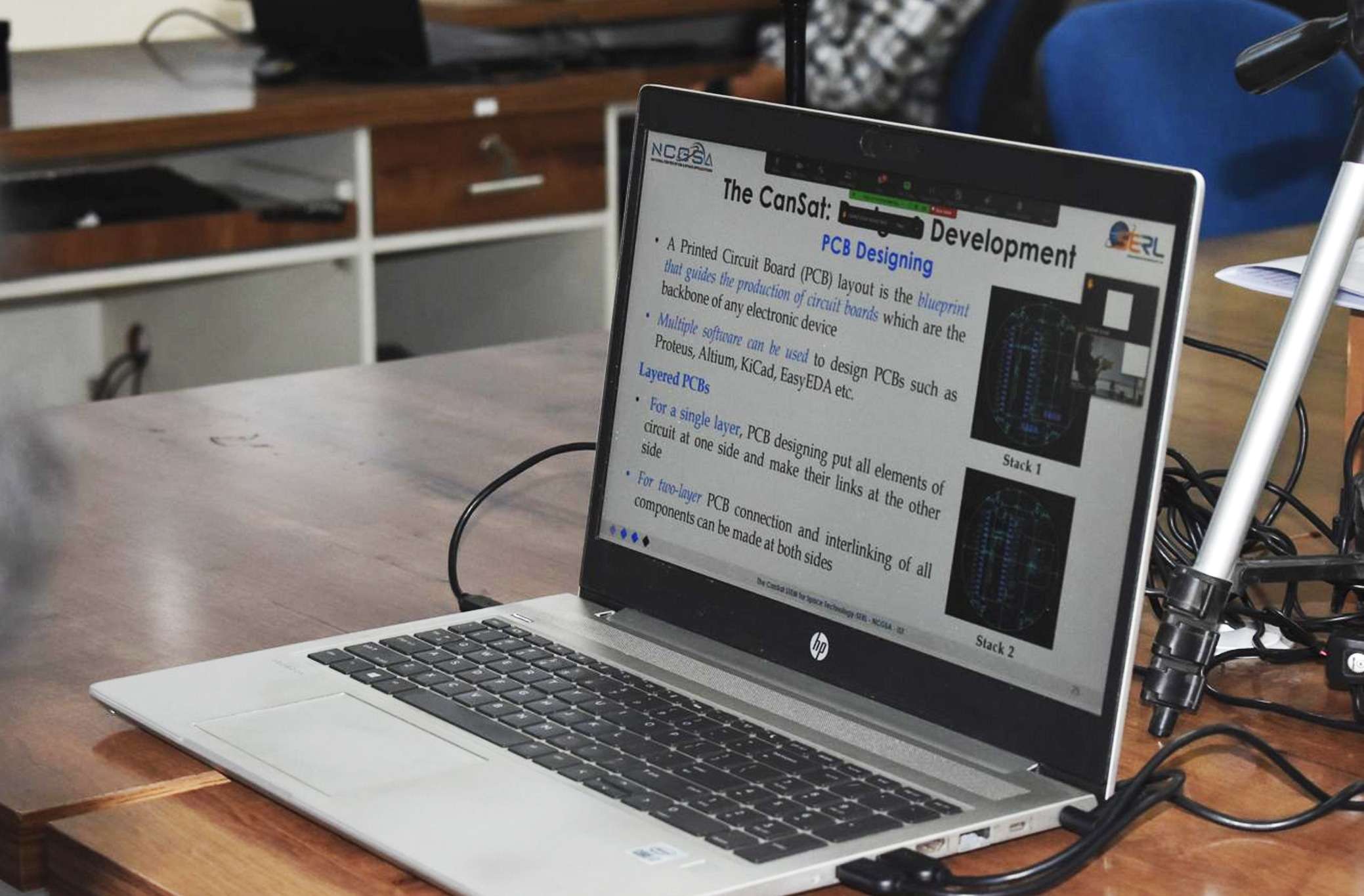
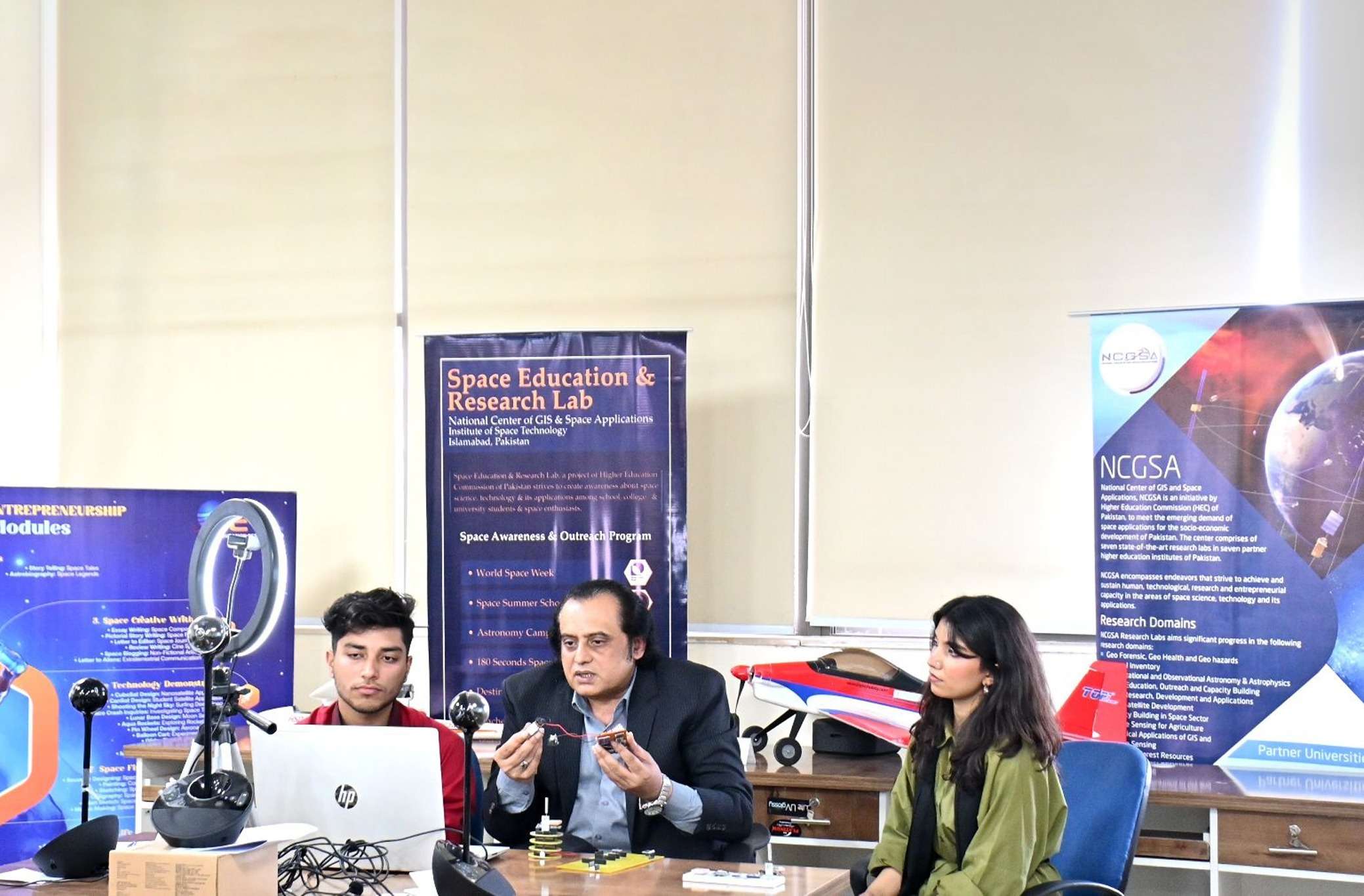
A one-hour webinar on CanSat mission architecture, design methodology, subsystem integration, and launch procedures was delivered by subject-matter experts, providing participants with a comprehensive introduction to miniature satellite systems. The session systematically covered the complete development workflow, beginning with mission planning and requirement definition, followed by payload configuration, telemetry and communication systems, PCB design and fabrication, structural considerations, and launch mechanisms. In addition to technical content, the experts outlined integration challenges, design trade-offs, and verification strategies, offering participants valuable insight into the practical complexities of satellite prototyping. Attended by more than 75 students and early-stage researchers from diverse academic backgrounds, the webinar functioned as an introductory yet structured platform for building foundational knowledge in CanSat technology. It also highlighted the relevance of CanSat projects as scalable training models for CubeSat and nanosatellite development, thereby underlining their significance in capacity-building for the emerging space sector.
Space Engineering STEM School NUST College of Electrical and Mechanical Engineering- STEMx 2024
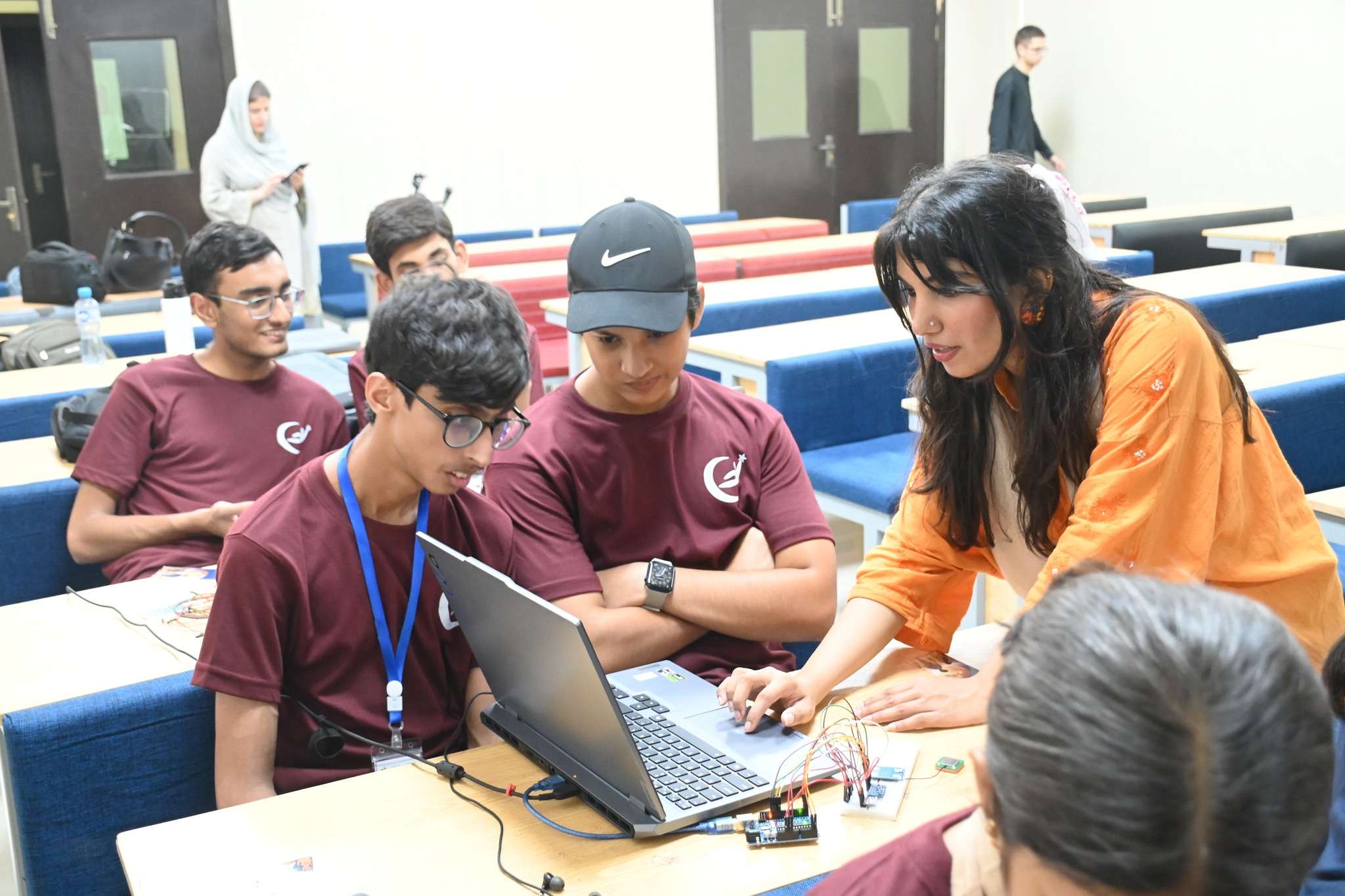
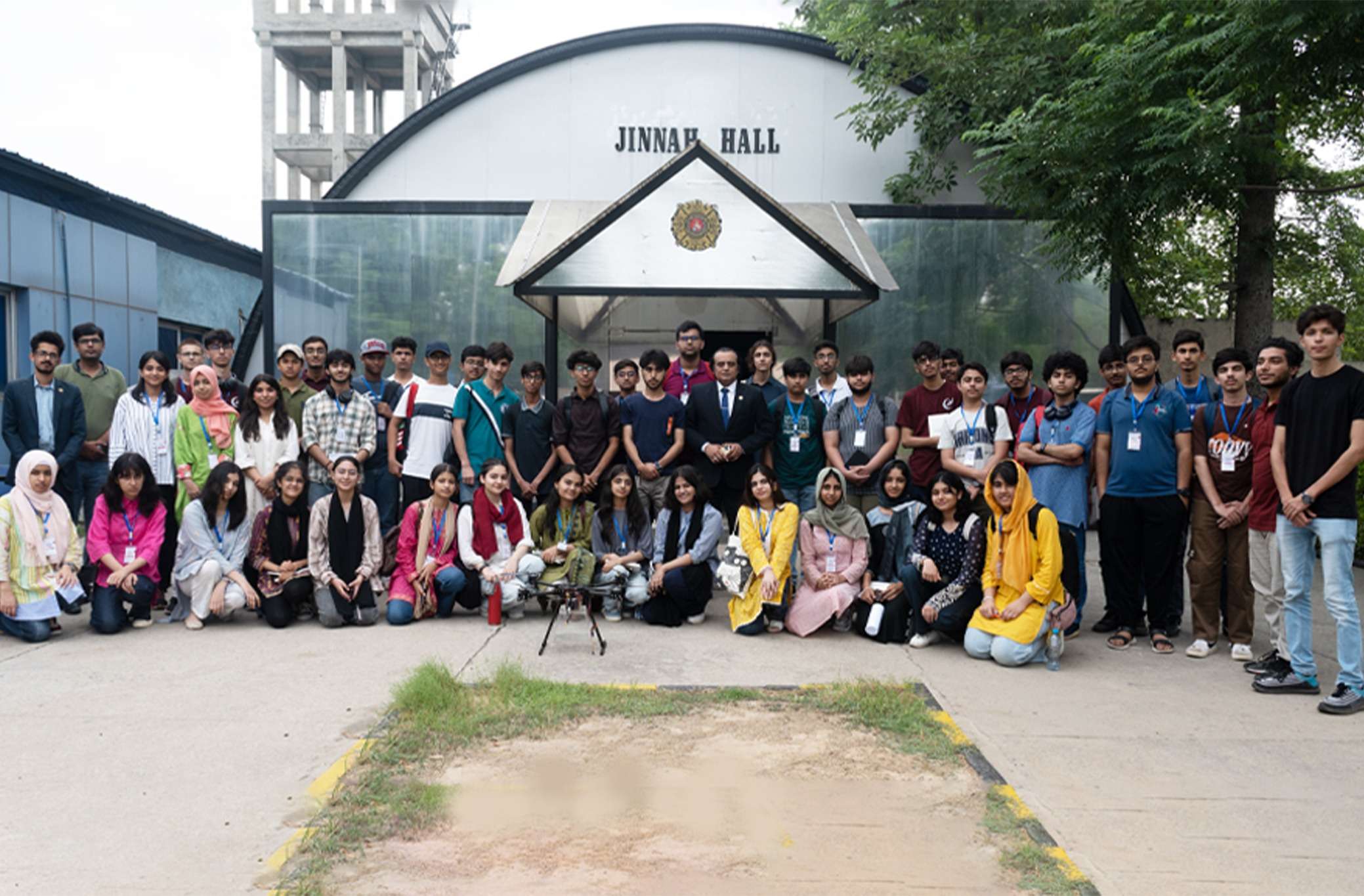
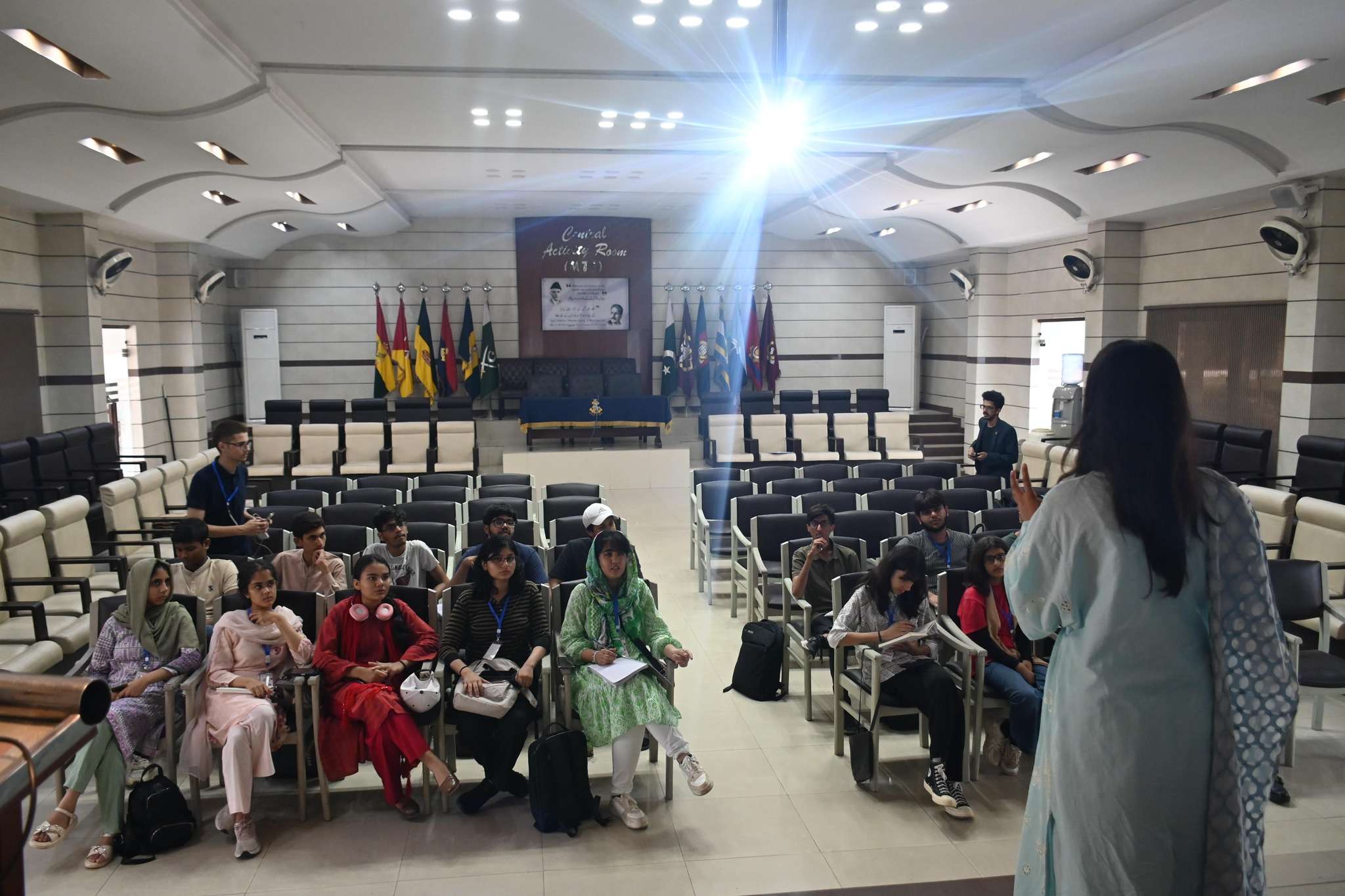
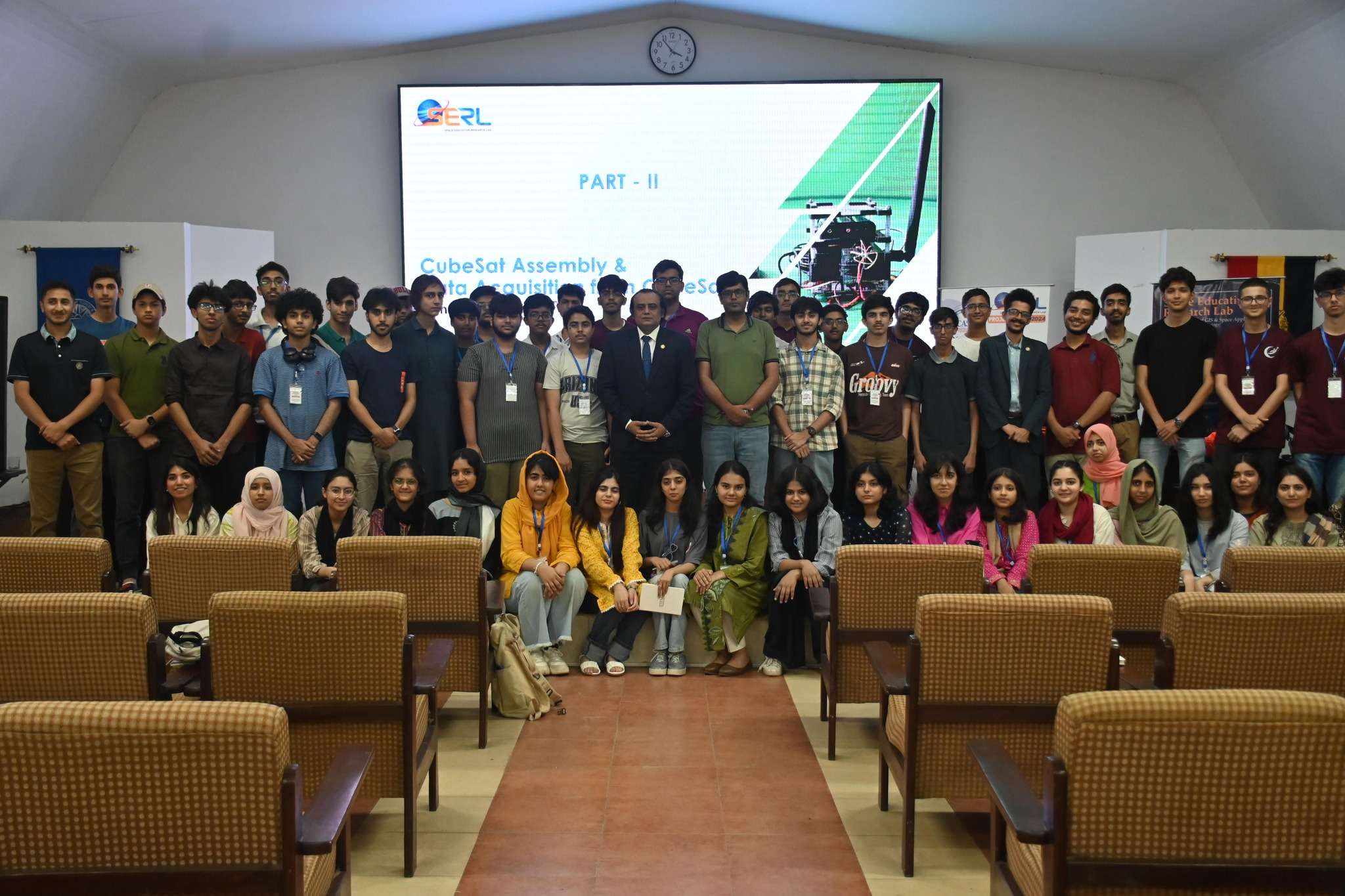
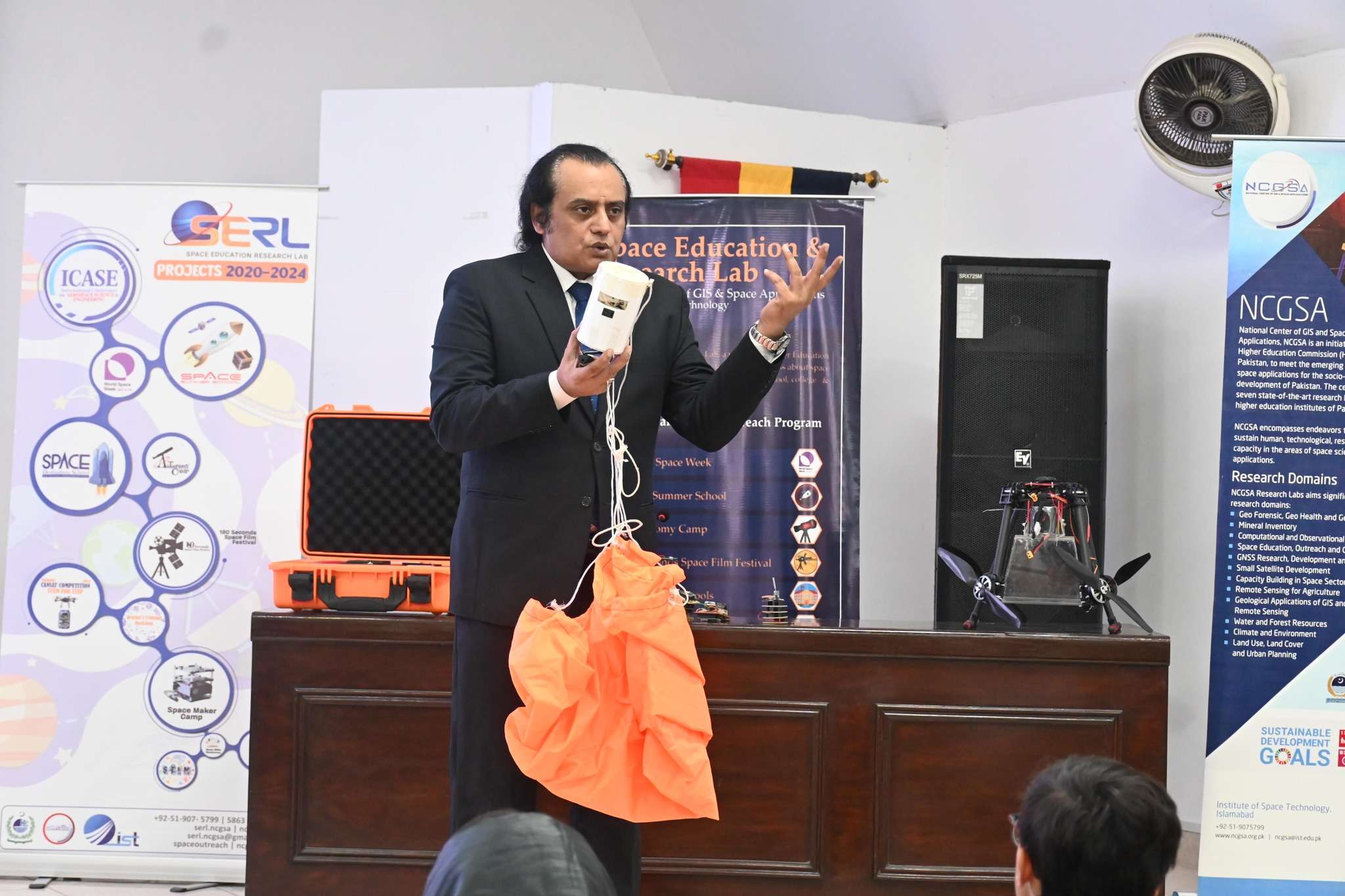
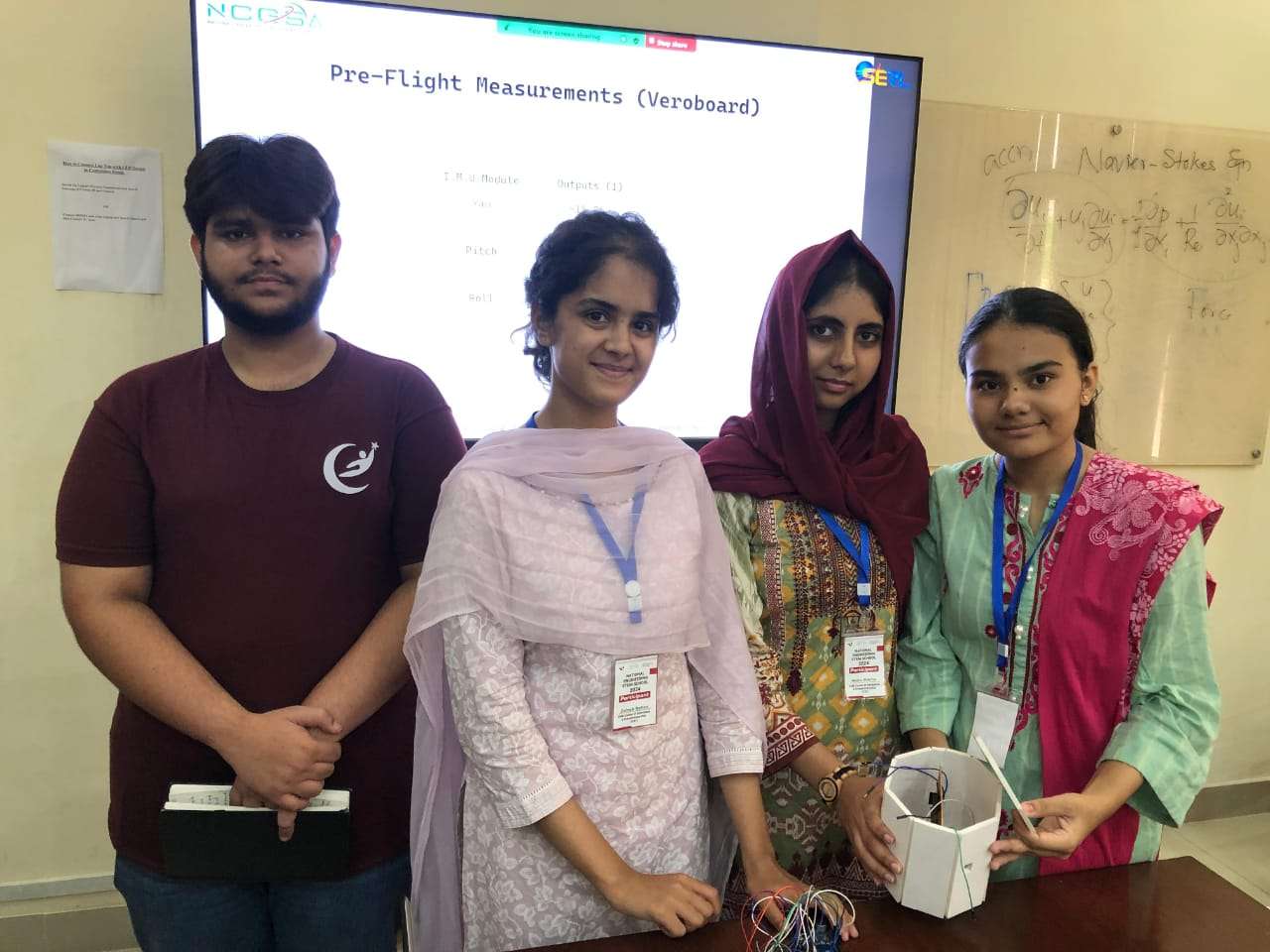
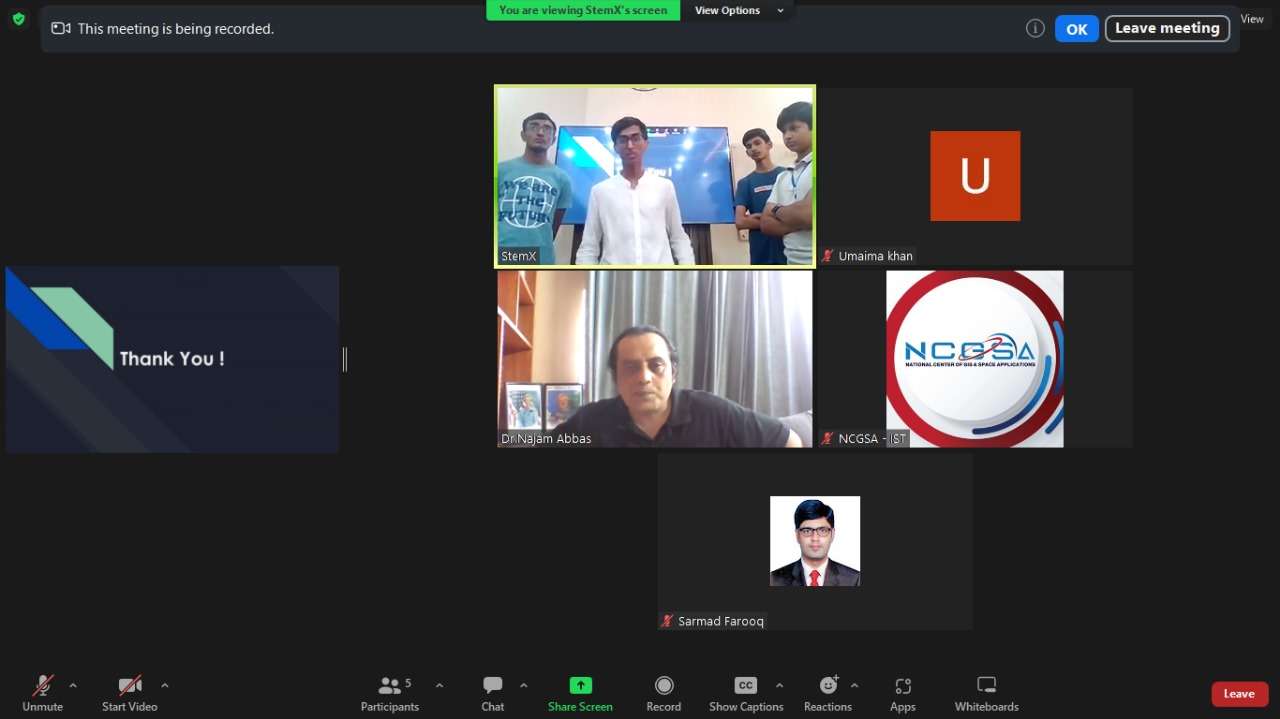
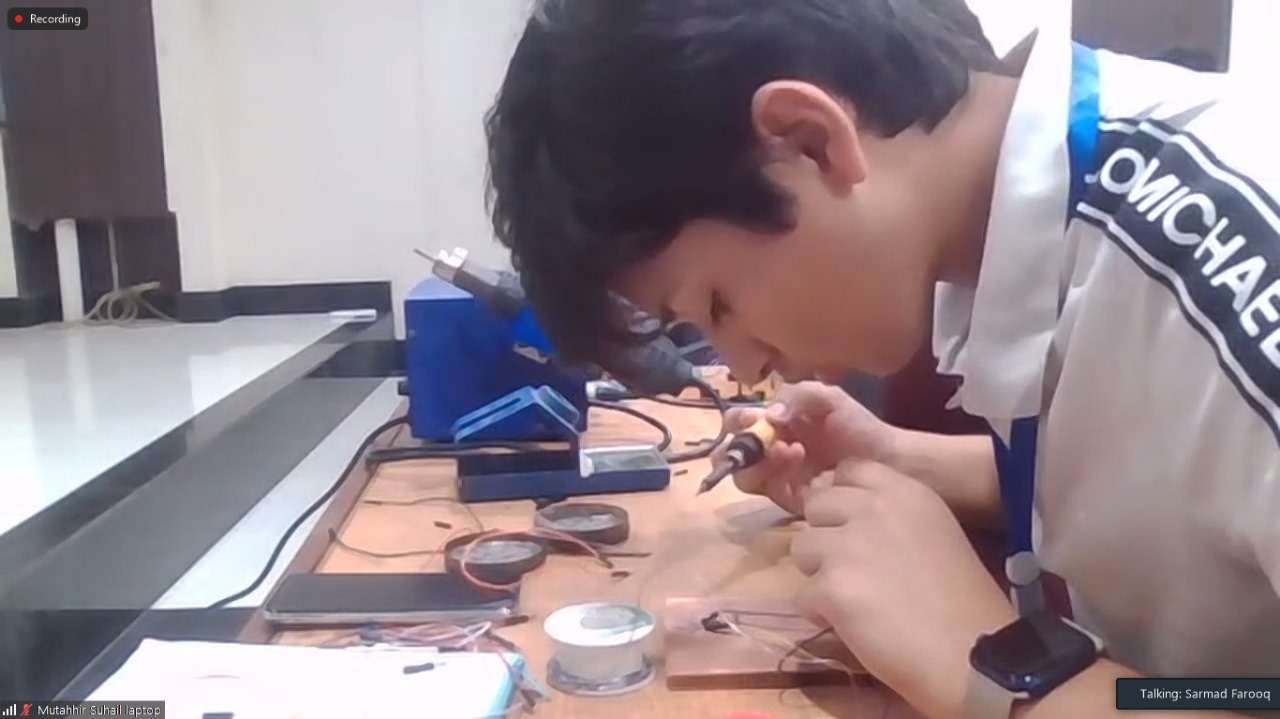
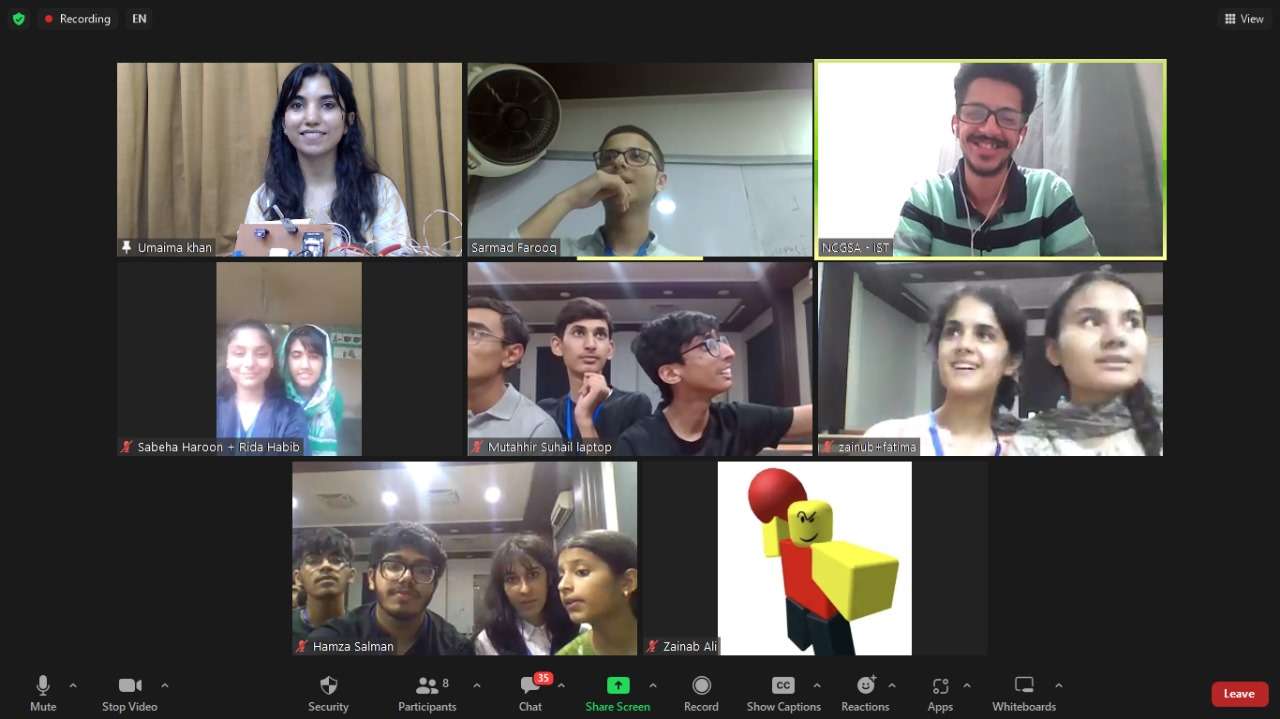
A five-day Satellite Engineering Workshop was conducted as part of the Engineering STEM School at NUST College of Electrical and Mechanical Engineering (E&ME), Islamabad, organized by STEMx – The STEM School for the World, from July 19–27, 2024. The program was designed to provide participants with a structured and immersive exposure to the fundamentals of satellite design and development. The workshop commenced with a featured lecture on “Introduction to Satellite Engineering”, where students were introduced to the principles of space missions, system hierarchies, and the interdisciplinary nature of satellite systems. Building upon this theoretical foundation, participants engaged in hands-on activities involving CubeSat assembly, subsystem integration, data acquisition, and launch demonstrations, thereby gaining practical insight into end-to-end workflows. As a highlight, four selected teams undertook the challenge of designing and developing their own CanSats, covering critical stages such as mission design, component selection, software simulation, and hardware integration. The projects were assessed on multiple criteria, including technical performance, structural design, mission presentation, and the quality of the final report. This rigorous evaluation framework encouraged participants to approach the activity with both engineering precision and innovative problem-solving.
National CanSat Competition 2024
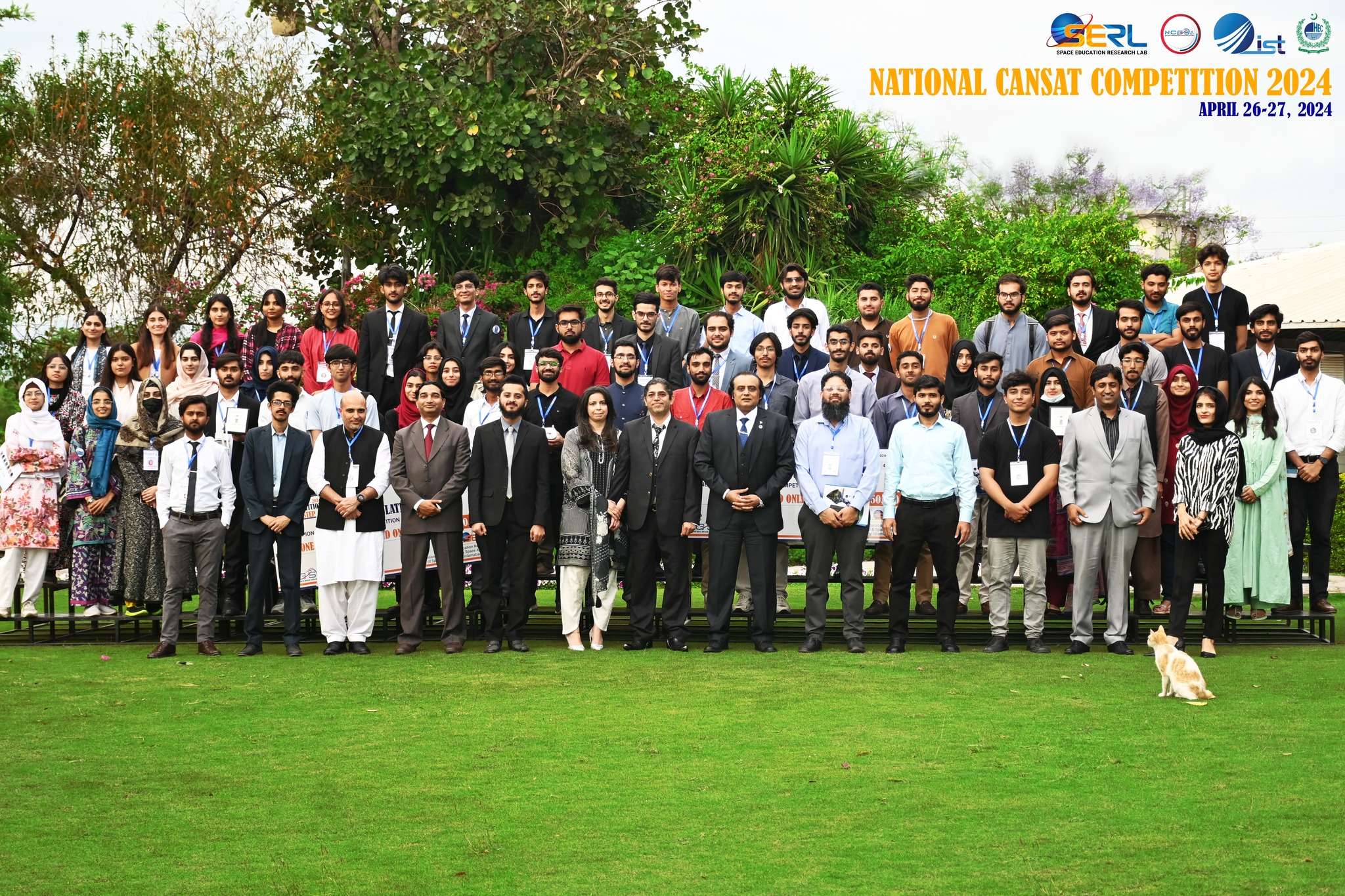
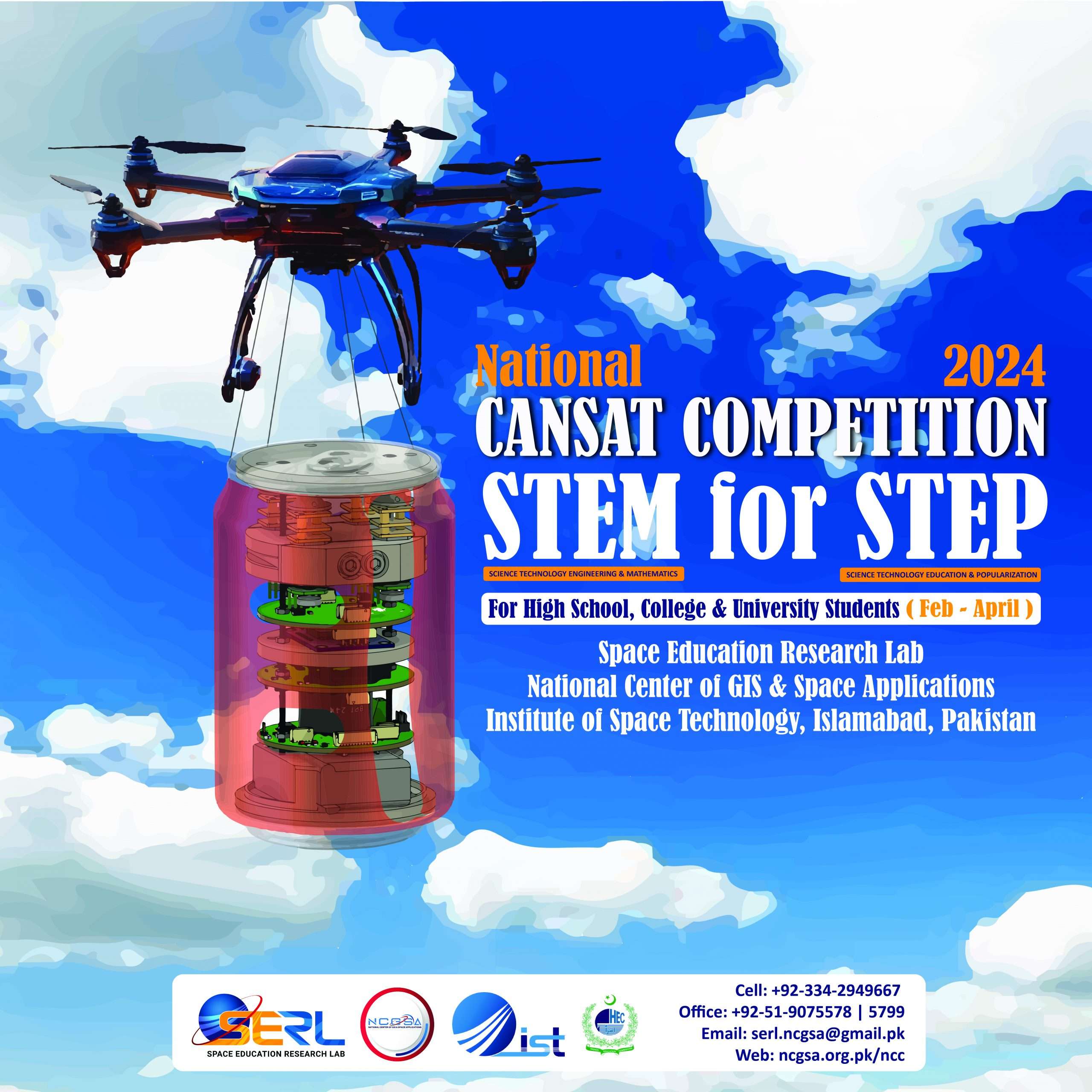
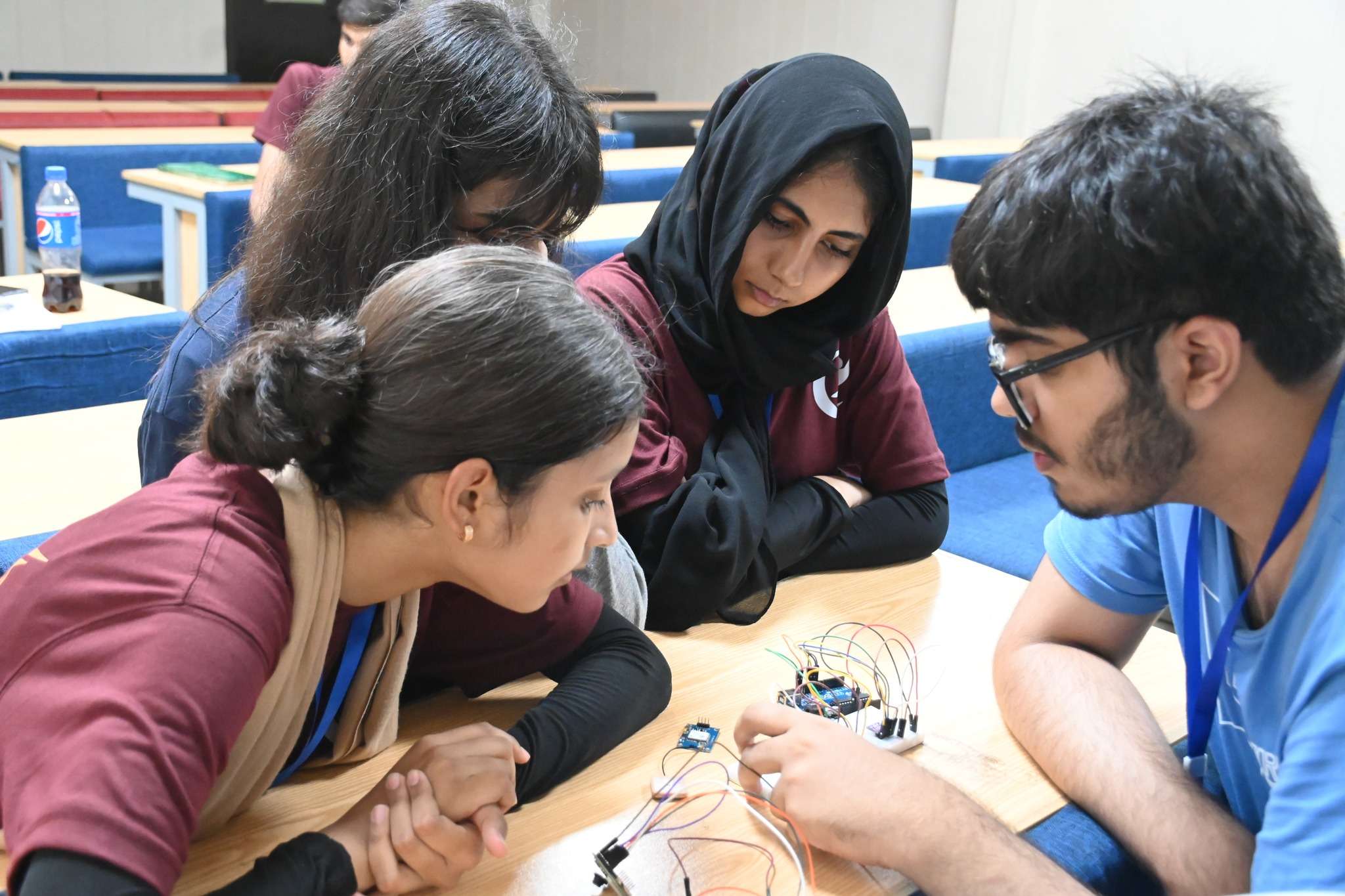
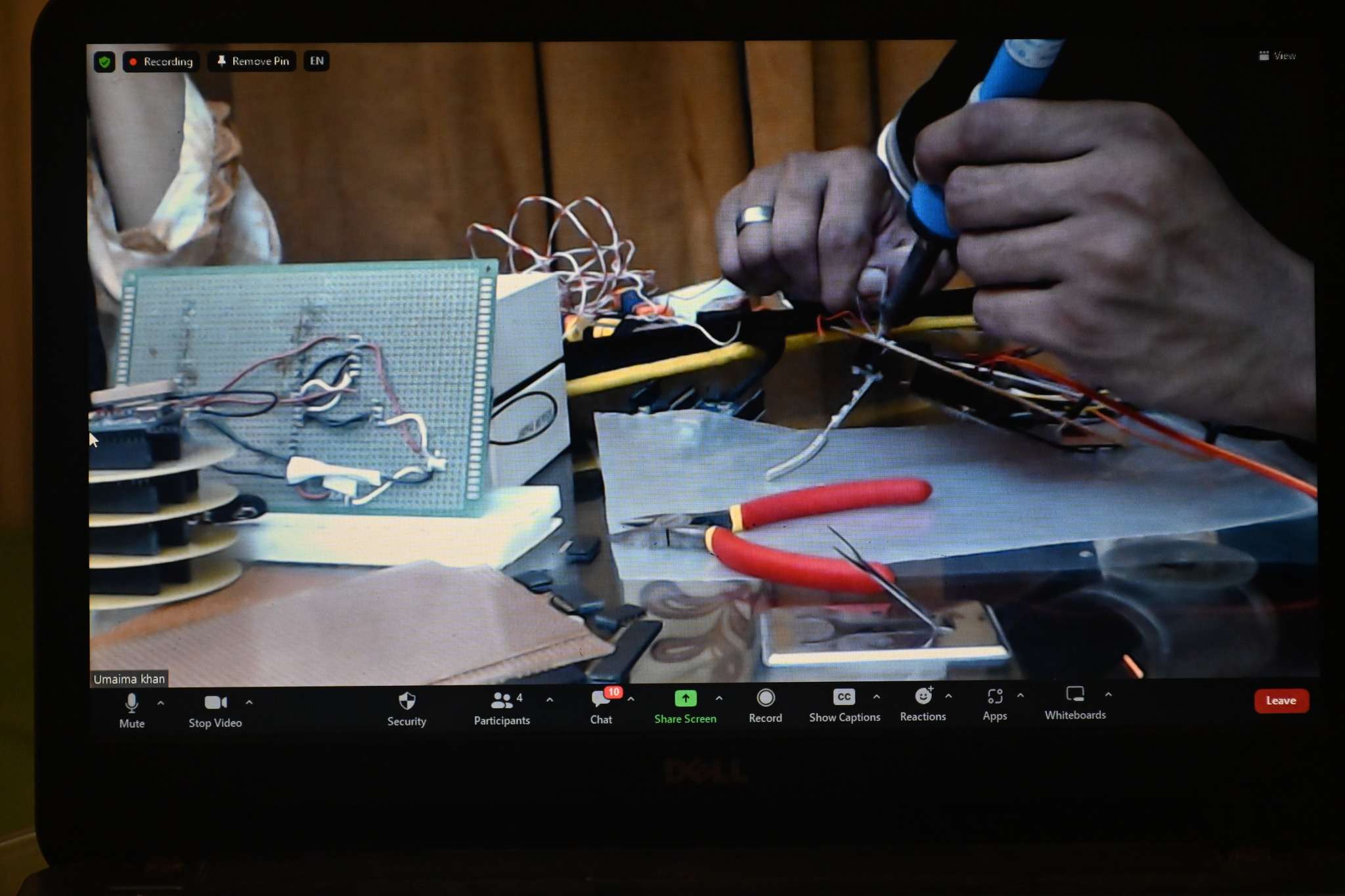
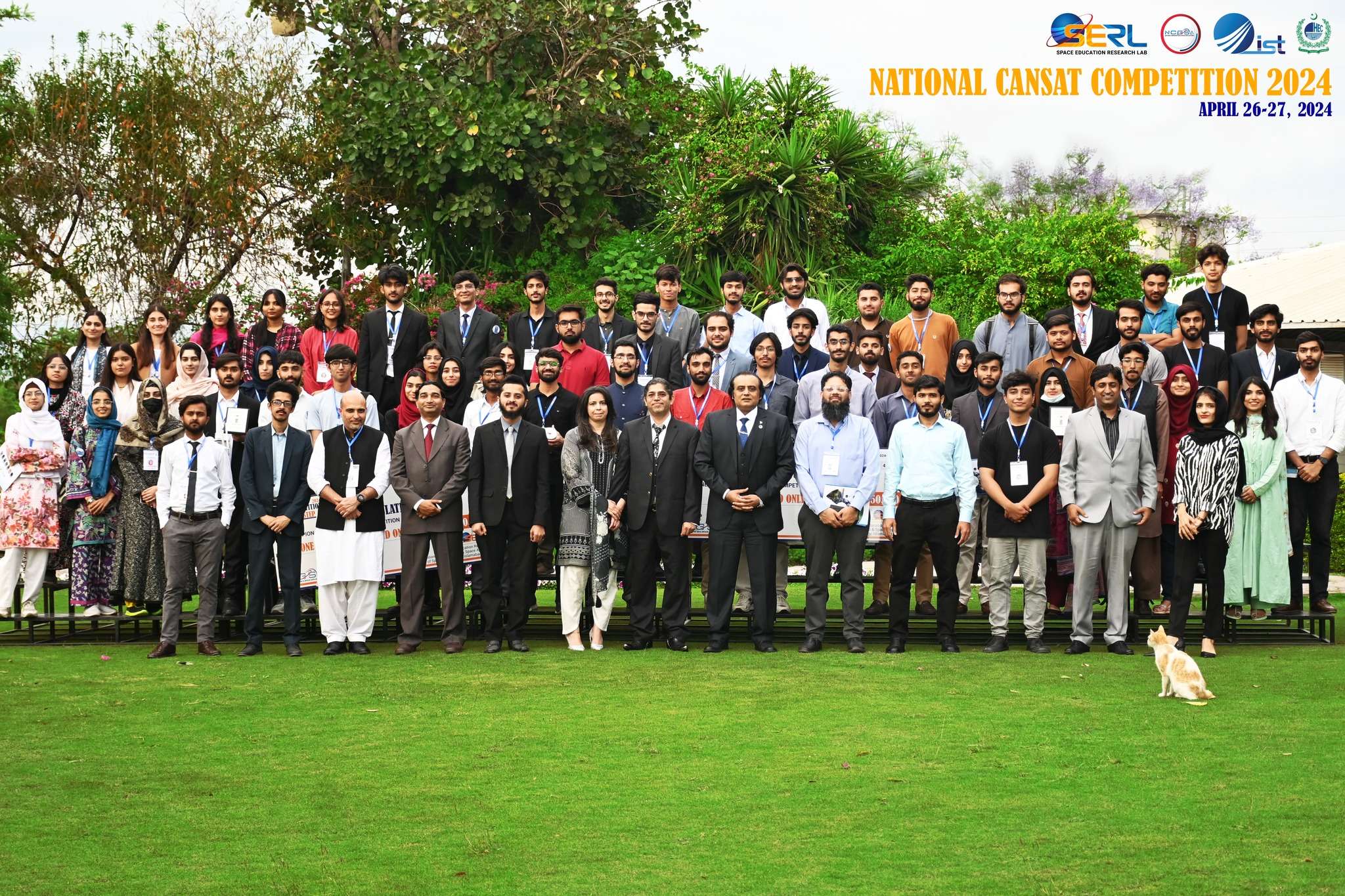
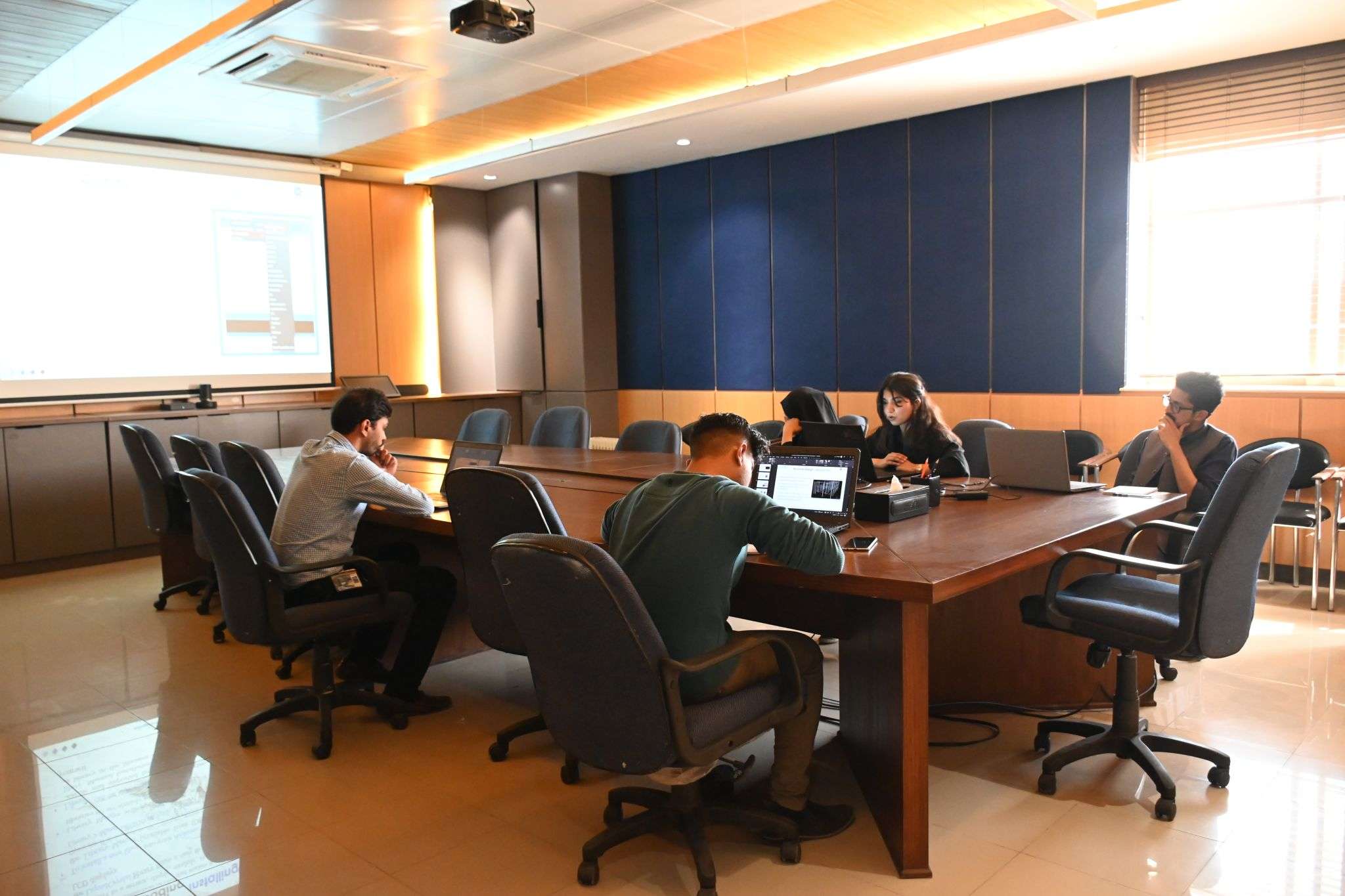
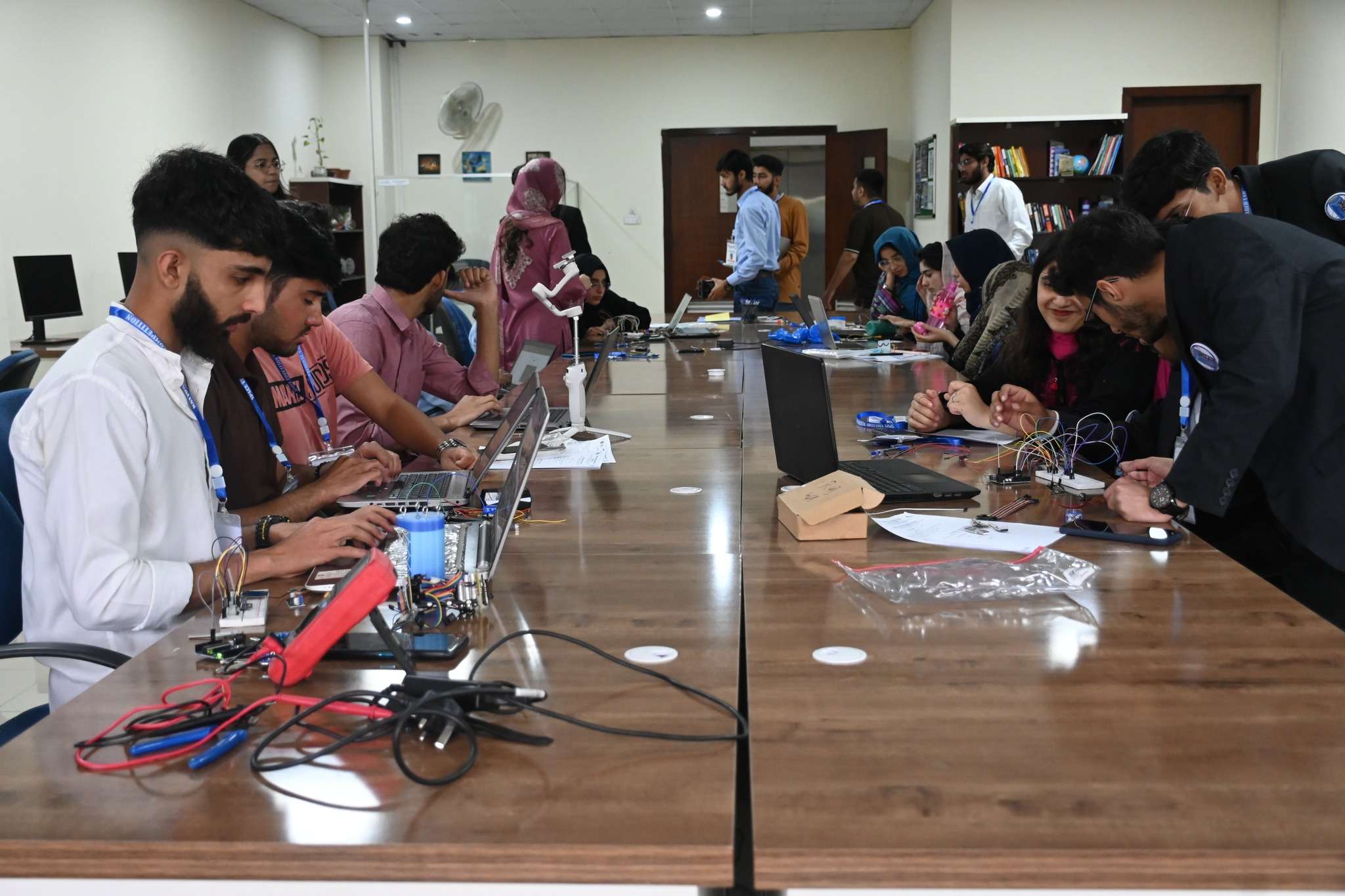
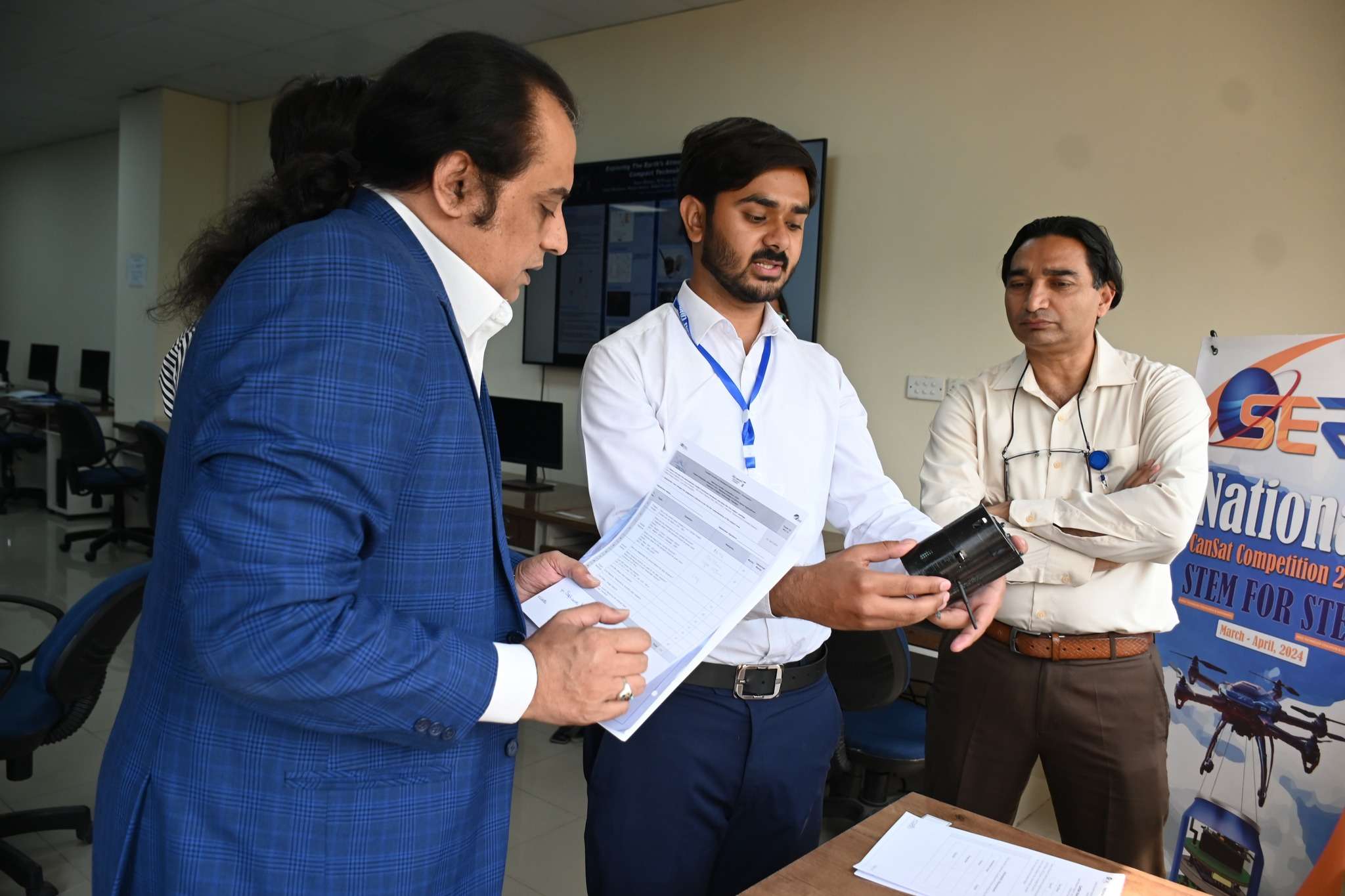
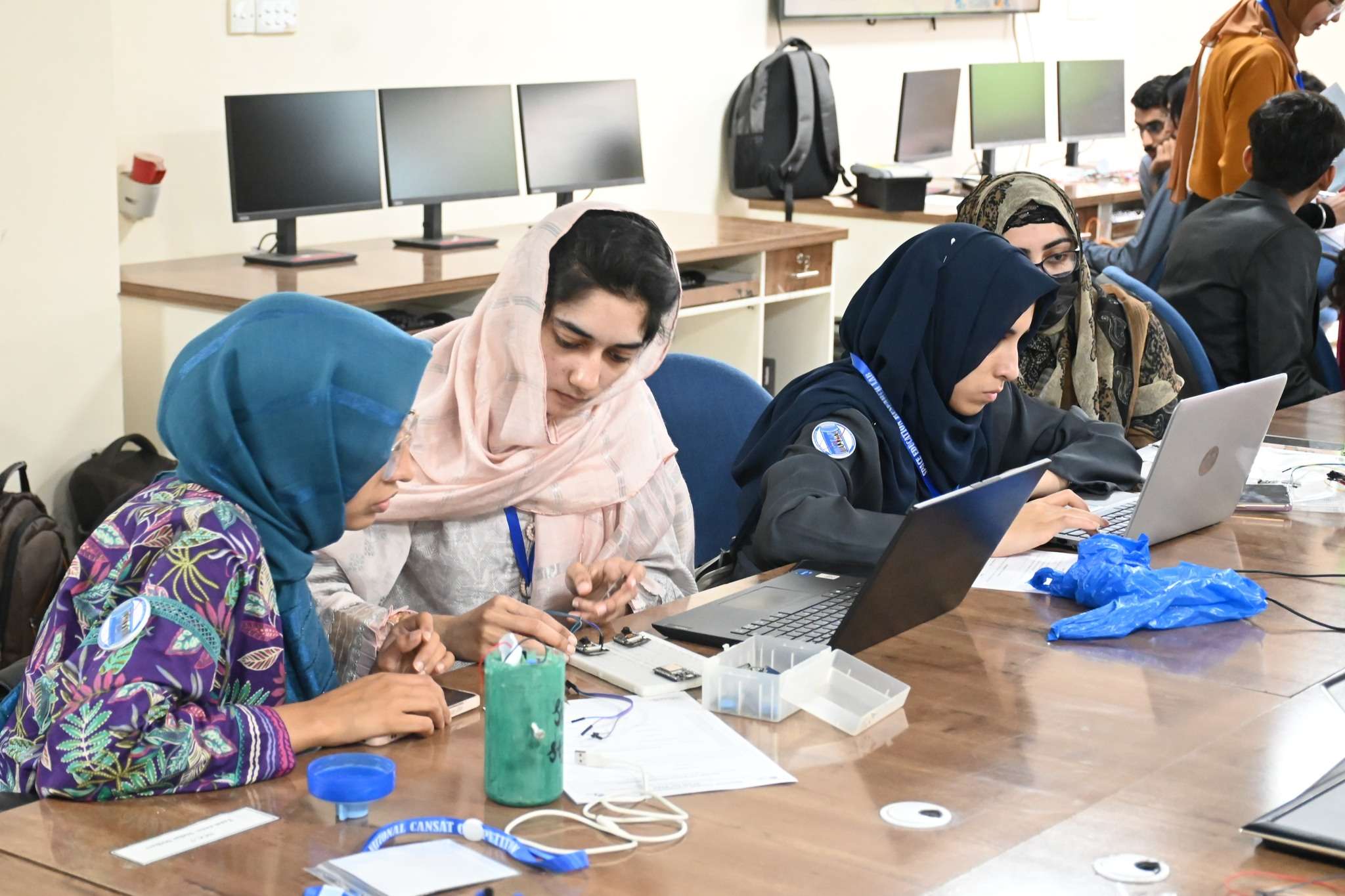
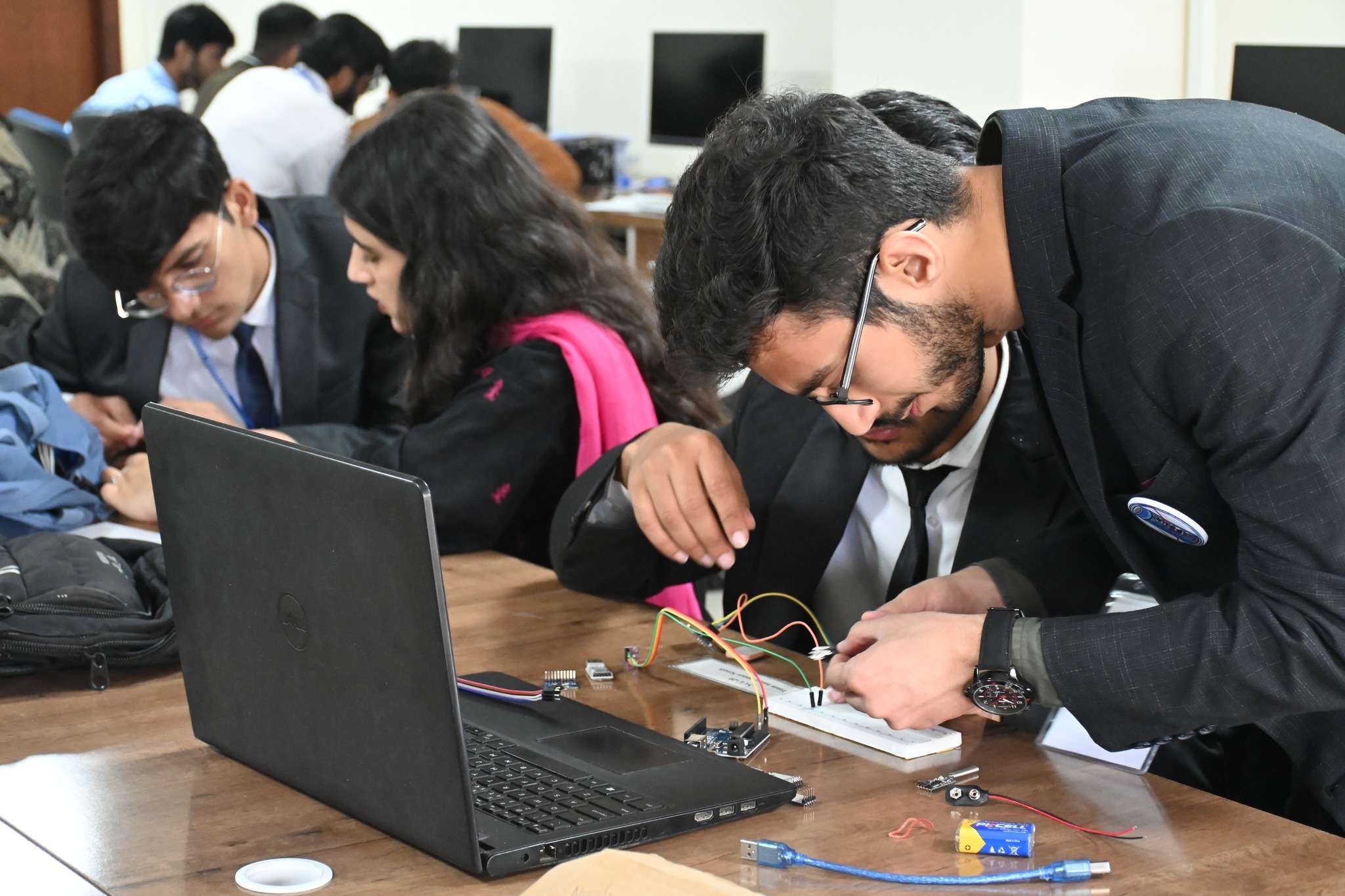
The first-ever CanSat Competition in Pakistan marked a significant milestone in advancing space education and innovation at the undergraduate level. Organized with the vision of promoting STEM for STEP, the competition provided students with a unique opportunity to apply their theoretical knowledge to practical challenges through the complete cycle of CanSat design, development, integration, and launch. This initiative not only fostered creativity, teamwork, and problem-solving skills but also exposed students to the fundamentals of satellite technology in a hands-on environment. A total of 25 dynamic teams, comprising more than 90 undergraduate students from 10 renowned institutions across Pakistan, enthusiastically participated in this pioneering event. Their involvement reflected the rising passion of young minds for space science and satellite technology, while showcasing the potential of such competitions to inspire future innovators. By nurturing these skills, the CanSat Competition contributes directly to the development of Pakistan’s growing space sector, equipping students with the knowledge and experience required to support the nation’s future ambitions in satellite design, space exploration, and advanced technological innovation.
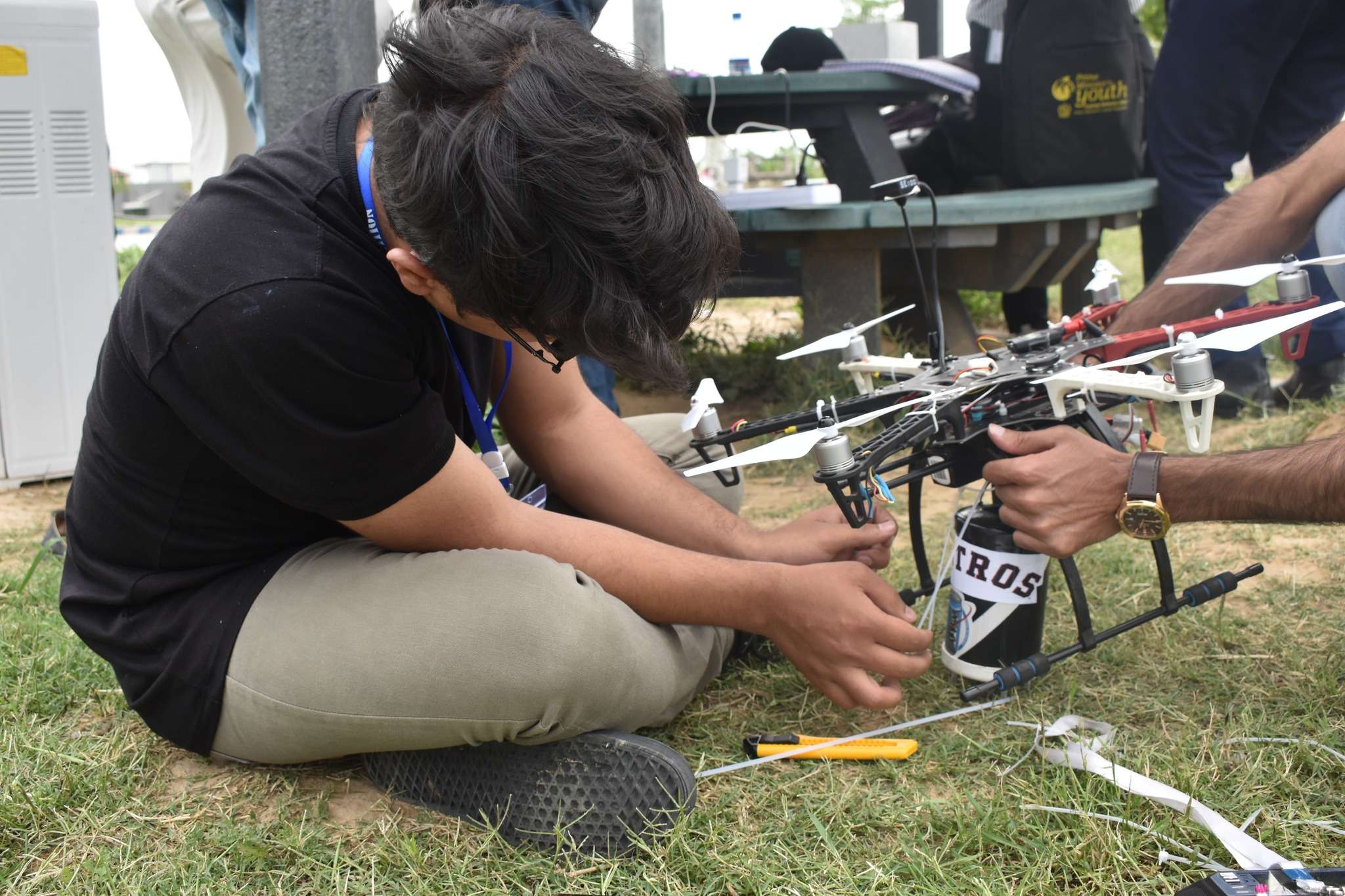
Eighth Space Summer School 2024
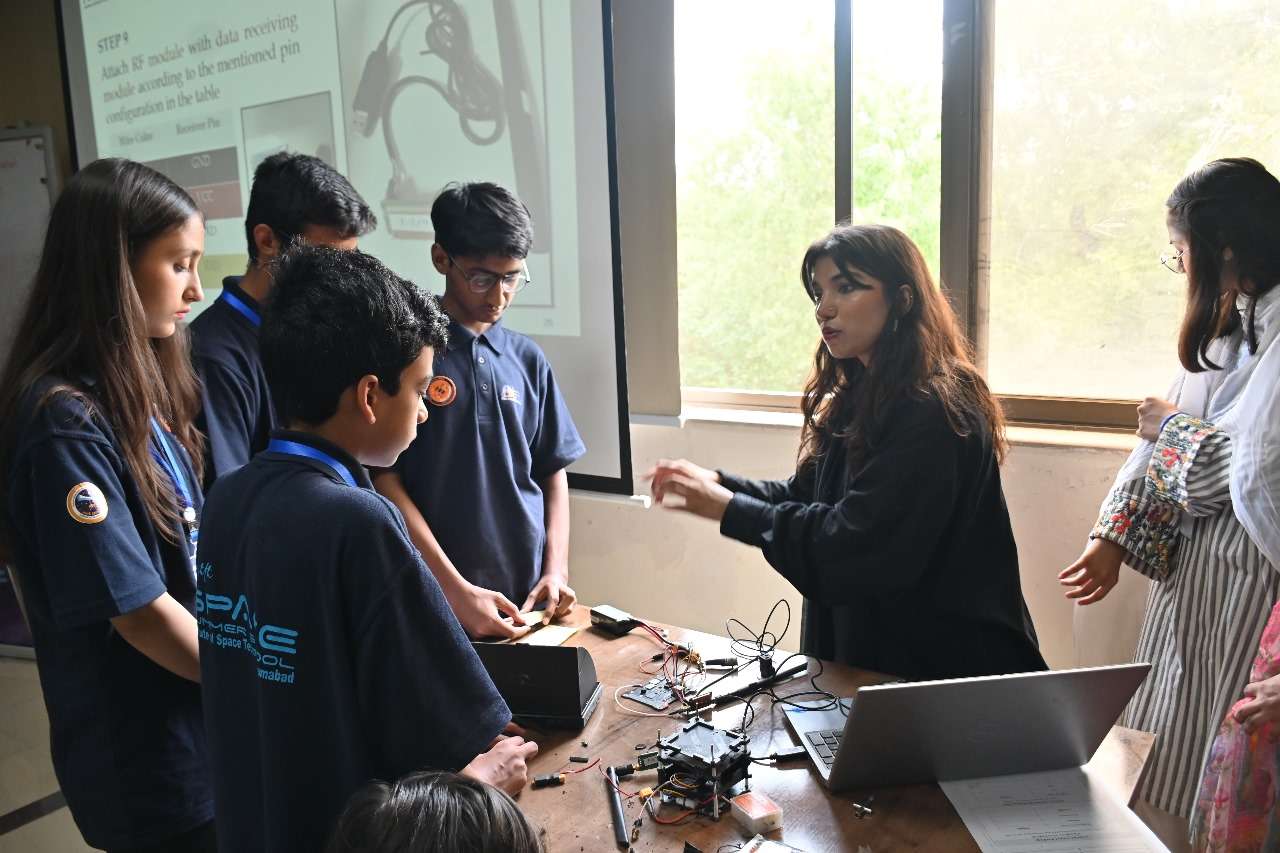
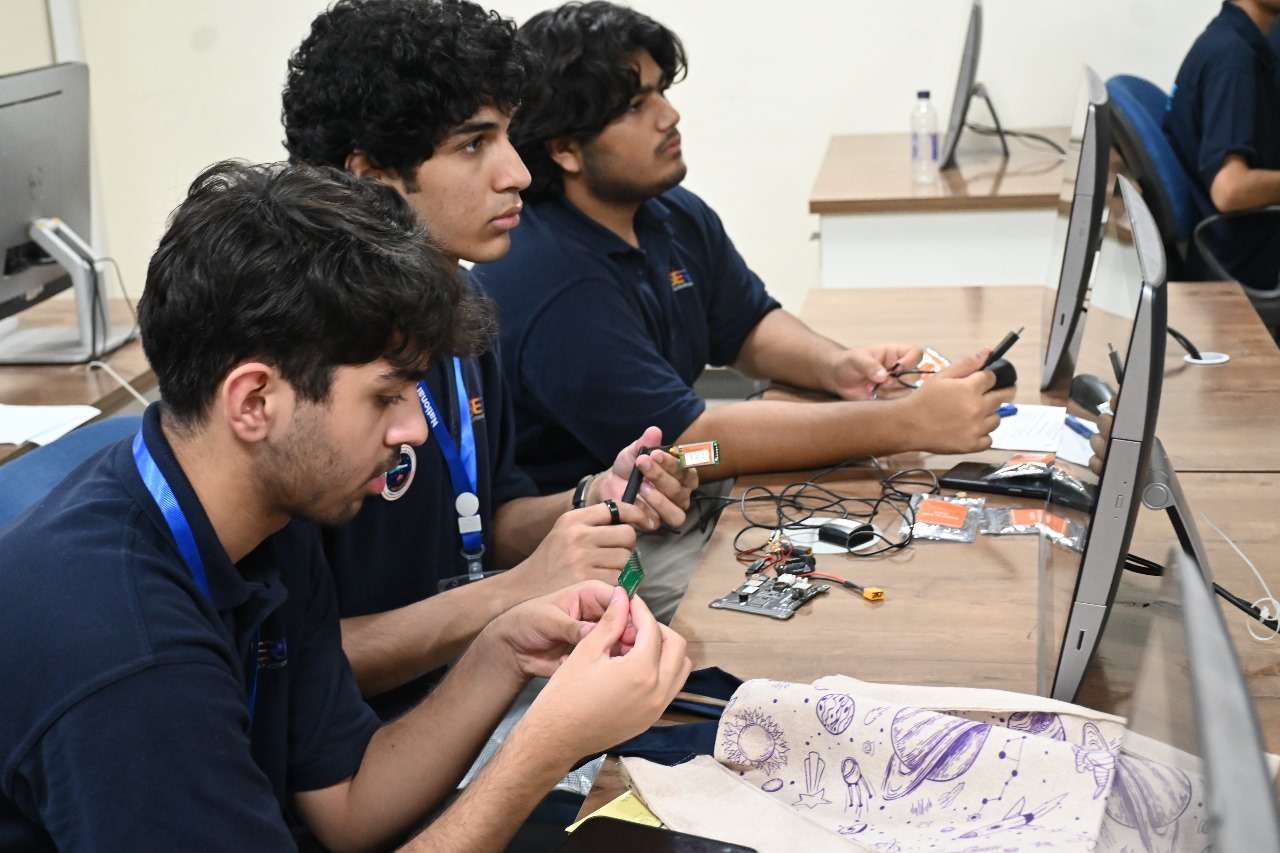
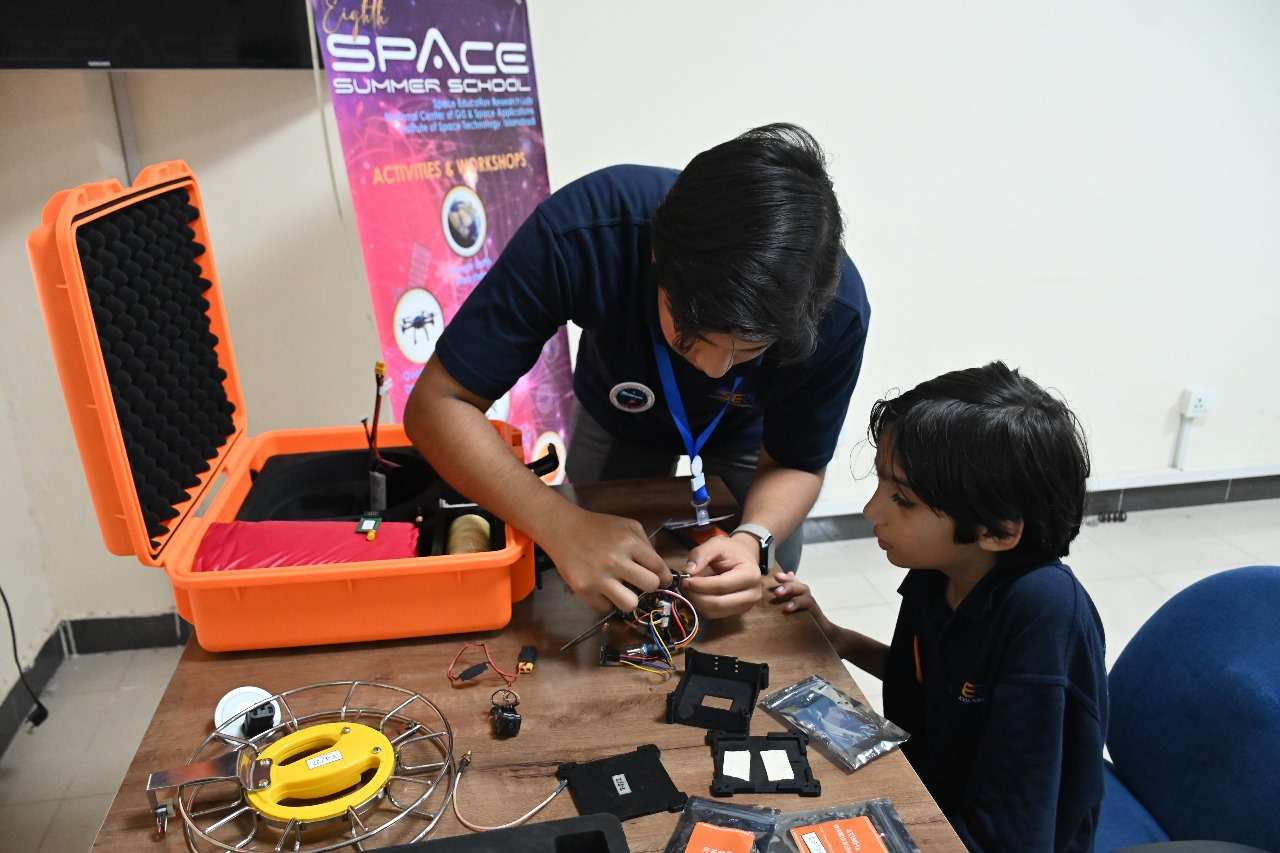
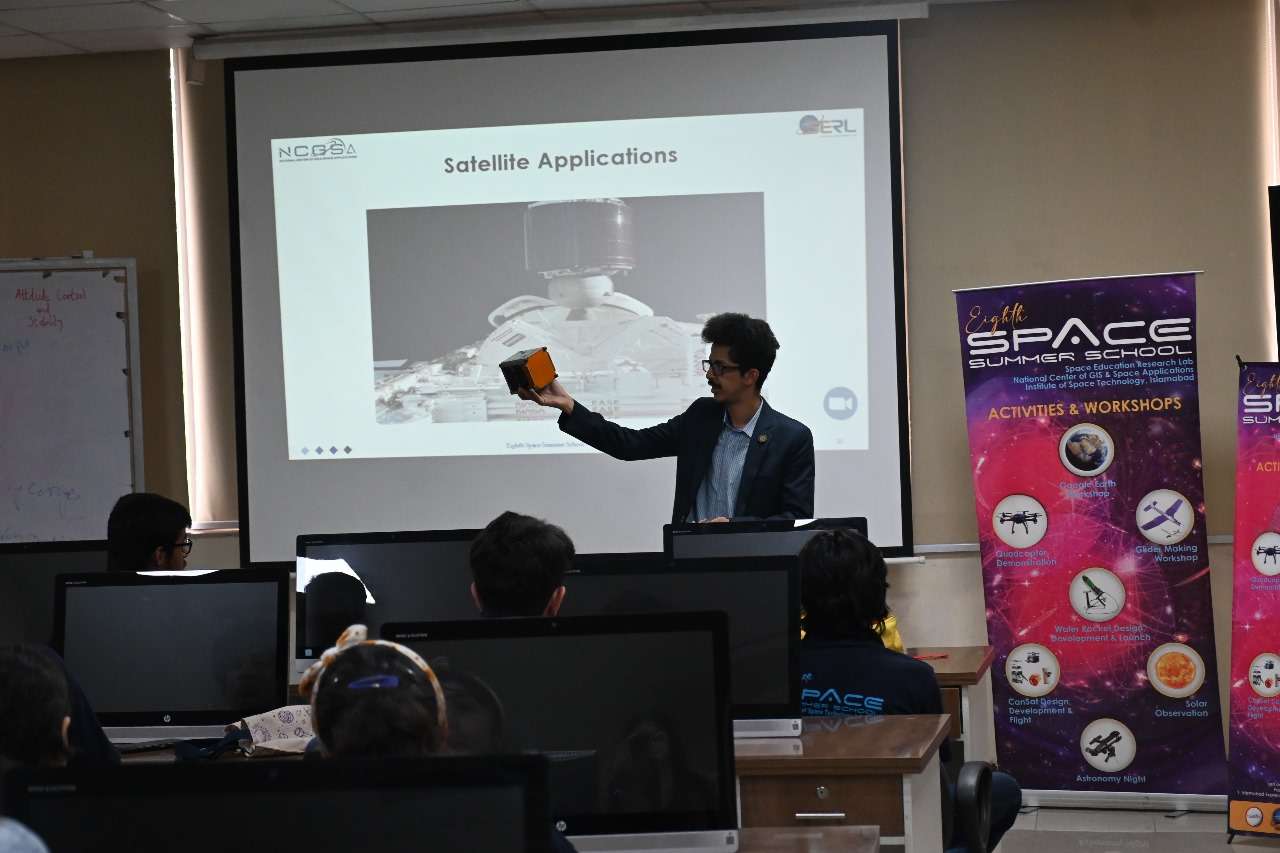
During the eighth Space Summer School, students from diverse schools and colleges were introduced to the fundamentals of satellite technology through an immersive, hands-on learning experience. Under expert guidance, participants assembled CubeSat kits, integrating subsystems such as sensors, communication modules, and power units to simulate real-world satellite functionality. The activity culminated in a live CubeSat launch, where students not only witnessed the deployment but also monitored real-time data acquisition at the ground station, observing how parameters such as atmospheric conditions, orientation, and positioning are collected and transmitted. This practical engagement bridged theoretical knowledge with applied engineering, enabling students to gain first-hand insight into satellite operations.
Pakistan Learning Festival 2024
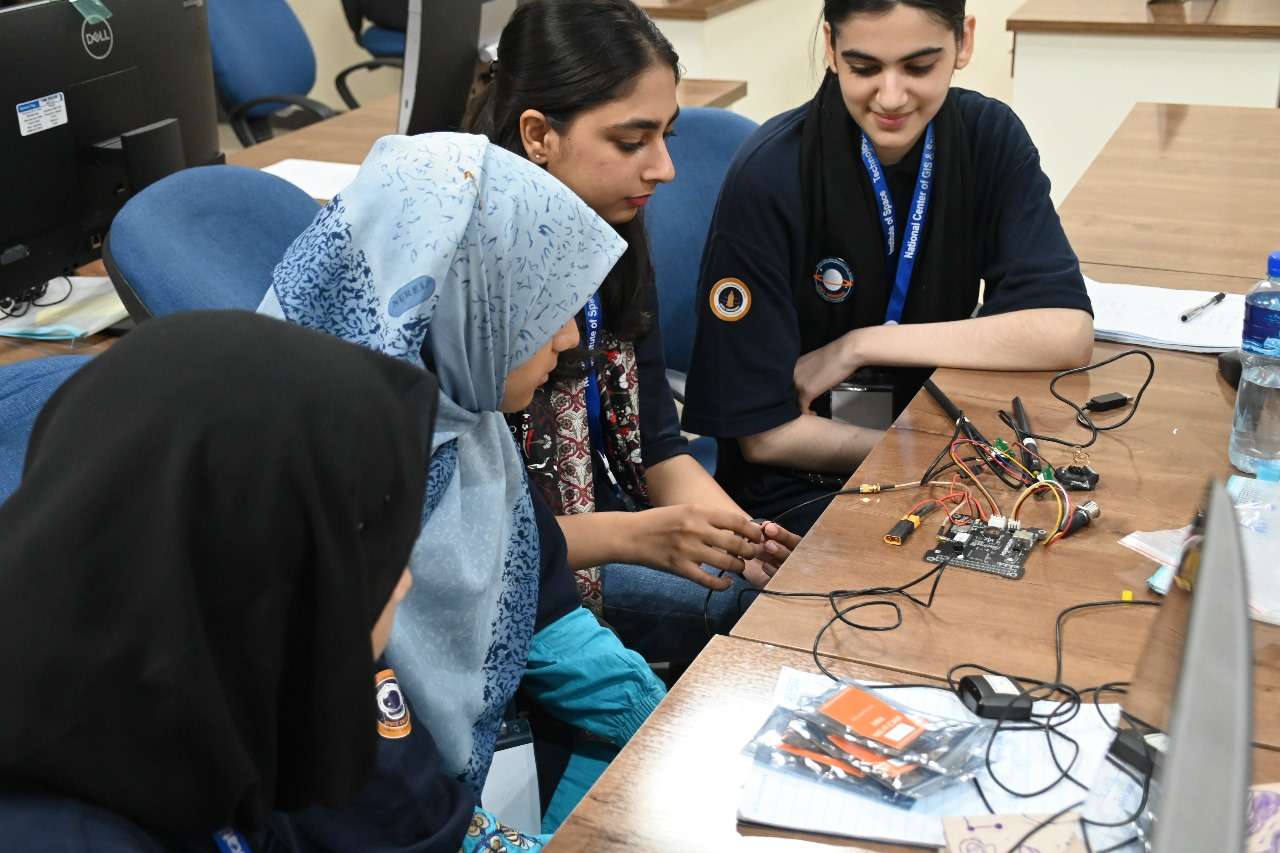
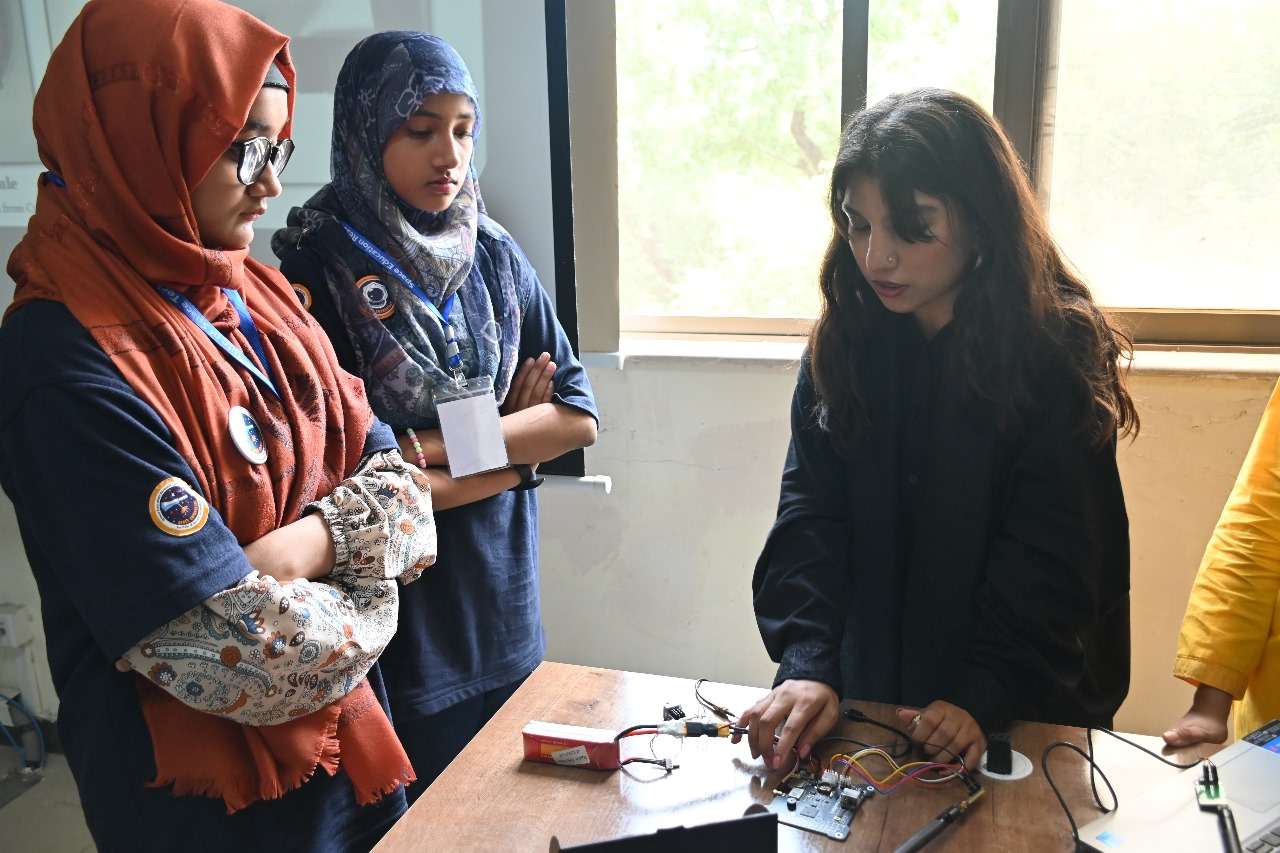
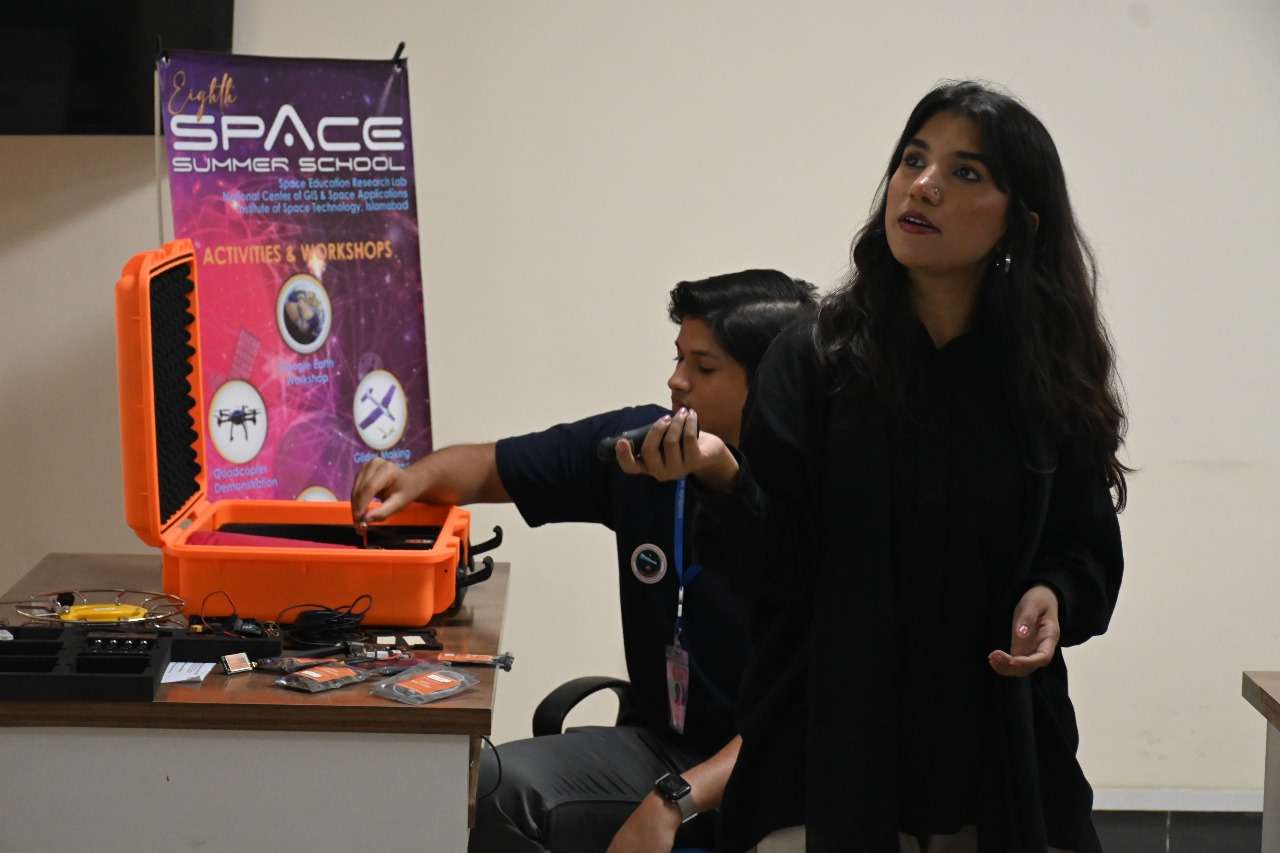
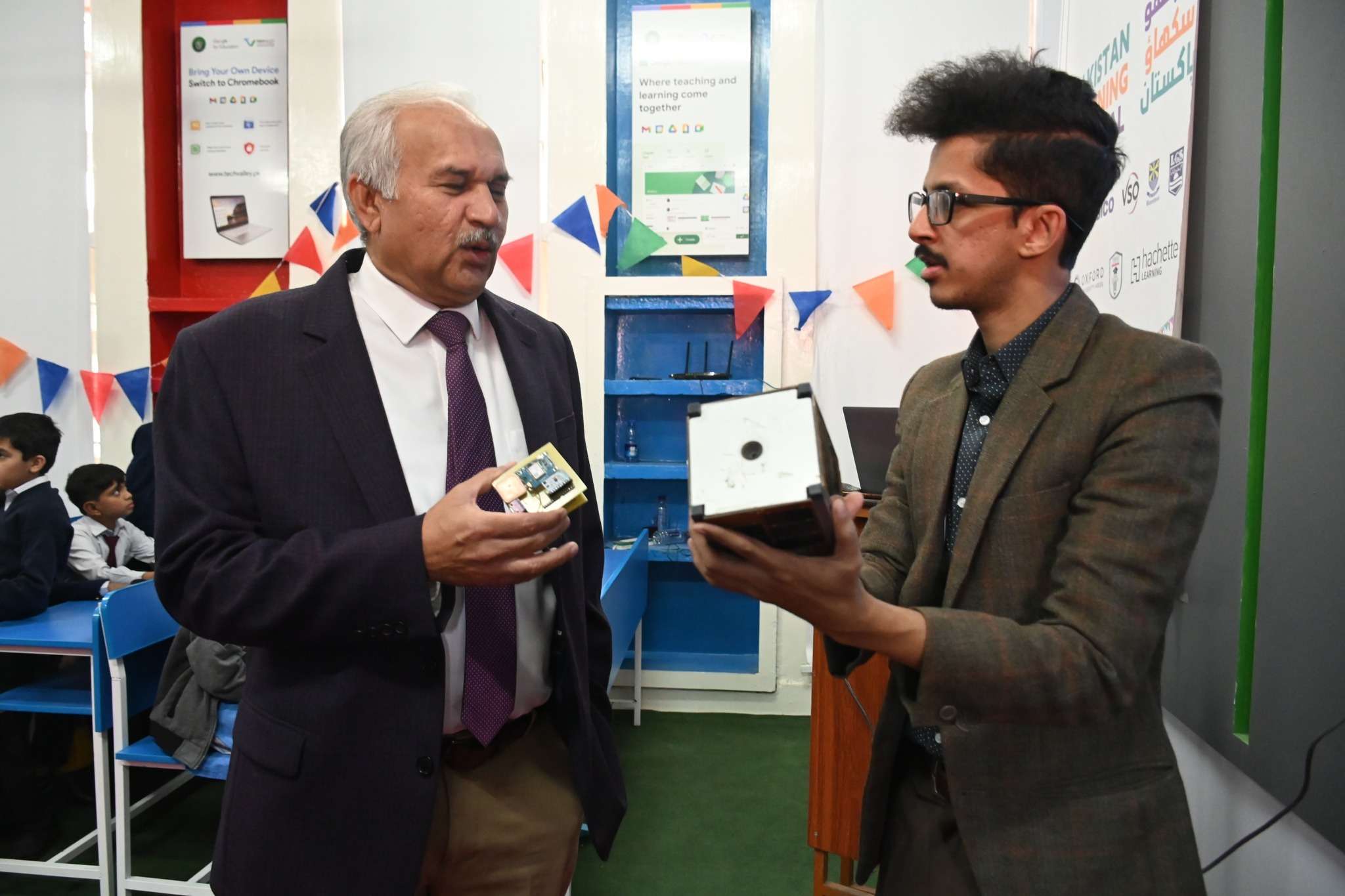
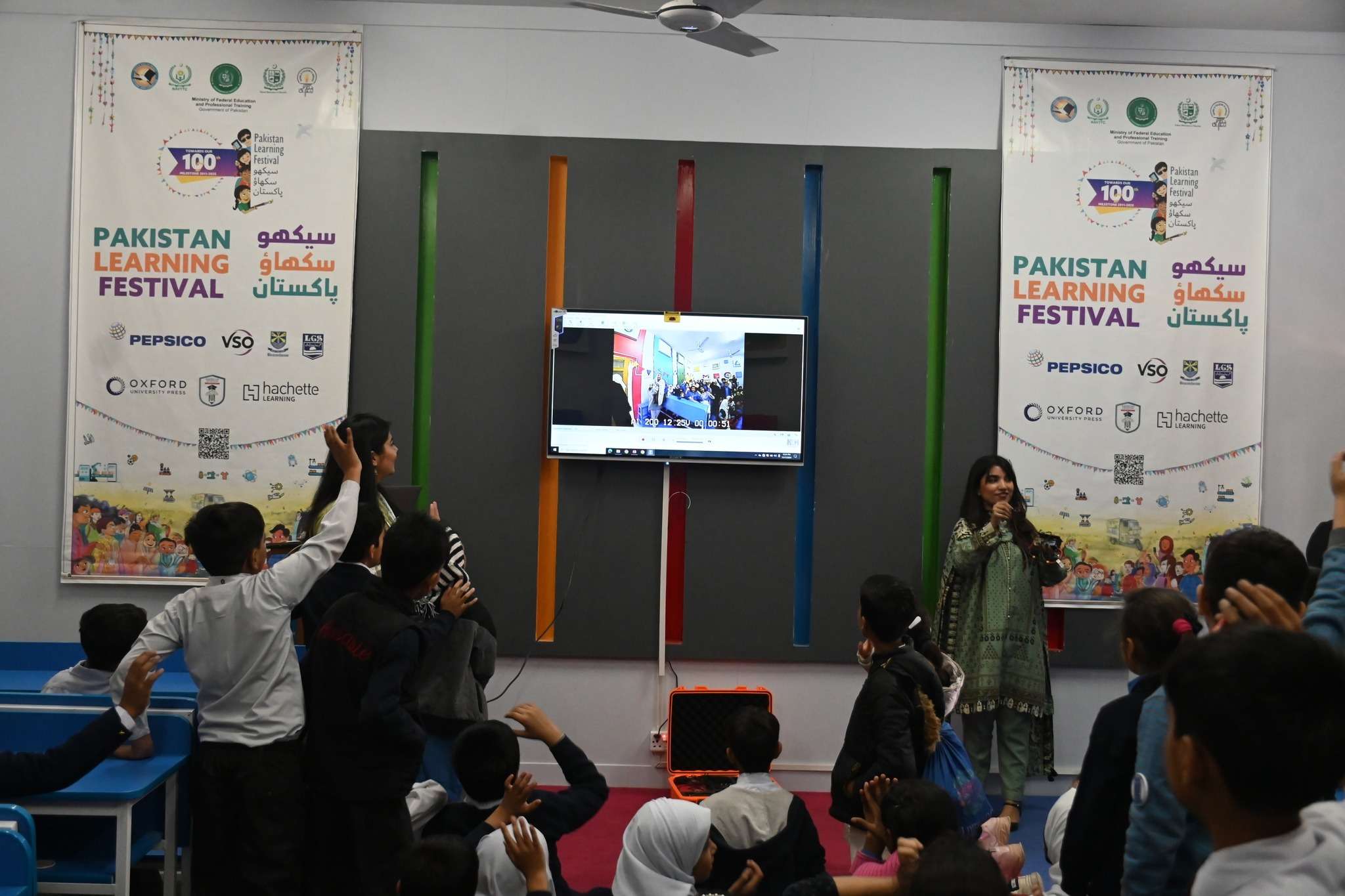
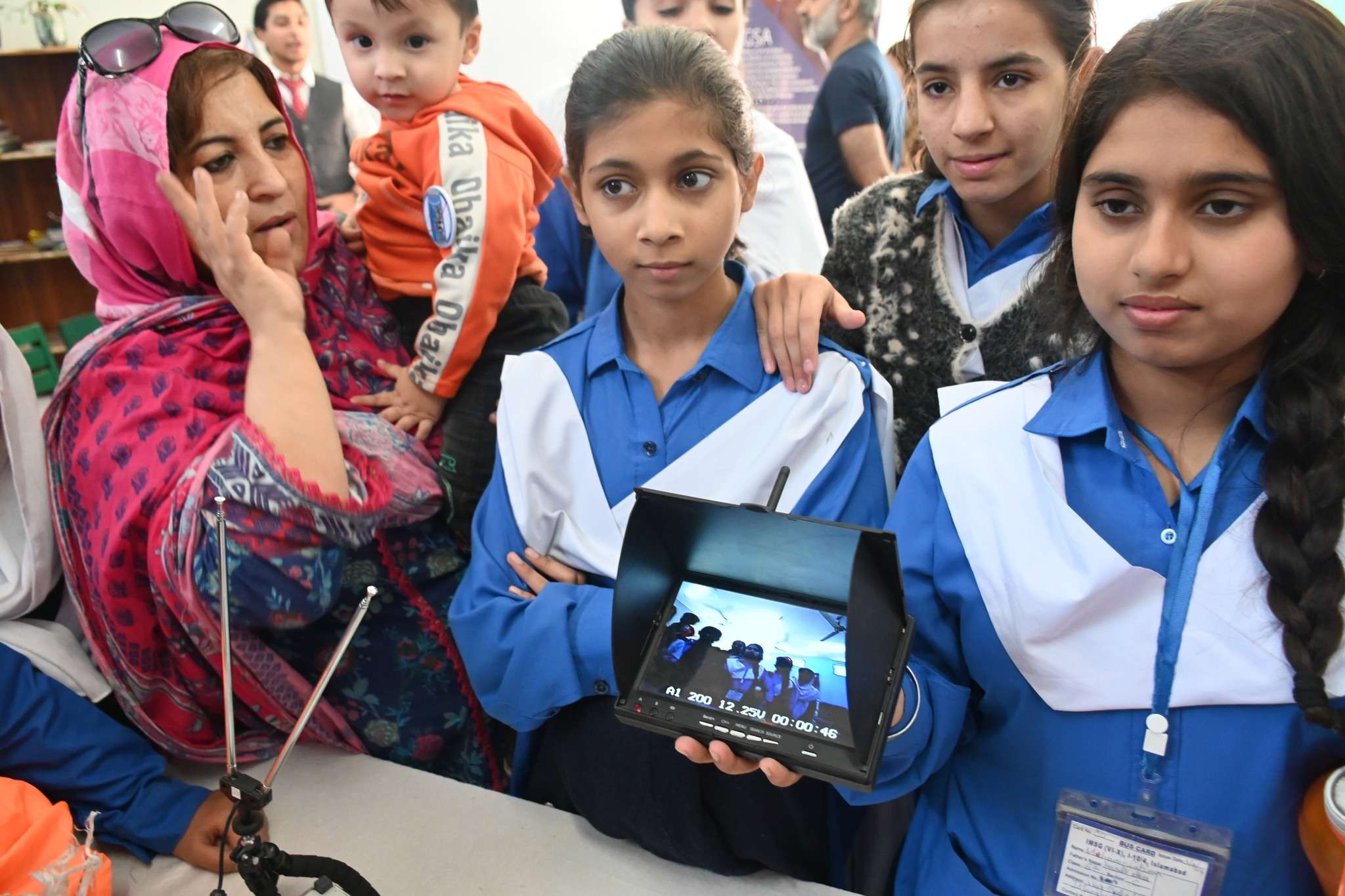
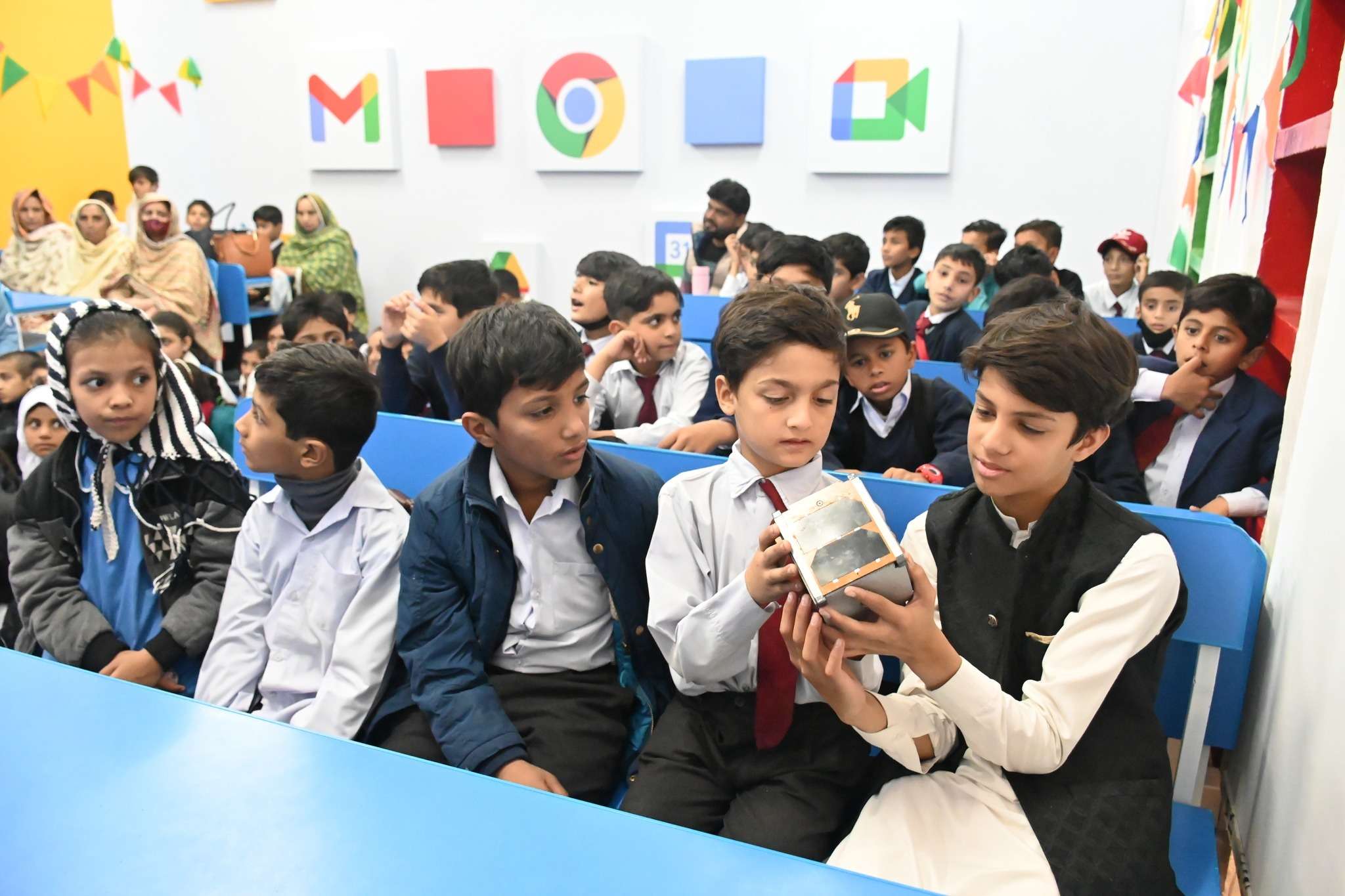
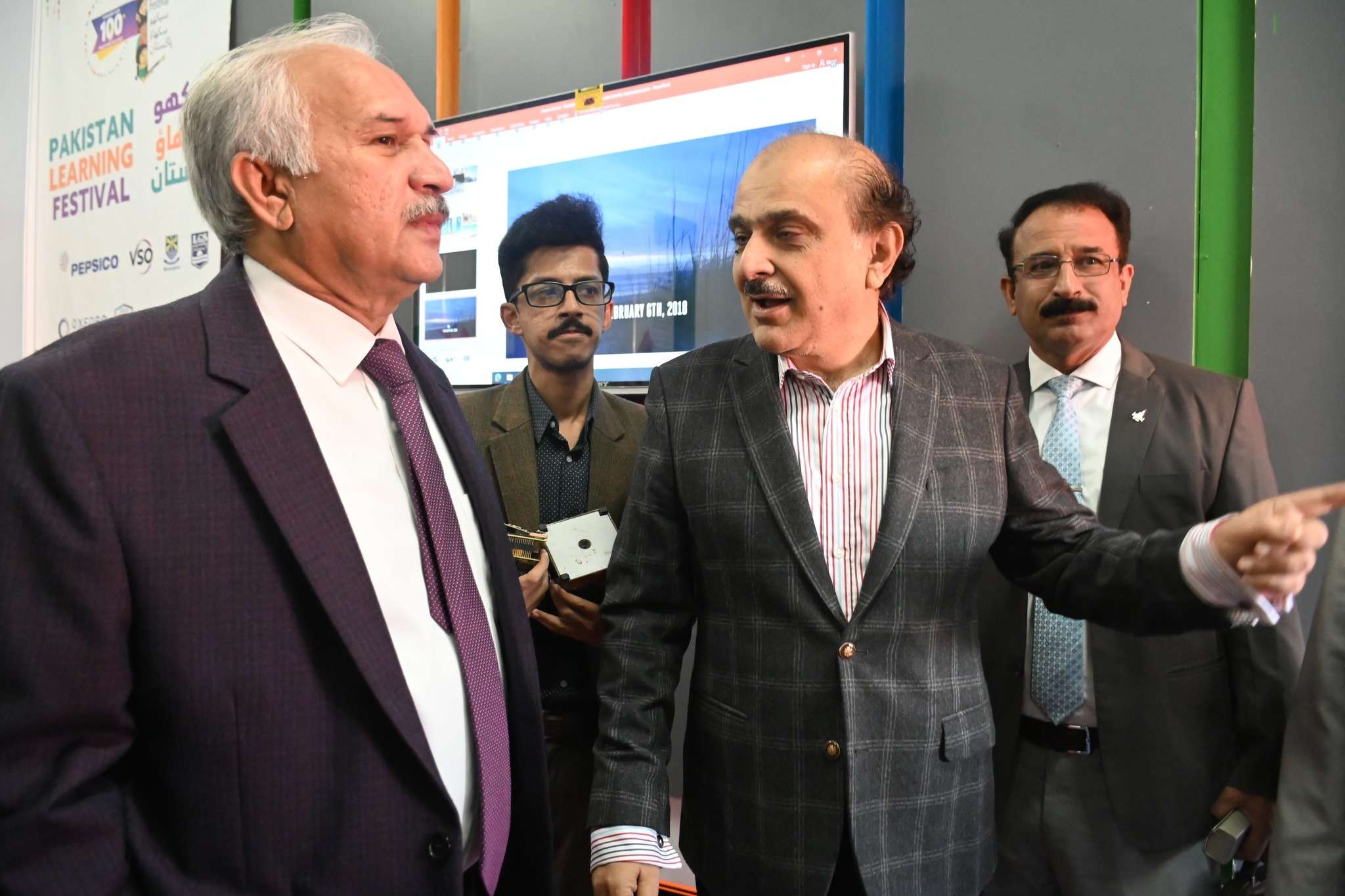
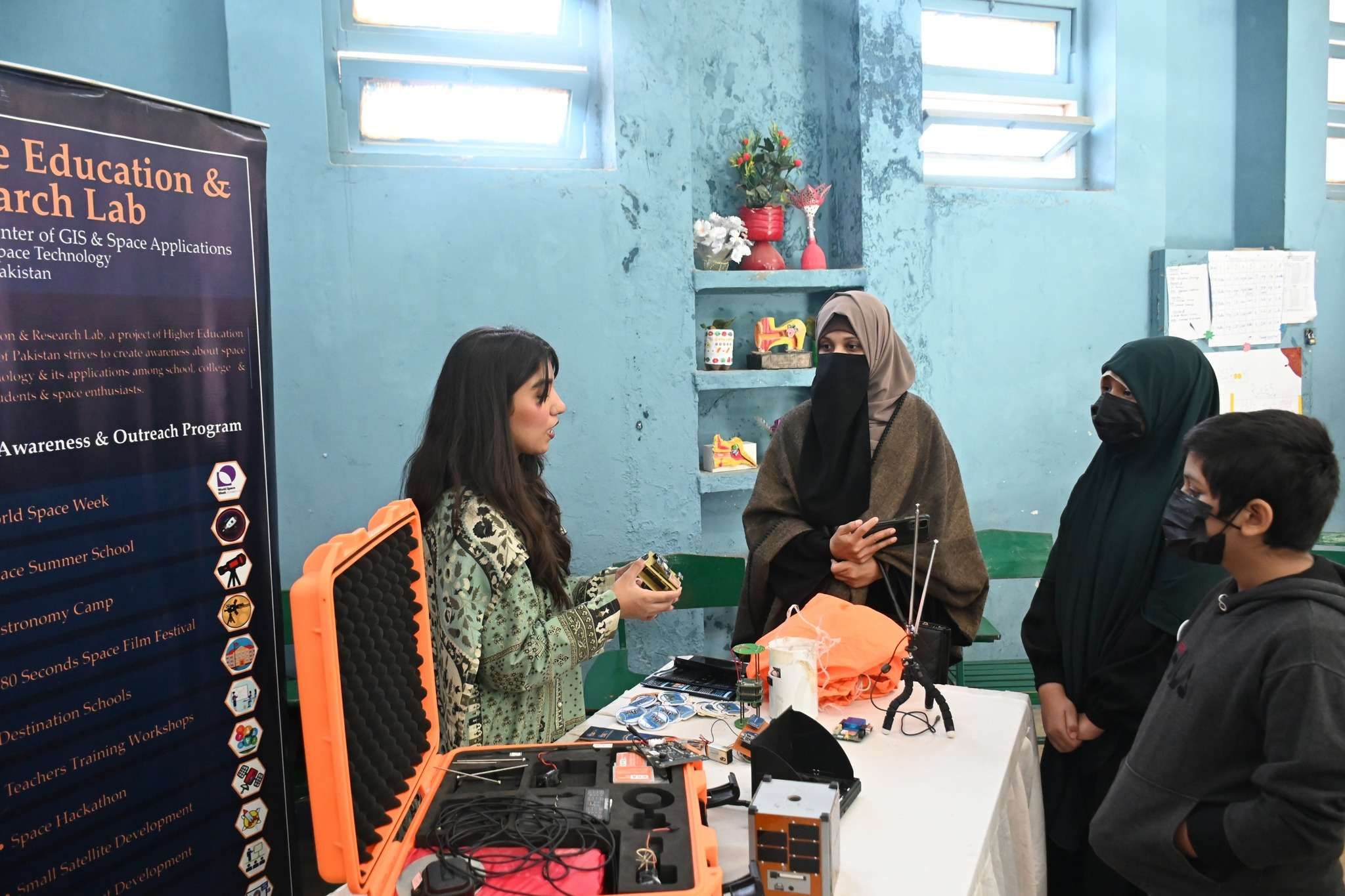
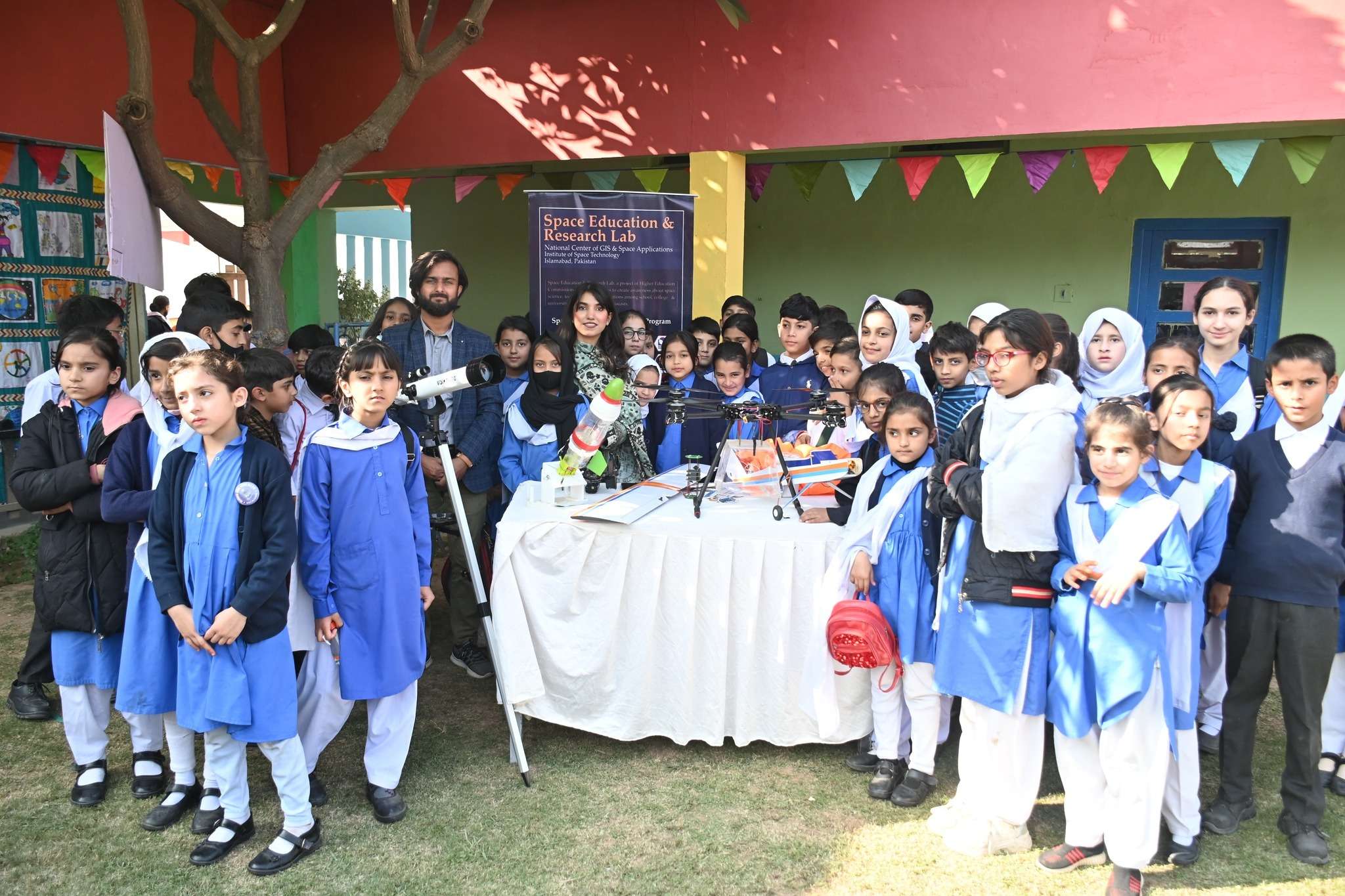
At the Pakistan Learning Festival (PLF) 2024, organized by the Ministry of Federal Education and Professional Training in collaboration with Idara-e-Taleem-o-Aagahi (ITA), the GNSS & Space Education Research Lab (GSERL) actively contributed by offering engaging sessions in the domain of student satellite technology. The program featured an expert-led lecture on satellite technology, where participants were introduced to the fundamentals of satellite design, mission applications, and the growing importance of space systems in modern society. Live demonstrations of satellite operations, including real-time data acquisition and ground station monitoring, further deepened their learning experience. Moreover, the initiative placed a strong emphasis on engaging students from underprivileged communities, ensuring equitable access to STEM education and inspiring those who may otherwise have limited exposure to such advanced scientific domains.
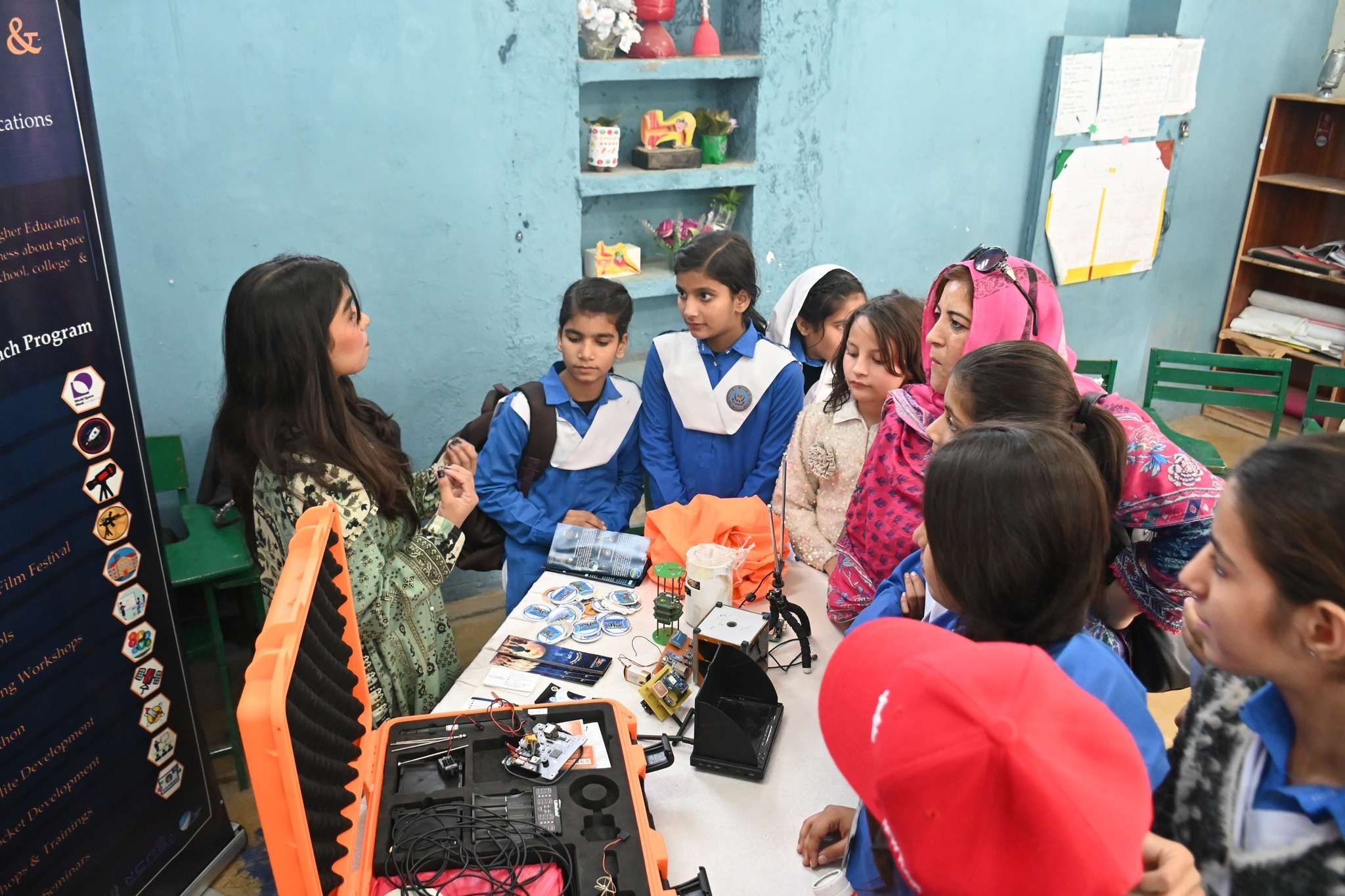
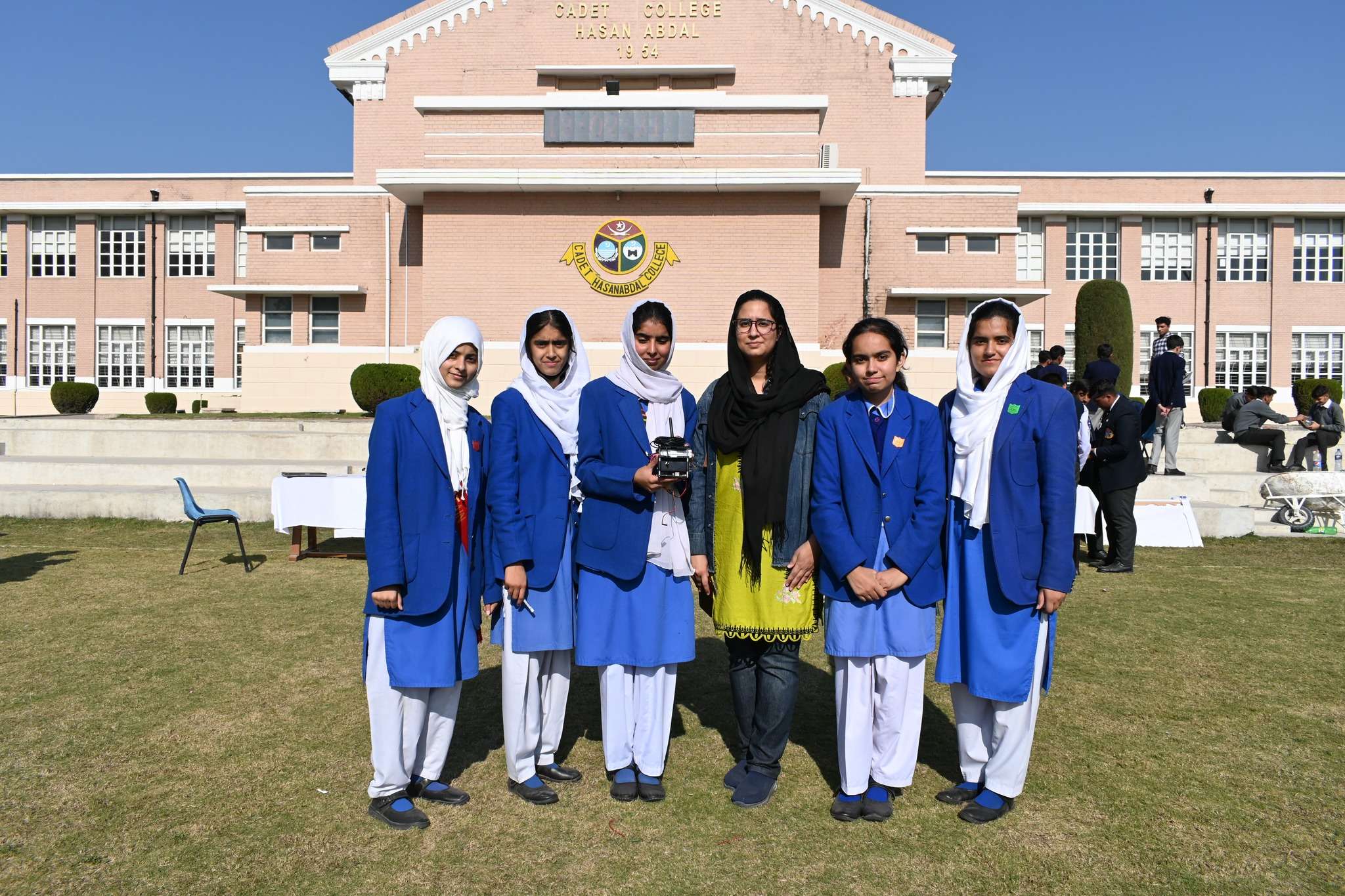
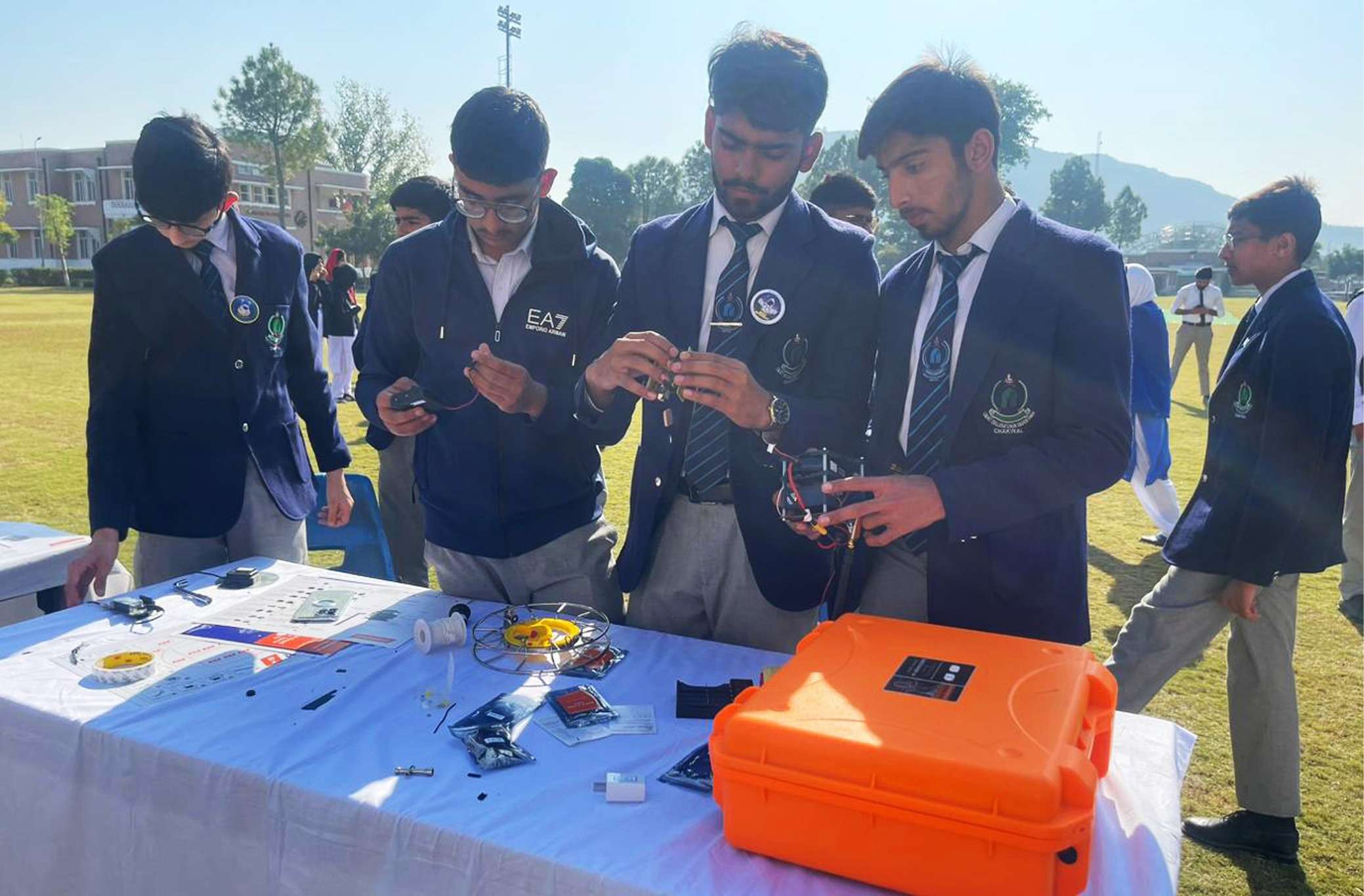
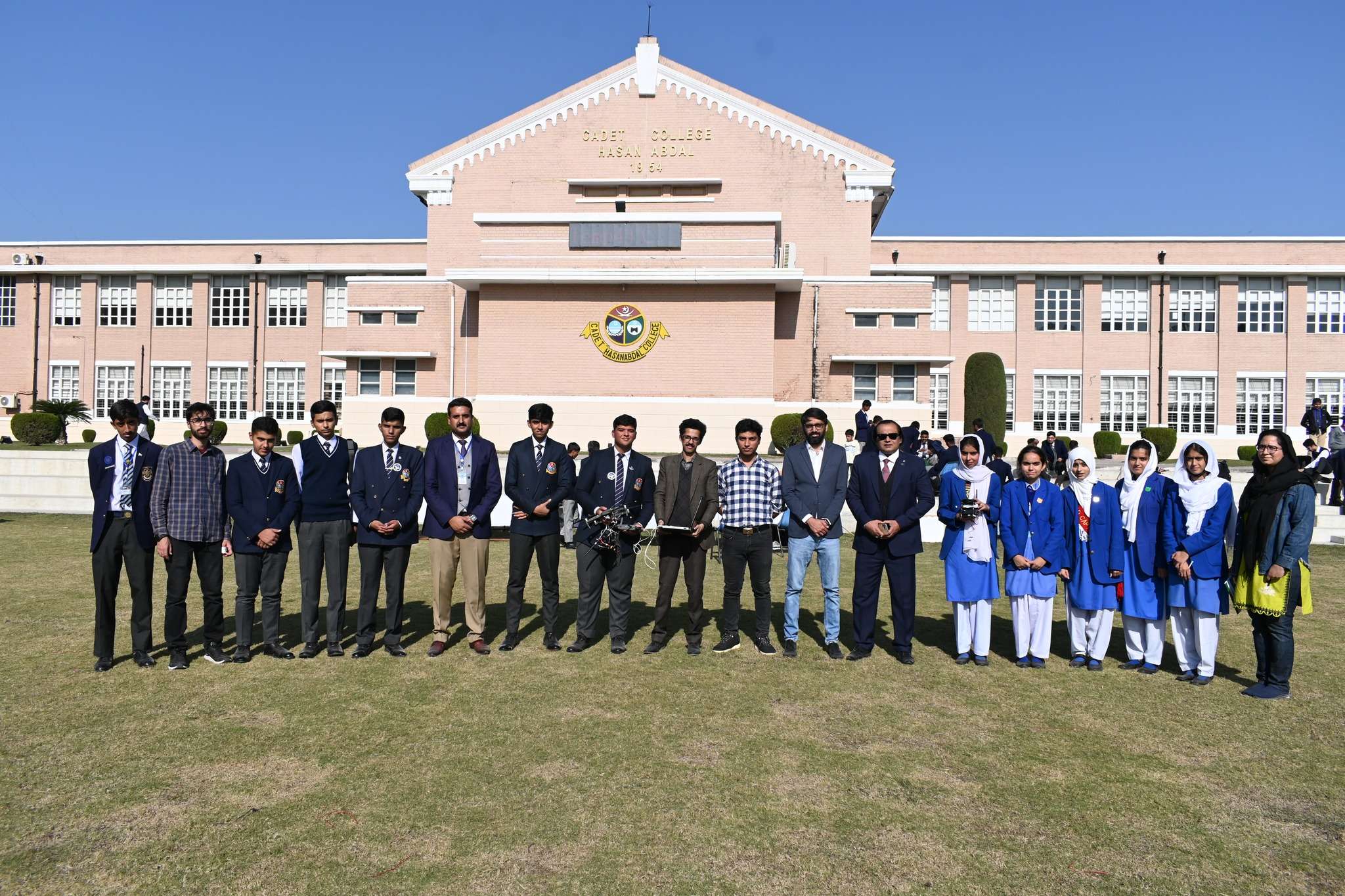
Cadet College Hasanabdal 2023
The Space Destination School held in Hassanabdal brought together over 250 enthusiastic students from various schools and colleges across the city and its surrounding areas, creating a vibrant platform for space science education. During the program, students actively engaged in assembling CubeSat kits, gaining hands-on experience in subsystem integration and mission design. The highlight of the event was the live launch activity, where participants monitored real-time data acquisition, observing how their assembled systems collected and transmitted information back to the ground station. Through this experience, students not only gained practical insights into satellite technology but also developed essential skills in collaboration, analysis, and problem-solving, laying the foundation for their potential engagement in Pakistan’s space sector
STEM for Space Technology: Celebrating 60 years of Women in space 2023
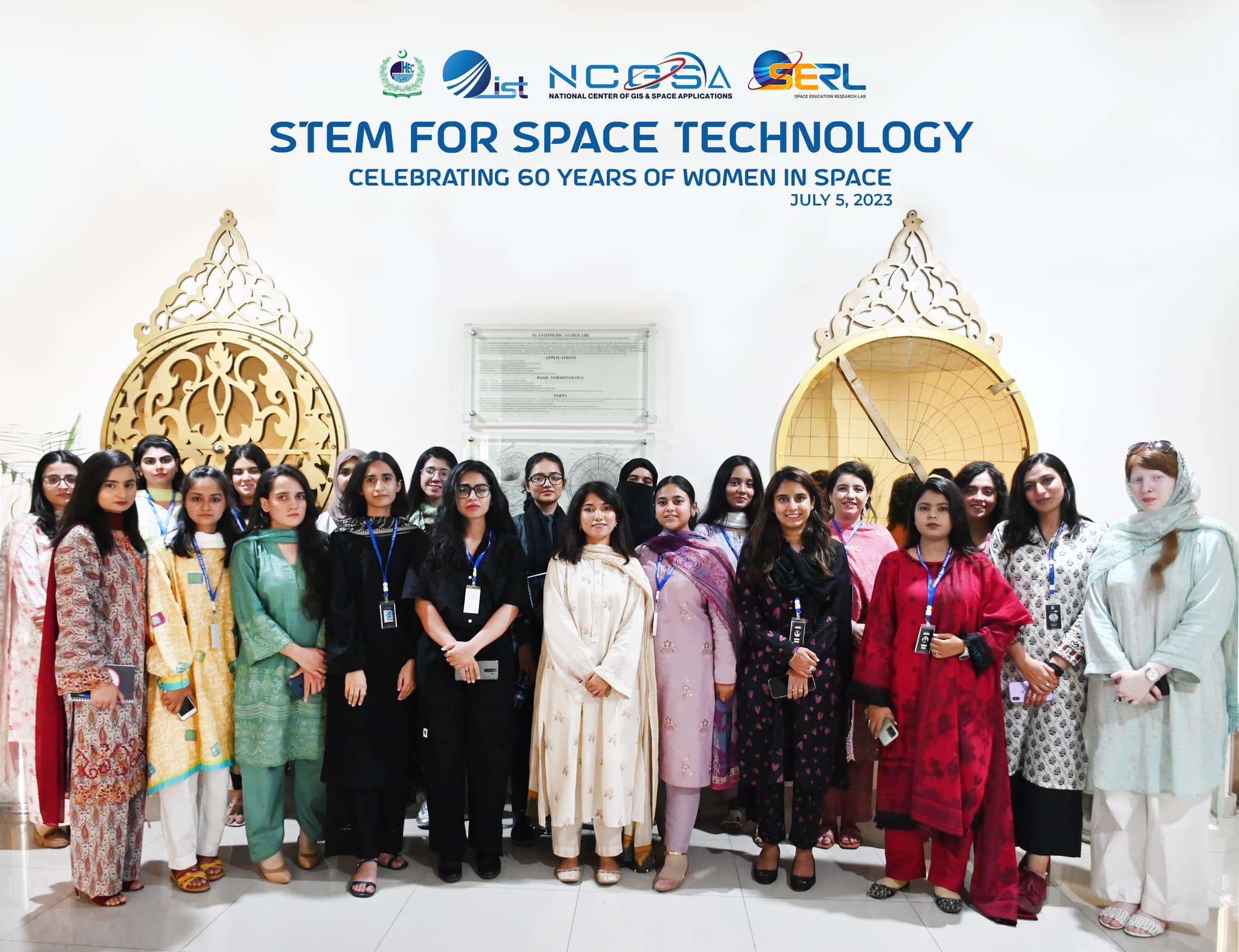
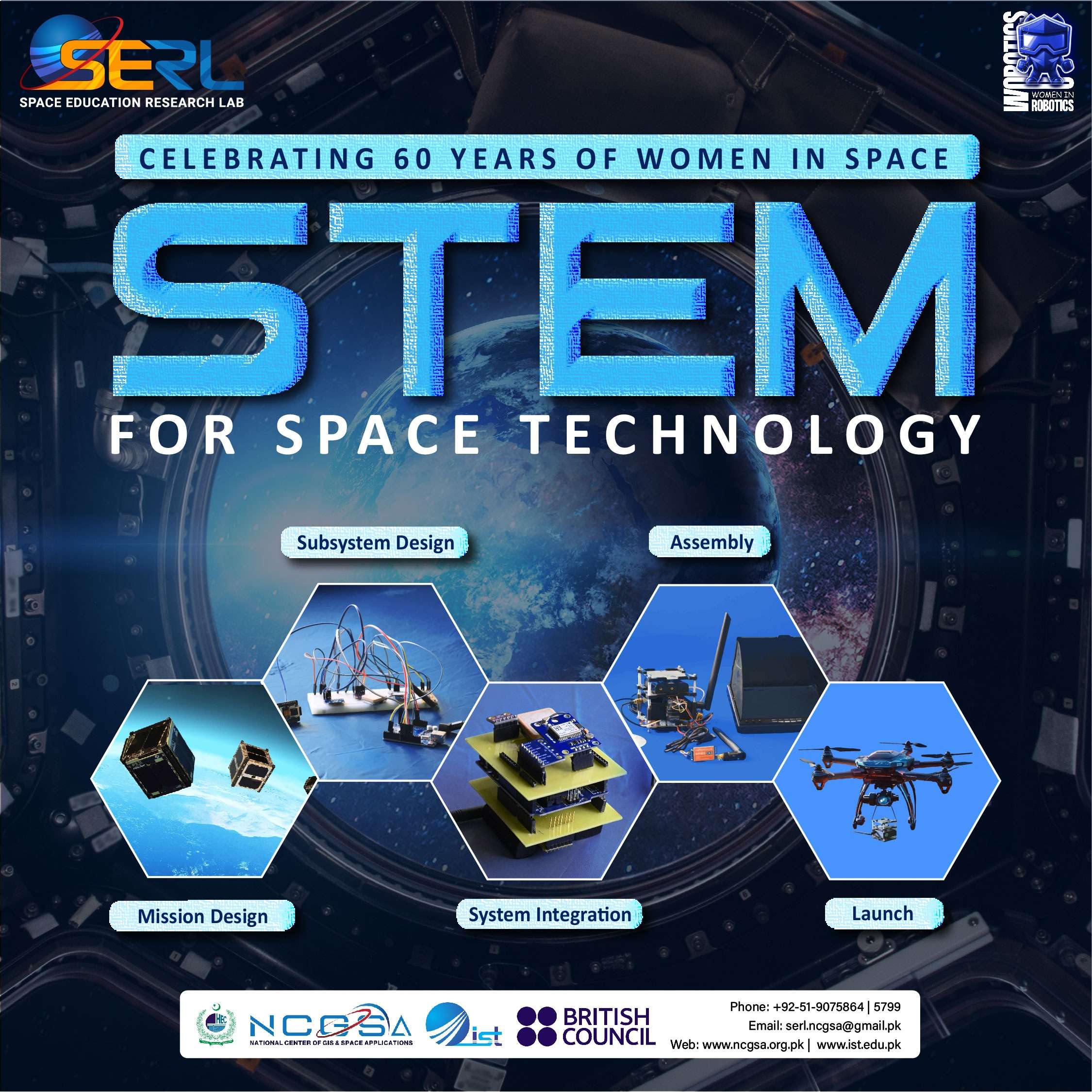
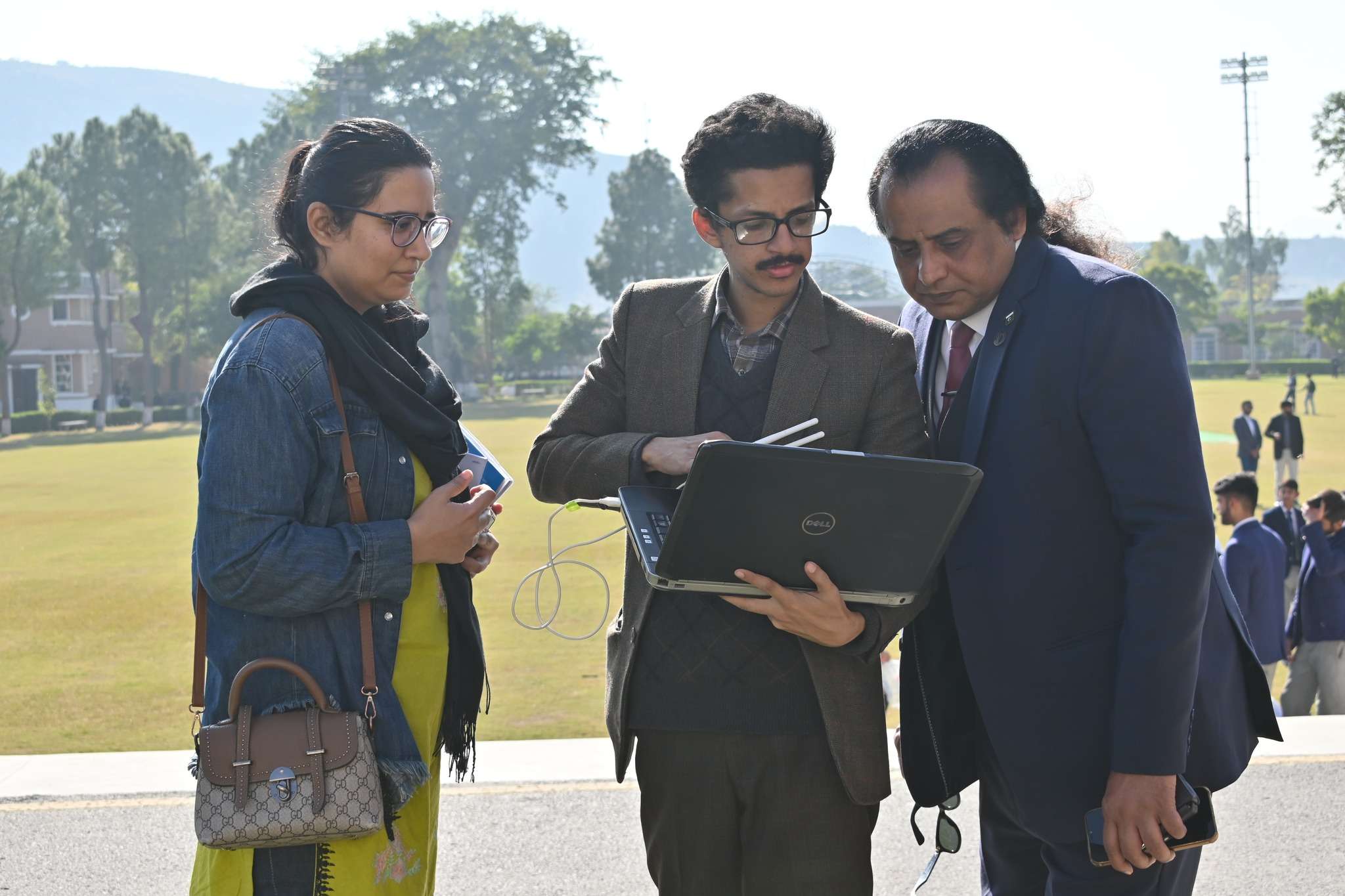
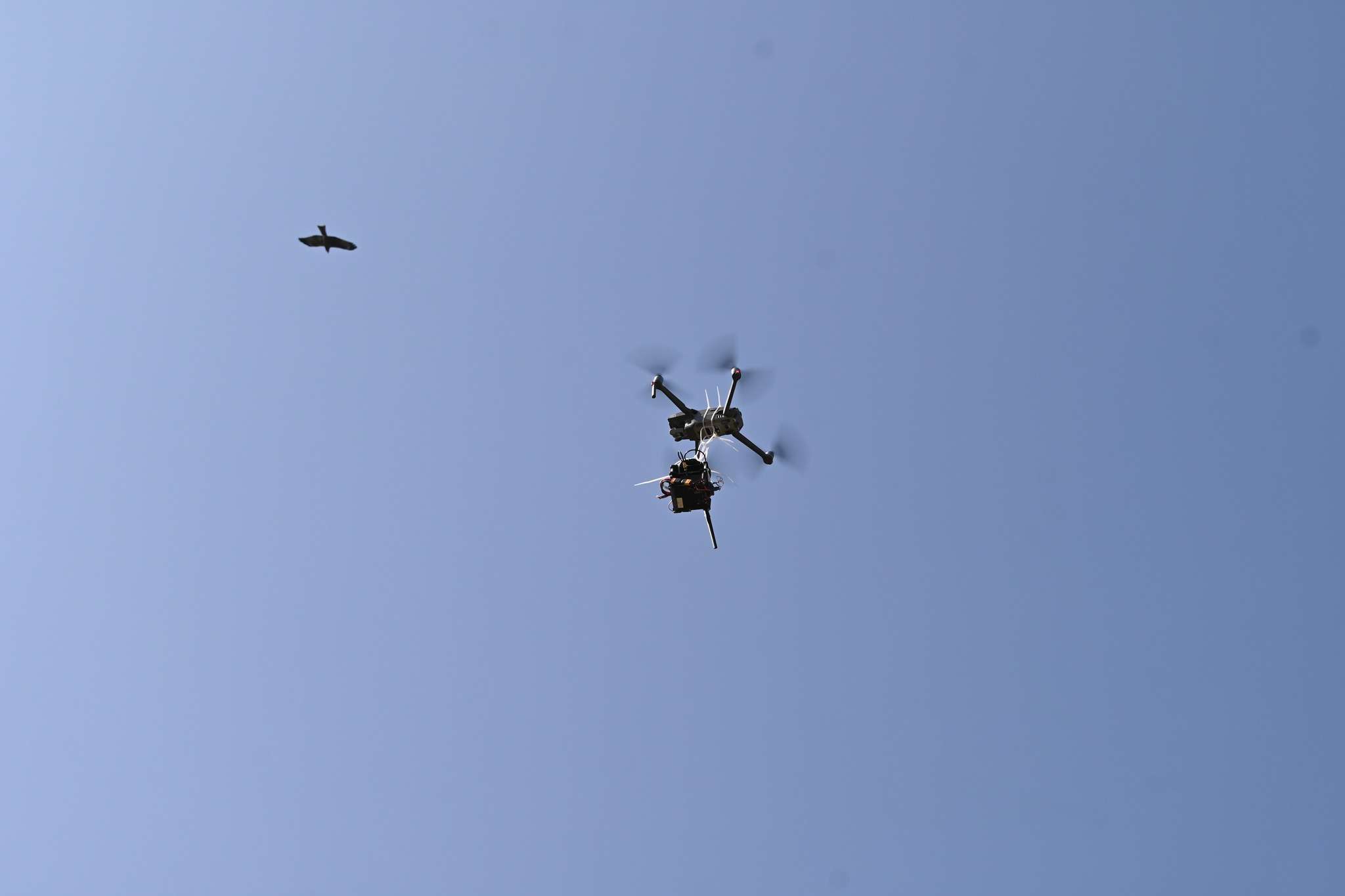
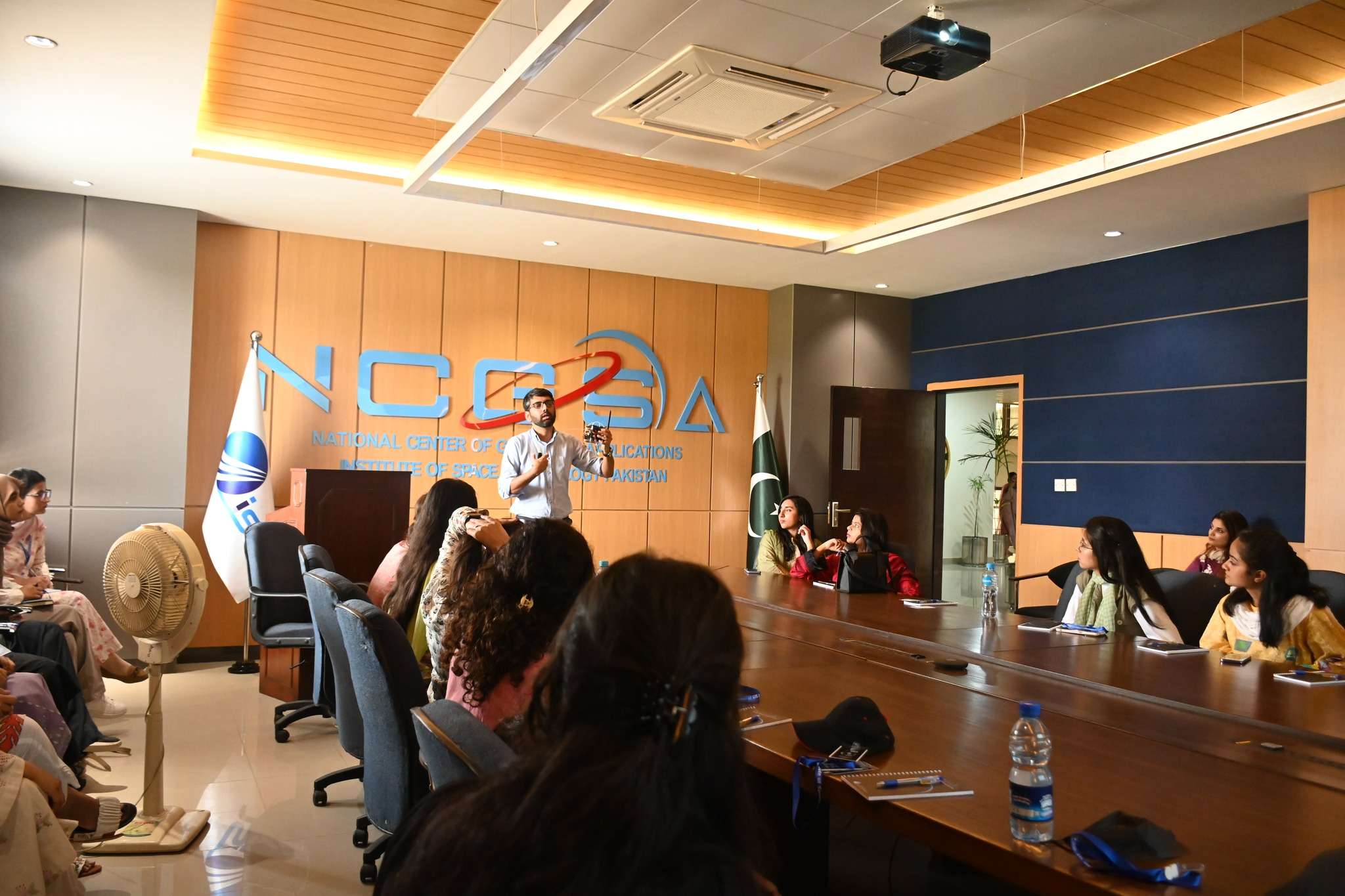
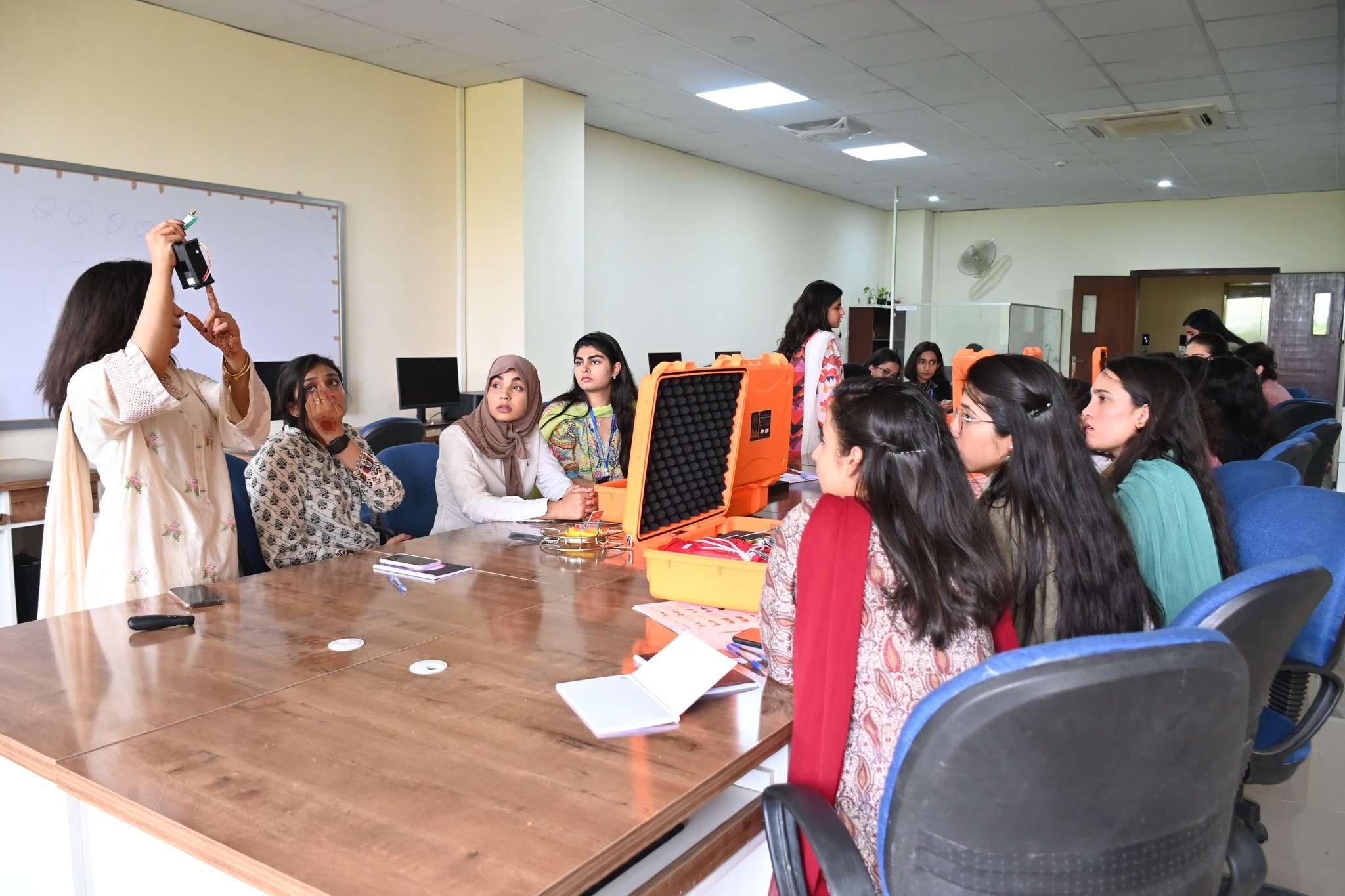
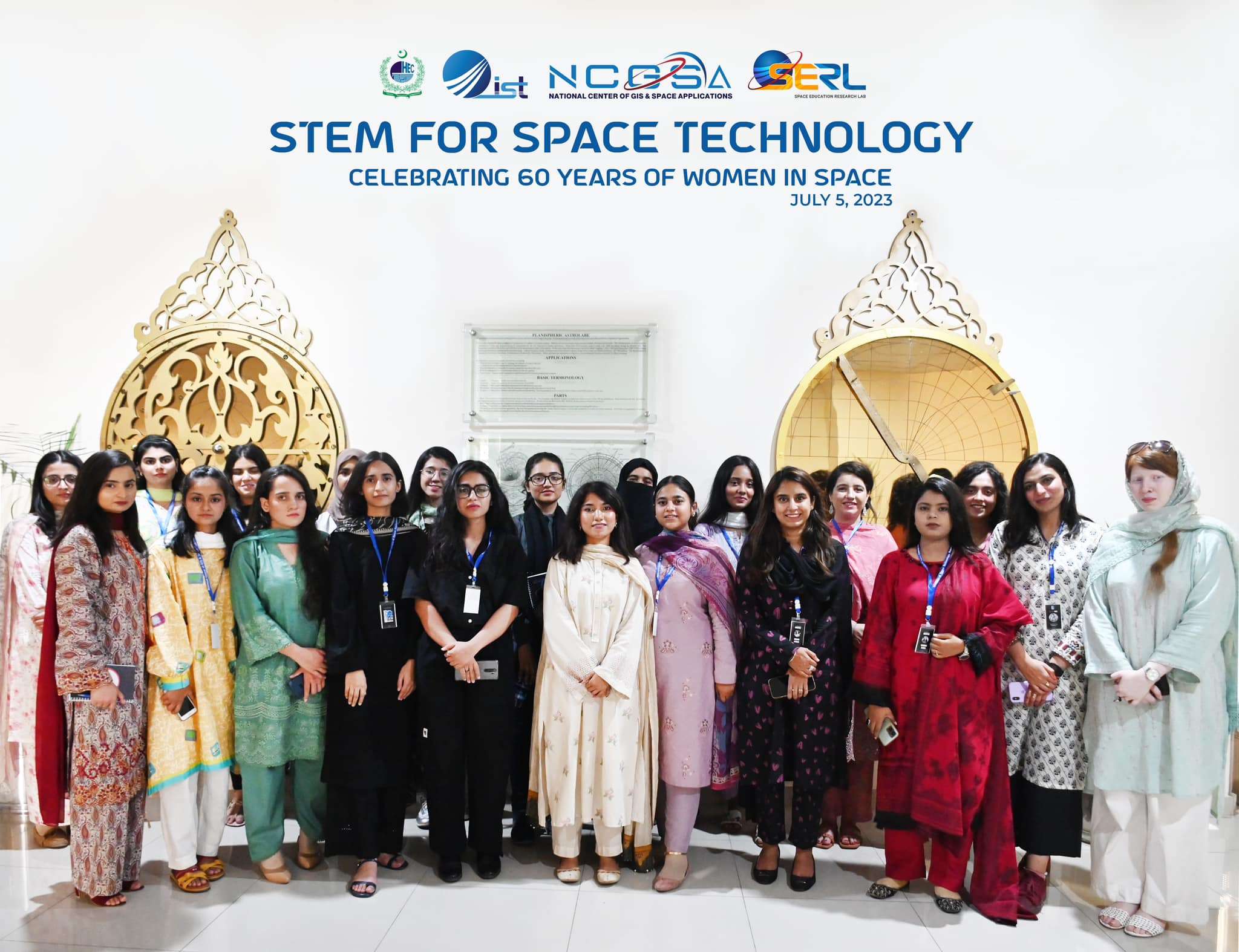
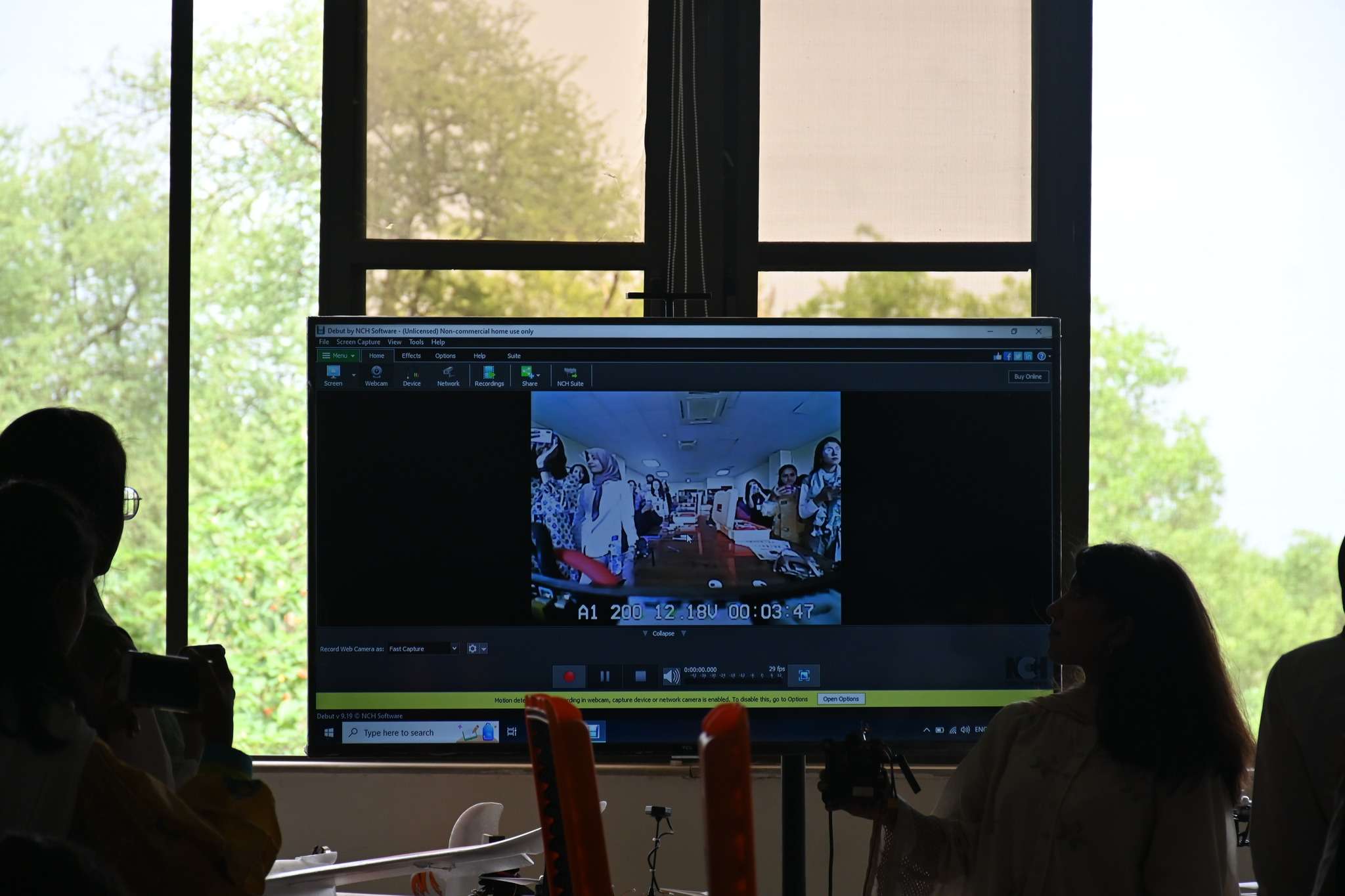
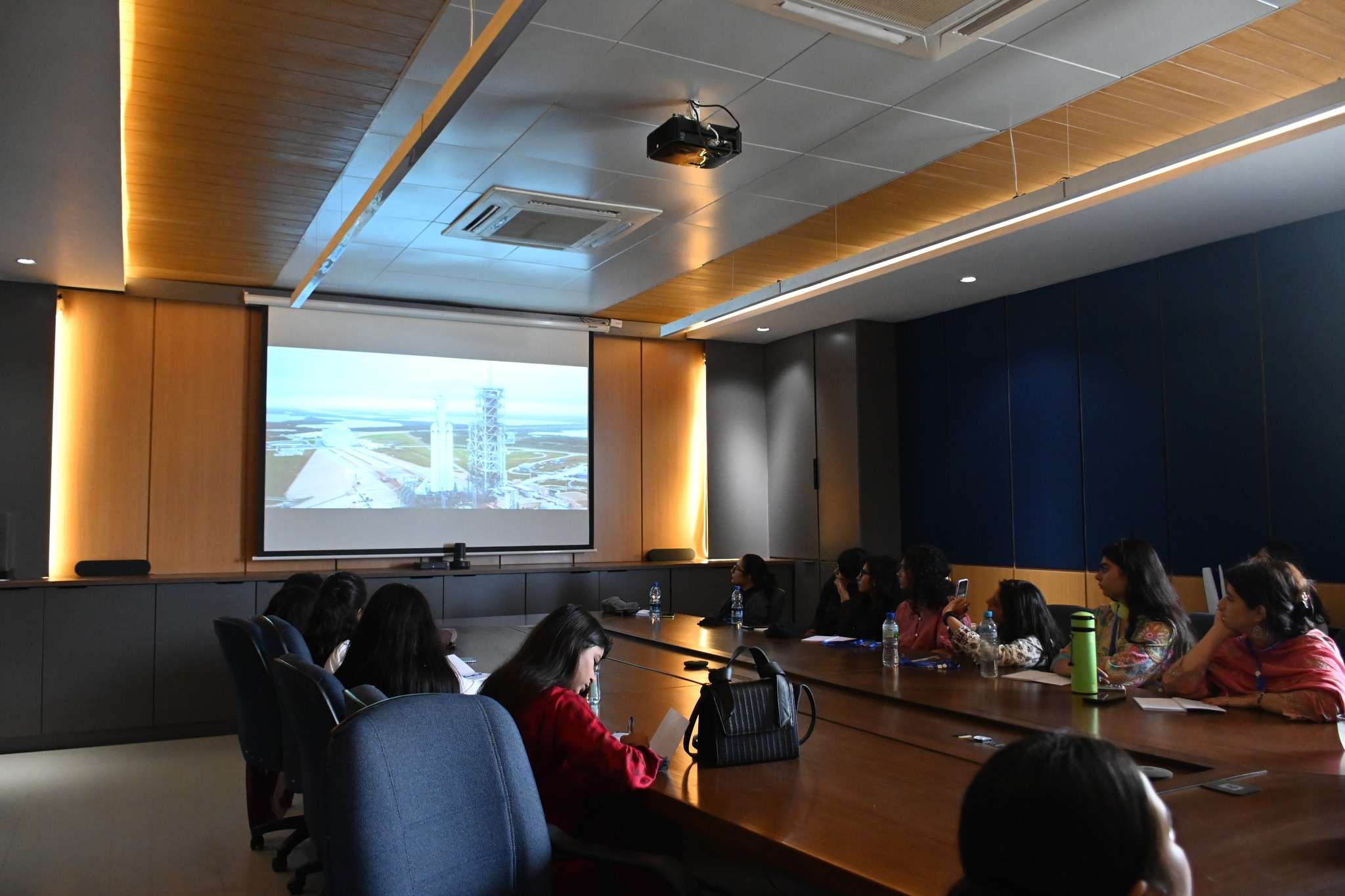
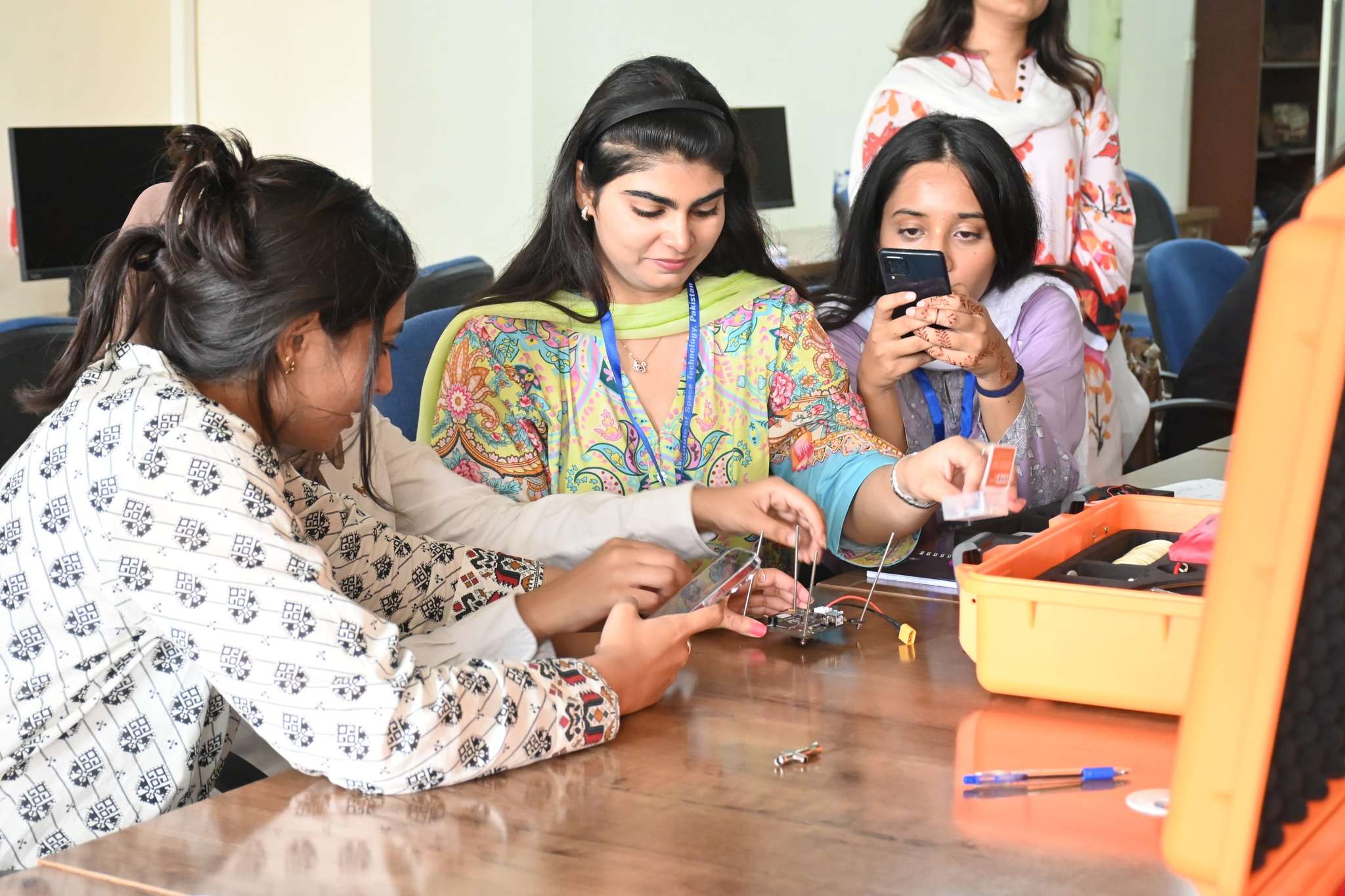
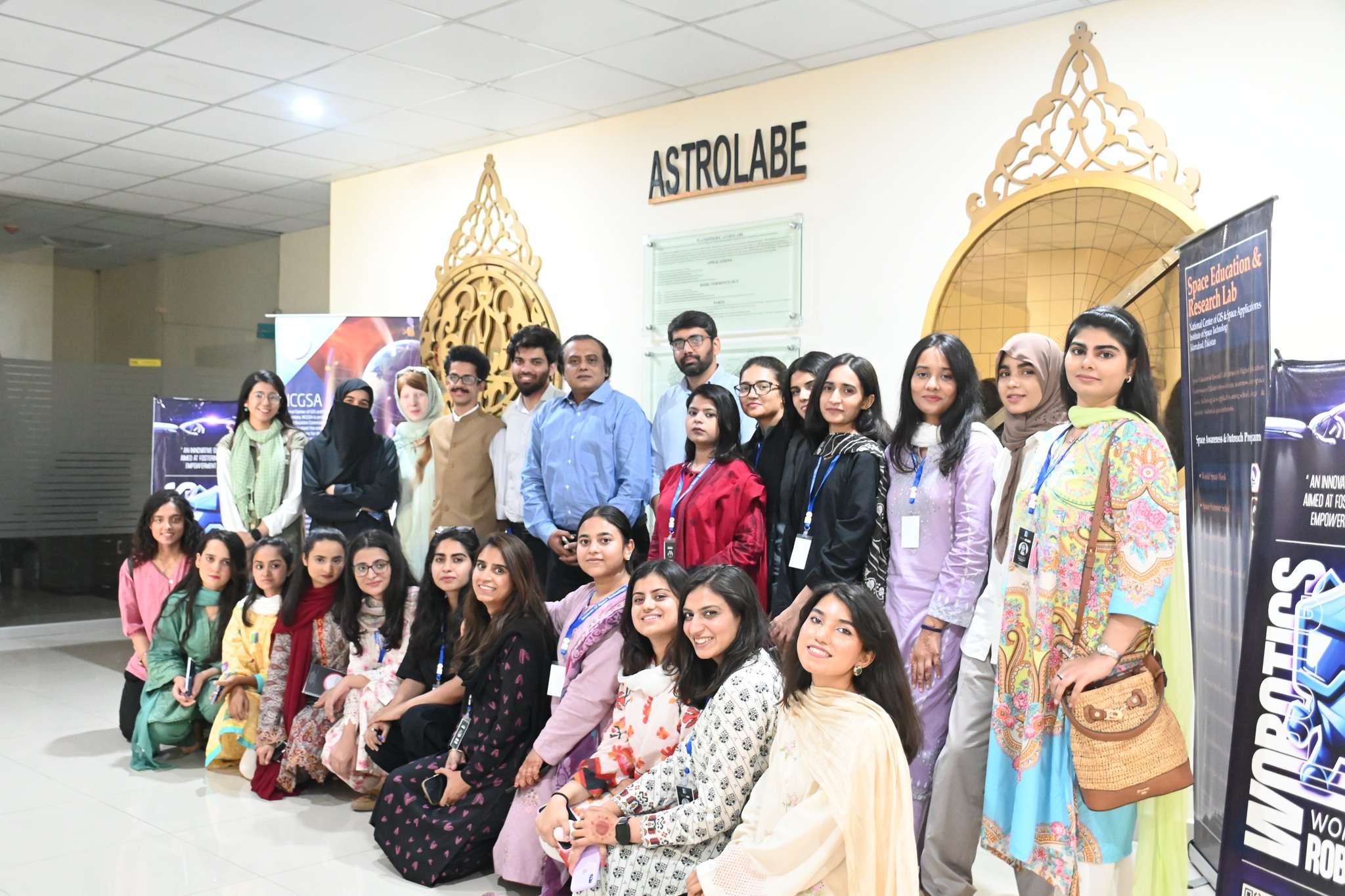
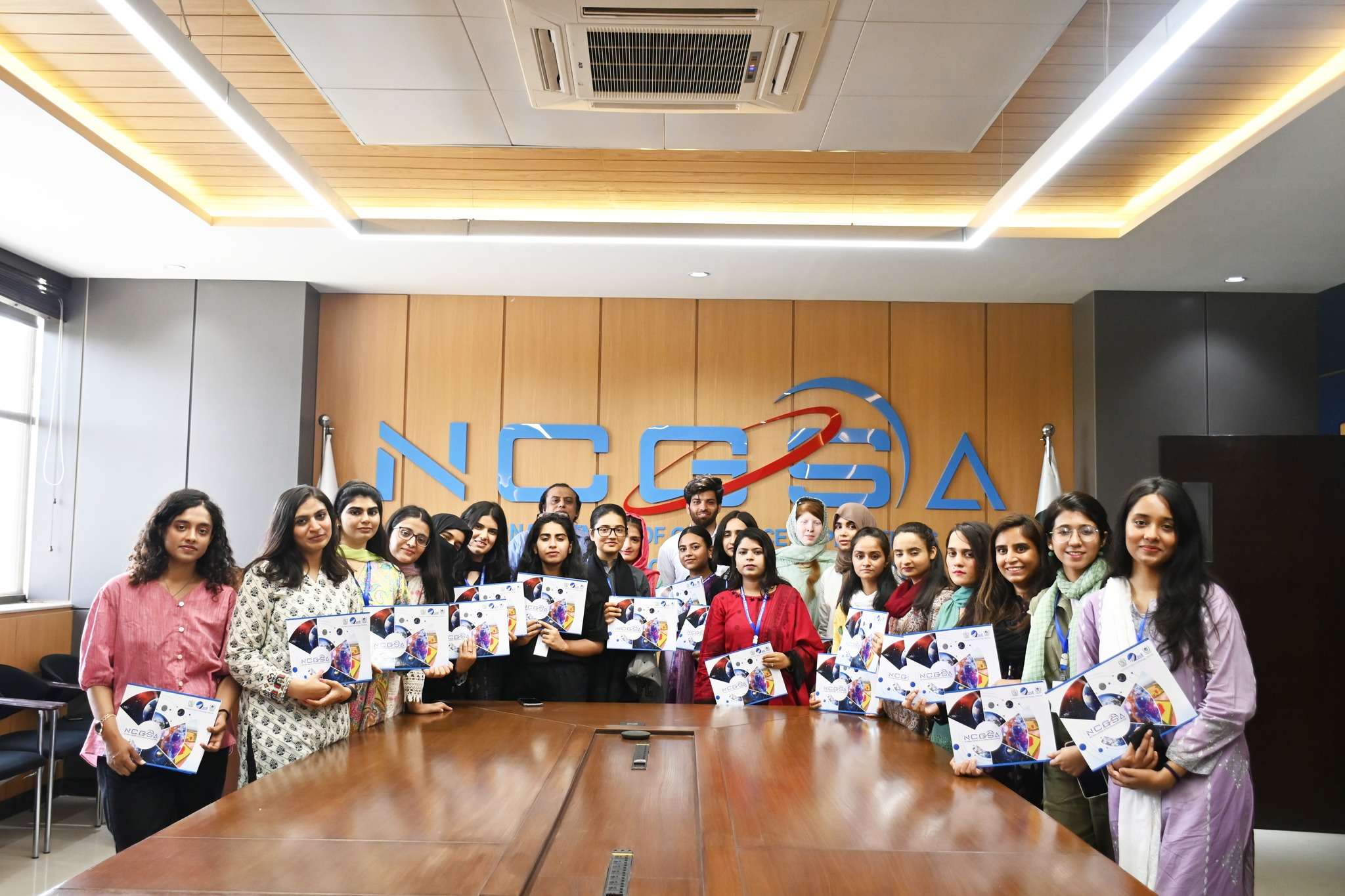
STEM for Space Technology was a one-day workshop organized in collaboration with Wobotics, a project of the British Council, dedicated to celebrating and empowering women in the field of space science and technology. The workshop aimed to encourage greater female participation in STEM by providing an exclusive platform where undergraduate women could learn, explore, and innovate within the domain of satellite technology. A total of 25 talented undergraduate women from various institutions across Pakistan participated in the event, gaining valuable exposure to the exciting possibilities of the space sector. Through a combination of expert-led sessions and practical activities, participants were introduced to the essentials of satellite mission design and development, equipping them with both theoretical insights and practical understanding. The highlight of the workshop was the hands-on experience in CubeSat assembly, launch, and real-time data collection. As an initiative, STEM for Space Technology stood as a step forward in bridging the gender gap in STEM education, while nurturing a new generation of women leaders ready to contribute to the future of satellite technology and space exploration.
Space Maker Camp 2023
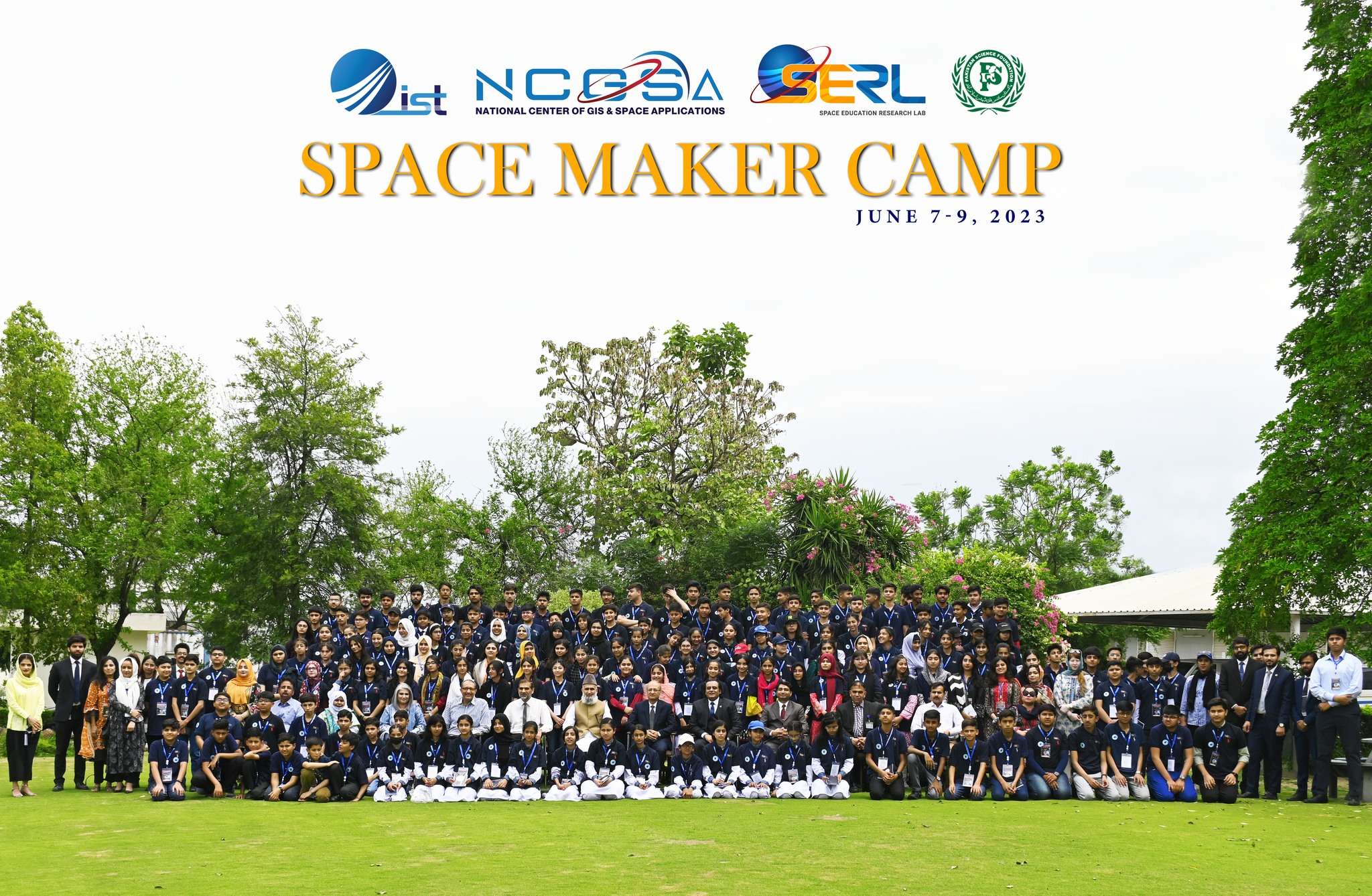
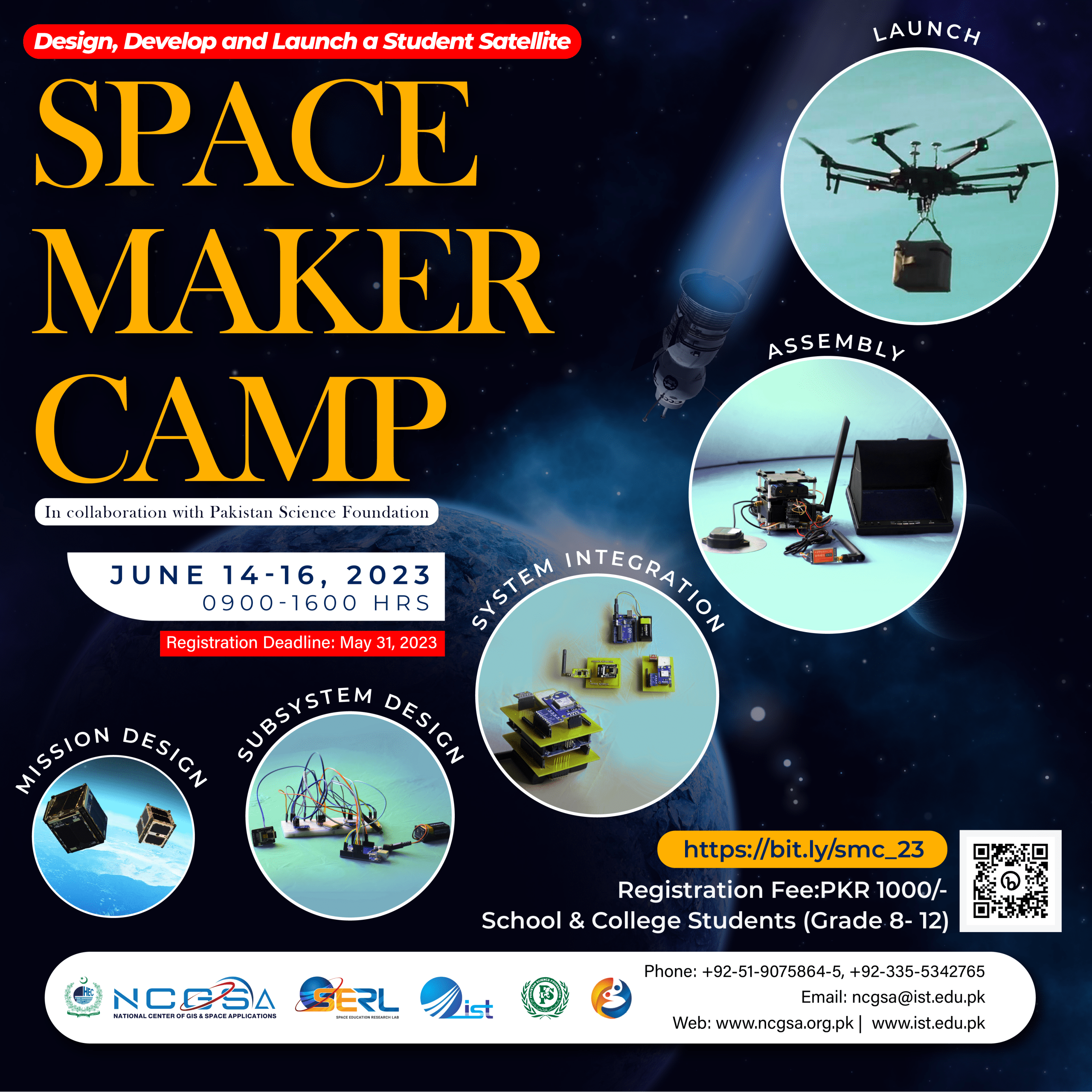
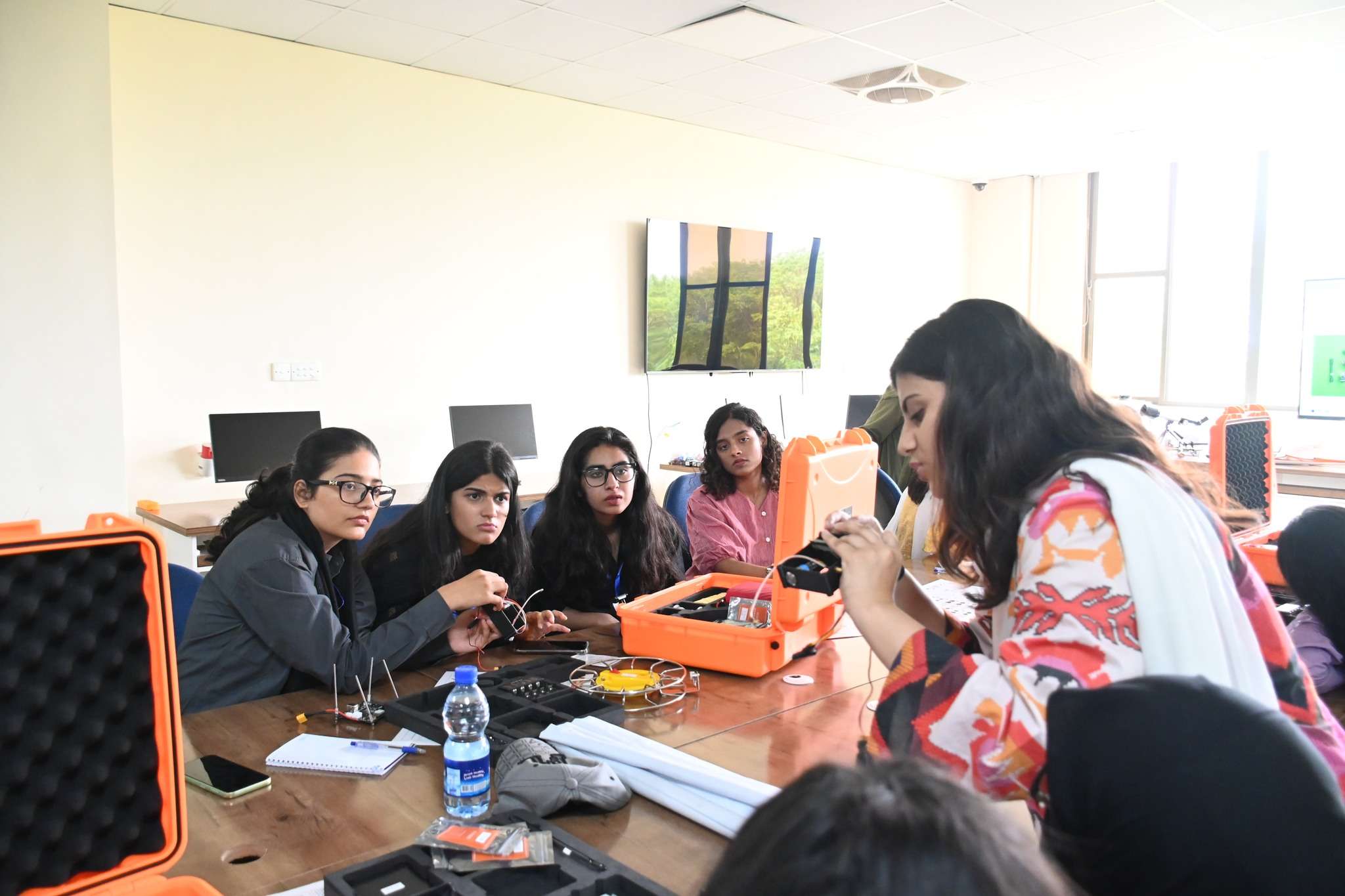
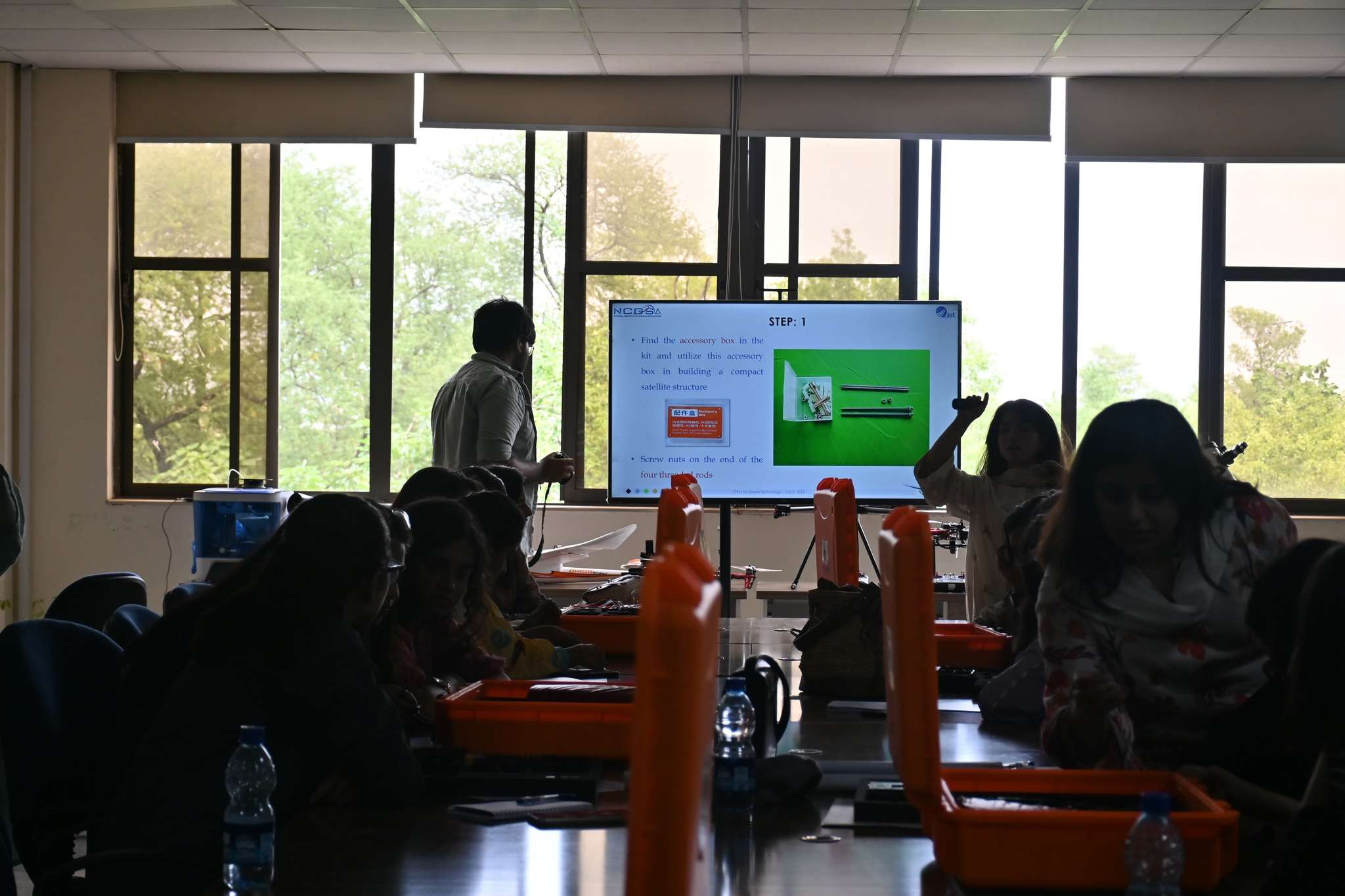
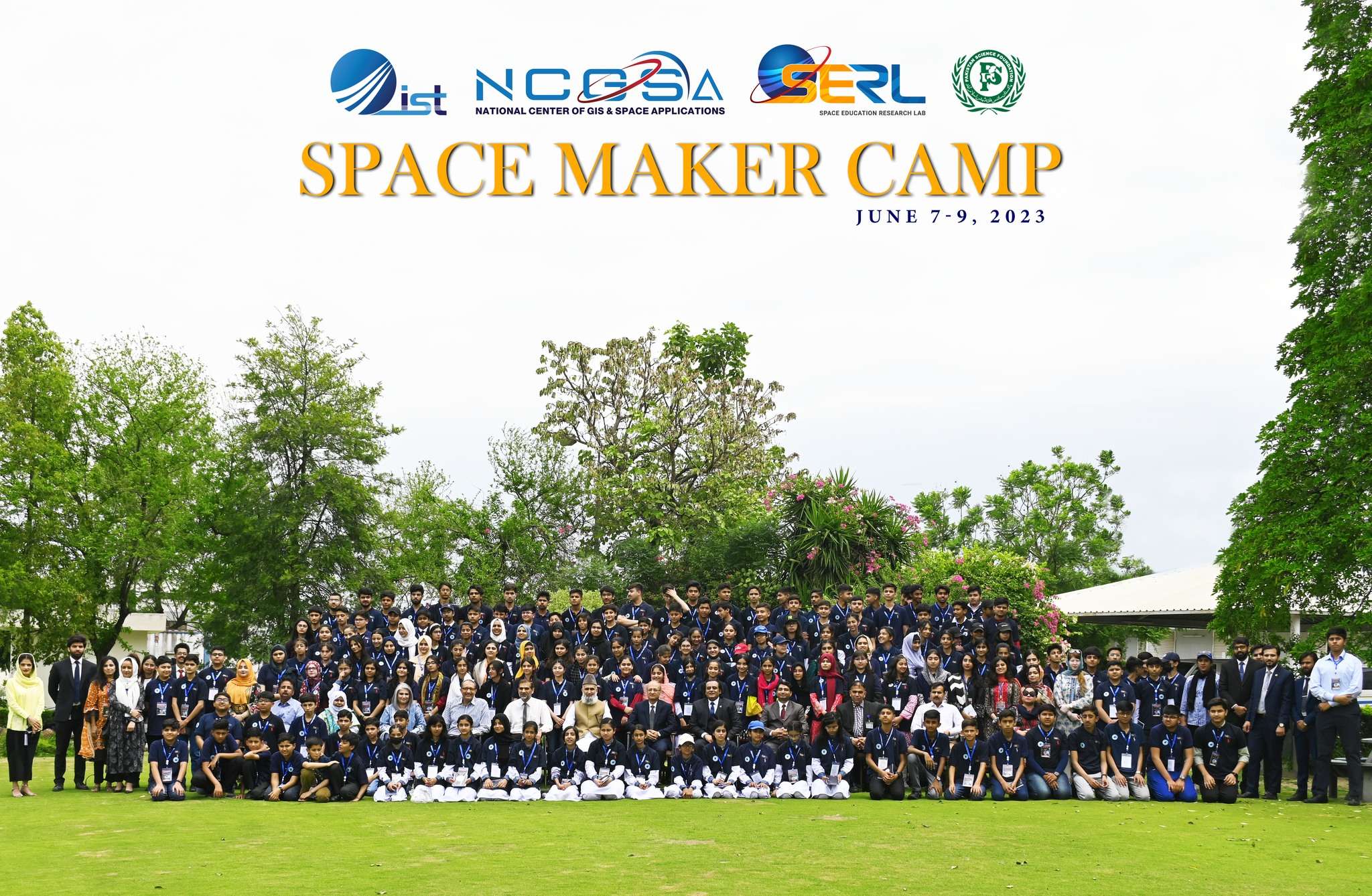
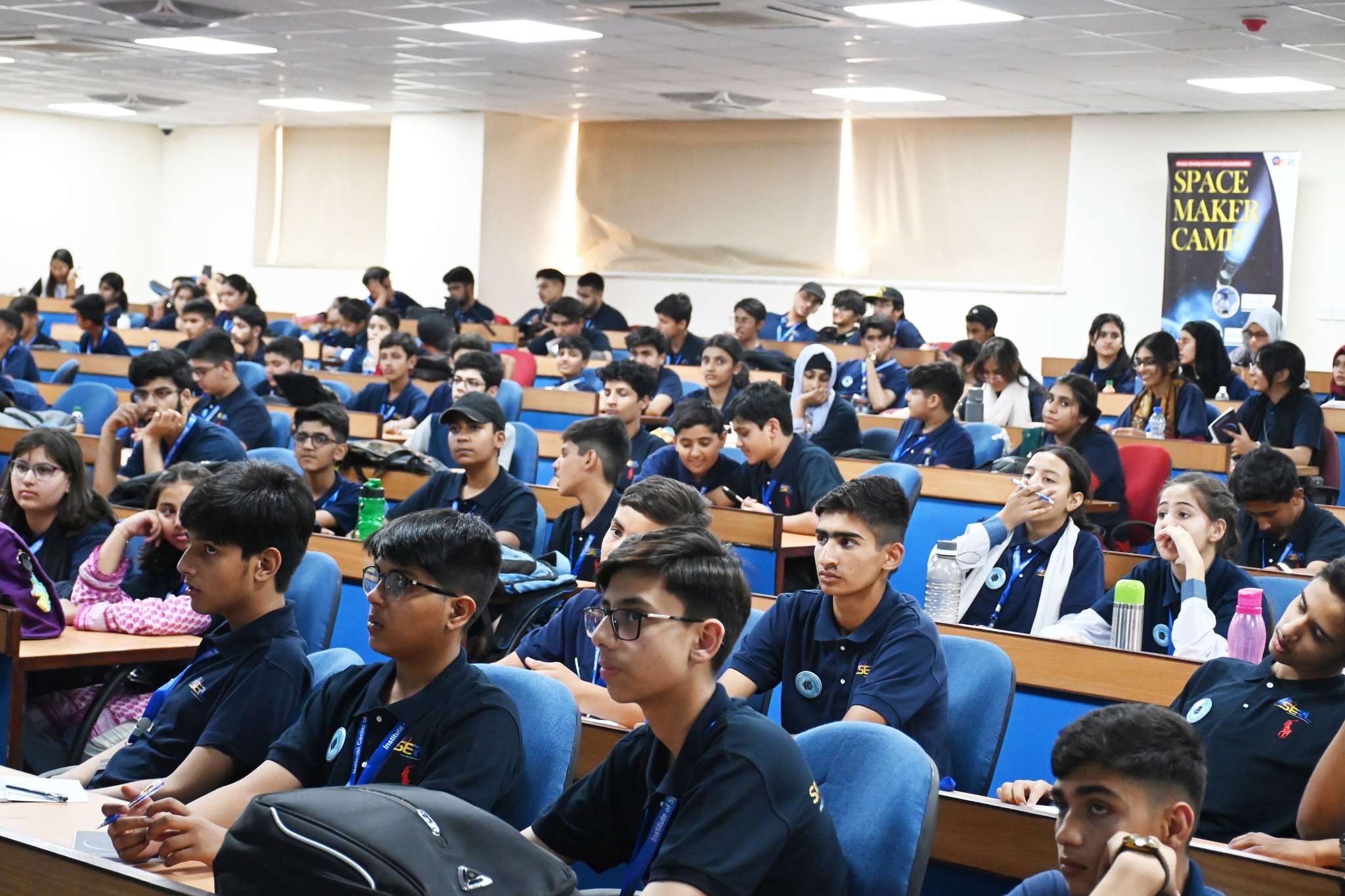
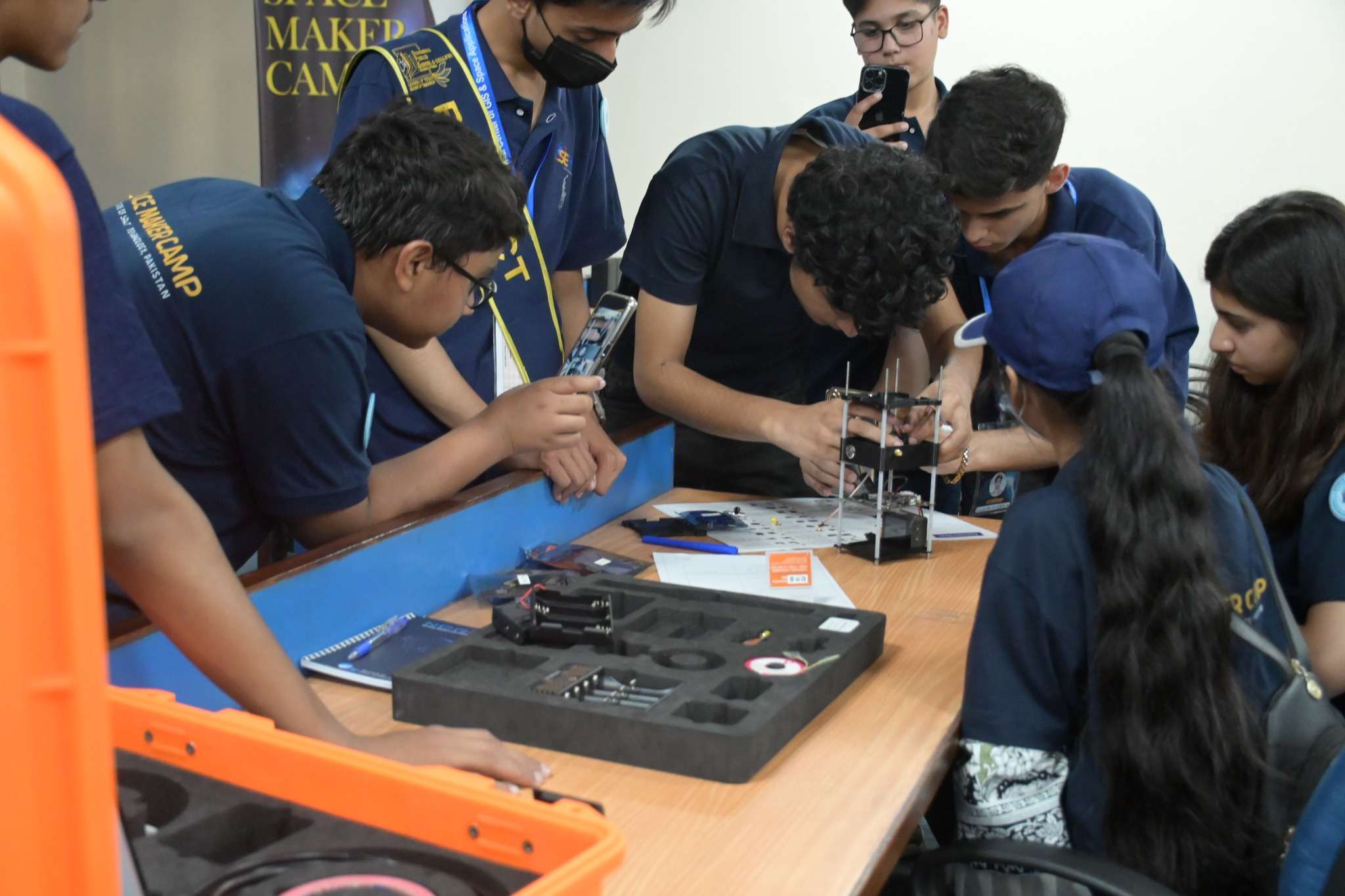
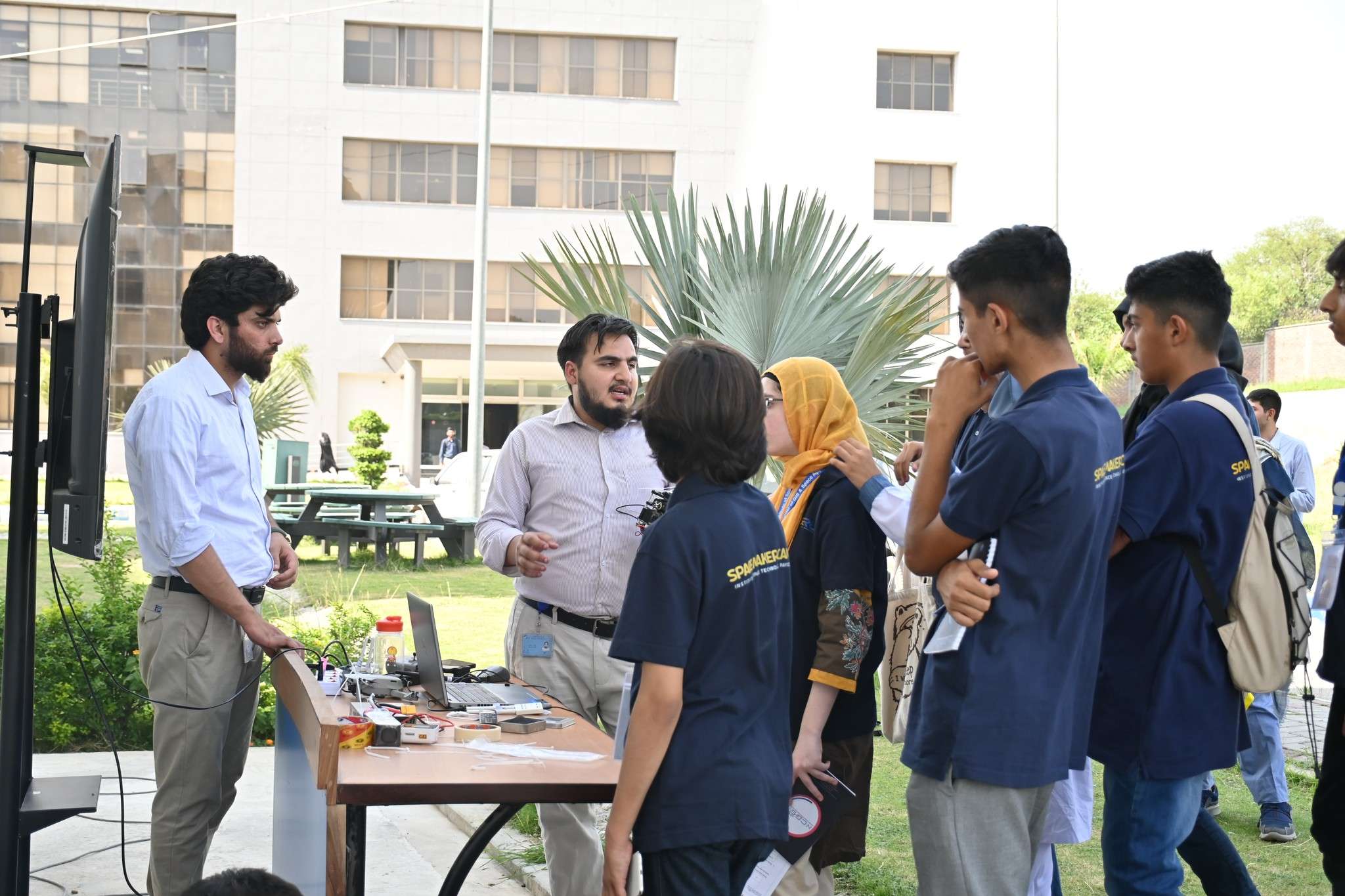
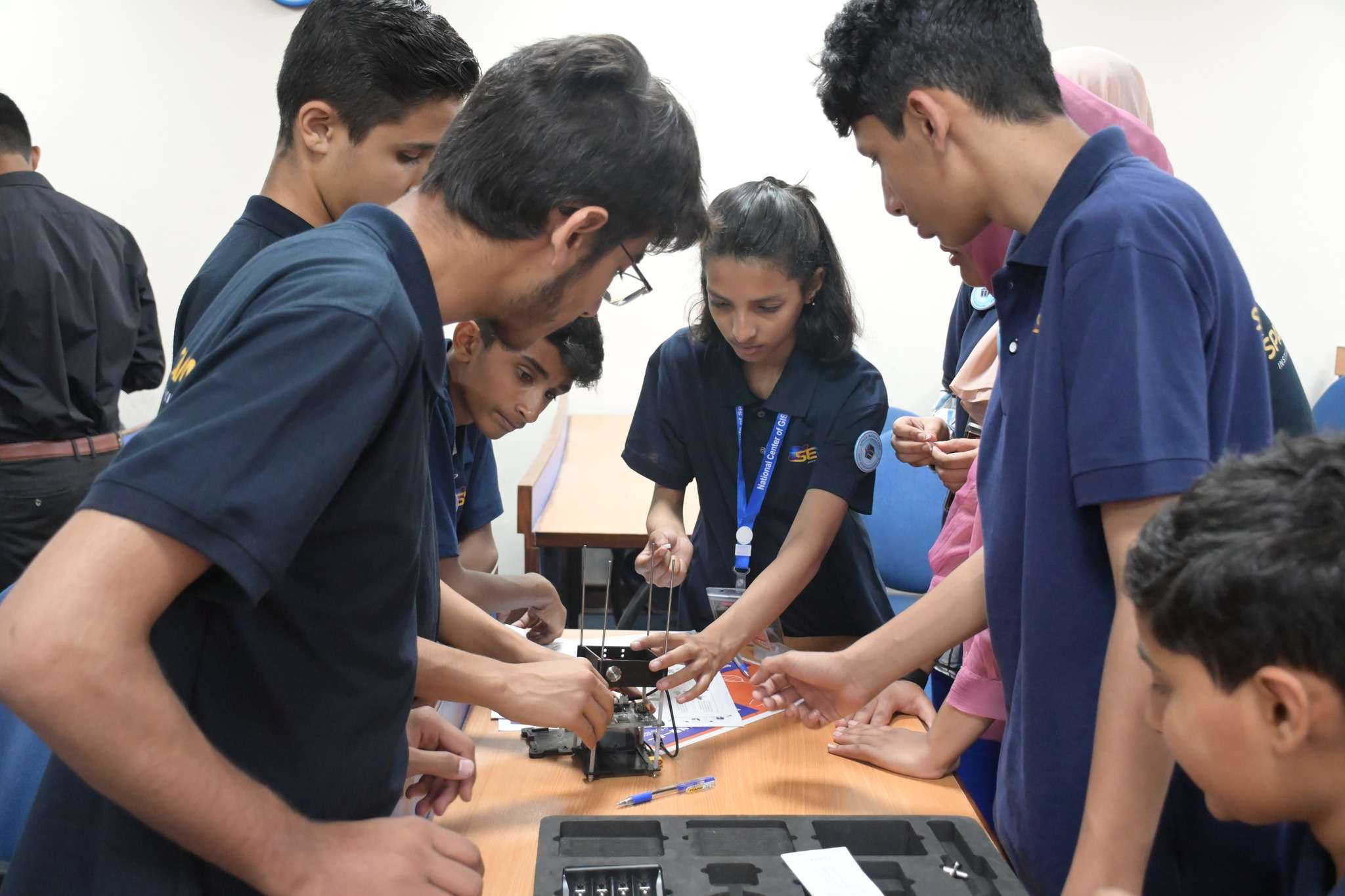
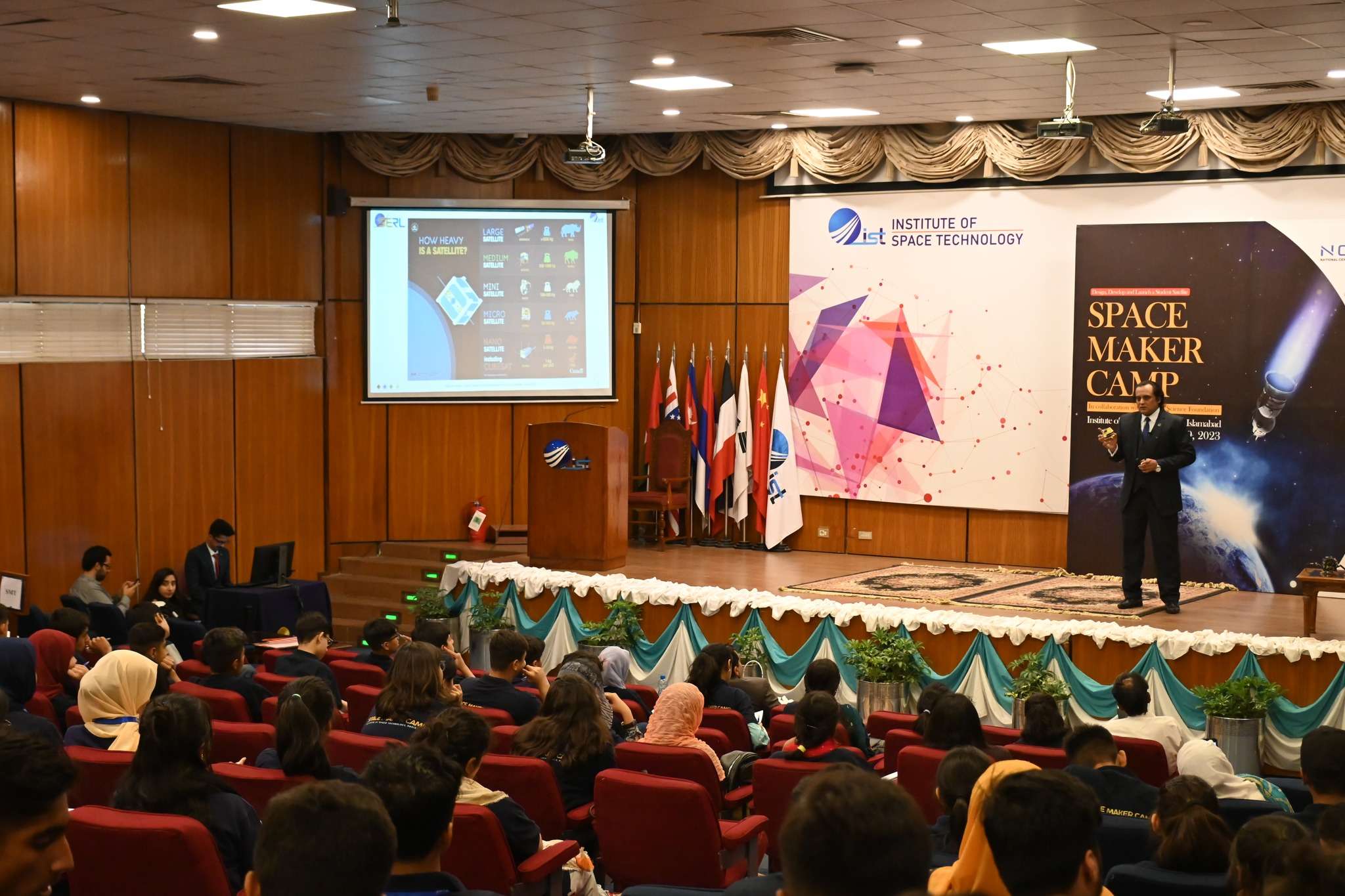
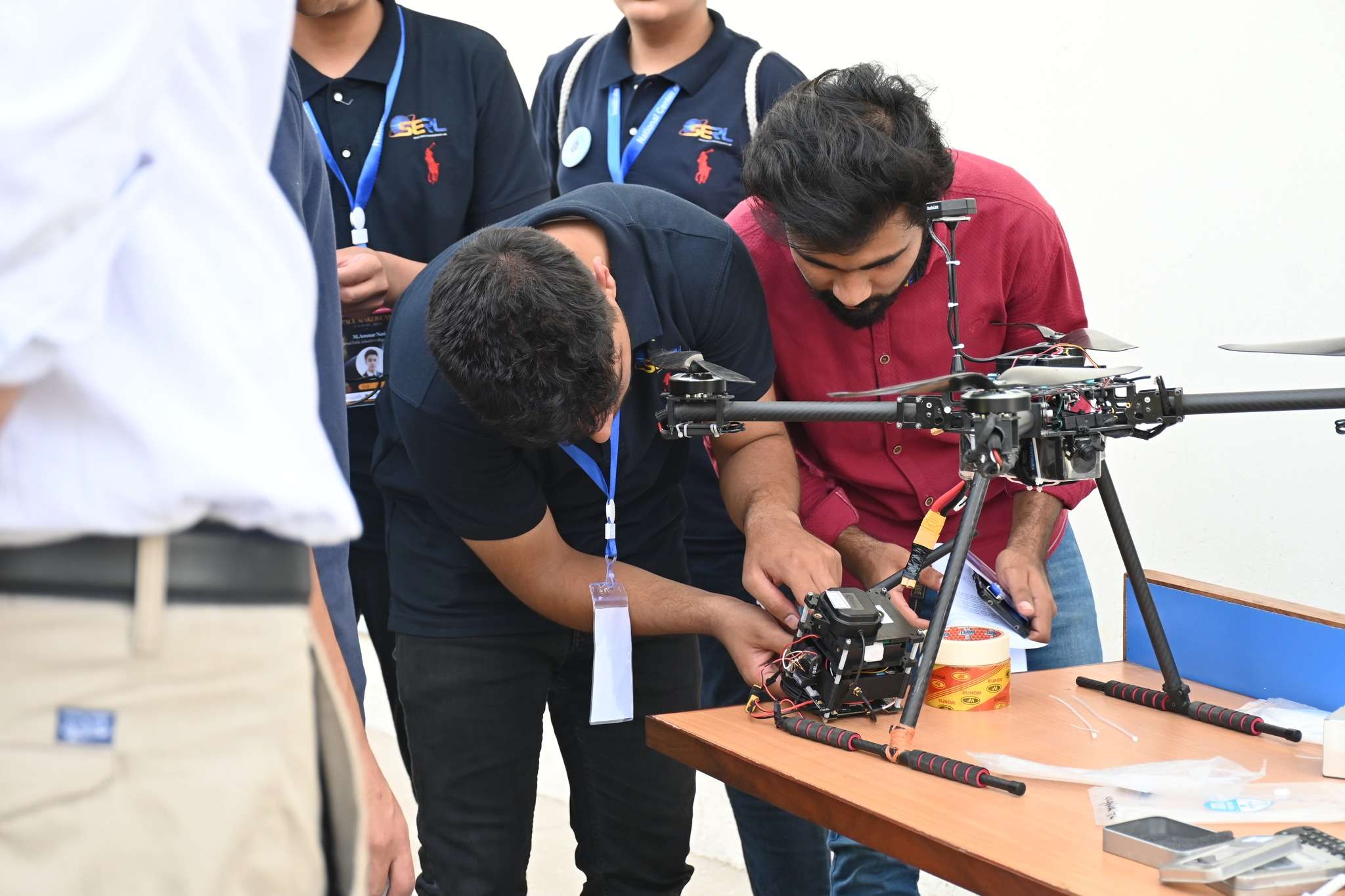
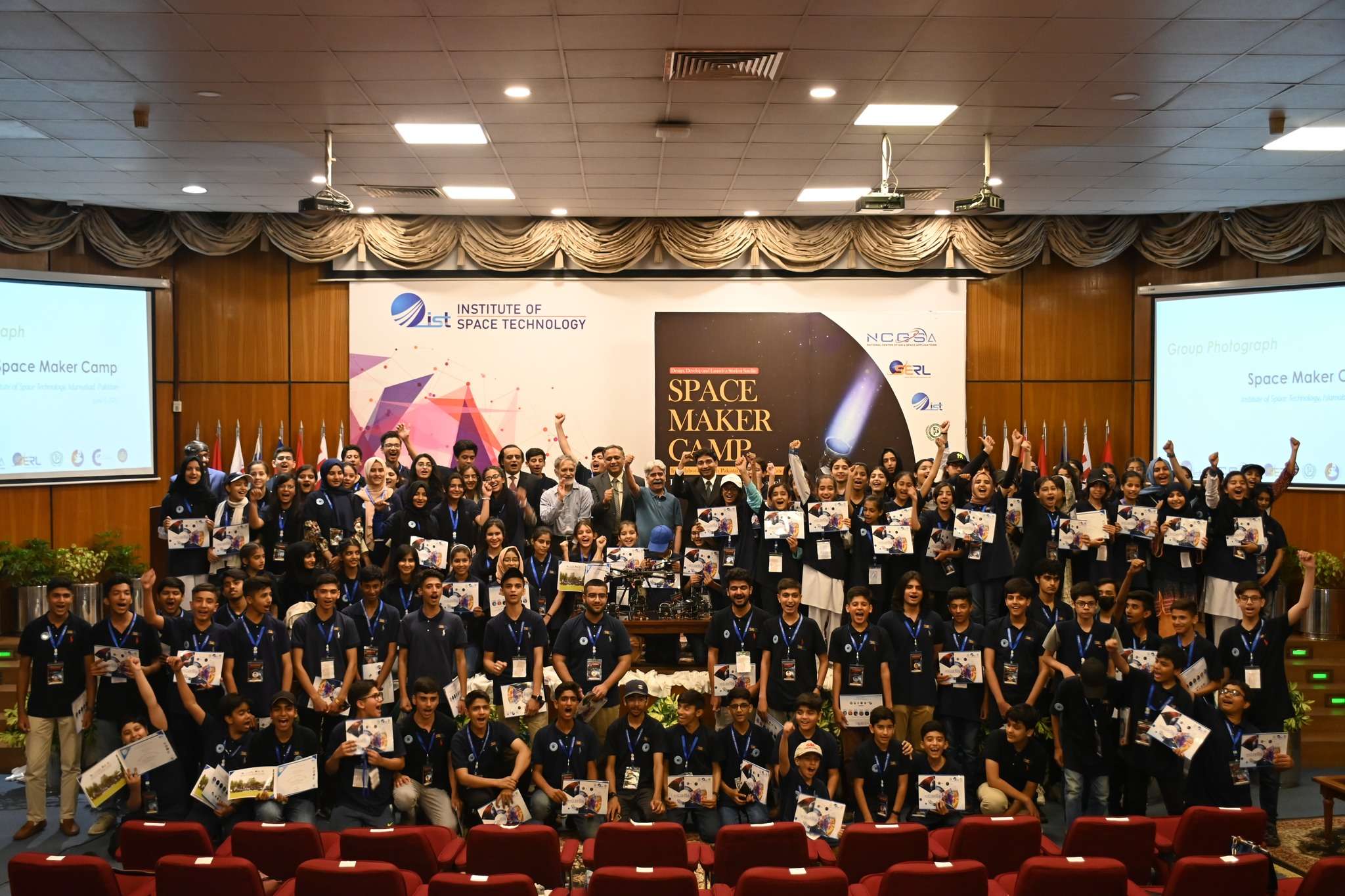
A three-day CubeSat Training Camp was organized by the Space Education Research Lab of the National Center of GIS & Space Applications (NCGSA), in collaboration with the Pakistan Science Foundation (PSF), at the Institute of Space Technology (IST). The camp provided students with an immersive experience in space science and satellite technology, introducing them to the fundamentals of CubeSat systems. Participants not only gained theoretical knowledge but also actively engaged in the design, integration, and launch of CubeSat kits, allowing them to experience the complete cycle of satellite development through a scaled model. This hands-on approach enhanced their technical understanding, problem-solving abilities, and teamwork skills. The camp offered a unique national platform for more than 185 bright students from grades 8 to 12, representing 40 schools and colleges across Pakistan, to explore their interest in space education and gain practical exposure to emerging technologies.
CanSat Lab Model 2023
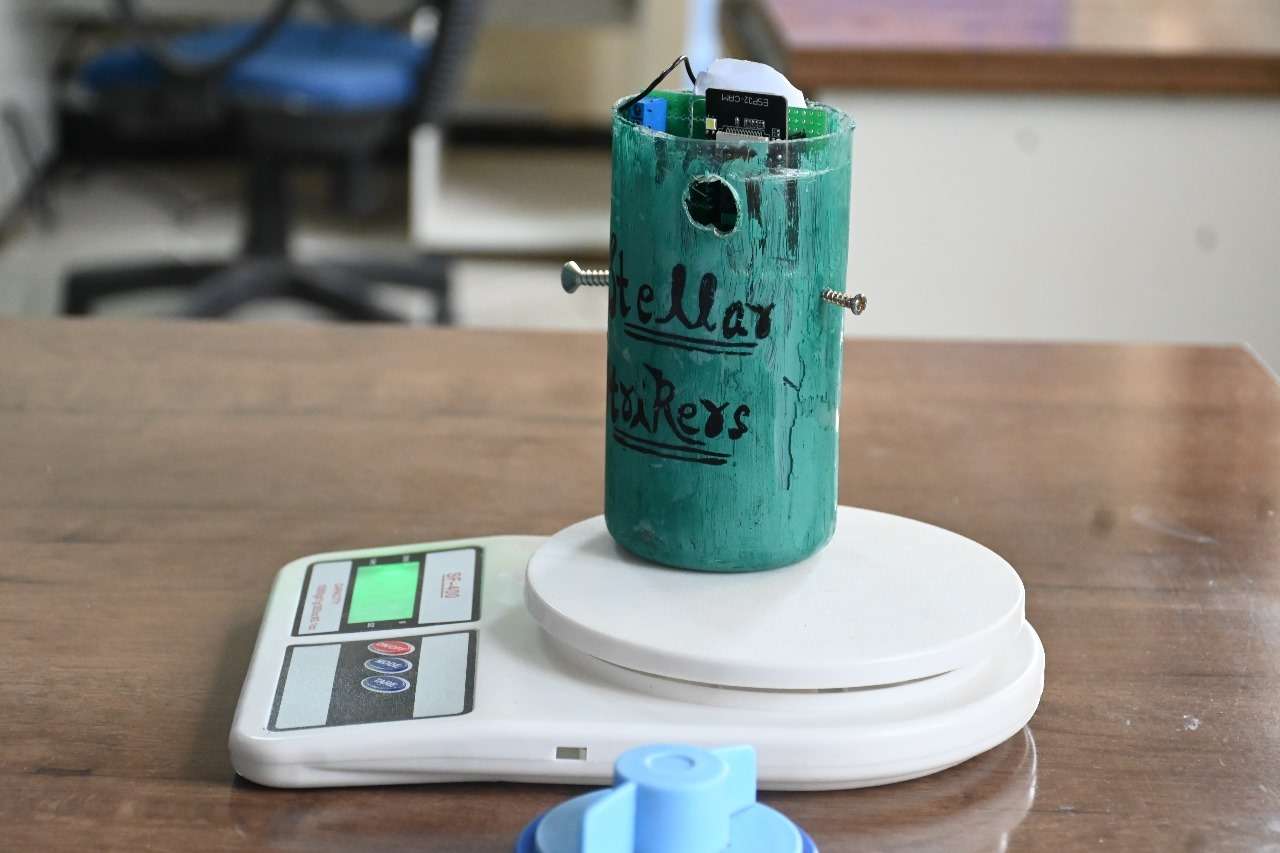
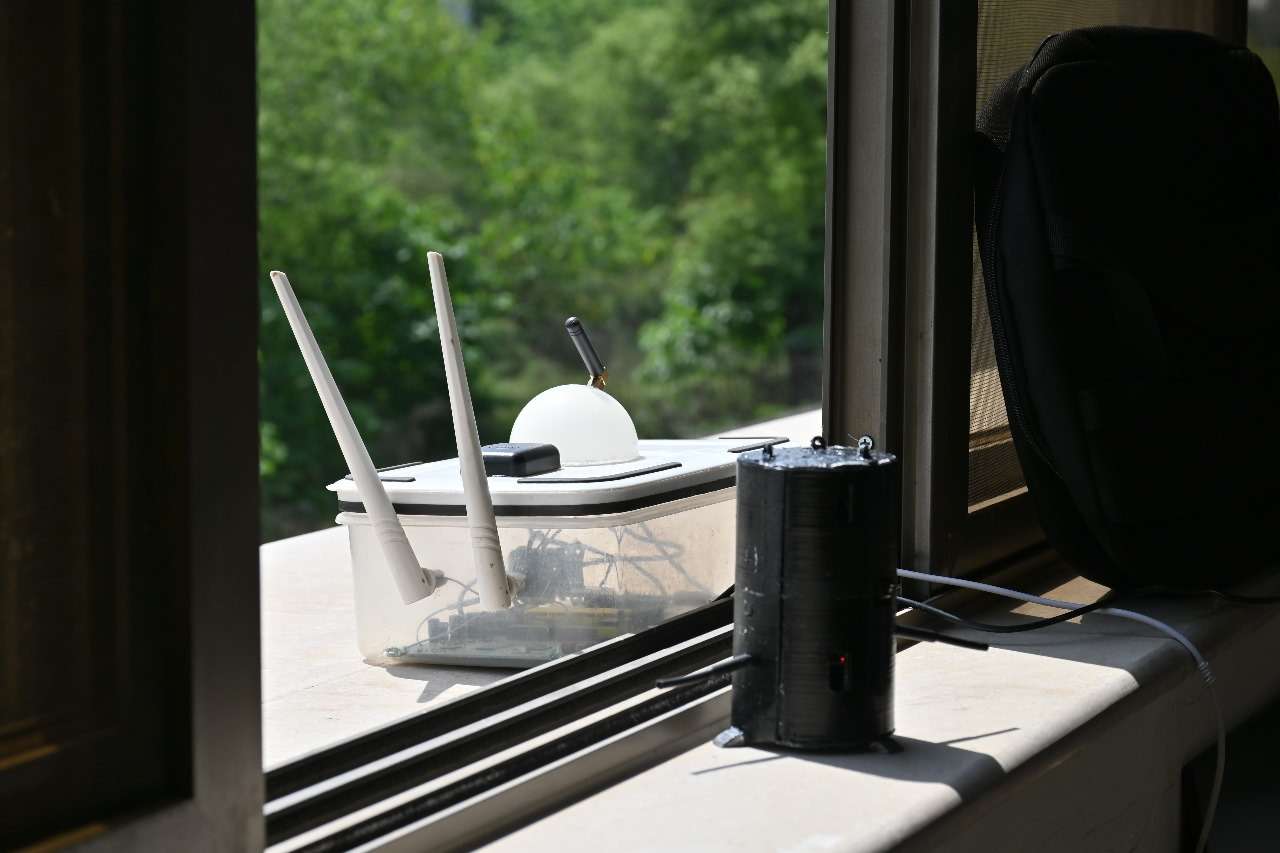
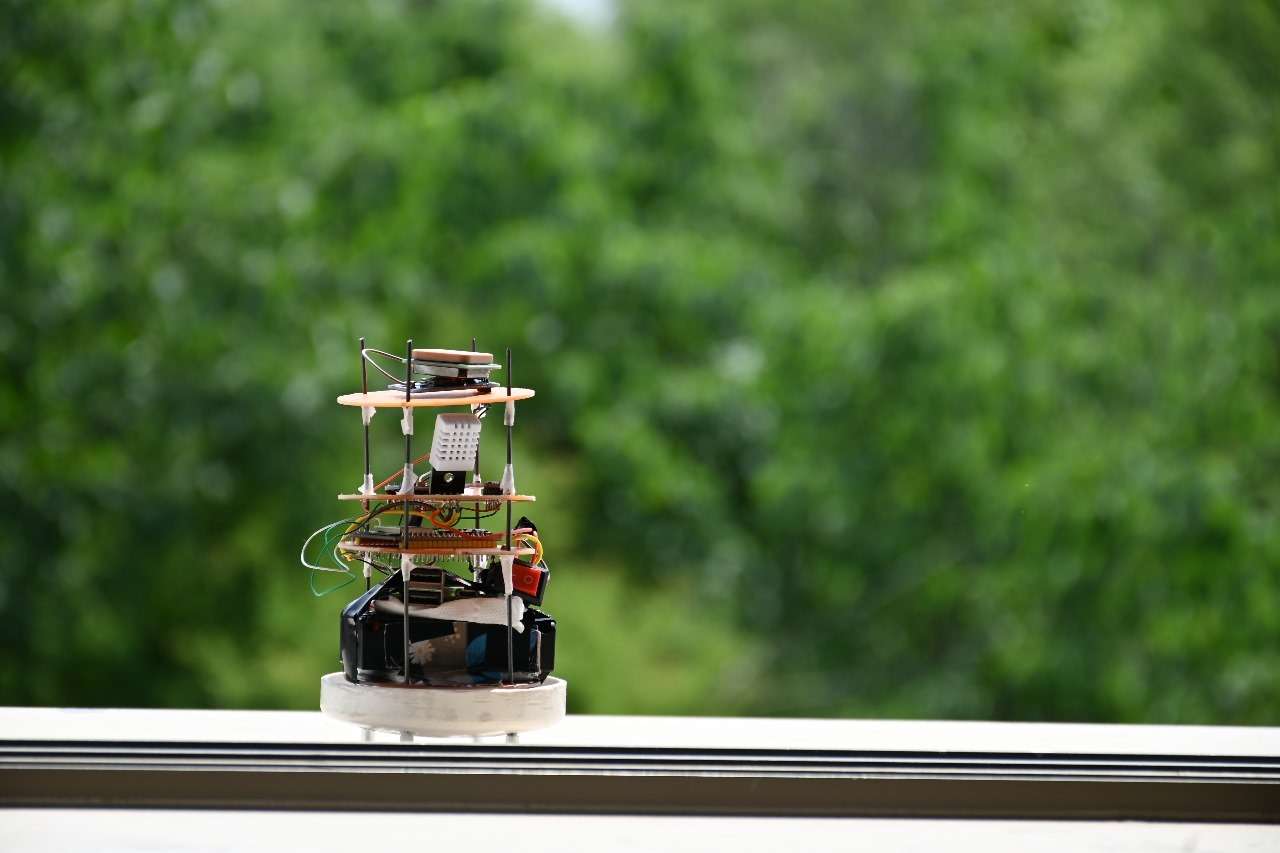
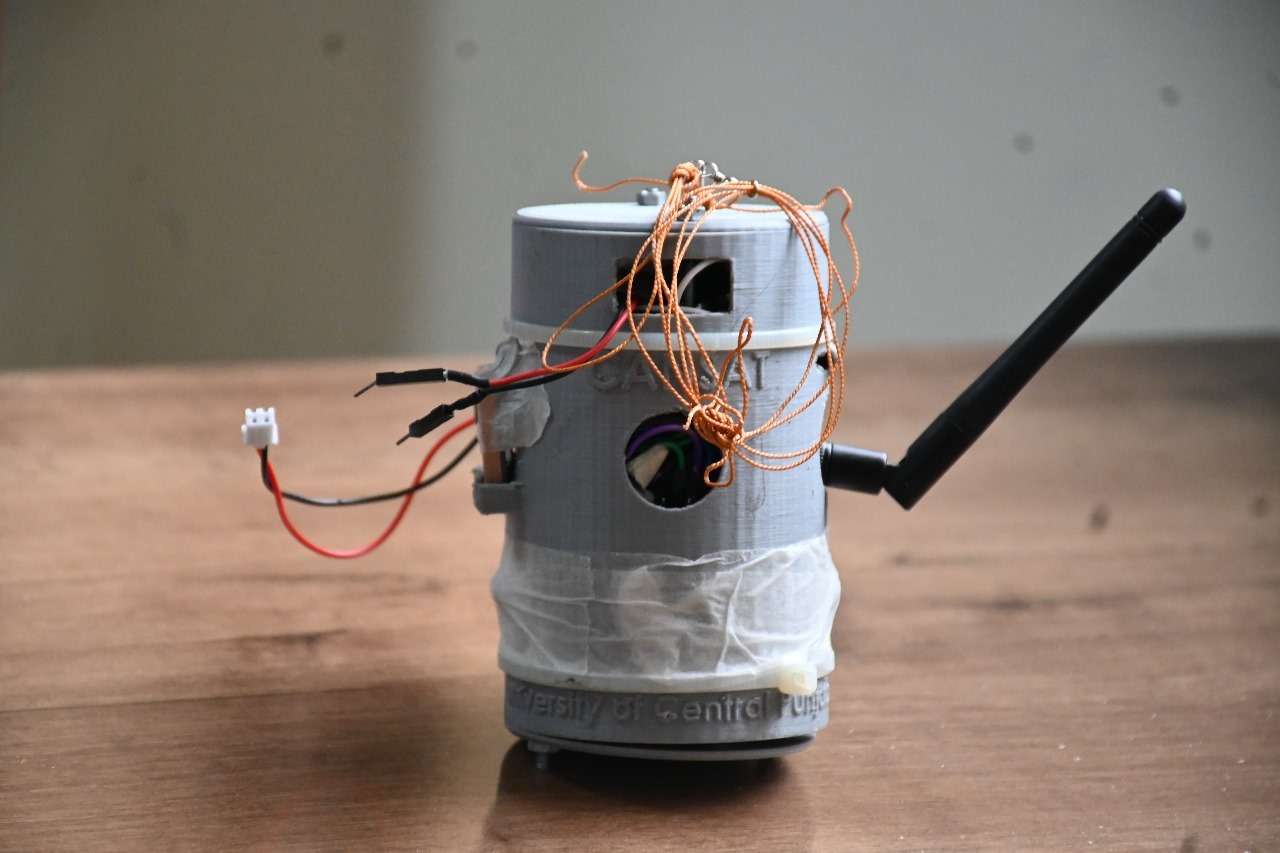
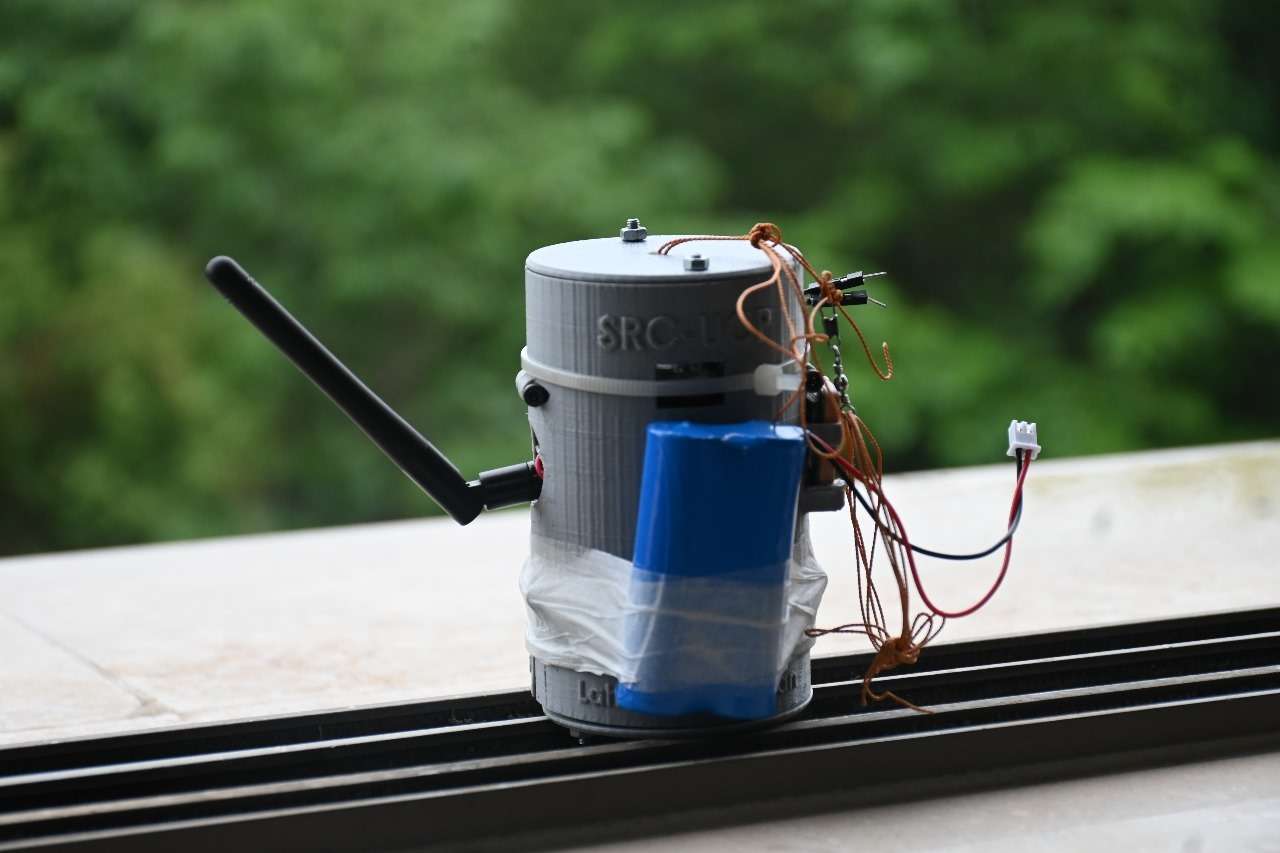
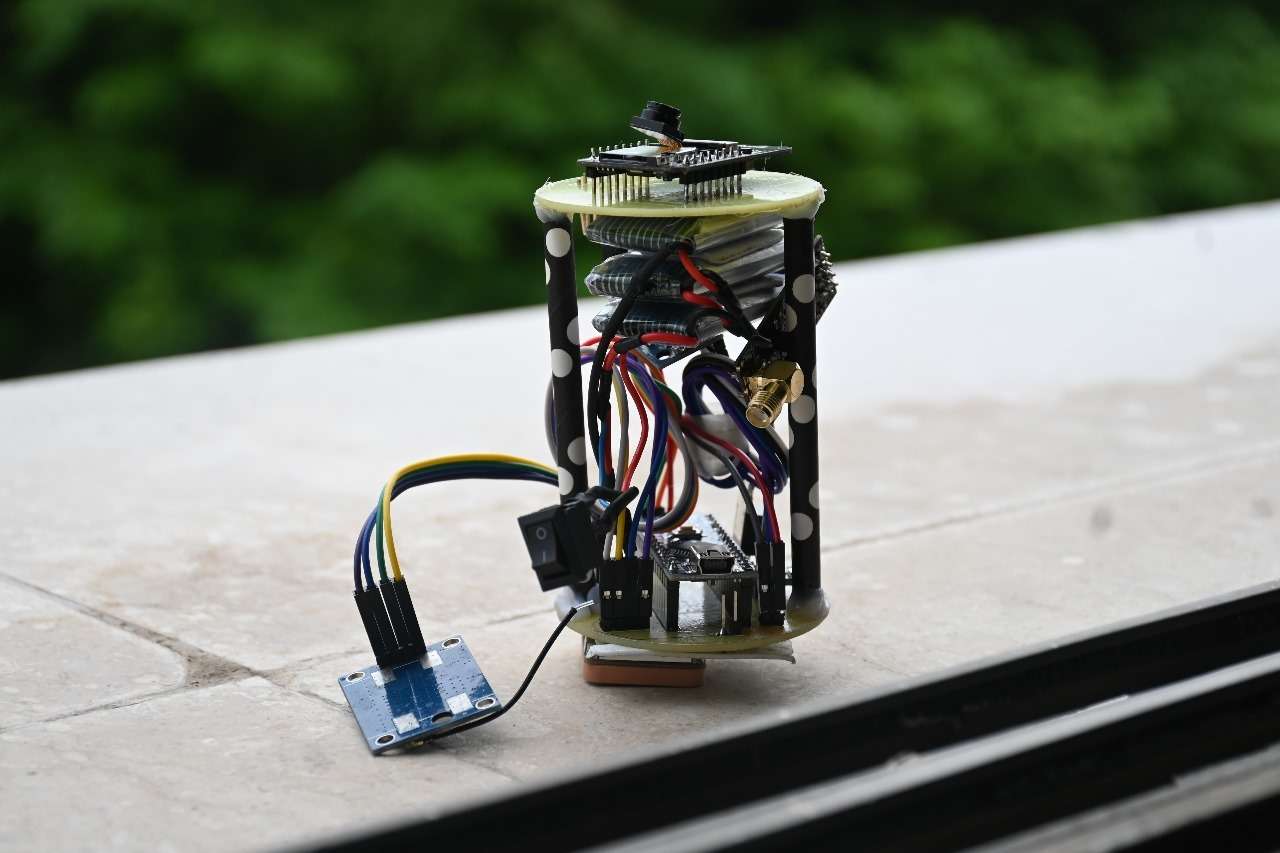
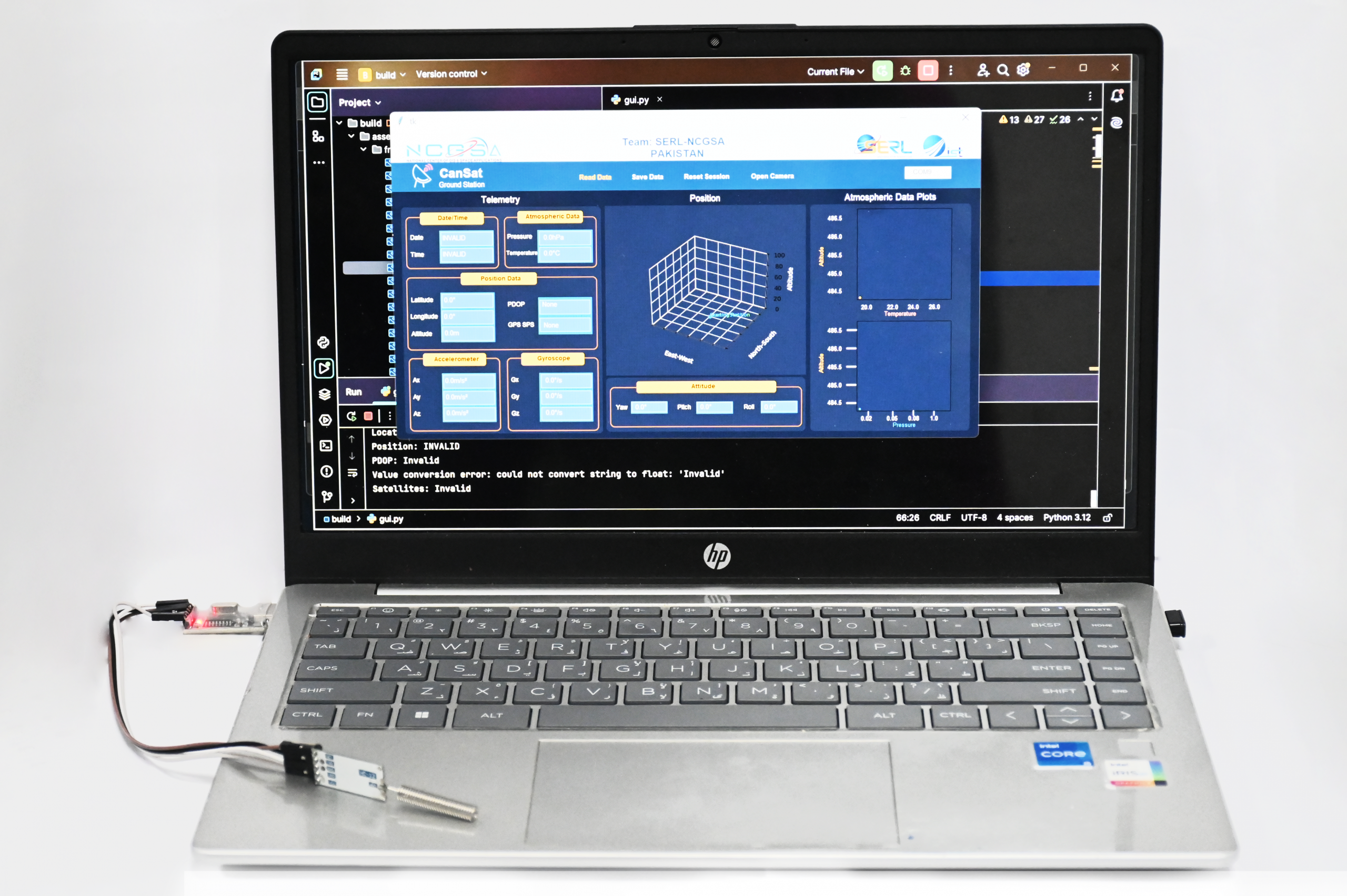
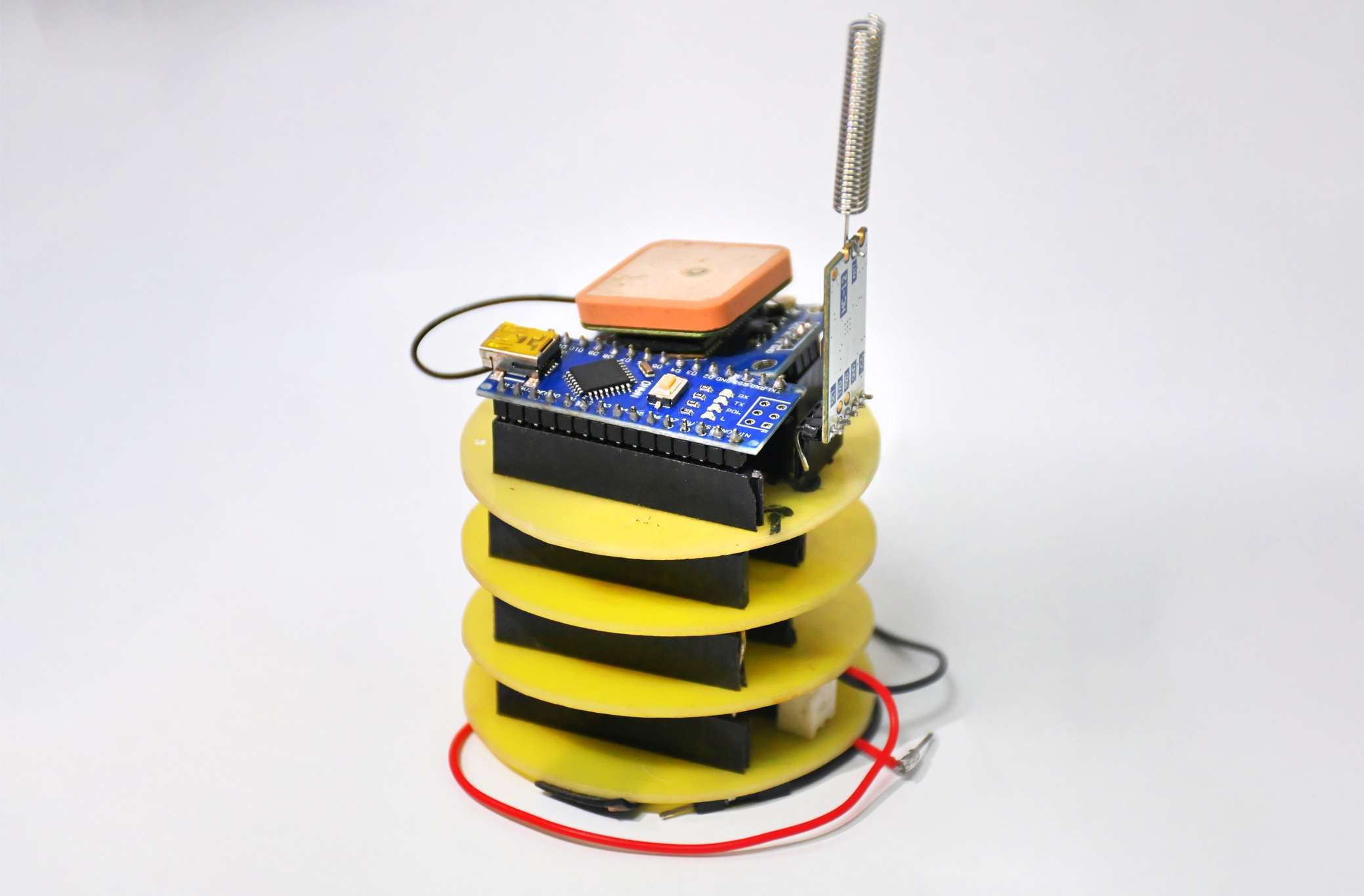
Researchers and students at the GNSS & Space Education Research Lab of NCGSA successfully developed a laboratory model of the CanSat, serving as a miniature yet fully representative platform for understanding satellite architecture. Designed to simulate the functional aspects of an actual satellite mission, the CanSat integrates major subsystems found in a spacecraft, including an on-board computer for mission control, attitude determination for orientation tracking, position determination through GPS, wireless communication for data transmission, and efficient power systems. Leveraging commercial off-the-shelf (COTS) sensors, the system ensures accessibility, cost-effectiveness, and adaptability for academic and research purposes. The CanSat’s mission profile involves recording and transmitting atmospheric parameters such as temperature, pressure, and humidity, while simultaneously capturing orientation and positional readings alongside live video or image data to simulate payload operations. All collected data is relayed to the ground station via the telemetry and command subsystem, where it is visualized in real-time through a dedicated graphical user interface (GUI) that enables continuous monitoring, analysis, and mission evaluation. Beyond serving as a research model, the CanSat provides an invaluable educational tool, bridging theoretical knowledge with practical engineering applications.
Internship 2022
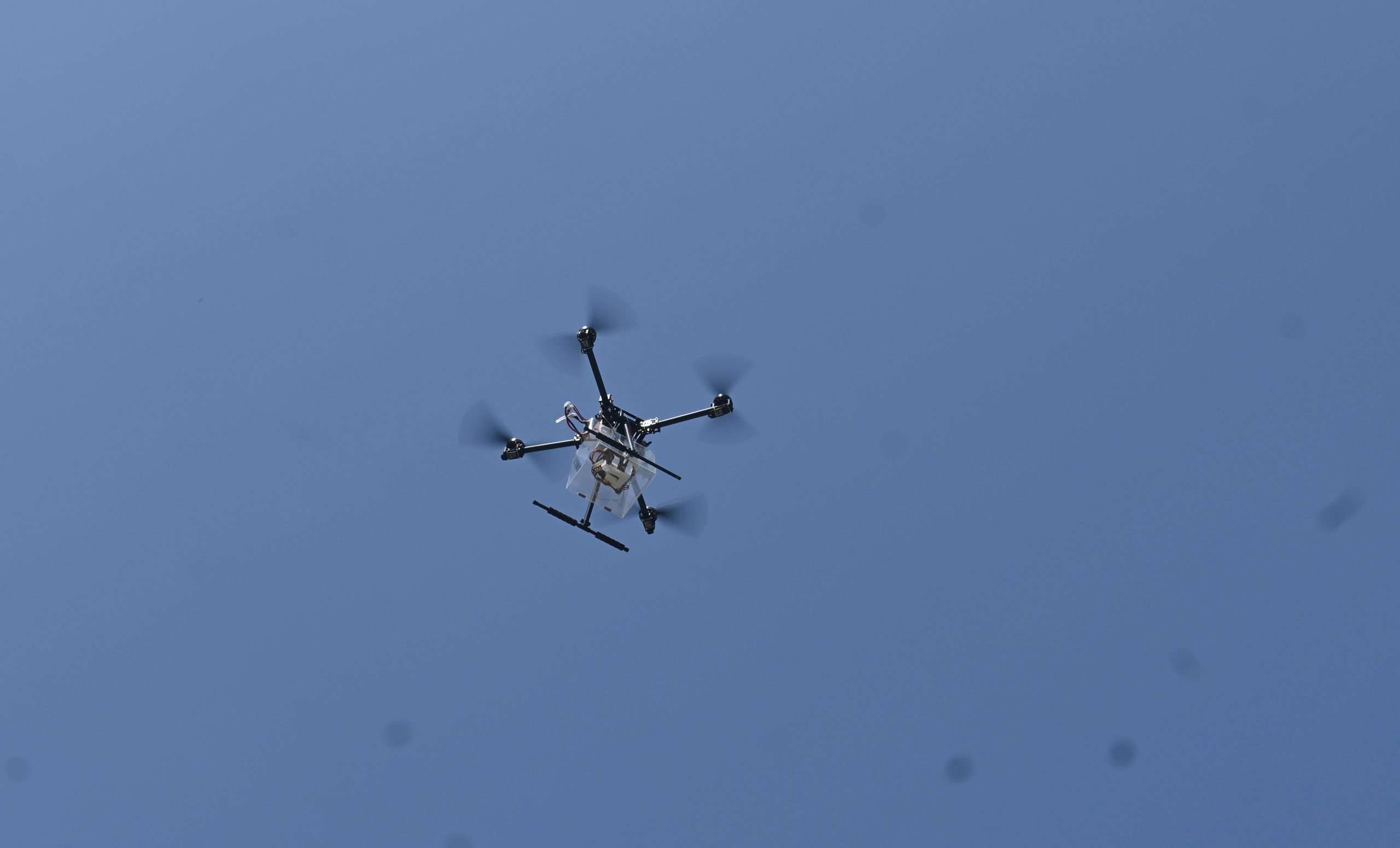
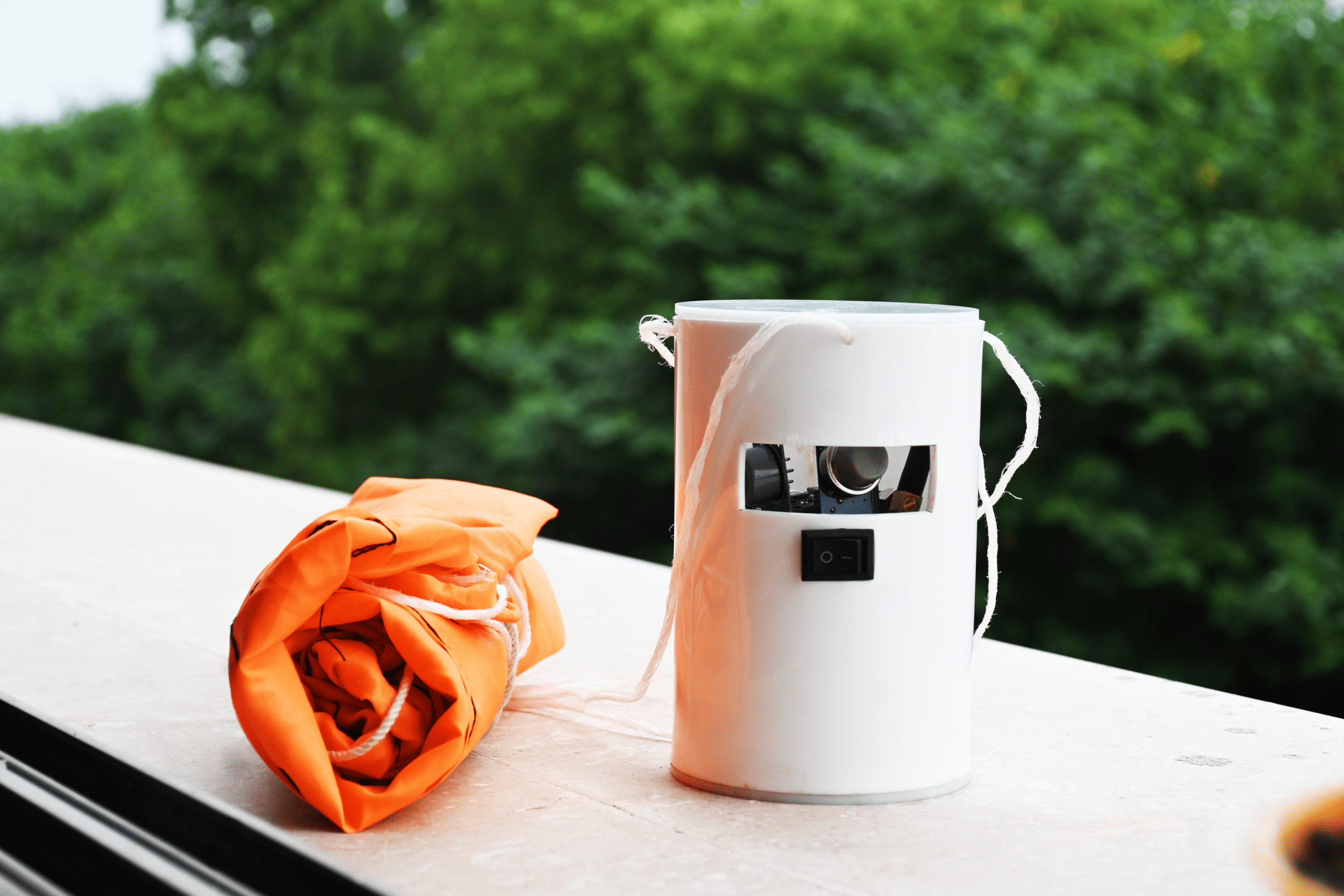
During the Summer Internship 2022 at the GNSS & Space Education Research Lab of NCGSA, students from the Space Science Department of IST undertook detailed research on CanSat technology, gaining their first practical exposure to satellite system design and testing. What began as a preliminary CanSat model gradually evolved into a comprehensive final-year project, laying the groundwork for their long-term engagement in satellite development. Through iterative design improvements, subsystem integration, and multiple testing phases, the team achieved a significant milestone by developing a fully functional CanSat. Following rigorous ground validation and successful flight trials, the CanSat demonstrated its operational capability by reliably transmitting atmospheric, orientation, and positional data to the ground station. This achievement, realized by 2023, not only reflected the technical competence of the students but also highlighted the role of NCGSA in fostering research-driven, hands-on training platforms that prepare young engineers and scientists for Pakistan’s emerging space technology sector.
14th National Convention on Students Quality Circles 2022
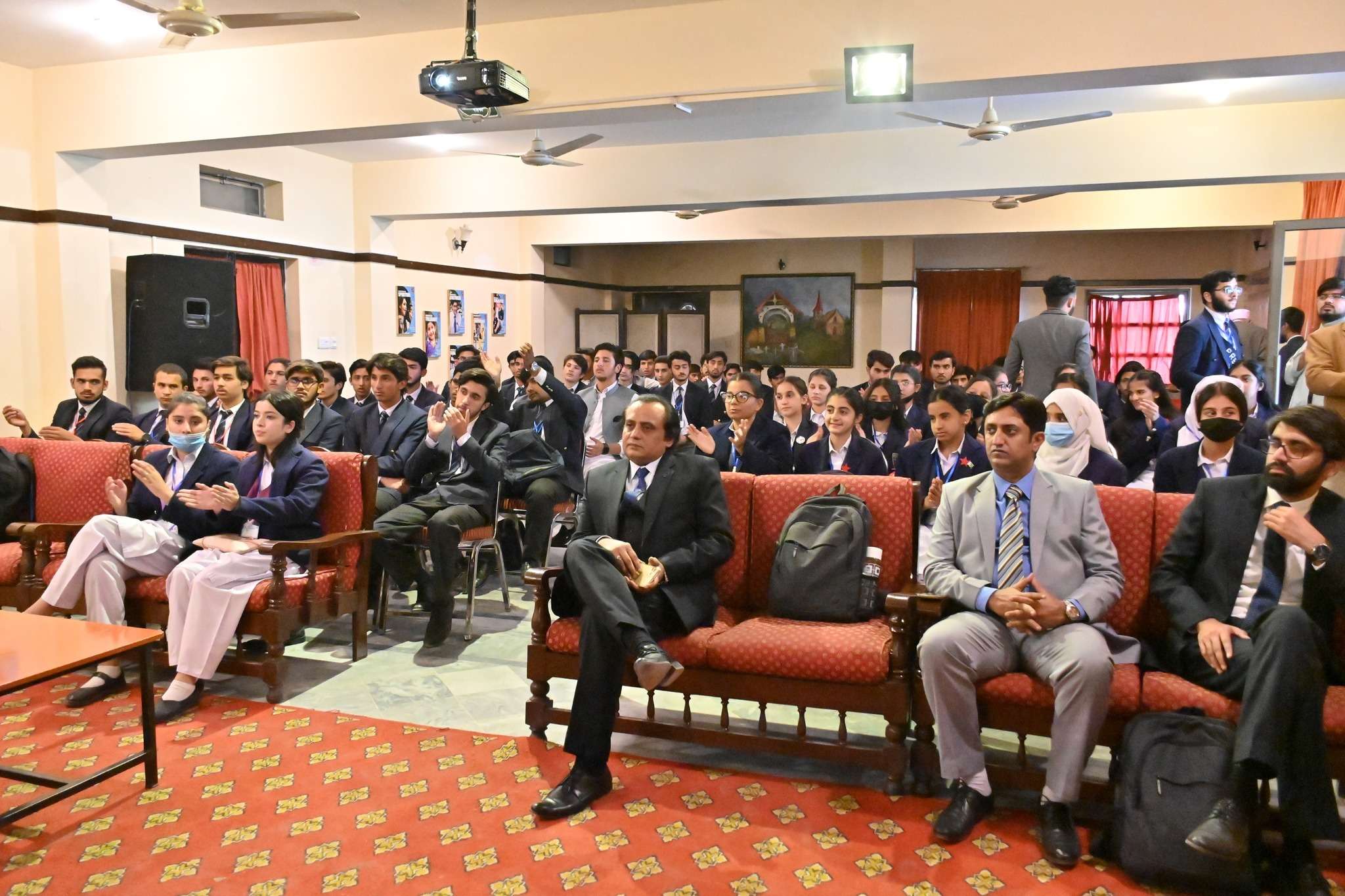
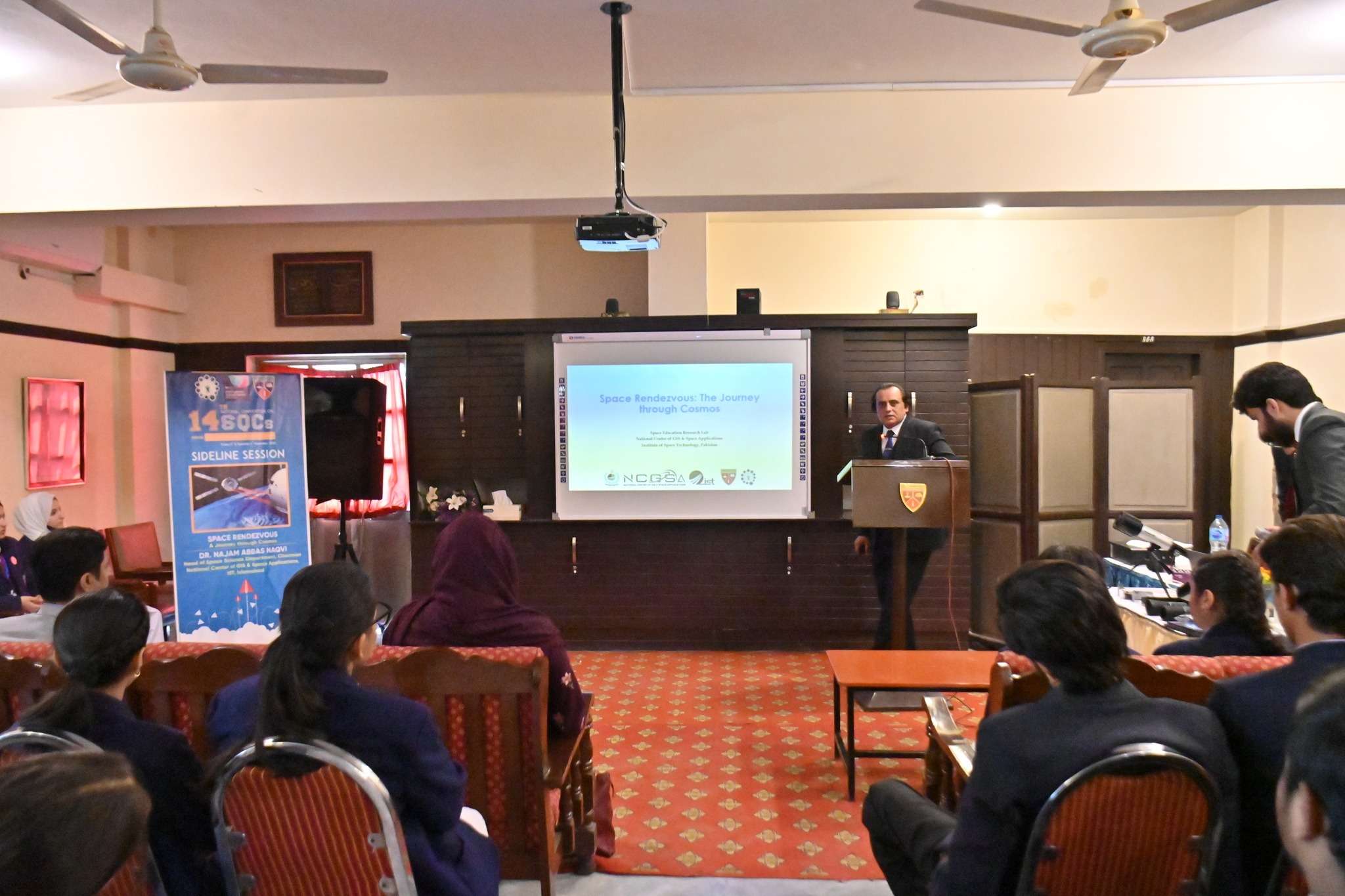
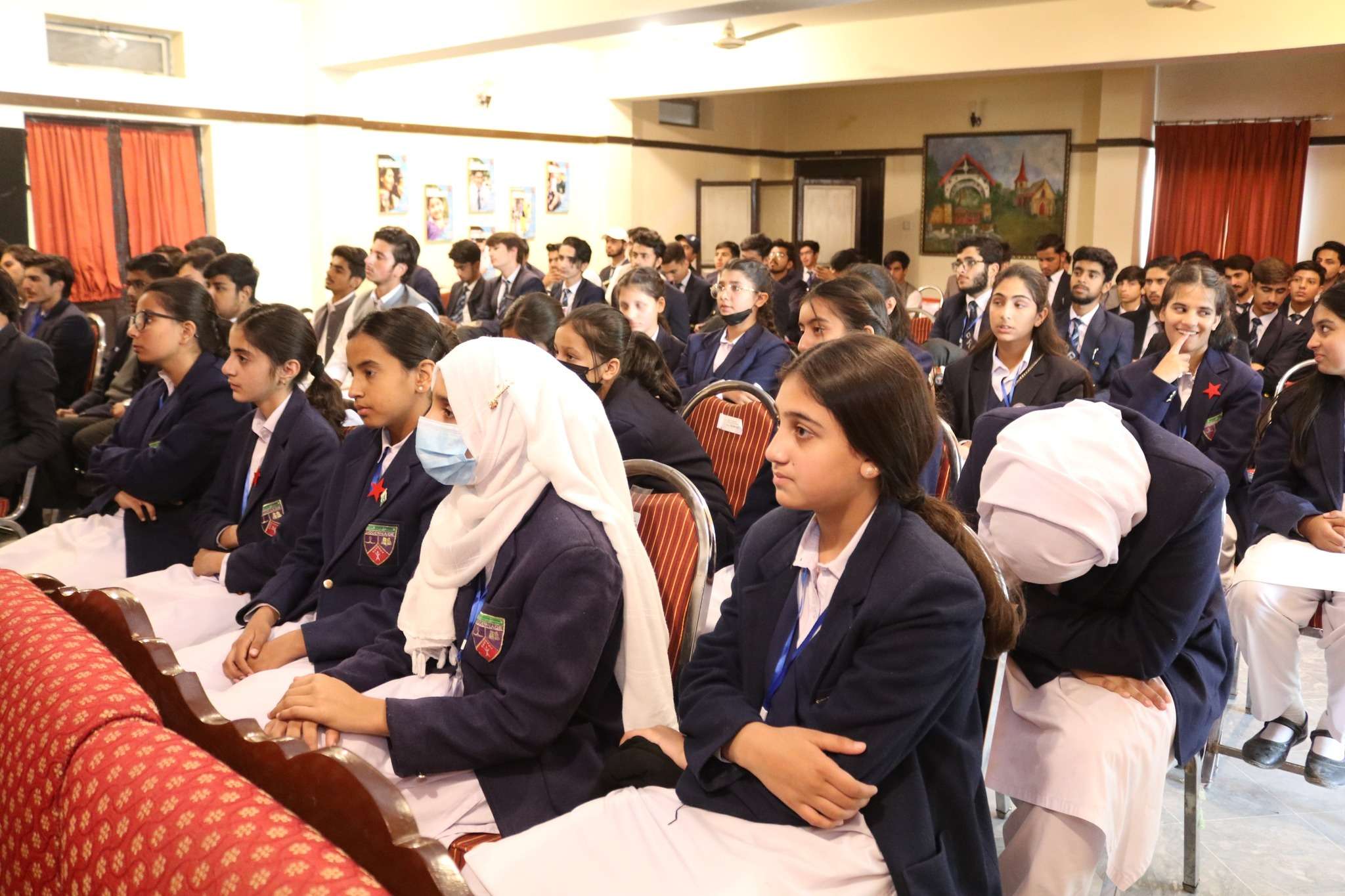
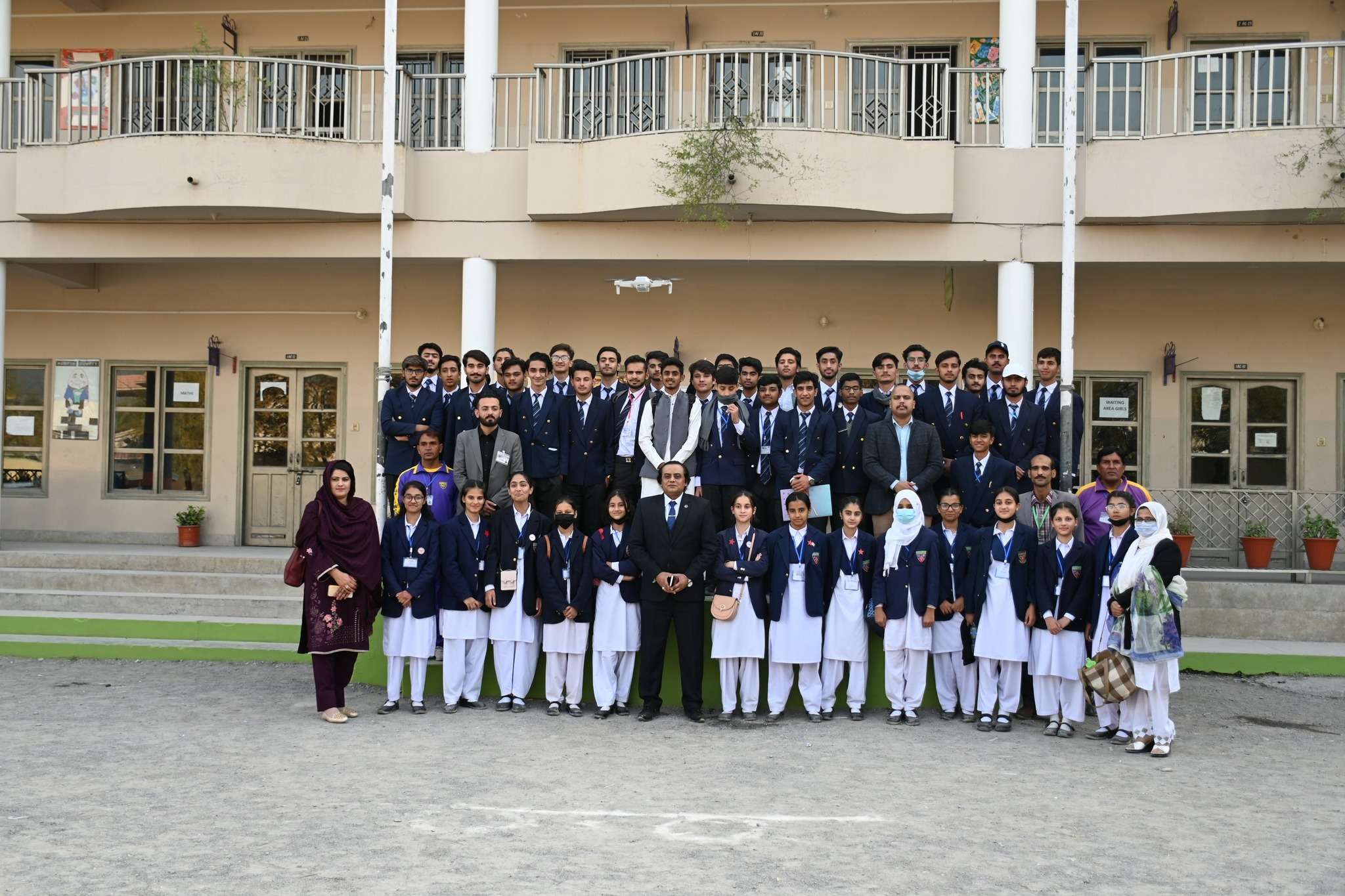
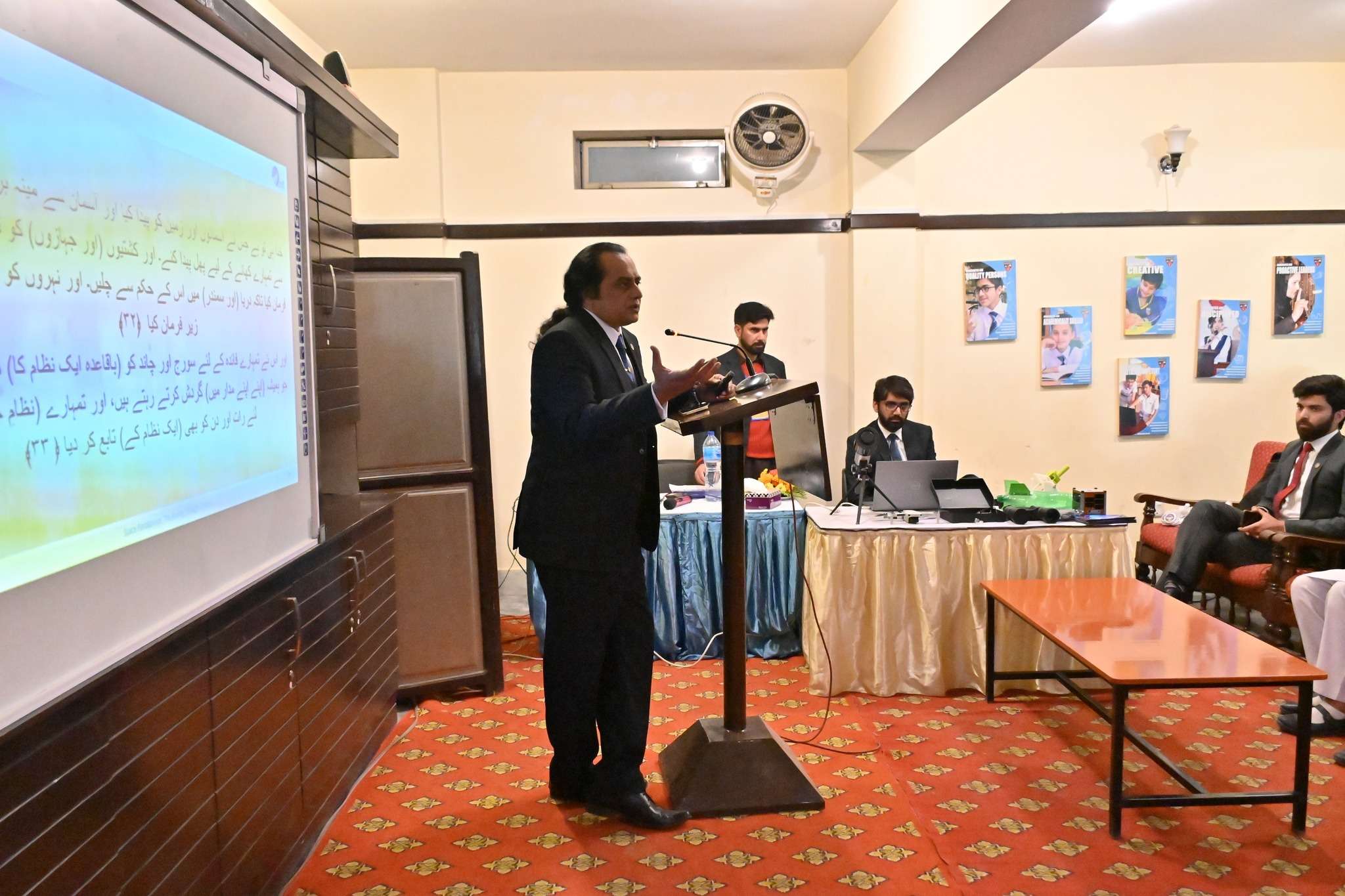
At the 14th National Convention on Students Quality Circles, hosted at Modernage Public School & College, Abbottabad, in collaboration with EQUIP-Pakistan (Empowerment through Quality Education, Innovation, and Productivity), the Space Education Research Lab (SERL) of the NCGSA conducted a comprehensive Space Awareness Workshop. The workshop engaged over 100 students through specialized lectures on CubeSat and CanSat technology, introducing them to the fundamentals of satellite design, mission planning, and subsystem integration. By blending conceptual learning with practical demonstrations, the session not only enhanced students’ understanding of real-world space systems but also emphasized the role of satellite technology in advancing communication, Earth observation, and disaster management. The workshop nurtured curiosity among students, offering them a motivating platform to discover the possibilities of space science and engineering, while reinforcing national efforts to promote STEM education in Pakistan.
STEAM Summer Camp 2022
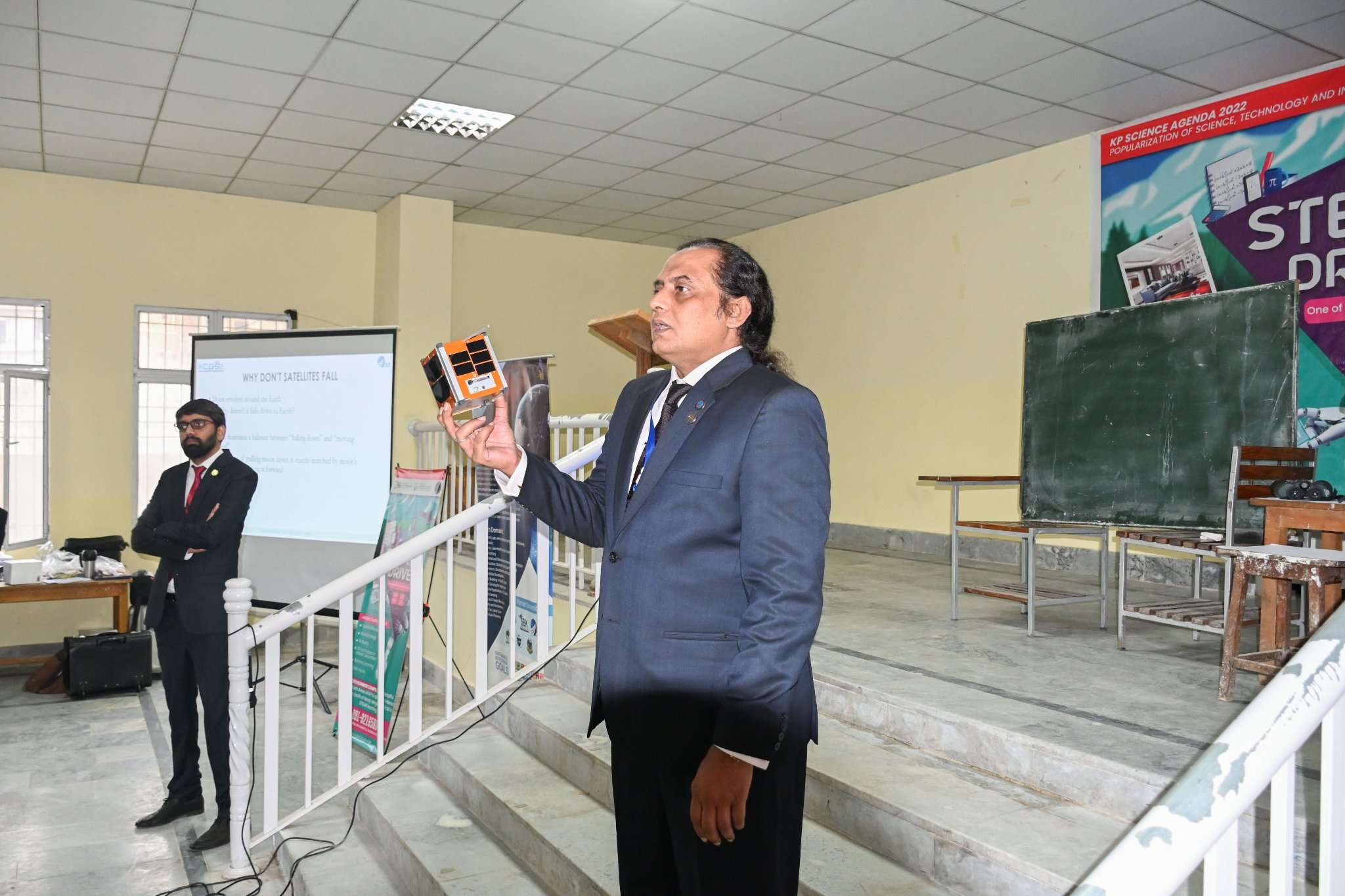
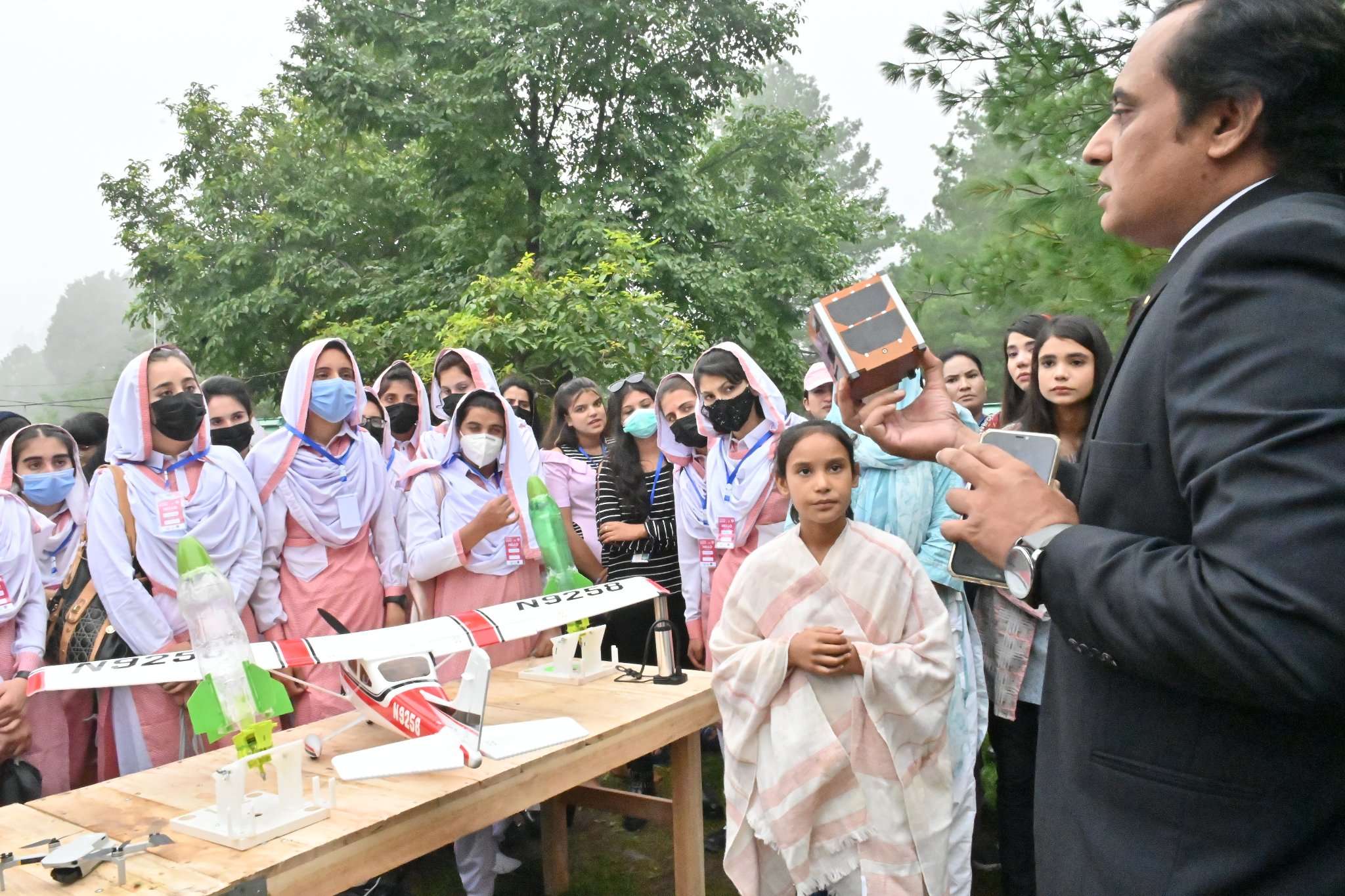
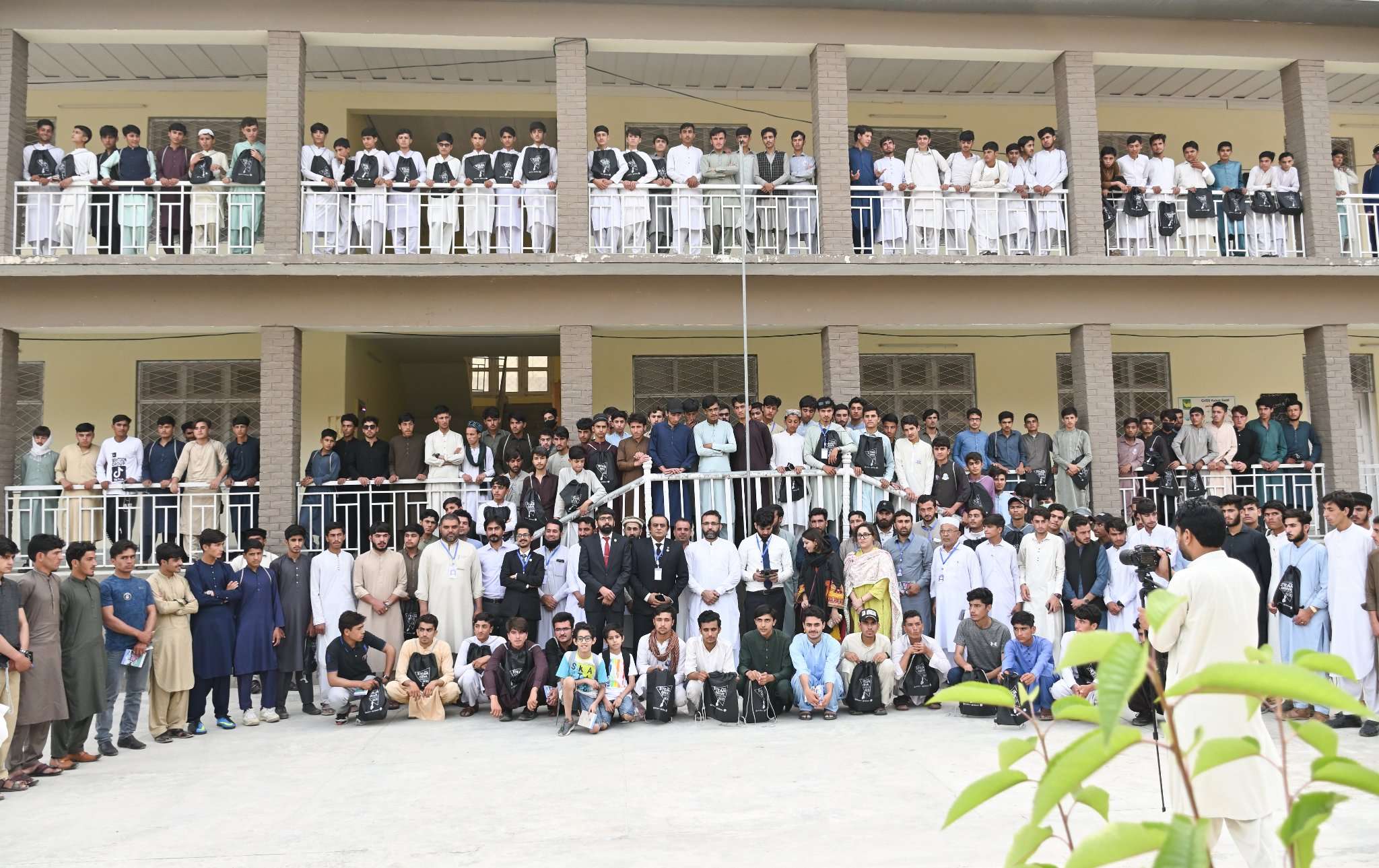
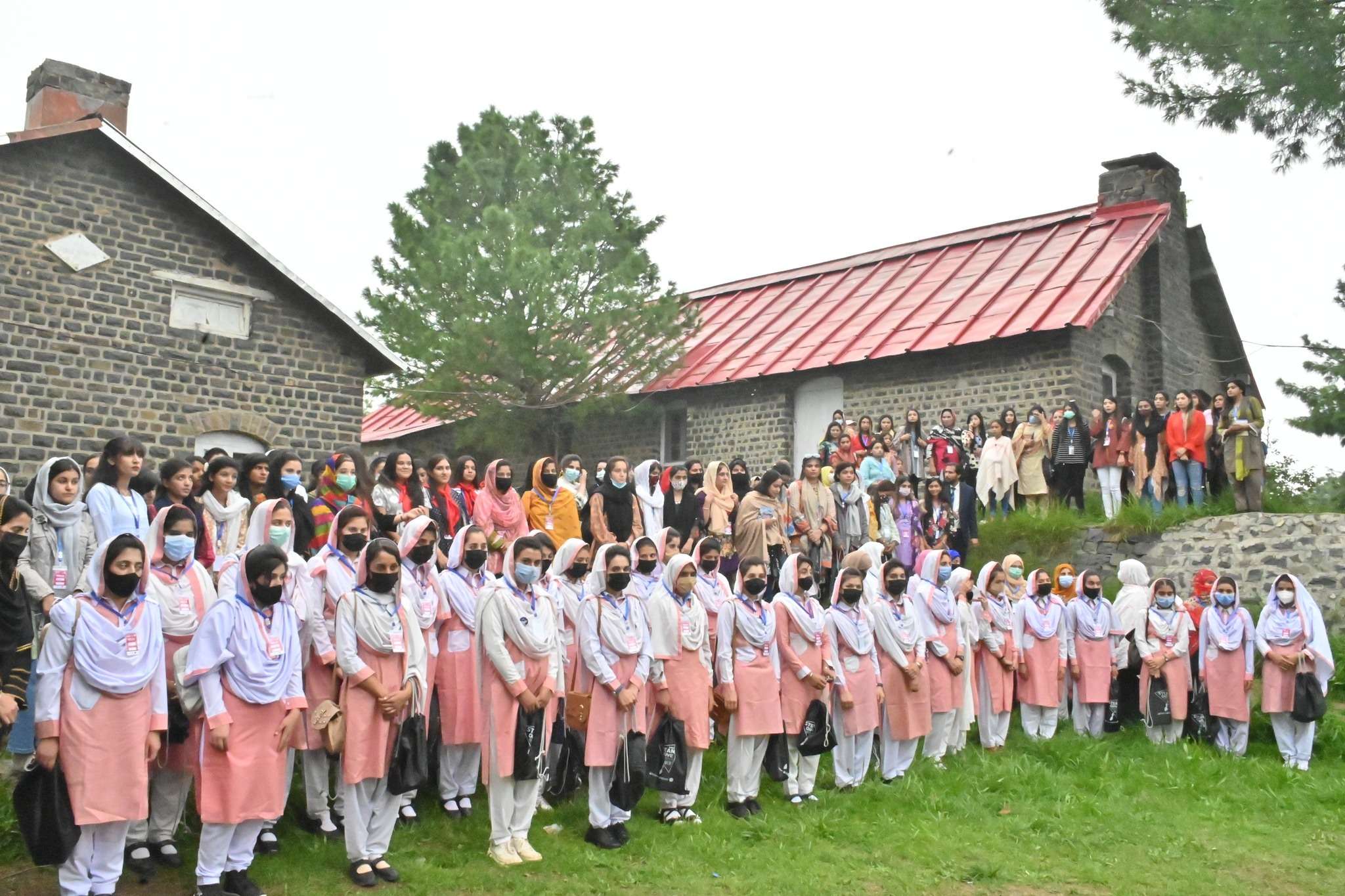
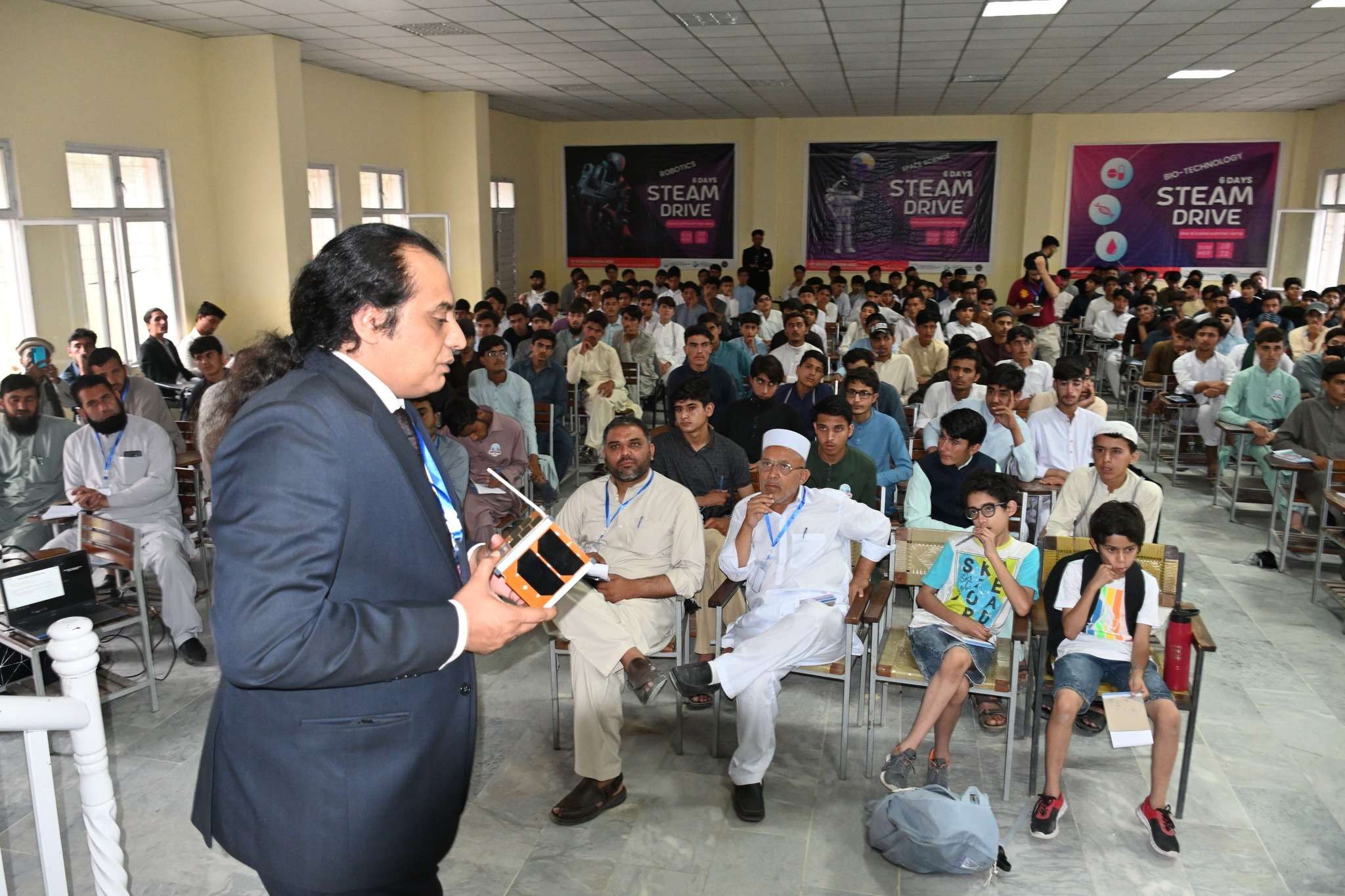
The Directorate General of Science & Technology (DoST), Khyber Pakhtunkhwa, organized two specialized STEAM Summer Camps aimed at inspiring and empowering students from the merged districts through exposure to modern science and technology. The first camp was conducted in Kalam, Swat, from July 1–6, 2024, for male students, while the second took place at the Baragali Summer Campus of the University of Peshawar from August 10–14, 2024, exclusively for female students. Together, the camps engaged more than 400 participants, providing them with a unique opportunity to learn directly from expert-led sessions delivered by the Space Education Research Lab of the NCGSA. The lectures and interactive demonstrations focused on CubeSat and CanSat technology, enabling students from underprivileged and underserved communities to gain insight into the fundamentals of real satellite systems, mission design, and hands-on space science applications. By combining outreach with technical training, these STEAM Summer Camps played a vital role in bridging educational gaps and inspiring the next generation of innovators from Khyber Pakhtunkhwa.
Belt and Road Teenager Space Maker Camp 2021
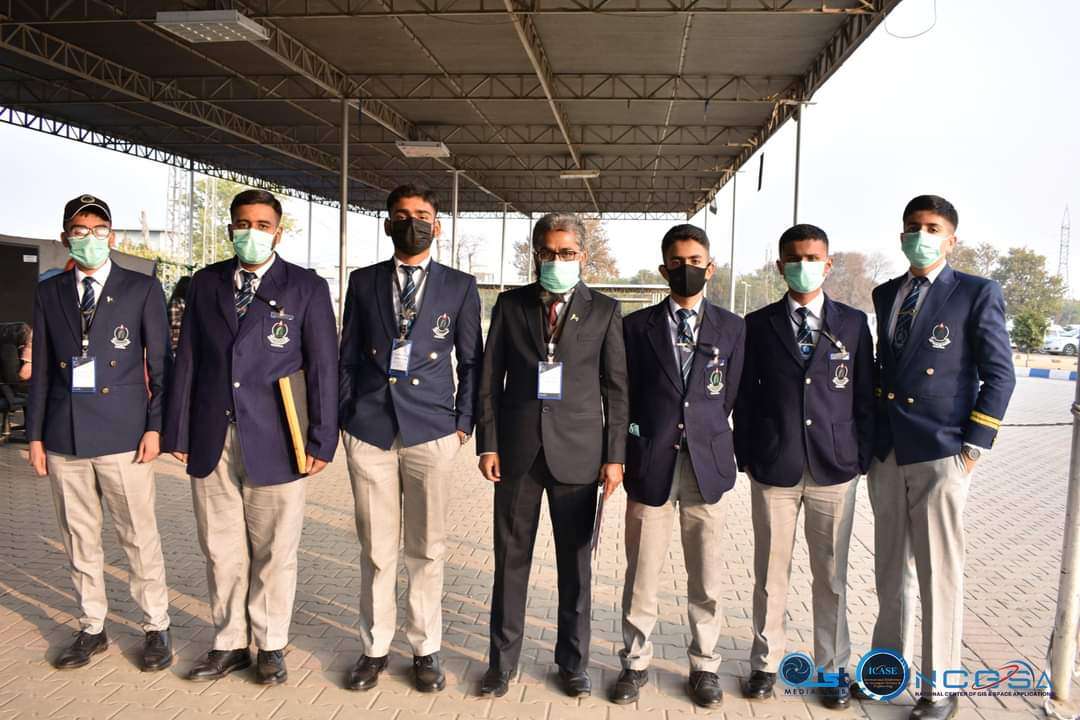
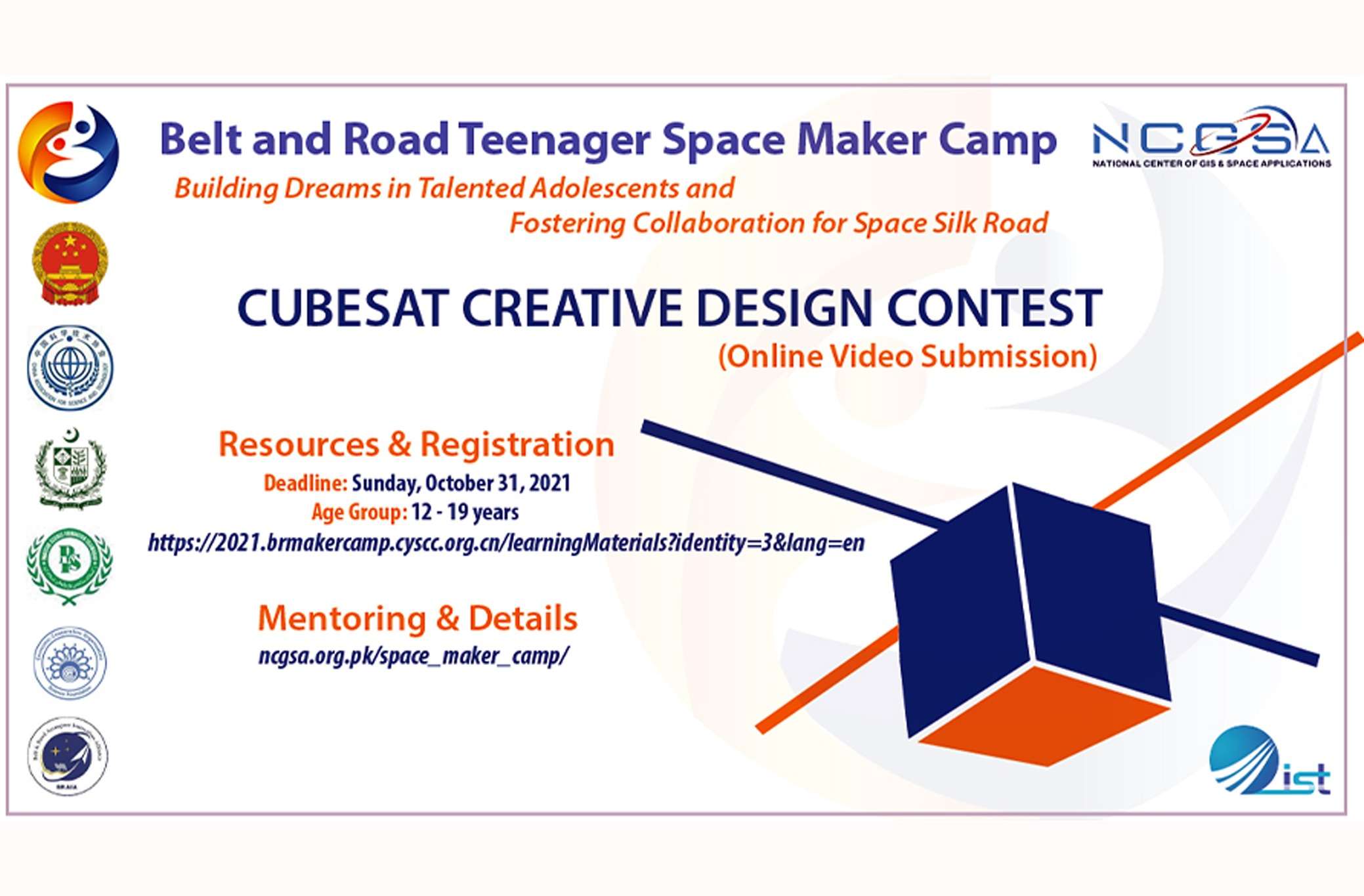
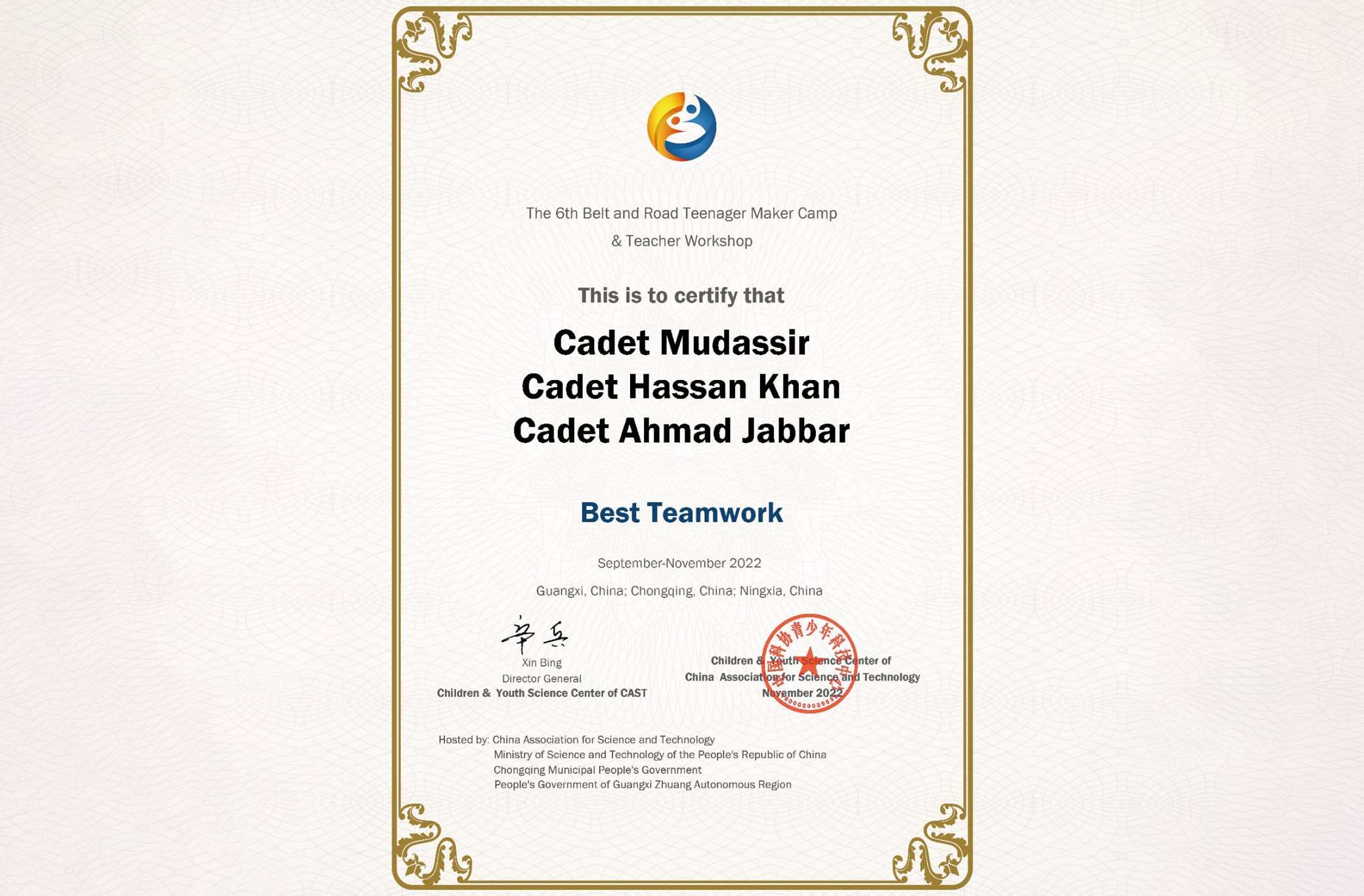
The 6th Belt and Road Teenager Maker Camp, held in October 2021, marked the launch of the NCGSA’s initiative to educate Pakistani students about CubeSat technology. Organized by the China Association of Science and Technology (CAST) and the Ministry of Science and Technology, China, in collaboration with the Ministry of Science and Technology, Pakistan, NCGSA, Pakistan Science Foundation, the Belt and Road Innovation Alliance (BRAIA), and the ECO Science Foundation, the camp emphasized the role of CubeSat technology as an educational and problem-solving tool to address global challenges such as environmental degradation, post-disaster recovery, climate resilience, and the socio-economic impacts of the COVID-19 pandemic. Designed as a three-phase program, the initiative guided participants from virtual CubeSat development and expert-led online learning to hands-on design activities and a national-level competition, where students applied their knowledge in mission planning, subsystem design, and project presentation. The program attracted wide participation from schools across Pakistan, serving as both an educational and motivational platform for young learners to explore the interdisciplinary field of satellite engineering. The competition concluded with the team from Choa Saiden Shah emerging as the winner. Overall, the initiative not only expanded awareness of CubeSat technology but also contributed to capacity-building in Pakistan’s growing space education ecosystem.